Essential Avalanche Rescue Skills Every Backcountry Skier Should Know
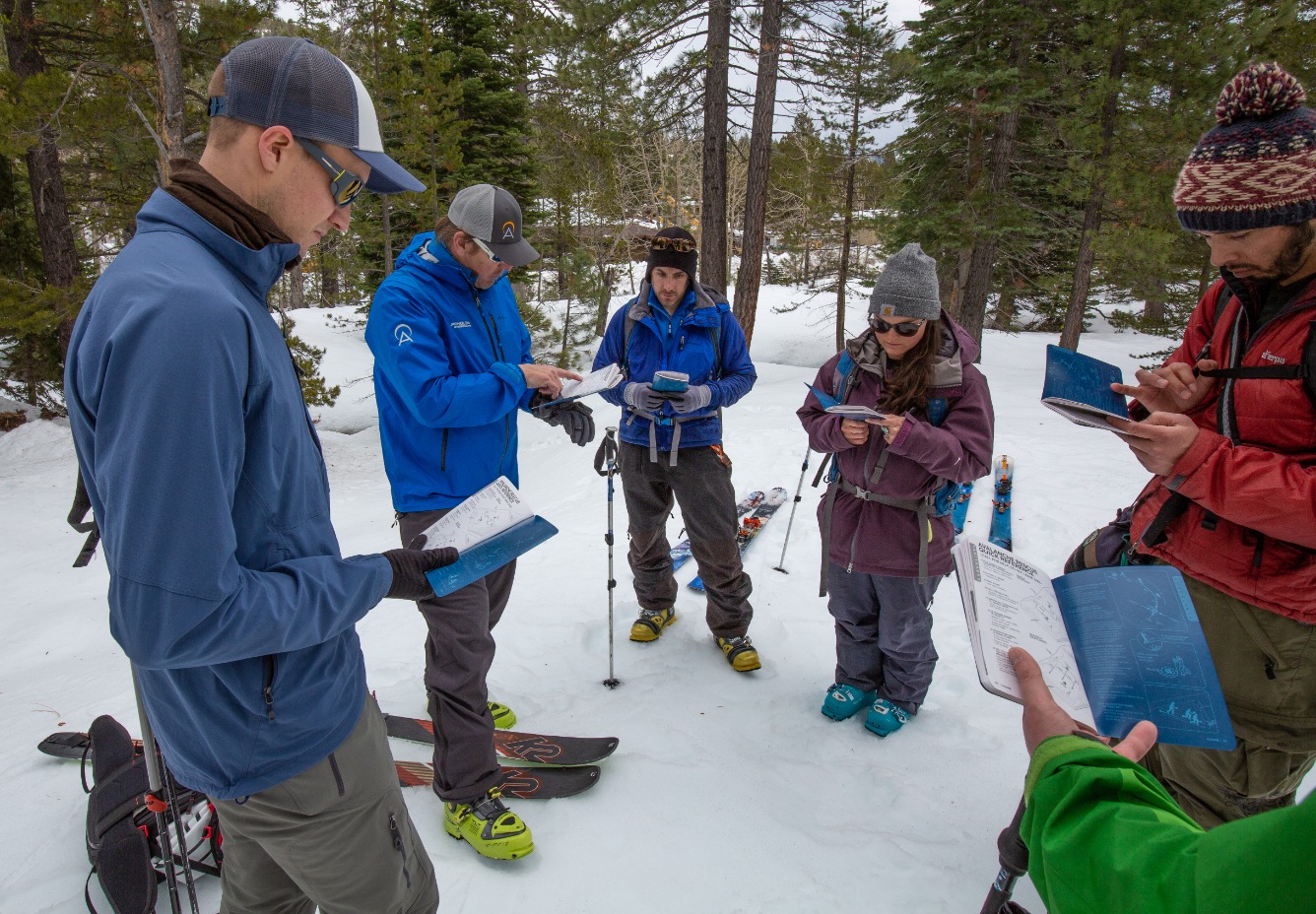
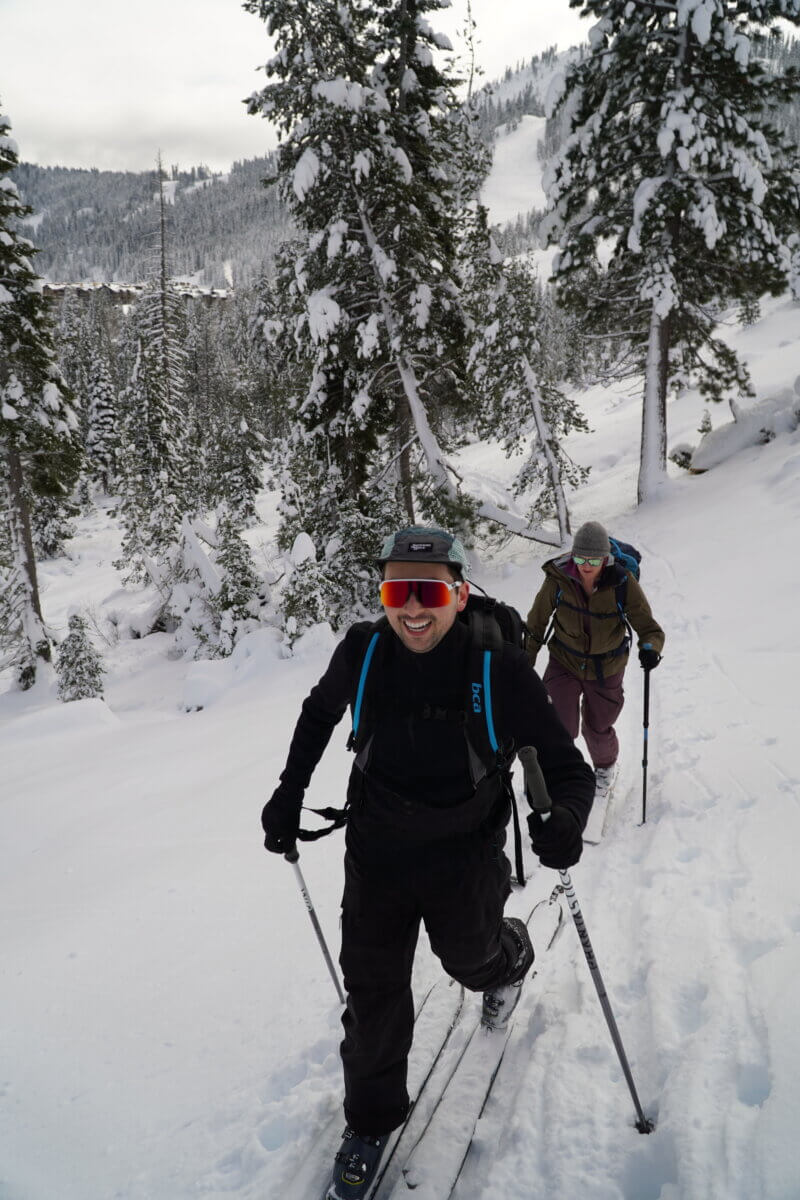
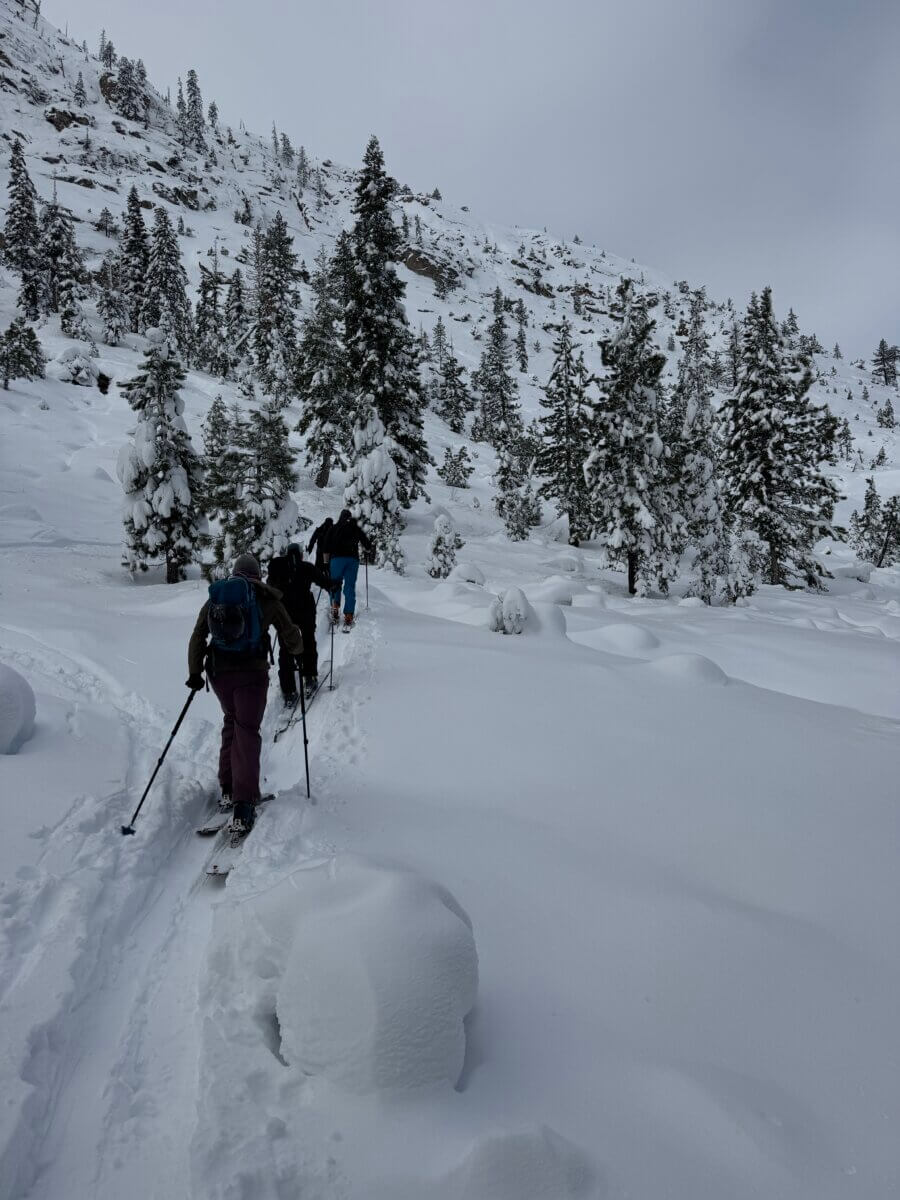
Backcountry skiing is not just about finding untracked snow. It’s about managing risk in complex terrain, with real consequences when things go wrong. Avalanche rescue skills aren’t optional knowledge or “nice to have” techniques. They’re fundamental tools that allow you and your partners to respond quickly, effectively, and with intention when seconds matter.
The reality is simple: most avalanche rescues are performed by partners, not professionals. That means if something happens, the outcome depends on the skills you and your group bring into the field that day.
Below are the most important avalanche rescue skills every backcountry skier should know, understand, and practice regularly.
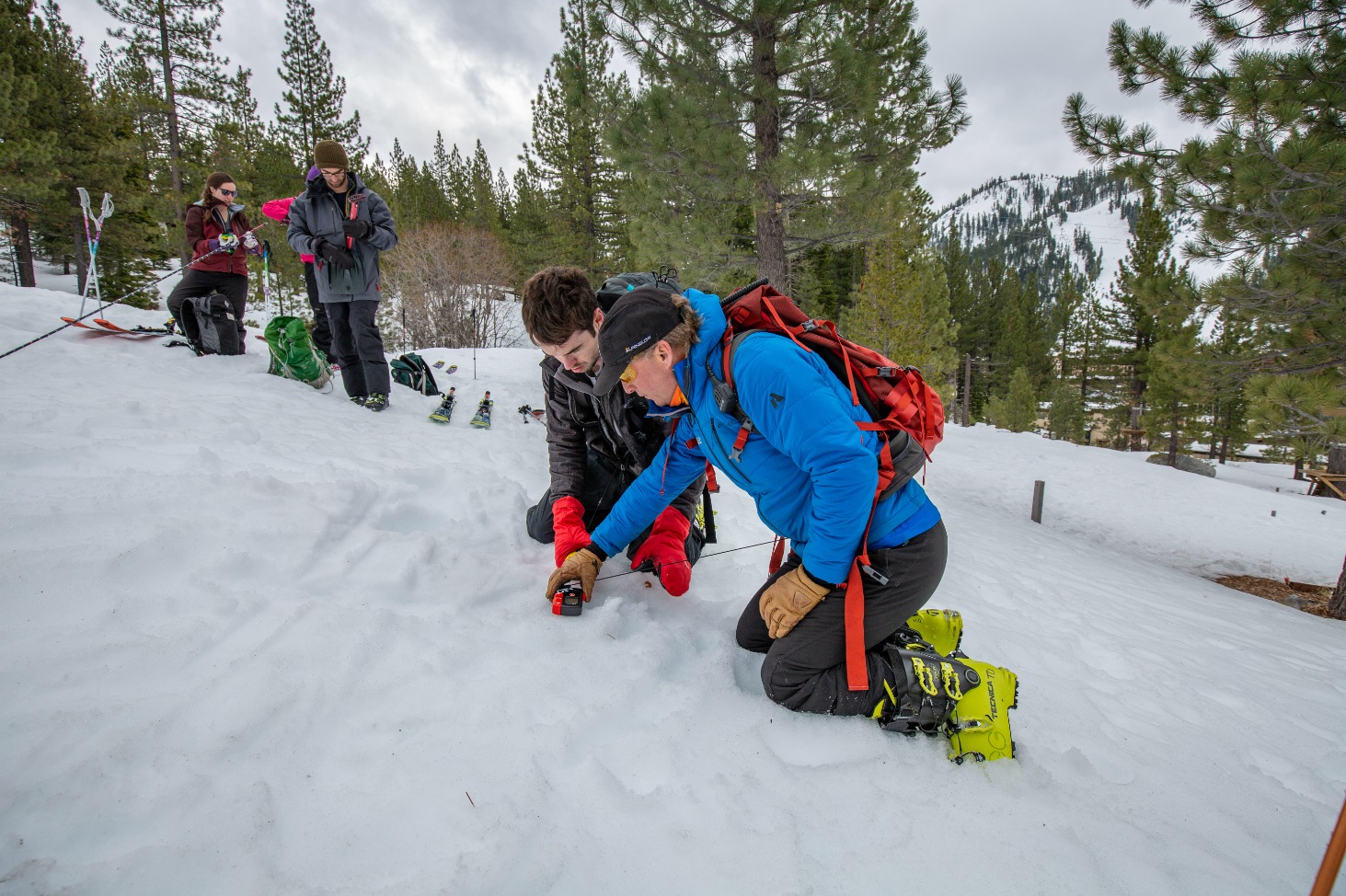
Companion Rescue Mindset
Before any tools come out of a pack, avalanche rescue starts with mindset.
A successful rescue requires:
- Immediate action
- Clear communication
- Calm decision-making under pressure
Panic, hesitation, or uncertainty wastes time. And time is the most critical factor in an avalanche burial. The goal of avalanche education is not just learning techniques, but building confidence through repetition, so your response becomes automatic.
This is why practicing these skills regularly and under professional guidance matters so much.
Avalanche Transceiver (Beacon) Use
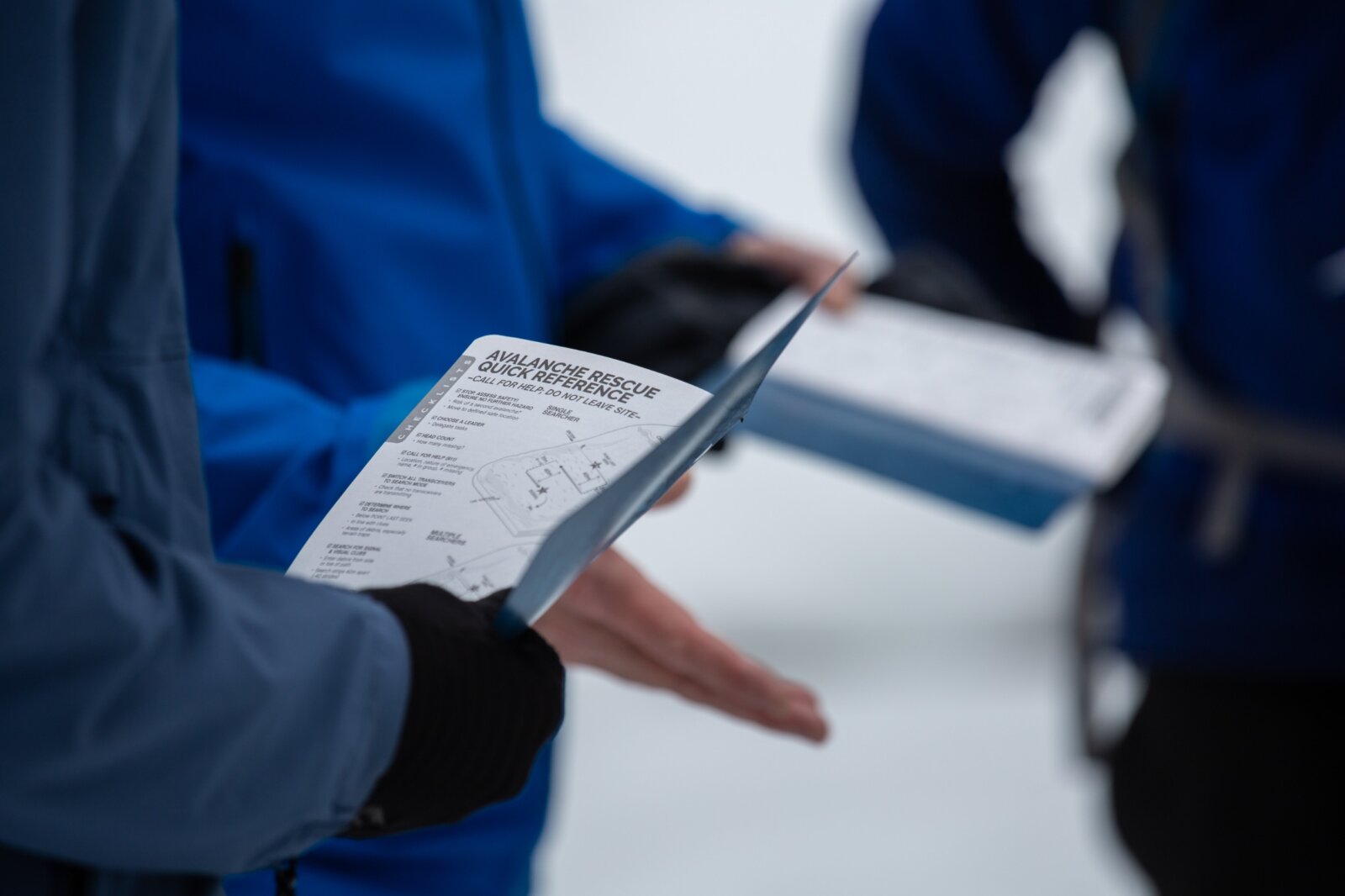
A transceiver is the most important piece of avalanche rescue equipment you carry, but it only works if you know how to use it efficiently.
Essential beacon skills include:
- Performing a fast, organized signal search
- Transitioning cleanly from coarse to fine search
- Maintaining proper beacon orientation and search patterns
- Managing multiple burial scenarios
Many people own a beacon. Far fewer can use it quickly and accurately under stress.
In a real rescue, sloppy technique adds minutes. Minutes reduce survival odds. Beacon practice is about precision, not familiarity.
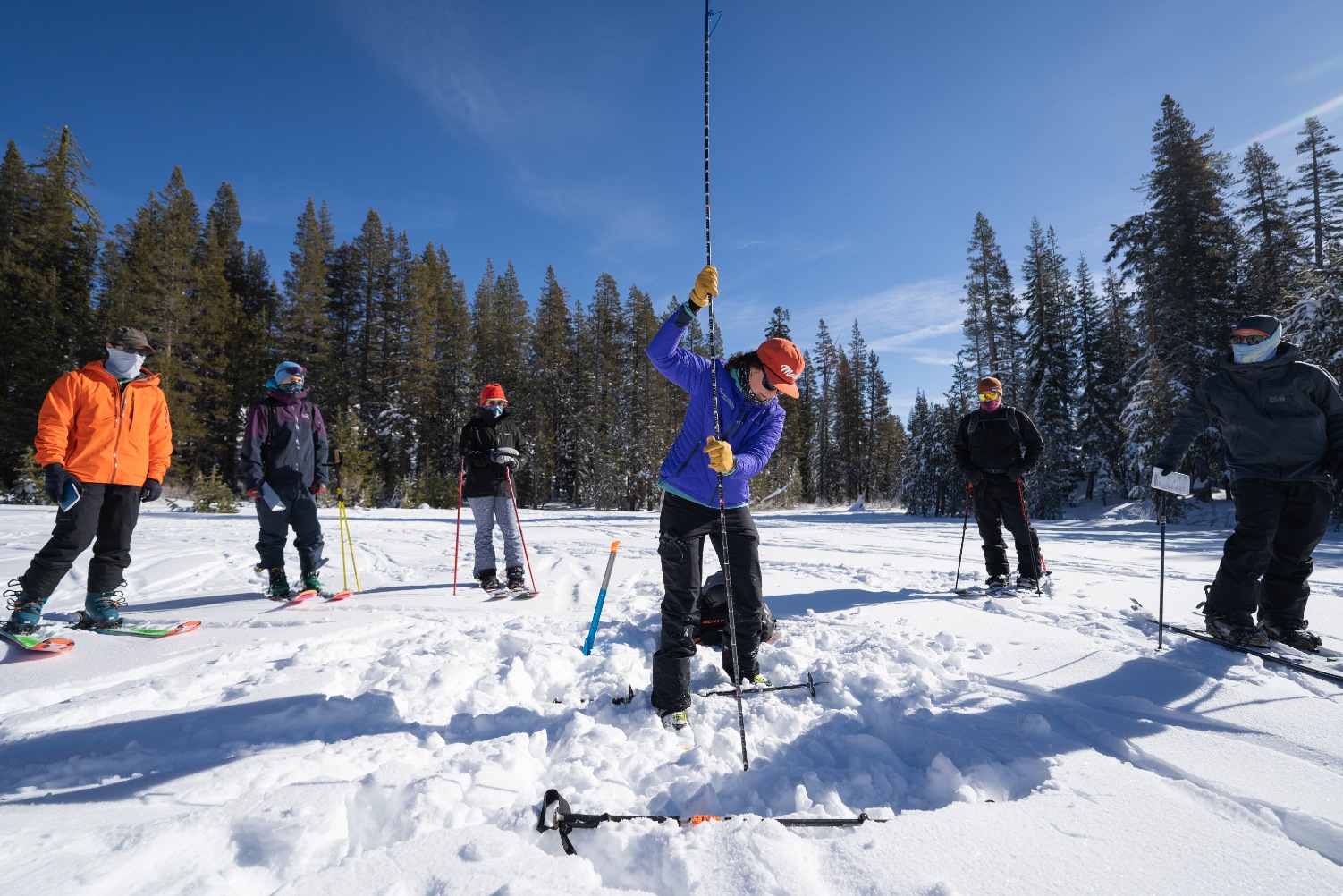
Probing: Confirming Location and Depth
Once you’ve narrowed down a signal, probing confirms exactly where to dig.
Key probing skills include:
- Proper probe assembly without fumbling
- Strategic probing patterns
- Feeling and identifying a body versus debris
- Calling probe strikes clearly to your team
Probing bridges the gap between electronics and physical rescue. Done poorly, it leads to misplaced digging. Done well, it saves enormous time and energy.
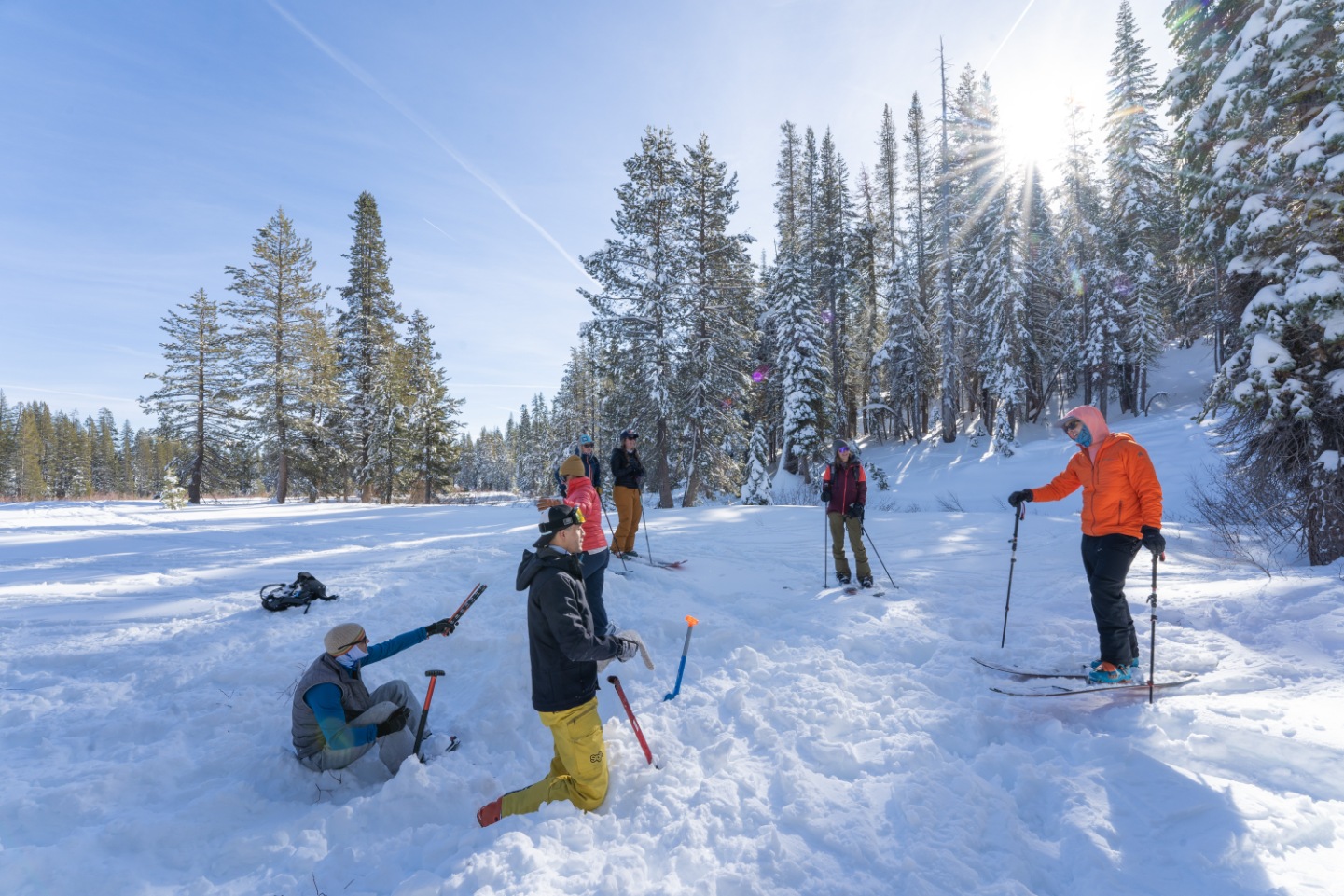
Strategic Shoveling
Shoveling is where most rescues succeed or fail.
Research shows that strategic shoveling accounts for the majority of rescue time, yet it’s the skill most people practice the least.
Critical shoveling concepts include:
- Digging downhill of the probe strike
- Creating a wide, efficient excavation platform
- Managing multiple rescuers without crowding
- Avoiding vertical “post-hole” digging
Strong shoveling technique dramatically increases how fast you can reach a buried partner. It’s also physically demanding, which is why technique matters as much as strength.
Scene Management and Communication
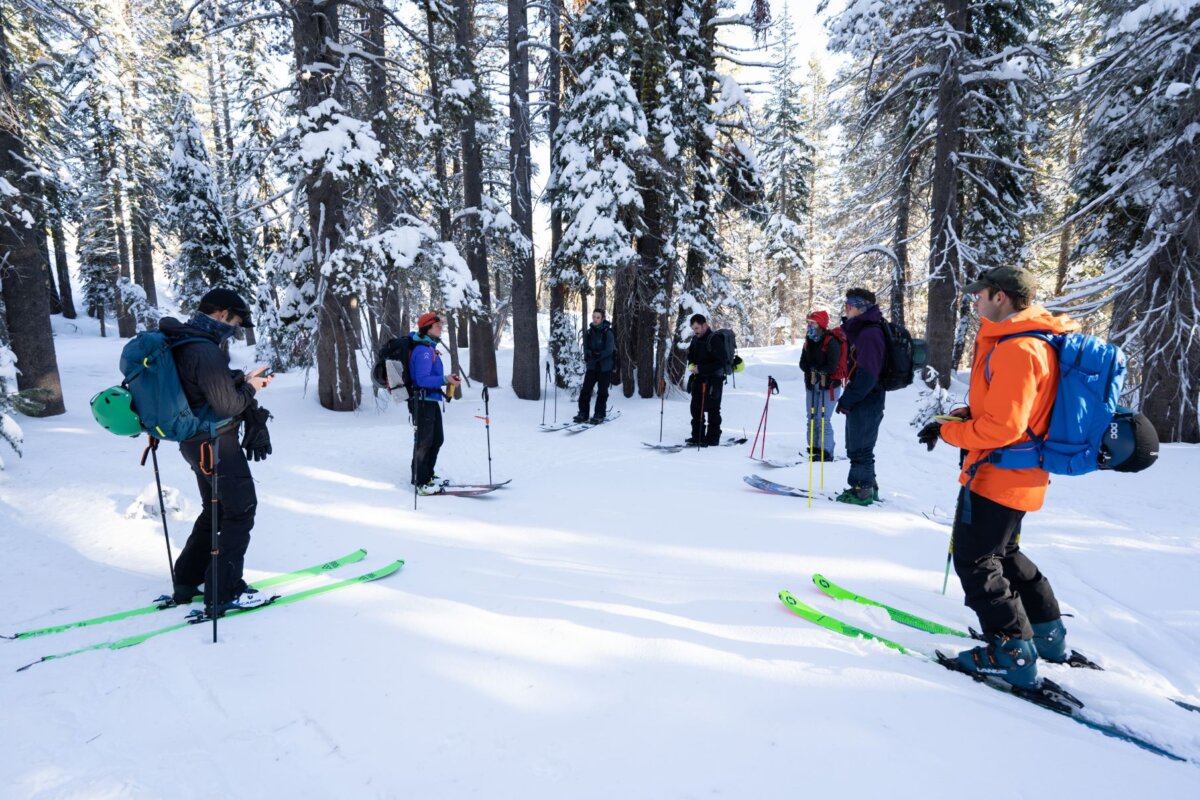
Avalanche rescue isn’t just individual skills. It’s a team effort.
Good rescue teams:
- Assign roles immediately
- Communicate clearly and loudly
- Manage secondary avalanche risk
- Keep the rescue organized as more people arrive
This is where professional training really shows its value. Practicing rescues with certified guides teaches you how to operate as a group, not just as individuals with tools.
Airbags, Helmets, and Reality
Avalanche airbags and helmets can improve outcomes, but they do not replace good decision-making or rescue skills.
Airbags can help keep a skier near the surface, but they don’t guarantee survival. Helmets protect against trauma, not burial. These tools only work as part of a broader system that includes terrain assessment, communication, and rescue competence.
Rescue skills are the last line of defense when everything else fails.
Why Professional Training Matters
Reading about avalanche rescue is not the same as performing it.
In a real avalanche scenario, stress is high, time is limited, and conditions are rarely clean or controlled. People don’t rise to the occasion in these moments. They fall back on whatever training they’ve actually practiced.
That’s why professional instruction matters.
All of our guides are certified through the American Mountain Guides Association (AMGA), meaning they’ve gone through rigorous, standardized training and evaluation in snow travel, avalanche terrain, rescue scenarios, and decision-making. These certifications aren’t just about technical skills. They’re about judgment, communication, and managing real-world risk in dynamic mountain environments.
Our guides don’t just teach avalanche rescue skills. They practice them constantly. That means:
- Running realistic rescue scenarios under time pressure
- Teaching efficient, modern techniques backed by current research
- Identifying common mistakes before they become habits
- Helping students build systems that actually work in the field
Professional training gives you feedback you can’t get practicing alone or watching videos. It shows you where your systems break down, where you lose time, and how to move more efficiently as a group.
If you’re unsure about your rescue skills, haven’t practiced recently, or want to be more confident in real terrain, that’s not a weakness. It’s a sign you’re taking responsibility for yourself and your partners.
Pairing Avalanche Courses and Backcountry Courses
Avalanche rescue skills don’t exist in isolation.
Pairing an avalanche course with a backcountry skiing course is one of the most effective ways to build real competence. Avalanche courses focus on decision-making and rescue skills. Backcountry courses reinforce those skills while applying them in real terrain, with movement, transitions, and group management.
Together, they create a complete foundation for safer, more intentional days in the mountains.
The Bottom Line
Avalanche rescue skills save lives. They also create better partners, stronger groups, and more confidence in the backcountry.
If you’re committed to skiing outside the resort, committing to proper training is part of the responsibility. Learning these skills from experienced, professionally certified guides ensures you’re not just carrying the right equipment, but actually know how to use it when it matters most.
If you’re unsure where to start, or want to sharpen your skills, booking an avalanche or backcountry course with us is the best step you can take.
Because when things go wrong, preparation is everything.
Learn more about Avalanche Rescue with us
AIARE Avalanche Rescue Course In North Lake Tahoe
AIARE Avalanche Rescue Course In South Lake Tahoe
AIARE 1 Refresher In Lake Tahoe
AIARE 1 Hybrid: Avalanche Education In North Lake Tahoe
AIARE 1 Hybrid Course In South Lake Tahoe
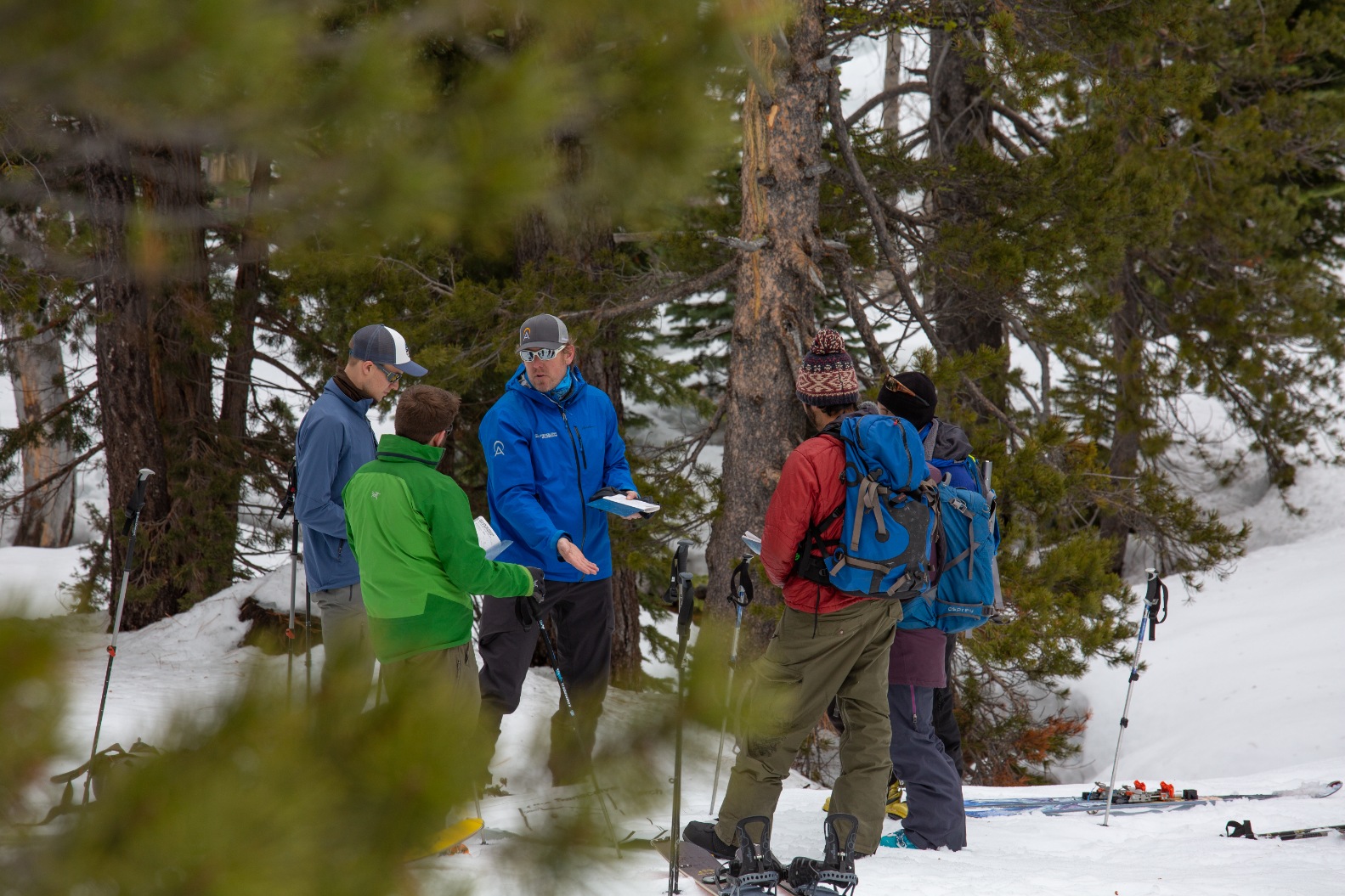
AIARE 1: 3-Day Avalanche Course In North Lake Tahoe
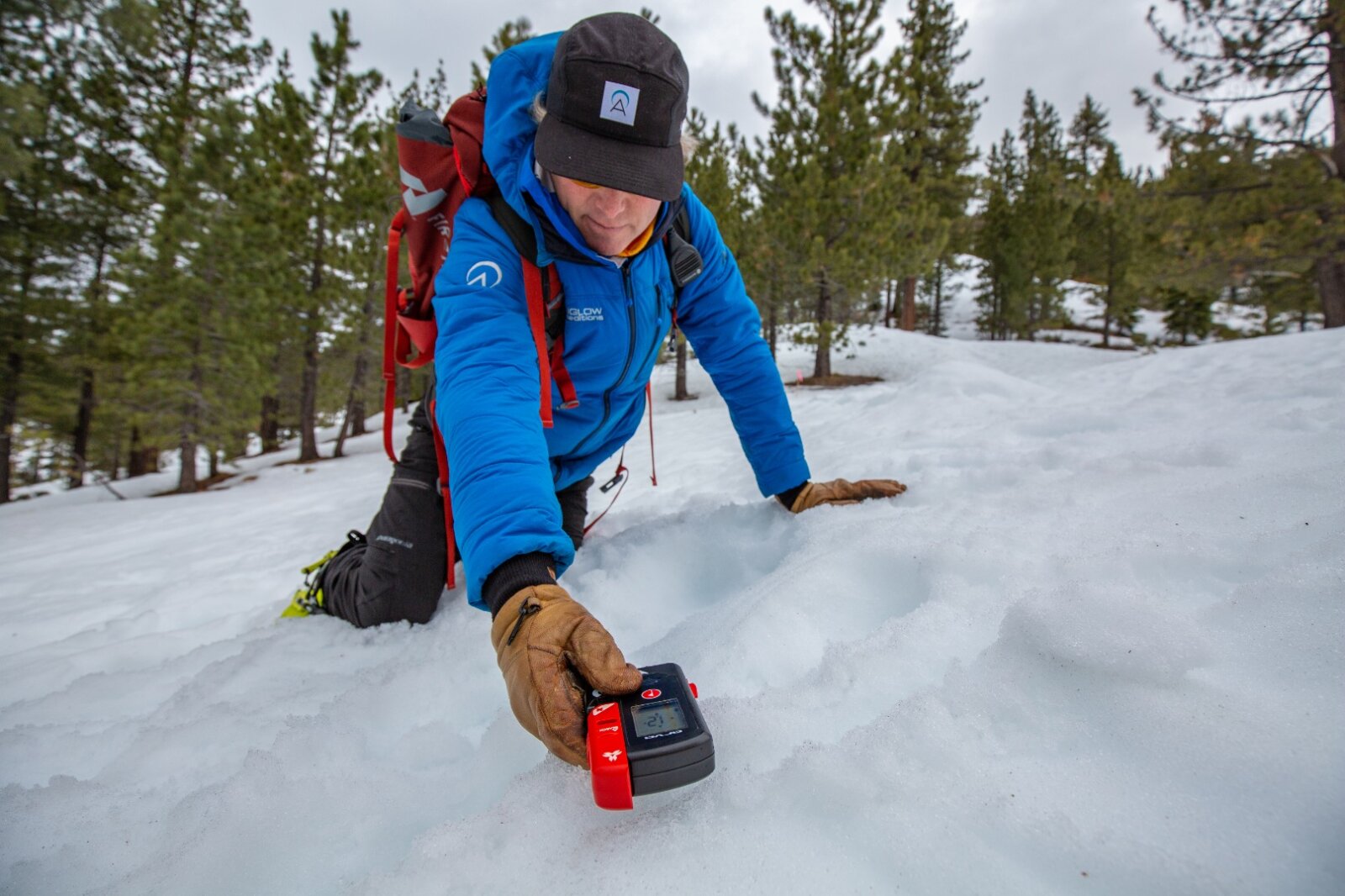
Lift-Accessed AIARE Rescue Course
Keep Reading About
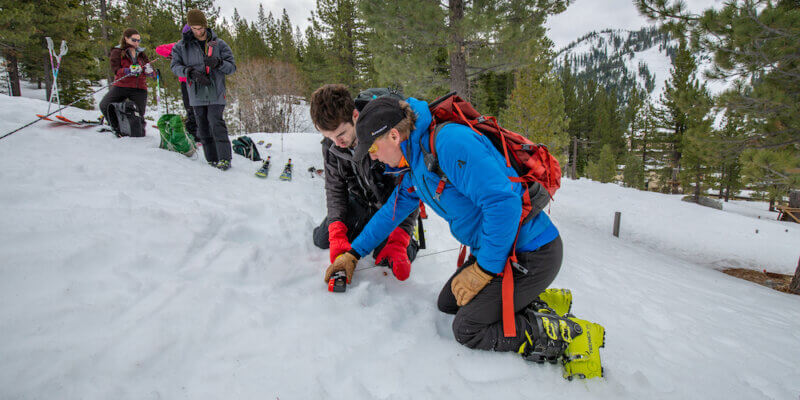
Mastering Avalanche Rescue: Why Practice Makes Perfect
Perhaps you’ve taken an AIARE 1 Avalanche Safety course or maybe you’ve had the opportunity to take an AIARE Avalanche Rescue course (an entire 8 hour course dedicated to efficient avalanche rescue) where you’ve learned rescue skills and put them into action.Read the story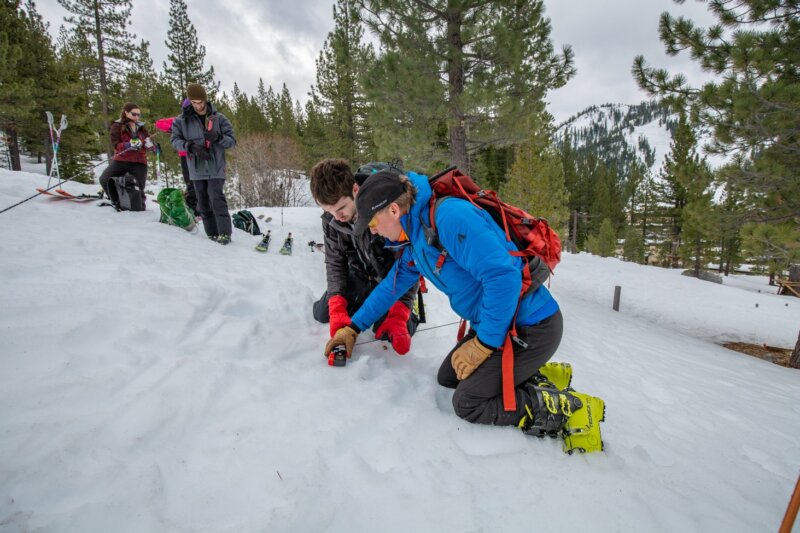
Avalanche Education in California: What to Expect from an AIARE 1 Course
Learn what to expect from an AIARE 1 course in California and why avalanche education is essential for safety while backcountry skiing in avalanche terrain.Read the story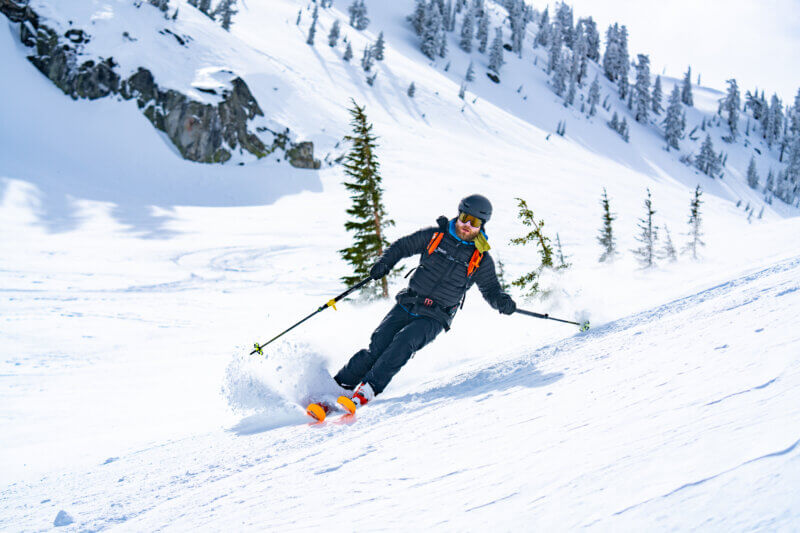
Avalanche Refresher
Skills erode, best practices evolve, and confidence doesn’t always translate into competence without regular practice. That’s why we’ve added a new course to our Lake Tahoe avalanche education lineup — the AIARE 1 Refresher.Read the story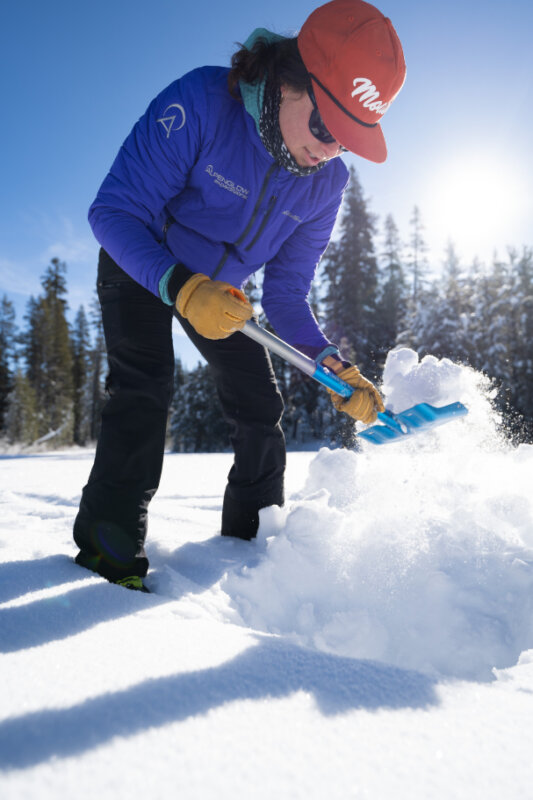
Gear Junkie: Palisades Tahoe Avi Rescue Training: Resort to Offer Lift-Accessed AIARE Course, In-Bounds
Avalanche rescue skills are useful whether you’re in-bounds or skiing in the backcountry. For the first time, Palisades Tahoe is partnering with a local guide company to offer AIARE rescue courses at the resort.Read the story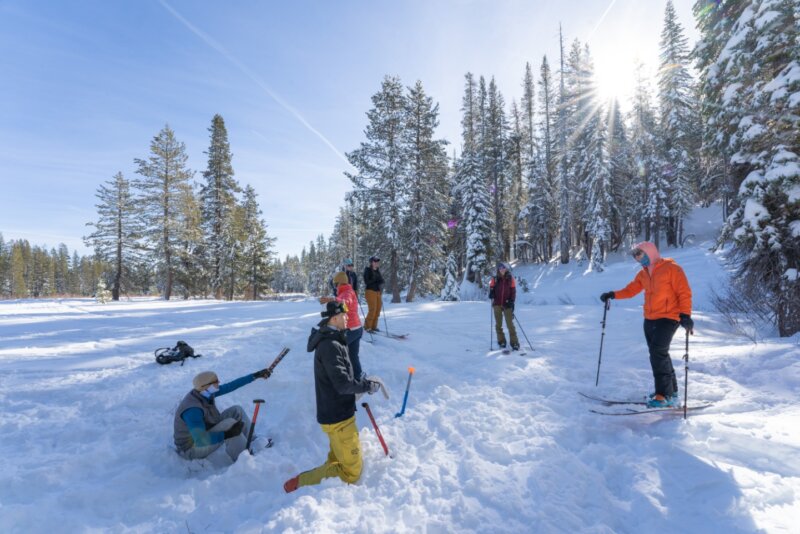
How To Start Backcountry Touring In Lake Tahoe
Read the story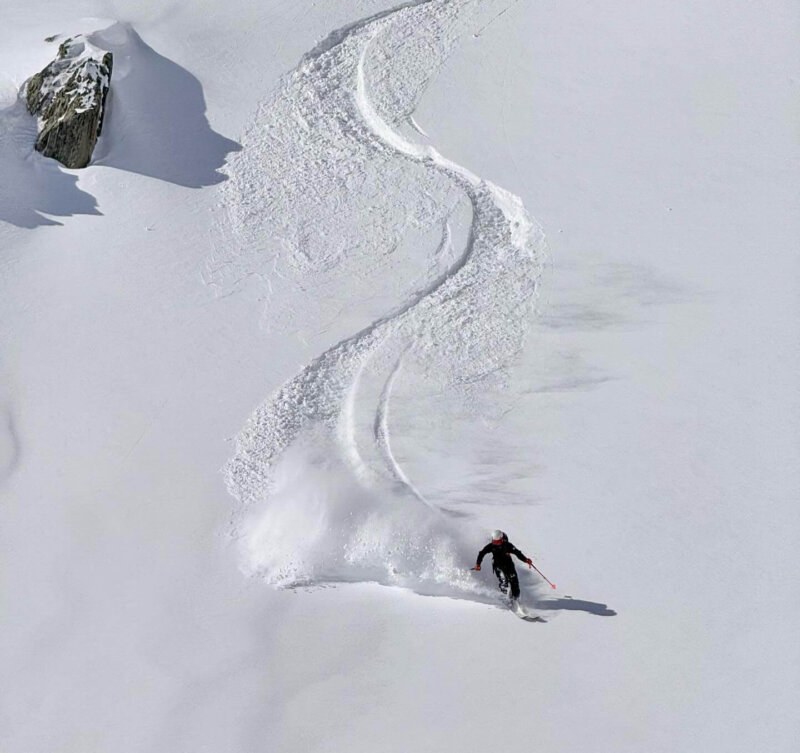
Level Up Your Backcountry Skills: Why Alpenglow Expeditions’ AIARE Level 2 is a Must!
Traditionally, the AIARE 2 has been the entry-level professional course for ski guides, patrollers, and forecasters. Recently, it has been restructured to cater to advanced recreational users who want to enhance their decision-making abilities in more challenging avalanche terrain and scenarios.Read the story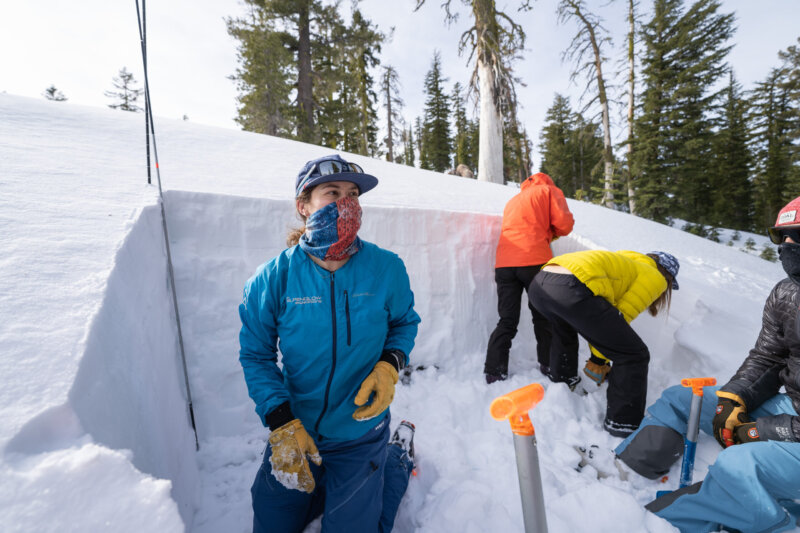
What’s The Difference Between AIARE 1 & AIARE 2?
In this blog post, we will explore the distinctions between AIARE 1 and AIARE 2 courses, shedding light on the increasing complexity and expertise required as one progresses through the levels.Read the story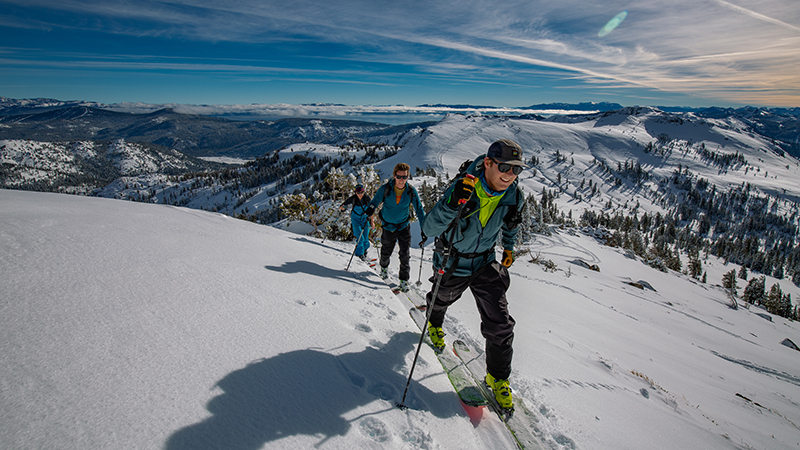
10 Next Steps after your AIARE 1 Avalanche Course
Words by Tim Mincey So you just finished an AIARE 1 course. Congrats! Nice work taking a huge step in your avalanche education, and making yourself a much more valuable…Read the story