How to Get Into Ski Mountaineering
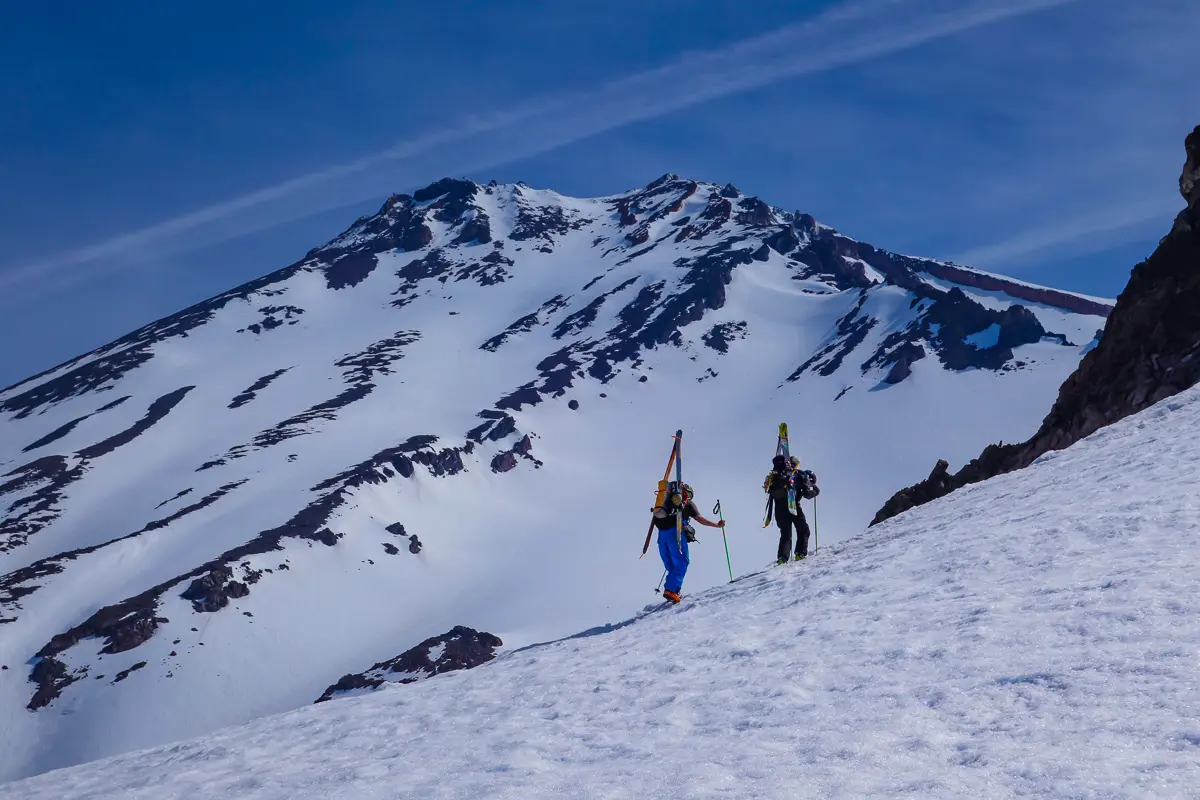
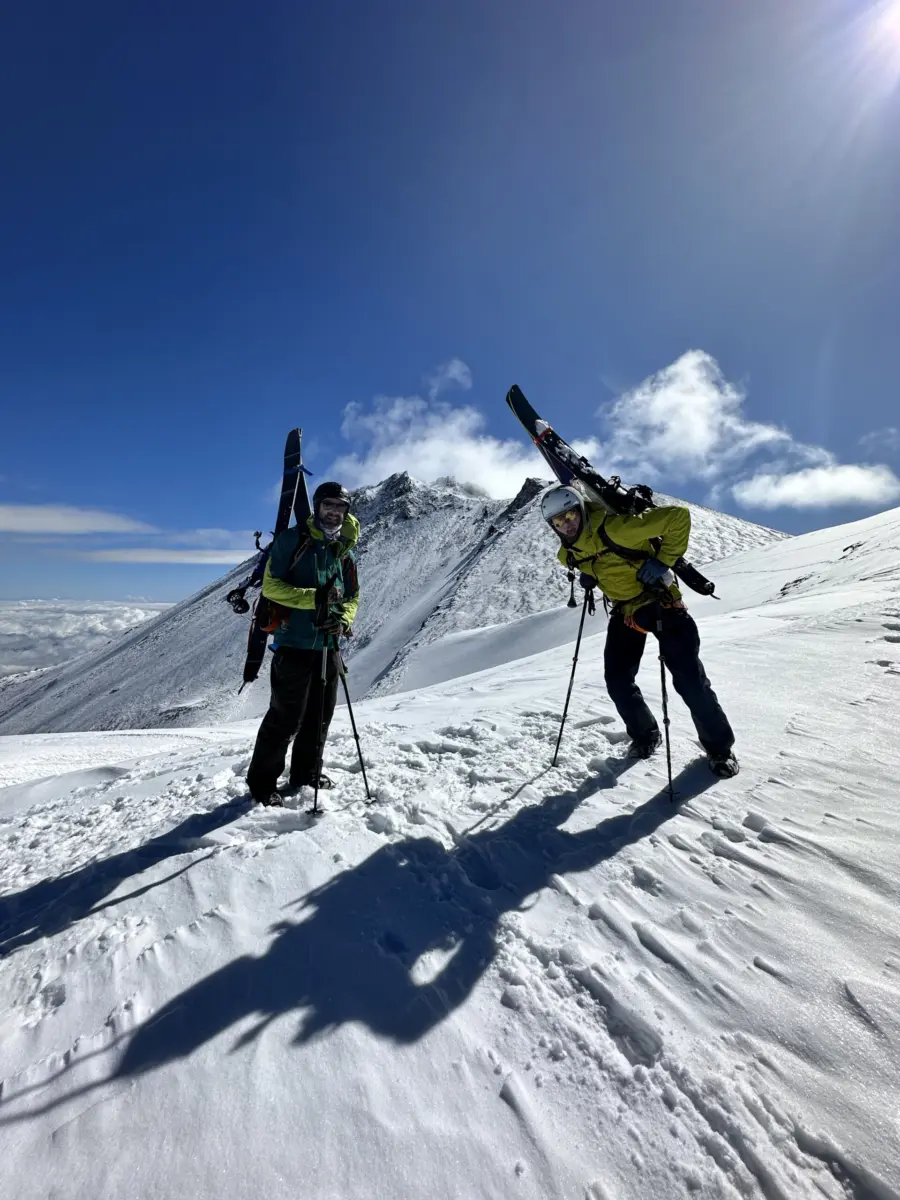
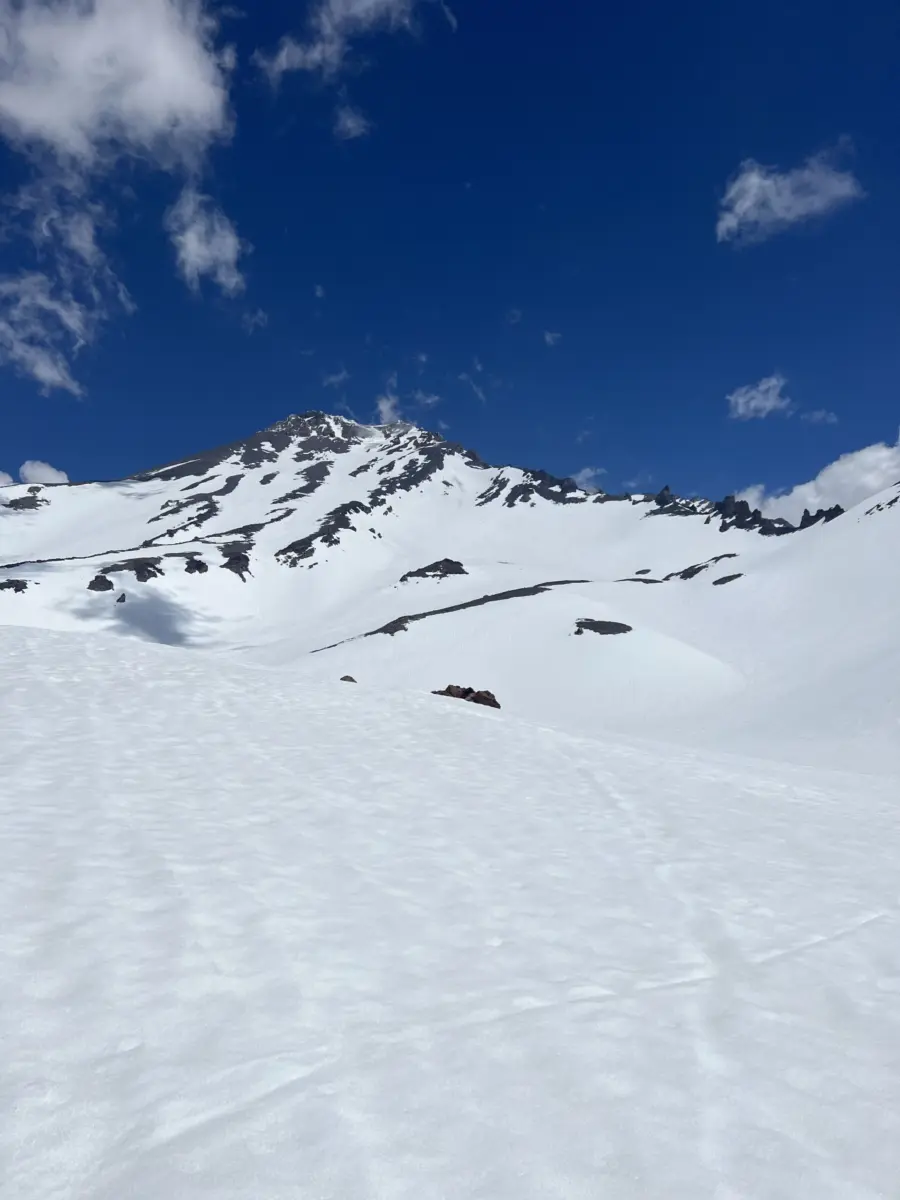
Ski mountaineering sits right at the intersection of two skill sets. You need to move efficiently in the mountains, and you need to be a confident backcountry skier. When those two come together, it opens up terrain that most people will never access on skis.
If you’re looking at ski mountaineering and wondering where to start, the answer is straightforward. Build the two halves separately, then bring them together in the right environment.
Start with Mountaineering Skills
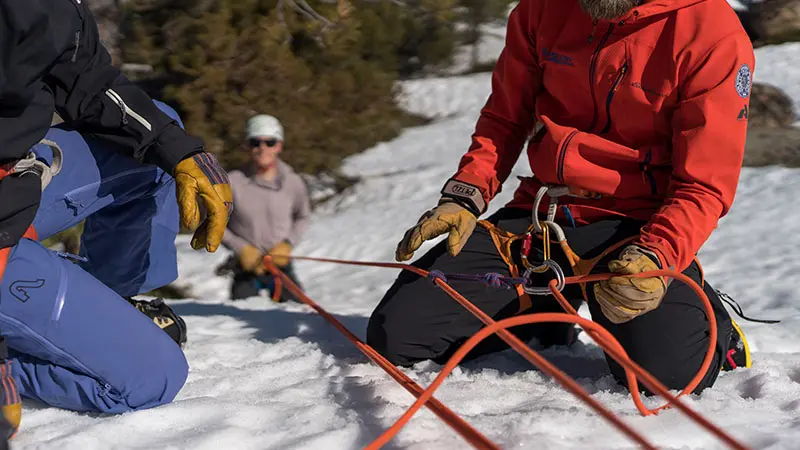
Before adding skis, it helps to understand how to move safely in the mountains on foot. This is where you learn the fundamentals that carry over directly into ski mountaineering.
That includes:
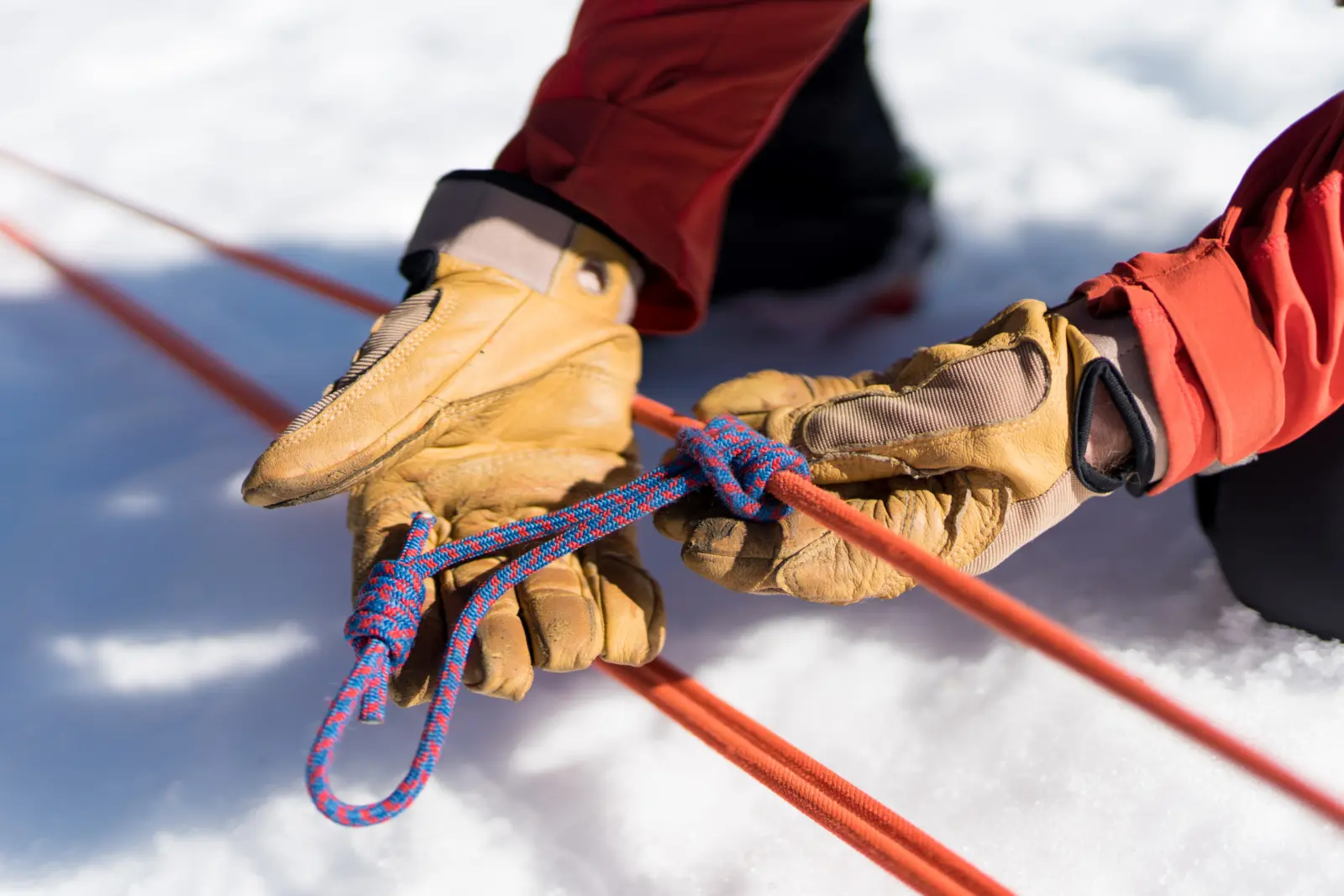
- Using crampons and an ice axe
- Traveling on steep snow and glaciers
- Rope systems and basic crevasse rescue
- Pacing, layering, and decision-making in alpine environments
A strong foundation here makes everything else more manageable once skis are involved.
We run several programs designed to build those skills:
Intro to Mountaineering Course – A focused introduction to the tools and movement required in alpine terrain
5-Day Mountaineering Course on Mt. Shasta – A deeper dive with real mountain application over multiple days
Ecuador Climbing School – High-altitude learning with consistent time on snow and glaciated peaks
Peru Climbing School – A more immersive expedition-style experience in the Cordillera Blanca
These programs are built to give you repetition, structure, and real-world context so you’re not figuring things out for the first time in consequential terrain.
Become a Proficient Backcountry Skier
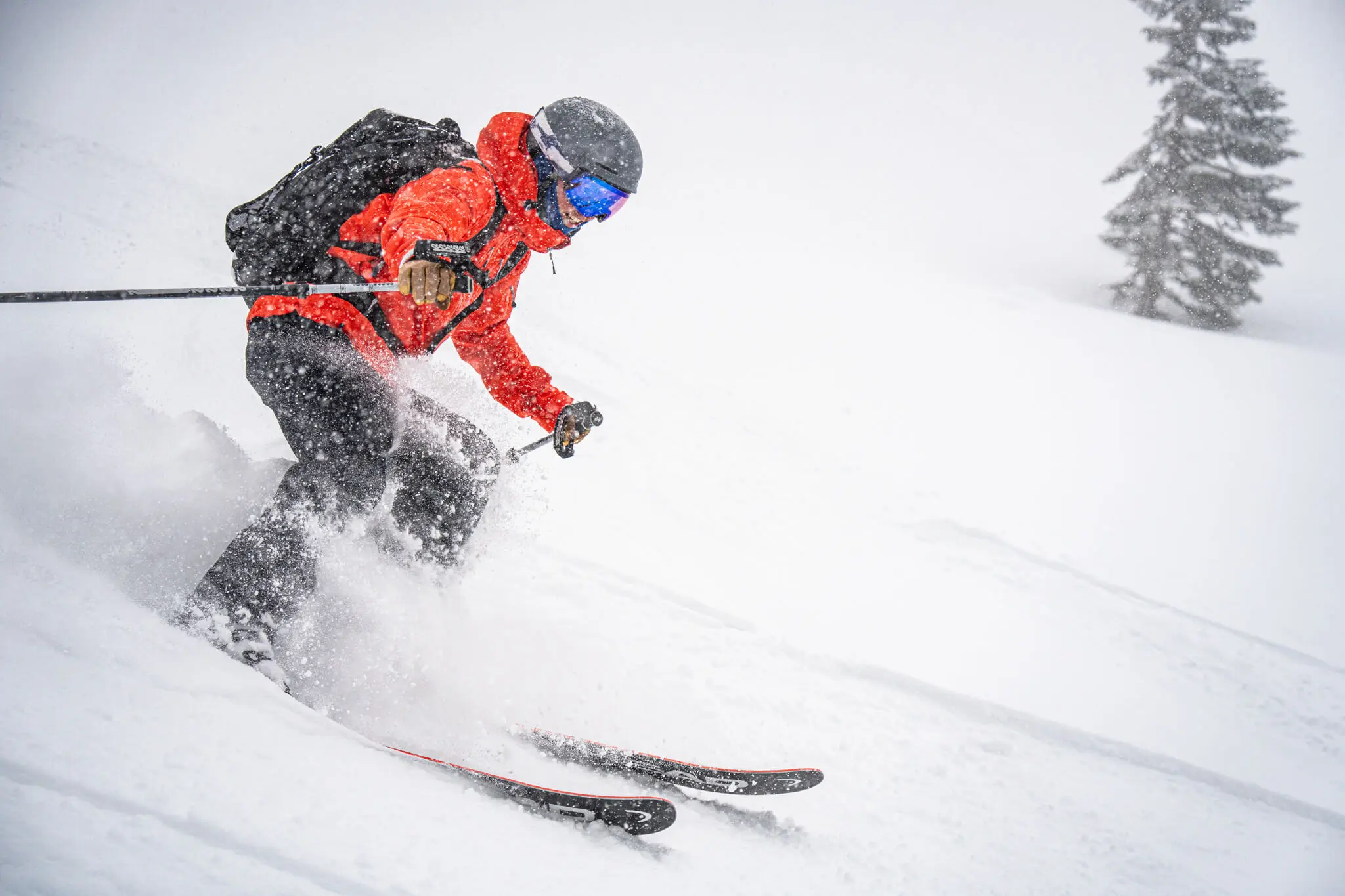
The other half of the equation is skiing. Not resort skiing, but backcountry skiing where you’re responsible for every decision.
Before stepping into ski mountaineering objectives, we recommend:
- At least 25 days of touring experience
- Comfort skiing variable snow in consequential terrain
- Confidence with kick turns, skinning efficiency, and transitions
- Avalanche awareness and terrain management
Ski mountaineering adds exposure, steeper lines, and more complex terrain. You want your skiing to feel automatic so you can focus on the bigger picture.
Bring the Two Together
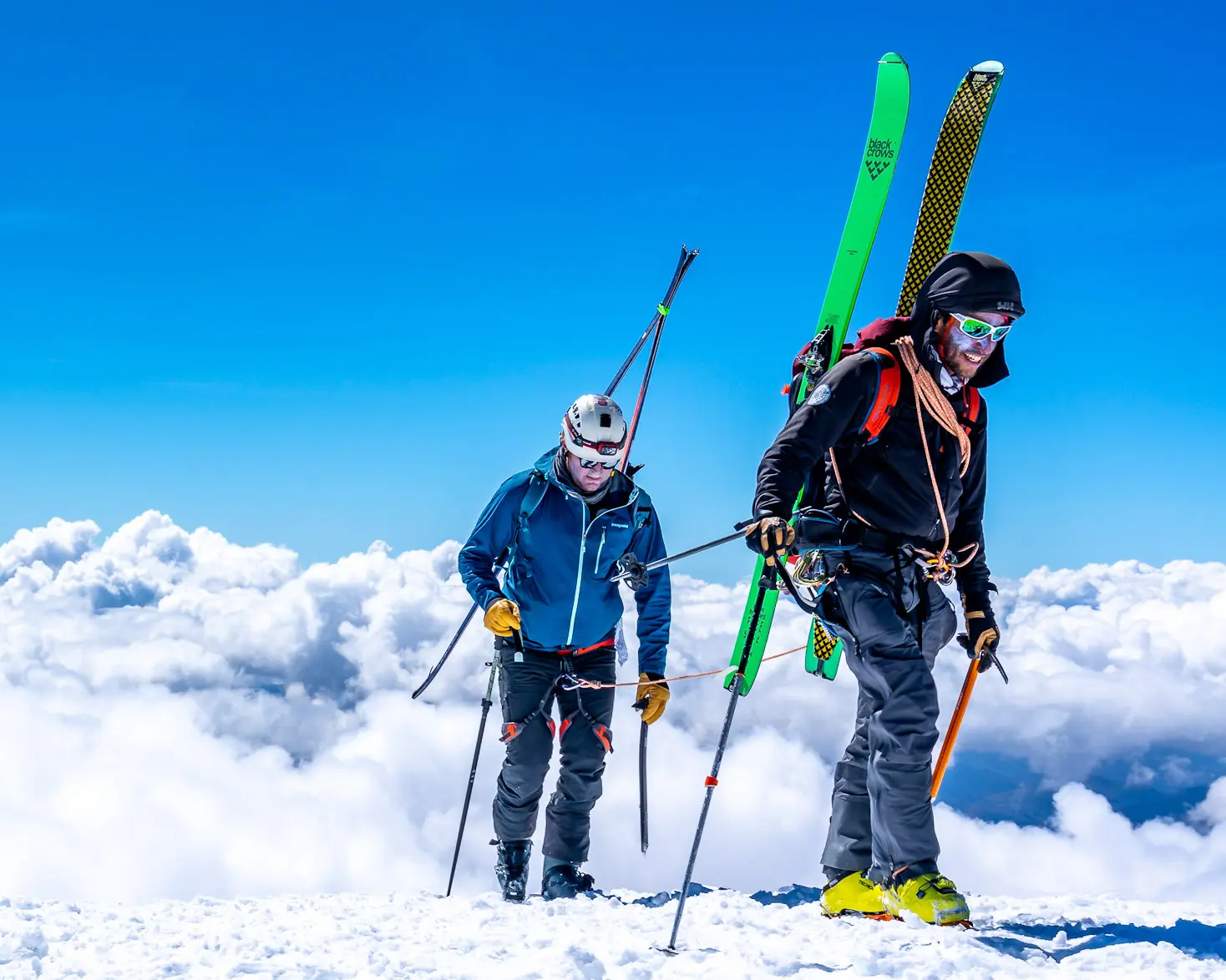
Once you’ve built both skill sets, the next step is combining them in a controlled, guided environment.
This is where things start to click. You’re applying mountaineering movement with skis on your pack, transitioning efficiently, and making decisions in terrain that requires both disciplines.
Two strong options to take that step:
Mt. Shasta West Face Ski (3 Days)
A classic introduction to ski mountaineering. You’ll move through real alpine terrain, manage elevation, and ski a big, aesthetic line. It’s a natural progression if you’ve built your foundation and want to apply it on a well-known objective.
Ecuador Ring of Fire Ski Expedition
If you’re ready to go further, this is where ski mountaineering becomes something bigger. You’re skiing high-altitude volcanoes, linking multiple peaks, and operating in a true expedition environment. It’s a step up in both altitude and commitment, and a chance to see how your systems hold up over time.
Final Thoughts
Ski mountaineering rewards preparation. The more solid your foundation, the more you’ll get out of it.
Start by learning how to move in the mountains. Build real backcountry skiing experience. Then bring those skills together in terrain that demands both.
If you want to accelerate that process, training with us gives you structure, feedback, and access to terrain that’s hard to navigate on your own. Whether it’s your first time using crampons or your first ski mountaineering objective, we’ll meet you where you’re at and help you take the next step.
Learn Ski Mountaineering with us
Mount Shasta Ski
Intro to Mountaineering Course
Private Ski Guiding In Lake Tahoe
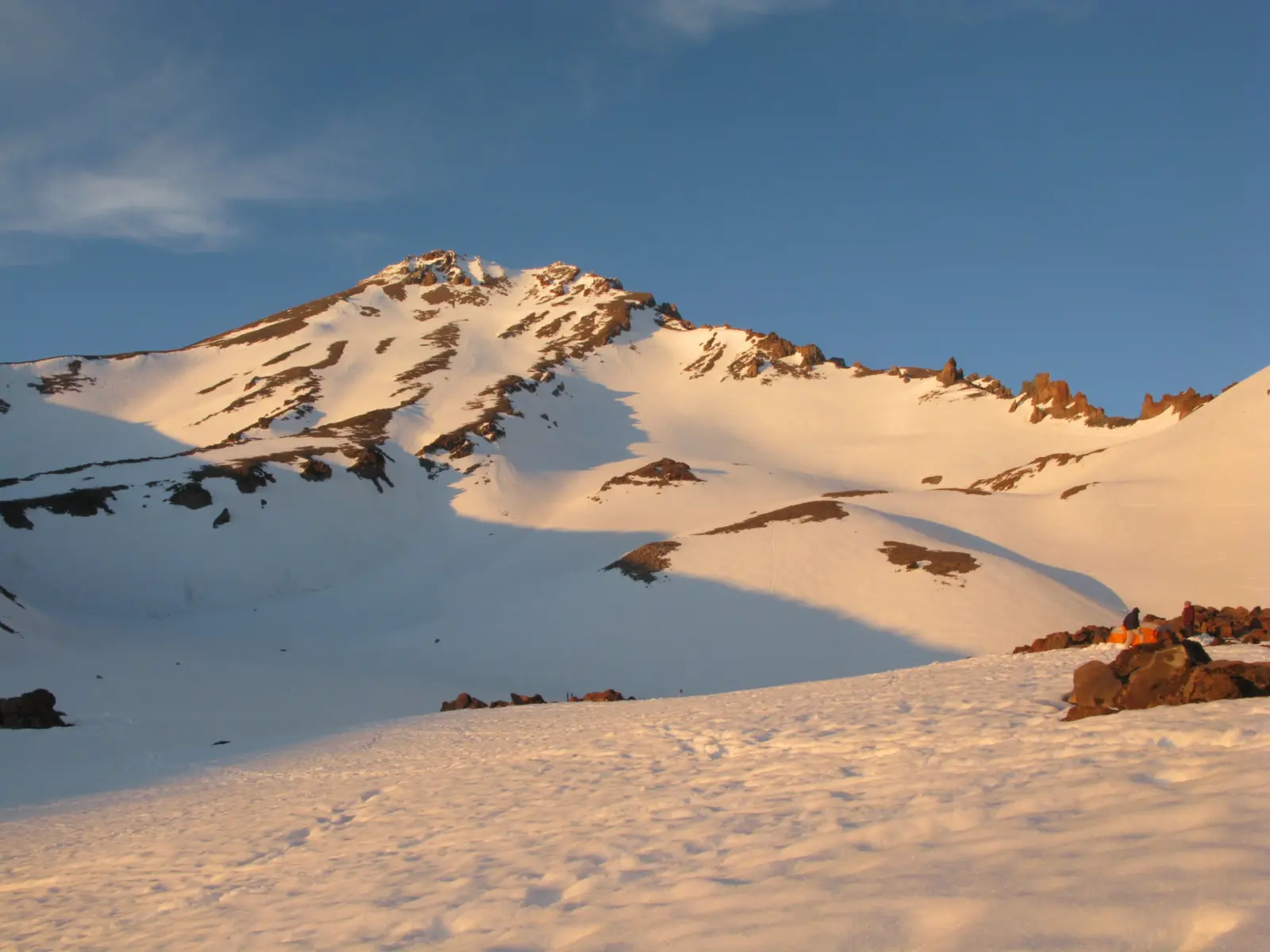
Mount Shasta Mountaineering School
Keep Reading About
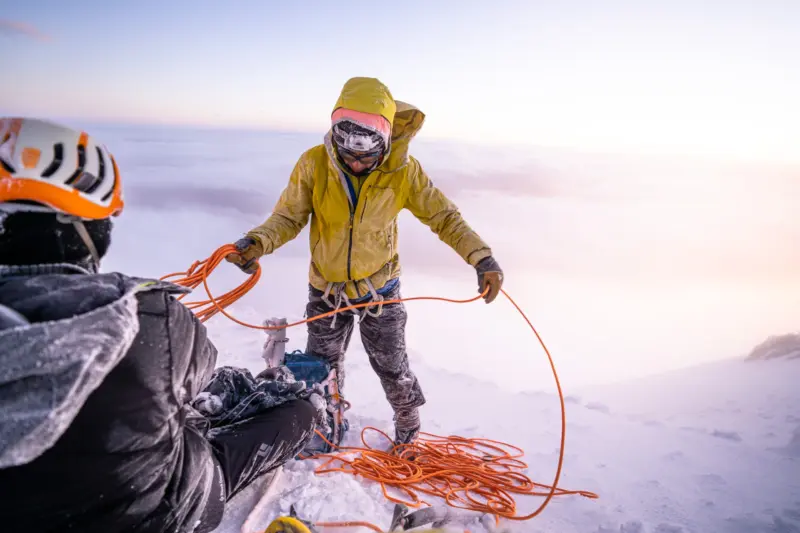
“Give Yourself the Time”: Graduating from Trekking to Climbing with Topo Mena
While ‘walking’ may sound trivial, a number of big mountains involve a lot of walking, albeit in extreme places. To talk about the journey, we connected with IFMGA-certified Alpenglow guide Esteban ‘Topo’ Mena about graduating from trekking to climbing. For beginners, he had this advice to offer: “At first, it’s important to give yourself the time to walk in the mountains and appreciate the land and the opportunity to just be there.”Read the story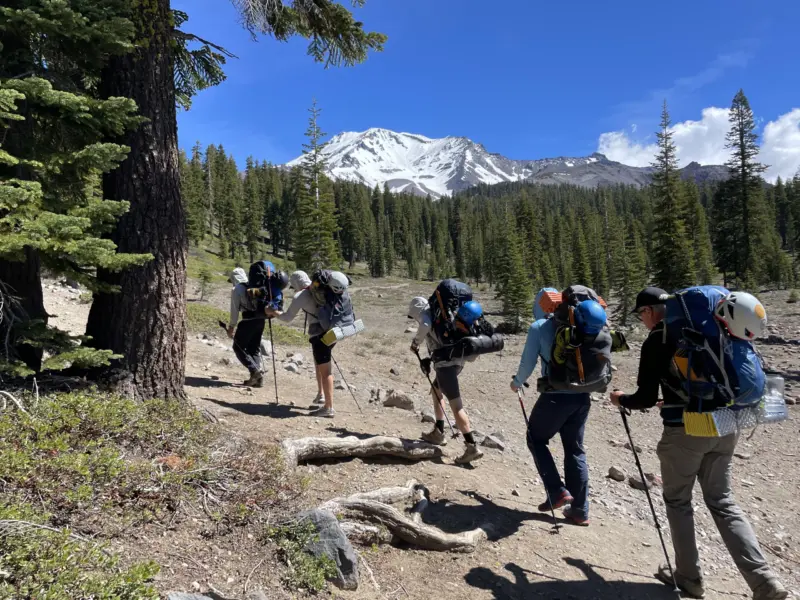
A Beginner’s Guide To Climbing Mount Shasta
Alpenglow Expeditions’ Guides answer all of your questions about climbing Mount Shasta. Join a Shasta trip to learn mountaineering with us!Read the story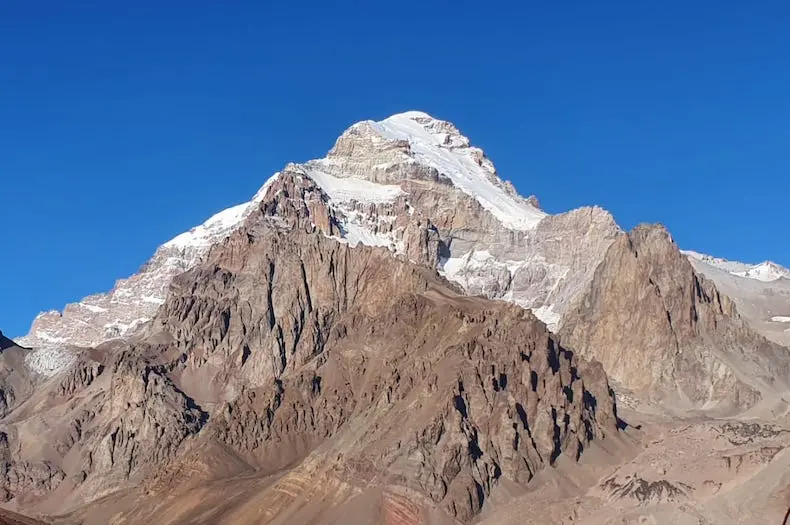
A Brief History of Aconcagua
Aconcagua, standing at 22,831’/6,959m, is the highest peak in the Americas and one of the Seven Summits. Its history is rich and multifaceted, beginning with the indigenous cultures that inhabited the region long before modern mountaineers arrived. Today, it’s a popular peak forintermediate climbers to break into 7,000m, and an excellent step on the way to preparing for Mt. Everest.Read the story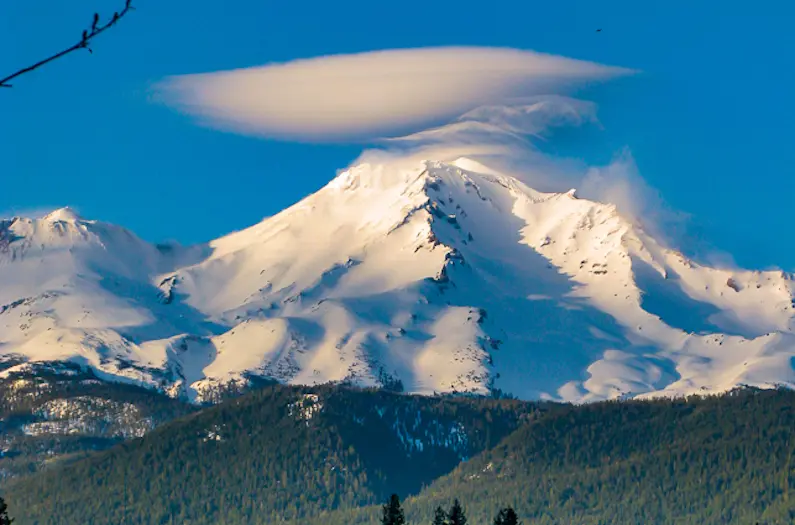
A Brief History of Mt. Shasta
Mount Shasta, a pinnacle of beauty and grandeur in Northern California’s landscape, boasts a history as intriguing as its rugged slopes. From its volcanic birth to indigenous reverence to challenges faced by early climbers, the mountain’s story is one of geological wonder and human endeavor. Today, it’s a place revered by countless climbers, skiers, and those who simply admire the mountain’s natural beauty.Read the story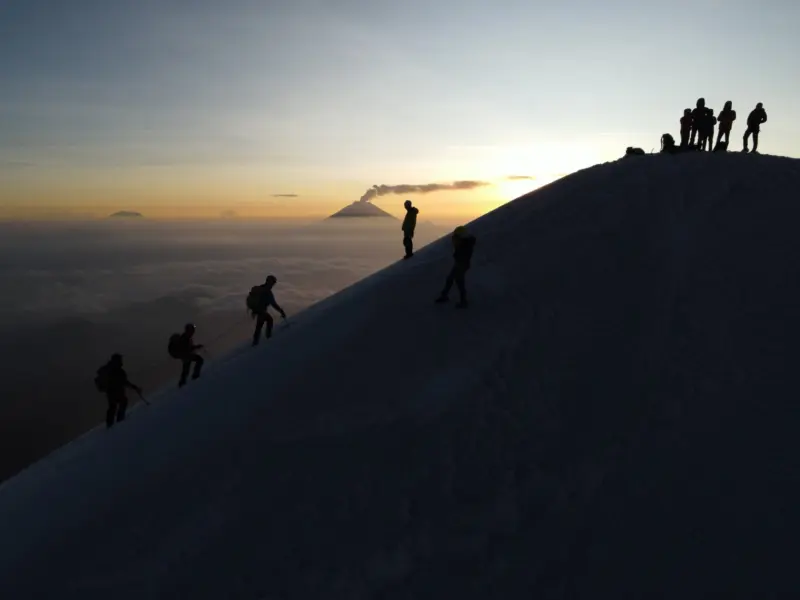
Are You Ready for an International Ski Expedition?
Most backcountry skiers reach a point where the local terrain starts to feel familiar in a way that’s hard to describe. The challenge is still there, but something has shifted. The mountain has become known. That feeling is worth paying attention to, because it usually means something: you’re ready to go somewhere else.Read the story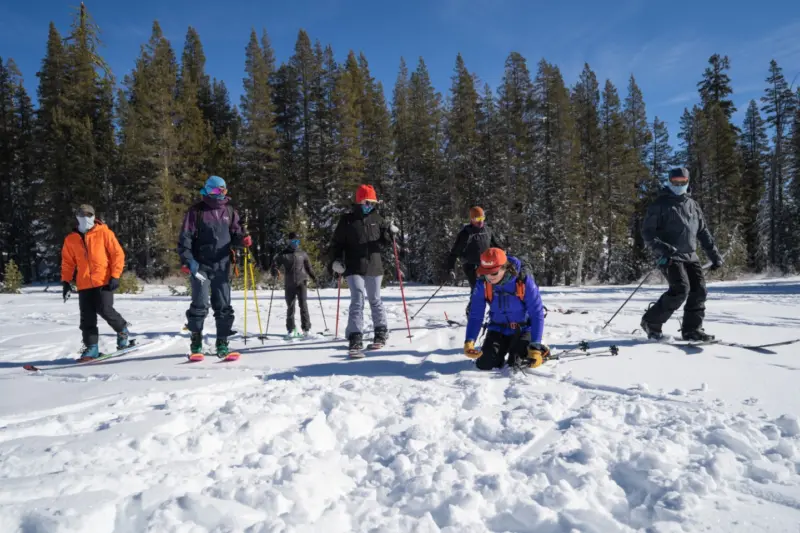
BEFORE AND AFTER THE AIARE 1: THE BACKCOUNTRY SERIES
Read the story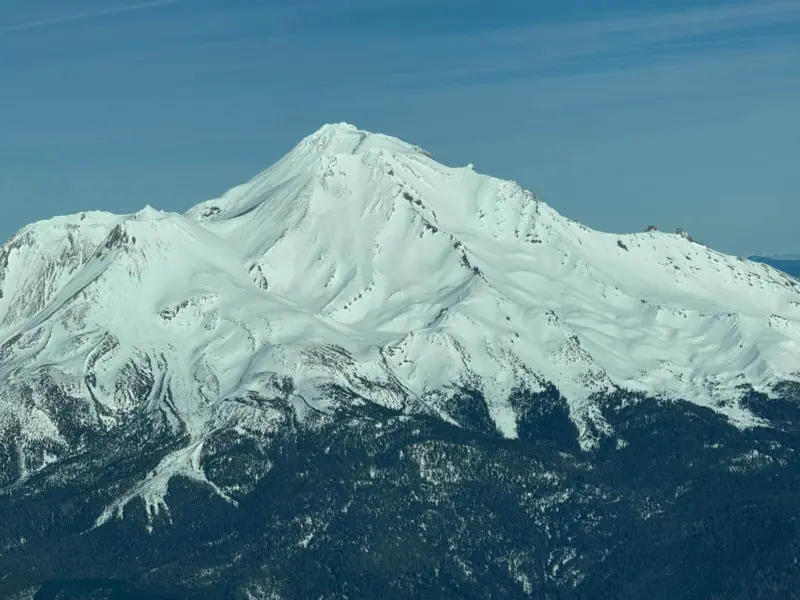
Big Mountain Dreams? Start on Shasta!
Alpenglow Expeditions’ owner and founder, Adrian Ballinger, recently went on a flight around Northern California on a scoping mission. He was met with sweeping panoramic (and snowy!) views of one of the more impressive volcanoes in the Cascade Range: Mt. Shasta. With over 7,000 feet of vertical relief from trailhead to summit, this peak is a phenomenal location for climbers of all experience levels. Whether this is your first glaciated peak or a party lap you take with your friends on skis every year, the mountain’s beauty–and challenge–is undeniable.Read the story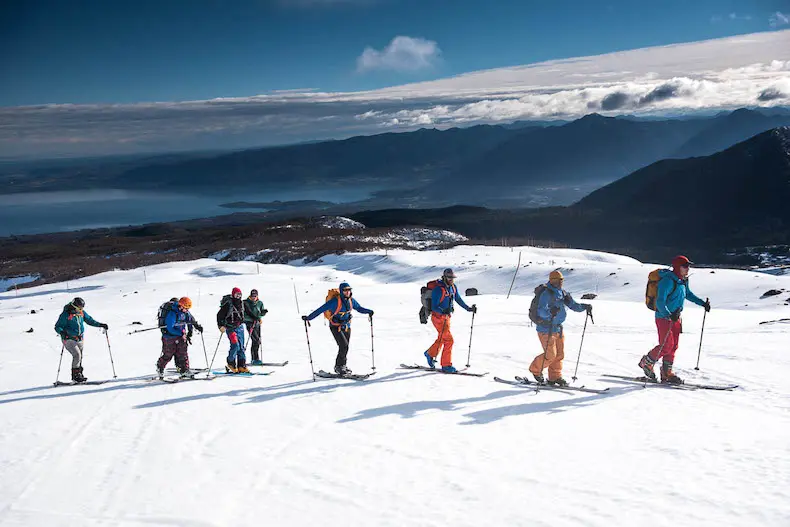
Breaking Down Alpenglow’s Backcountry Ski Expeditions
We offer three distinct backcountry ski & ride expeditions to cater to a wide variety of backcountry enthusiasts. Below, we’ll break down the three expeditions: the Ecuador Ring of Fire, the Japan Backcountry Ski, and the Chile Backcountry Ski Expedition.Read the storyChile Volcanoes vs. Patagonia: Which Ski Expedition is Right for You?
If you’re looking for a ski adventure that goes beyond resort boundaries, South America delivers in a big way. Alpenglow Expeditions offers two unique trips—Volcanoes of Chile and Patagonia Backcountry Ski Expedition—both packed with huge terrain, world-class ski mountaineering, and cultural experiences that make the journey as memorable as the skiing itself. But which one is right for you? Let’s break it down.Read the story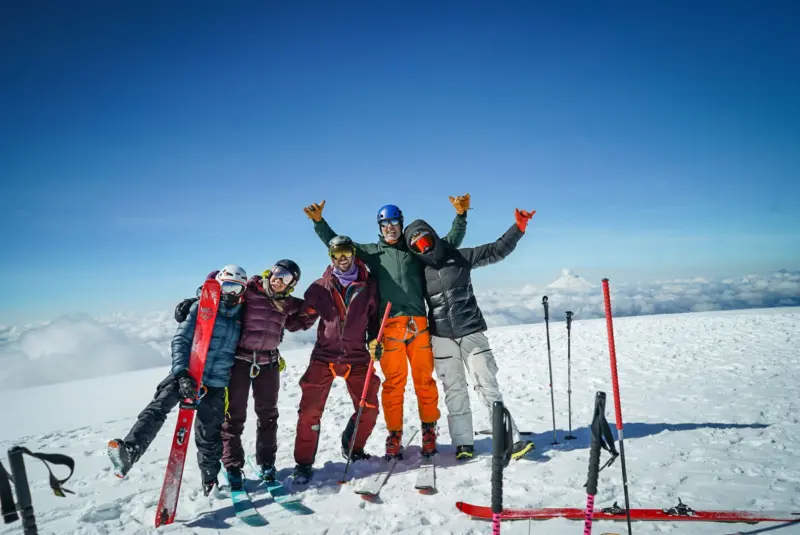
Courses & Trips To Learn Ski Mountaineering
So you’re looking to go from backcountry skier or splitboarder to stepping into bigger, steeper terrain? Here are the courses and trips that we offer that will help you do just thatRead the story