Are You Ready for an International Ski Expedition?
Most backcountry skiers reach a point where the local terrain starts to feel familiar in a way that’s hard to describe. That feeling is worth paying attention to, because it usually means something: you’re ready to go somewhere else.
Alpenglow’s international ski expeditions exist for exactly this moment. But they aren’t interchangeable, and “ready” means something different on each of them. What follows is an honest breakdown of all five programs: what makes each one worth doing, what kind of skier it’s built for, and what you should genuinely have under your belt before you show up.
Note: All of our international ski expeditions are made for intermediate/advanced skiers who are comfortable off-piste in a variety of conditions and have 10-20+ days of backcountry skiing.
A Note on Guides Before We Start
Every one of these expeditions is led by IFMGA or AMGA-certified guides, which is a standard that most guide services in the United States have never required. It matters here because the terrain is consequential, the logistics are complex, and having a guide who has spent years in these specific mountains changes the quality of every single day. Alpenglow was the first major guide service in the US to require this certification across the board, and it’s one of the things that separates these programs from anything else on the market.
Patagonia / Cerro Castillo
Location: Cerro Castillo, Chile
Length: 8 days
Who it’s for: If you’ve been backcountry skiing for a few seasons and feel comfortable on variable terrain, Patagonia is the most accessible entry point into international ski mountaineering that Alpenglow offers. You don’t need a mountaineering resume. You do need fitness, comfort on steeper terrain, and a genuine appetite for remote environments.
What makes it singular: This expedition was hand-built by lead guide Gaspar Navarrete and experienced Patagonia skier Diego Saez Beros, two longtime guides and ski partners who have spent years exploring the Andes.
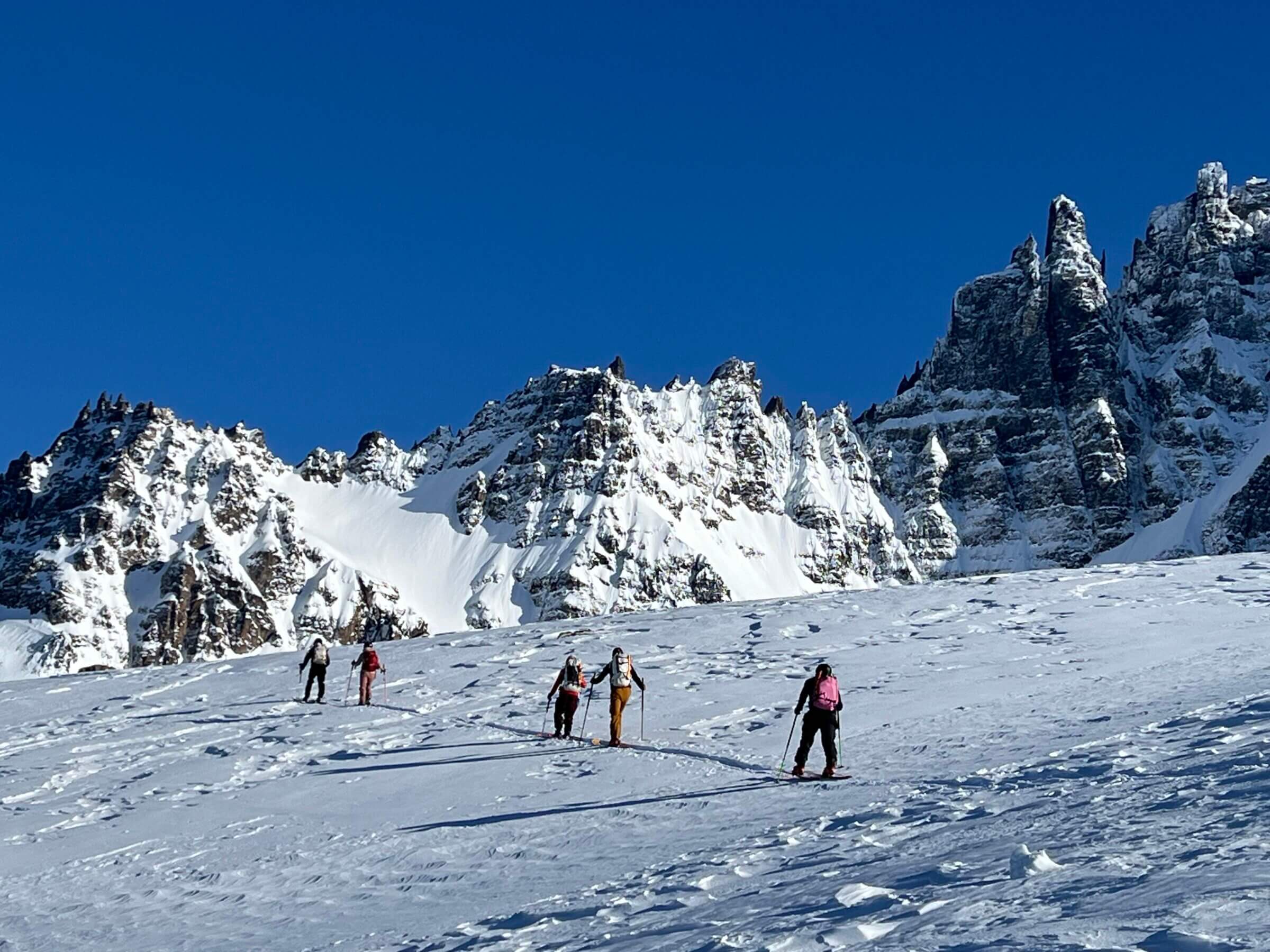
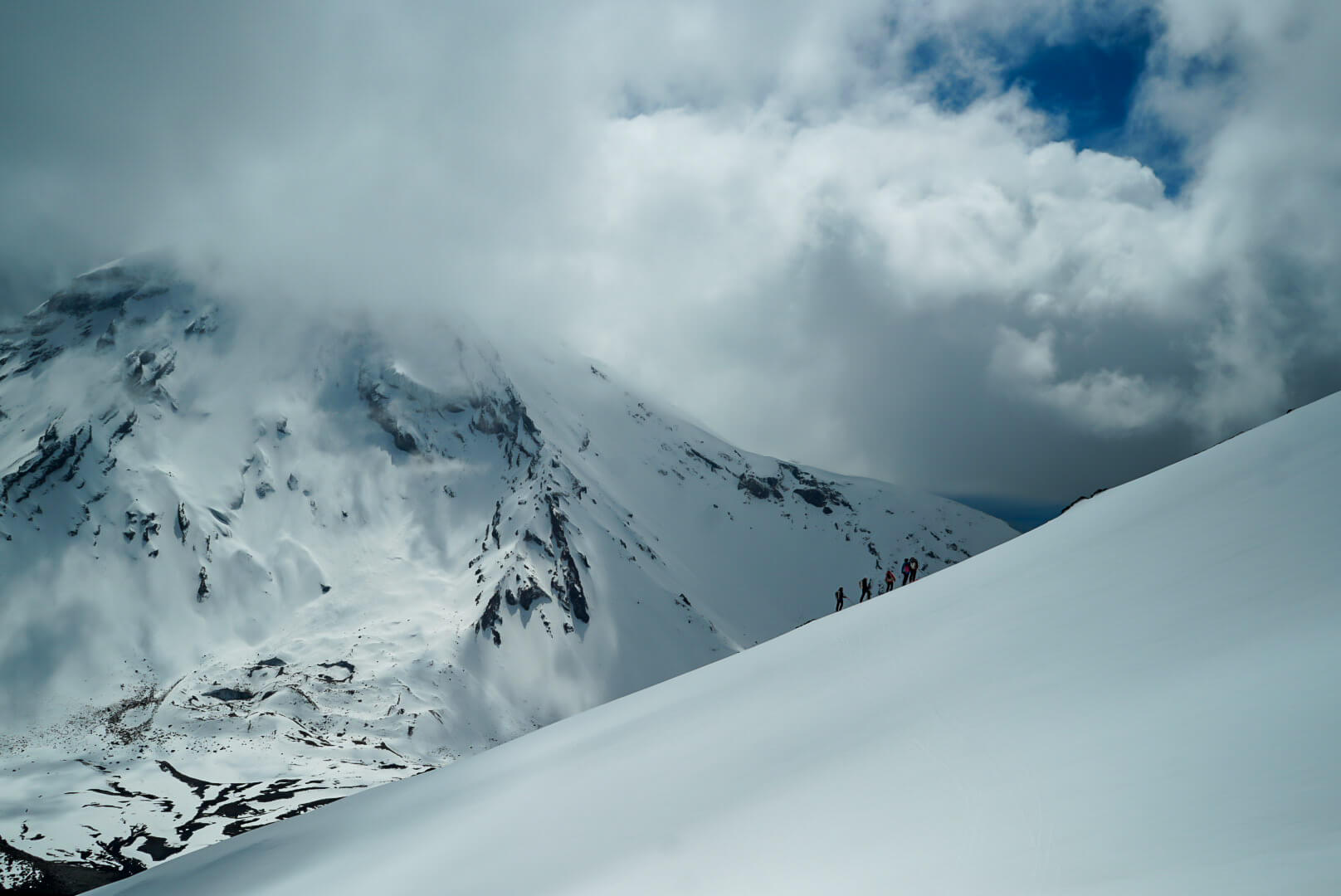
The base of operations is the tiny village of Cerro Castillo in Chilean Patagonia, where the terrain outside the lodge door ranges from wide alpine bowls to technical couloirs off the Cerro Castillo massif.
There are no chairlifts, no resort infrastructure, and very few other people. Each day, the guides evaluate conditions in real time and choose the best objective accordingly.
The night ends with a traditional Asado, a slow-cooked lamb BBQ with local farmers, music, and Chilean wine. It’s a rare combination of serious skiing and genuine cultural access, and it’s the kind of trip that doesn’t feel like anything else.
What you need coming in: Solid backcountry skiing experience on variable snow. Comfort with crampons, ice axes, and mountaineering-style approaches. Good physical conditioning. A tolerance for uncertainty in the service of great skiing.
Volcanoes of Chile
Location: Lake District, Chile
Expedition Length: 9 Days
Who it’s for: This program is for experienced backcountry skiers and splitboarders who want big vertical, a true expedition feel, and the particular satisfaction of skiing down a massive volcano. Days involve 5,000 feet or more of climbing, and the terrain demands both technical skiing ability and comfort with crampons, ice axes, and steep variable snow.
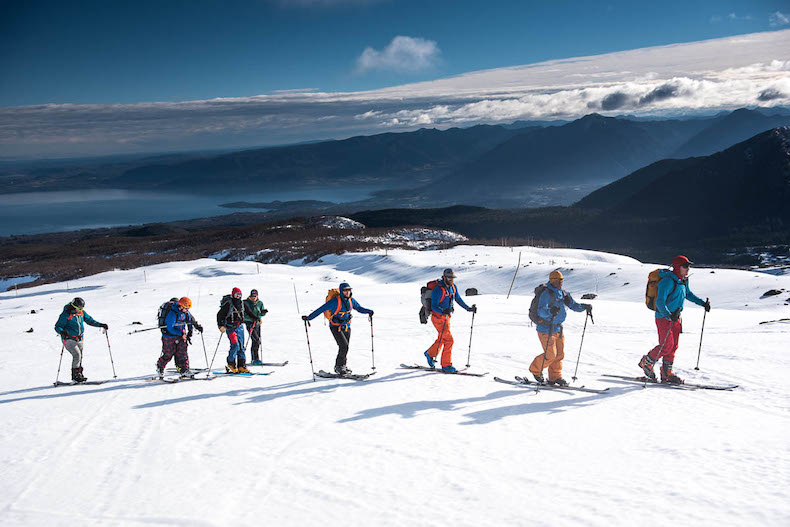
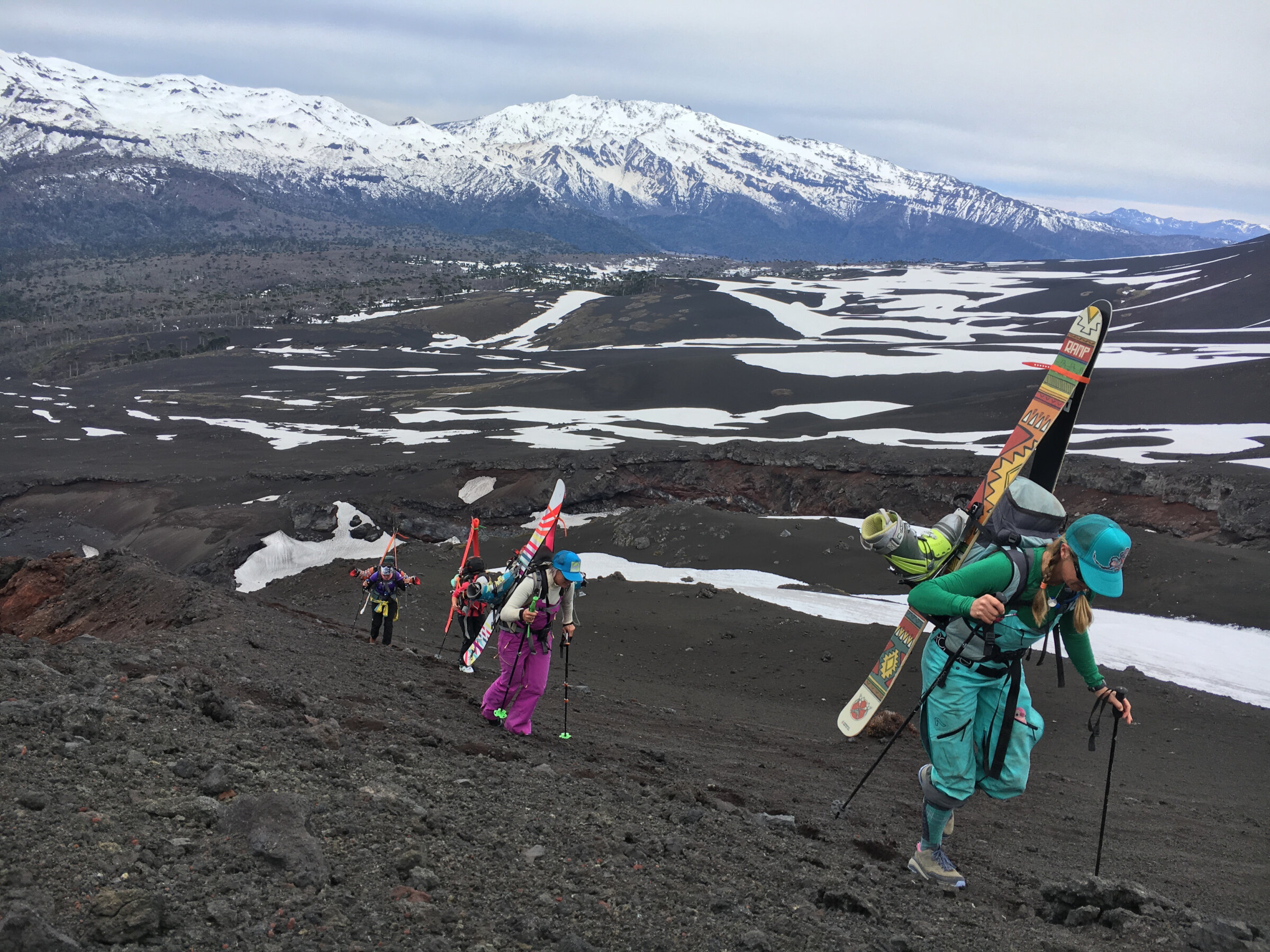
What makes it singular: The volcanoes of southern Chile — Villarrica, Lonquimay, Llaima, Lanín — are unlike any ski objective in the northern hemisphere.
The lines are wide and steep, the terrain is otherworldly, and the views are 360-degree panoramas of a landscape that looks like it was designed to be skied. Corn snow is the dominant condition, and on a good day it is as close to perfect as spring skiing gets.
After a full day on the mountain, the itinerary includes natural volcanic mineral hot springs and farm-fresh Chilean food. The expedition’s 4×4 support and Alpenglow’s pre-built local logistics eliminate the time wasted between objectives, so the ratio of skiing to logistics is as high as it can possibly be.
What you need coming in: Multi-day ski tour experience. Confidence on steep, variable terrain. Familiarity with crampons and ice axes. Strong cardiovascular fitness for sustained vertical days.
Georgia Ski Expedition
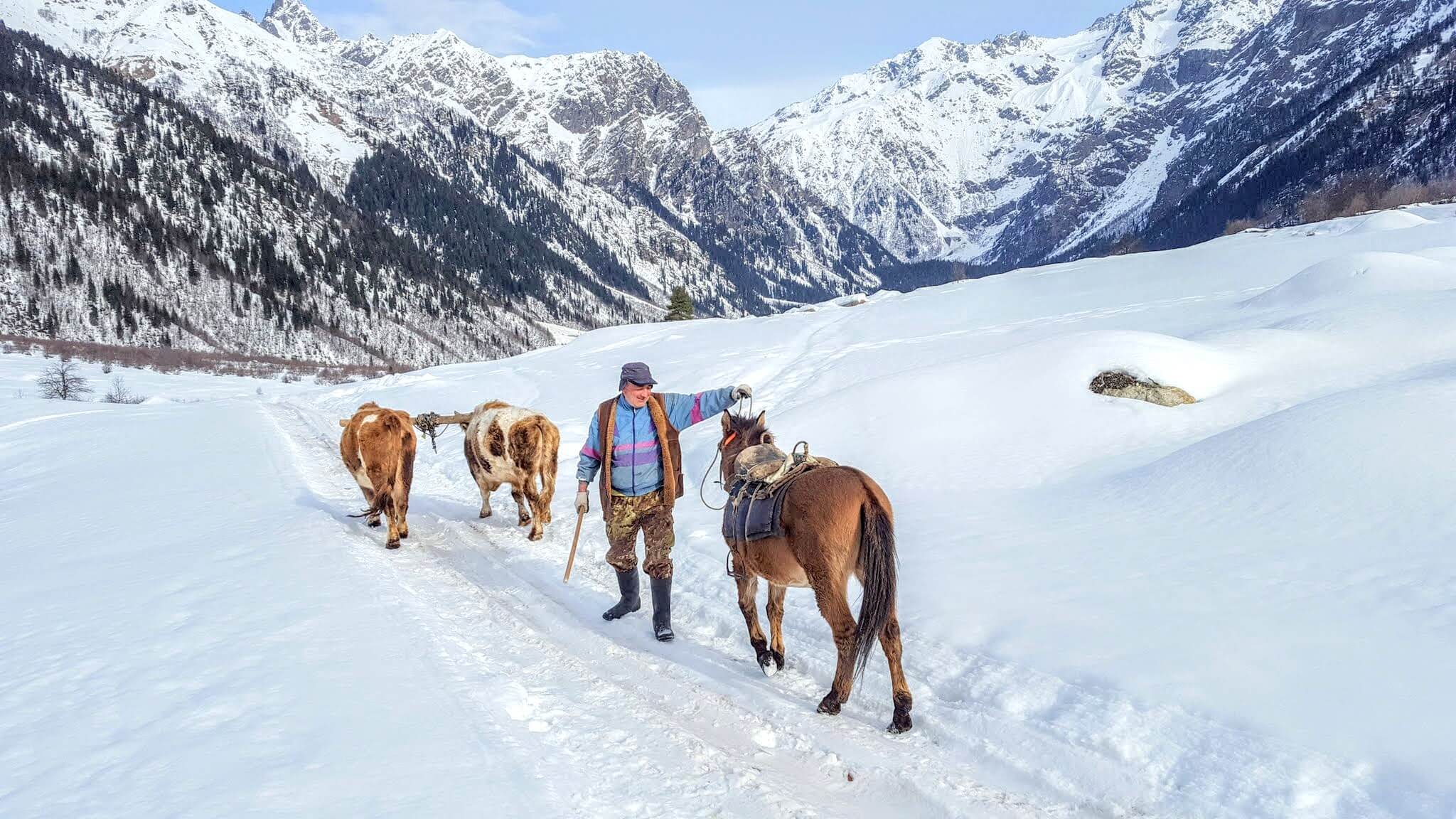
Location: Republic of Georgia
Length: 11 days
Who it’s for: Intermediate to advanced skiers with a solid base of backcountry experience who want to ski a serious range that almost no one back home has touched. You need real fitness for touring days of 3,000 to 5,000 vertical feet, comfort on steep and variable snow, and prior use of ski crampons. Splitboarders are welcome.
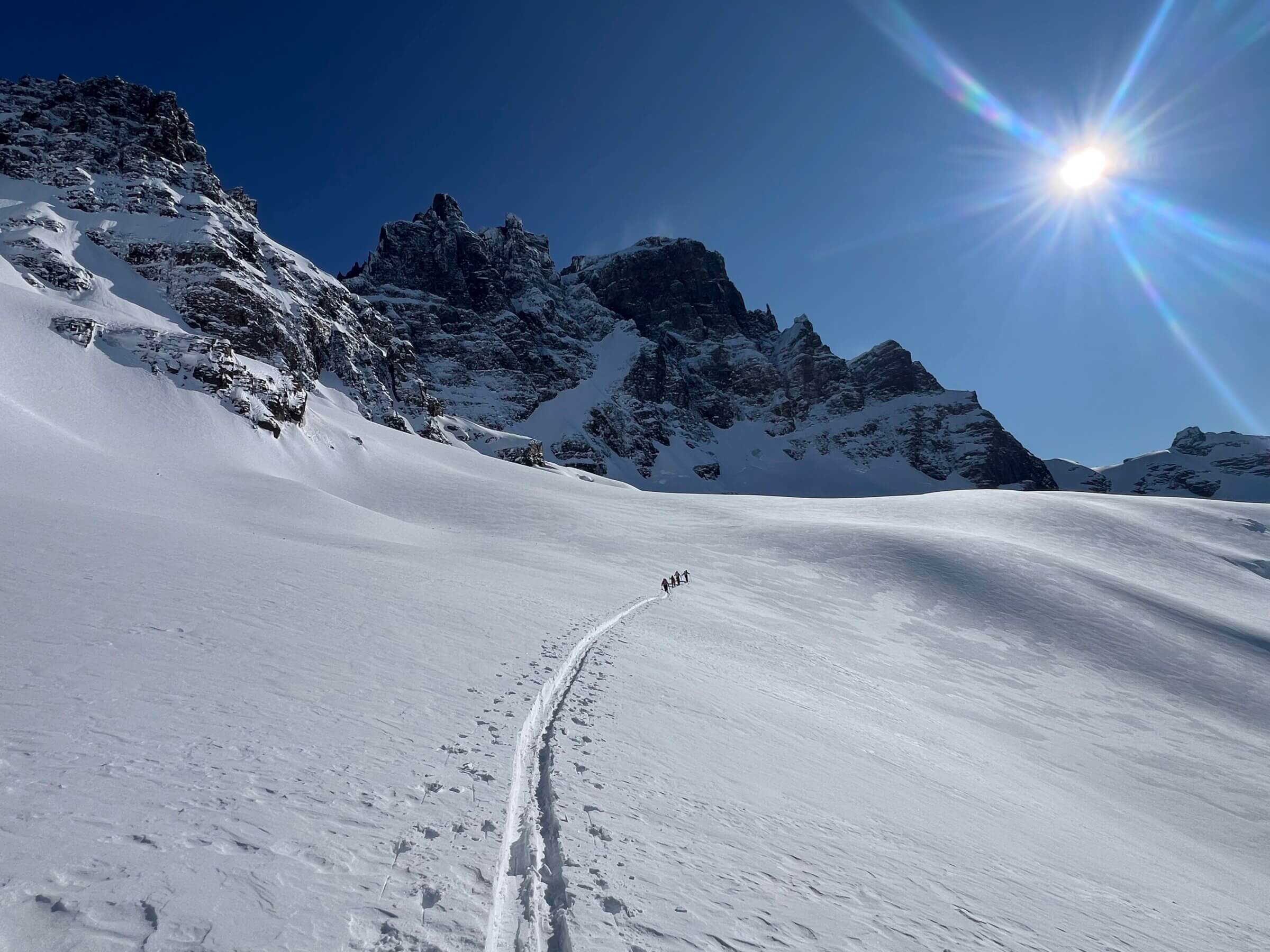
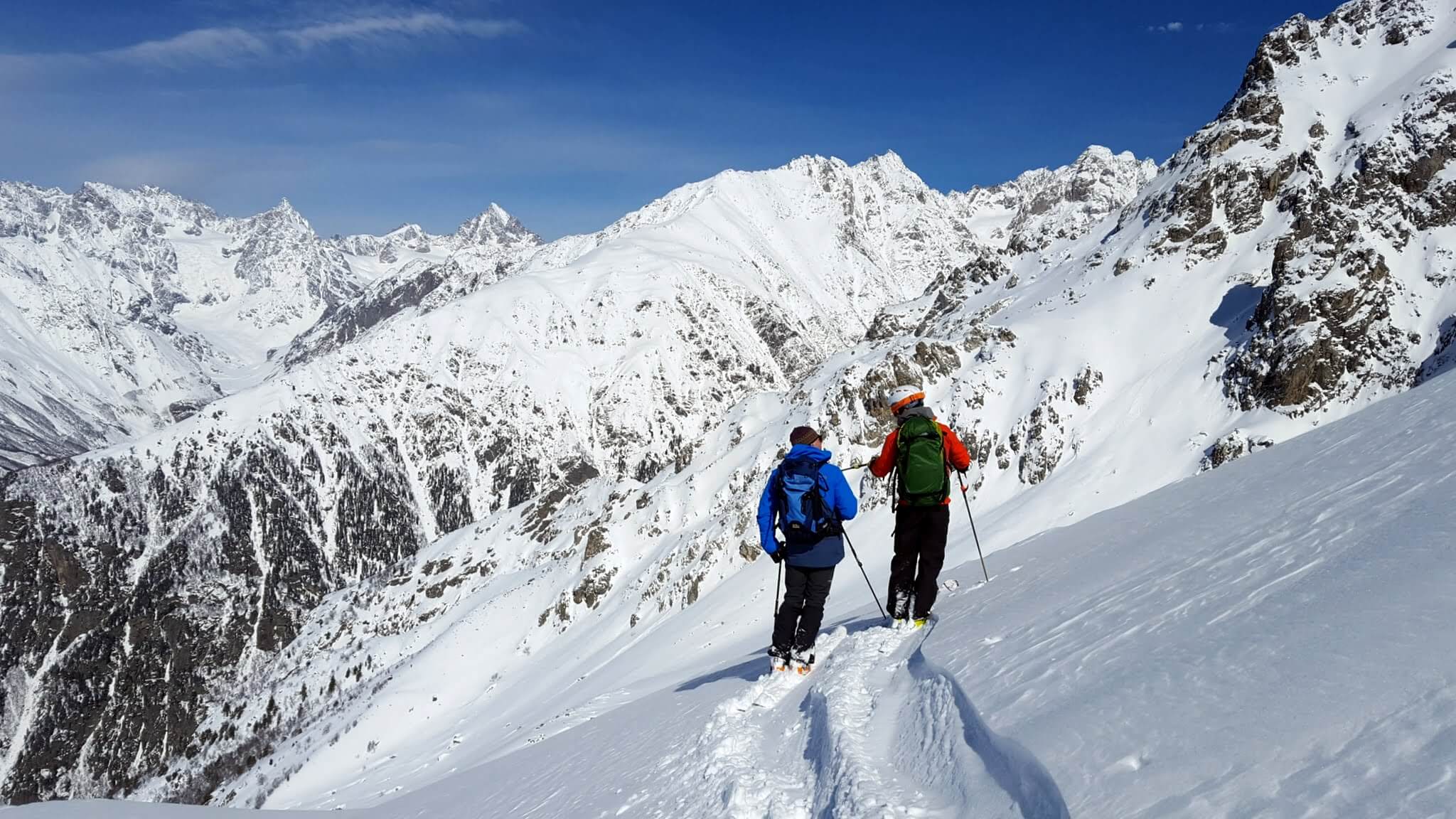
What makes it singular: Svaneti sits on the southern flank of the Caucasus, a range that holds glaciated peaks above 15,000 feet and a deep snowpack fed by moisture rolling in off the Black Sea. The trip is based in Mestia, a mountain town ringed by Caucasus peaks and stone Svan towers that date back to the 9th century. From there you ski lift-served laps at Tetnuldi, whose summit reaches 15,938 feet, tour beneath the pyramid of Mount Ushba, and spend two nights in Ushguli, a UNESCO World Heritage village and one of the highest continuously inhabited settlements in Europe. Evenings come with Georgian food, a fireplace, a Finnish sauna back at Hotel Posta in Mestia, and wine from a country with a winemaking tradition that runs back 8,000 years. The guides make the daily call on where to ski, so the plan moves with the conditions.
What you need coming in: A minimum of 10 days of backcountry ski touring in varied conditions. Confident downhill skiing on variable, wind-affected, and spring snow. Prior use of ski crampons, with ice axe and boot crampon skills strongly recommended. Strong cardiovascular fitness for sustained touring days.
Bolivia Backcountry Ski Expedition
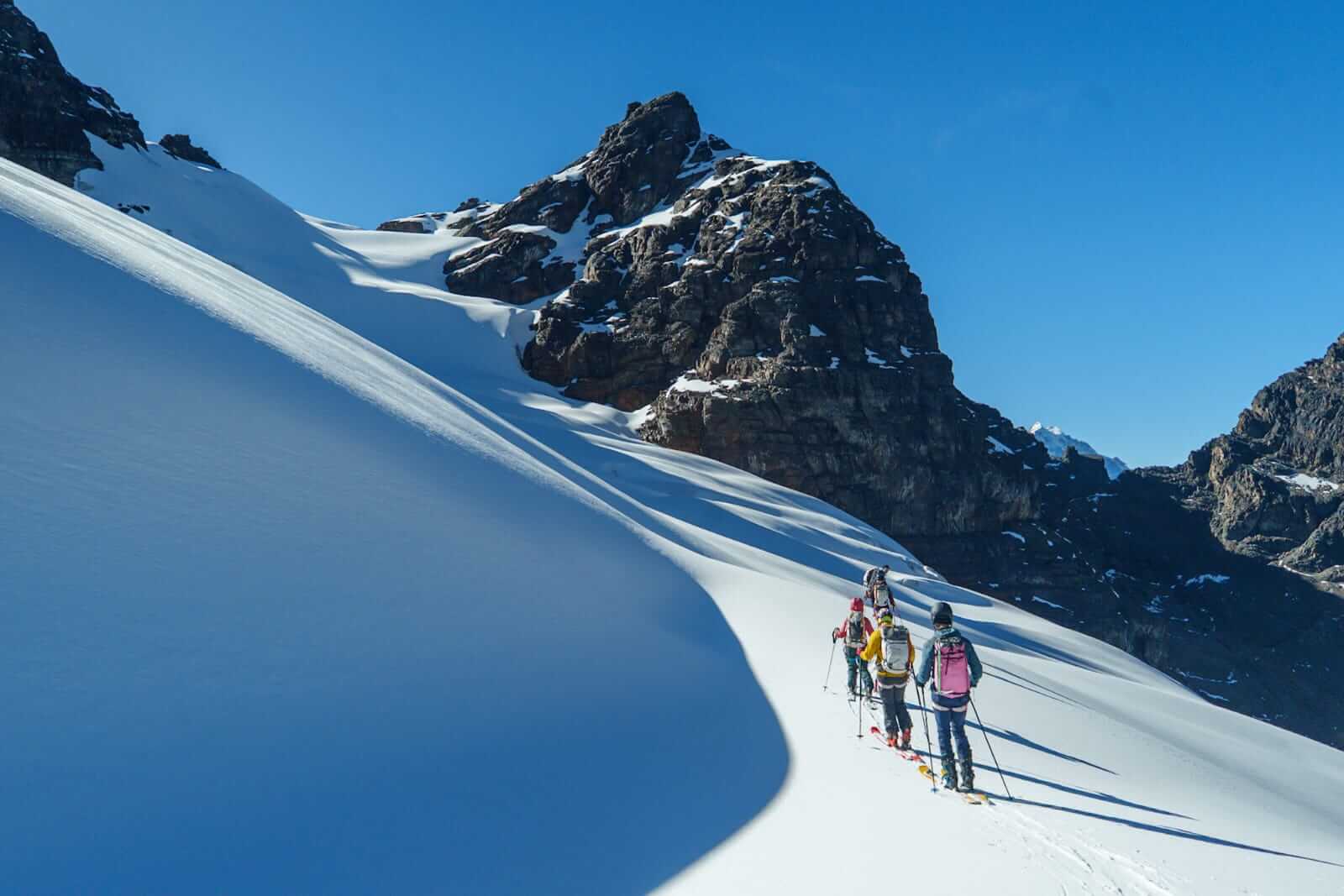
Location: Cordillera Real and Sajama National Park, Bolivia
Length: 14 days
Who it’s for: This is the highest-altitude ski expedition Alpenglow offers, built for advanced backcountry skiers and riders ready to step into serious ski mountaineering. You should be very comfortable on terrain up to 45 degrees and able to ski smoothly across a range of snow conditions. No prior altitude experience is necessary, because the itinerary acclimatizes you carefully from the first day.
What makes it singular: Bolivia is one of the least-visited ski mountaineering destinations on earth, and this 14-day expedition moves from the glaciated peaks of the Condoriri massif to the volcanic plateau of Sajama National Park. You ski four peaks, including Acotango at 19,860 feet and Parinacota at 20,850 feet, one of the highest skiable volcanoes in the world, with a long sustained descent above the Atacama Desert and a sea of Andean peaks. The first days are spent acclimatizing through the Tiwanaku ruins, Lake Titicaca, and Isla del Sol, so the culture is woven into the climb. The team runs a maximum 3:1 guest-to-guide ratio, with high-end lodging at the Hotel Ritz in La Paz, a trained expedition cook, llamas carrying loads to base camp, and natural hot springs in Sajama for a rest day at altitude.
What you need coming in: A minimum of 10 days of backcountry touring. Comfort on steep terrain up to 45 degrees and smooth skiing in variable snow. Excellent physical condition built over months of structured training. Previous ski mountaineering experience is highly recommended.
Ecuador Ring of Fire
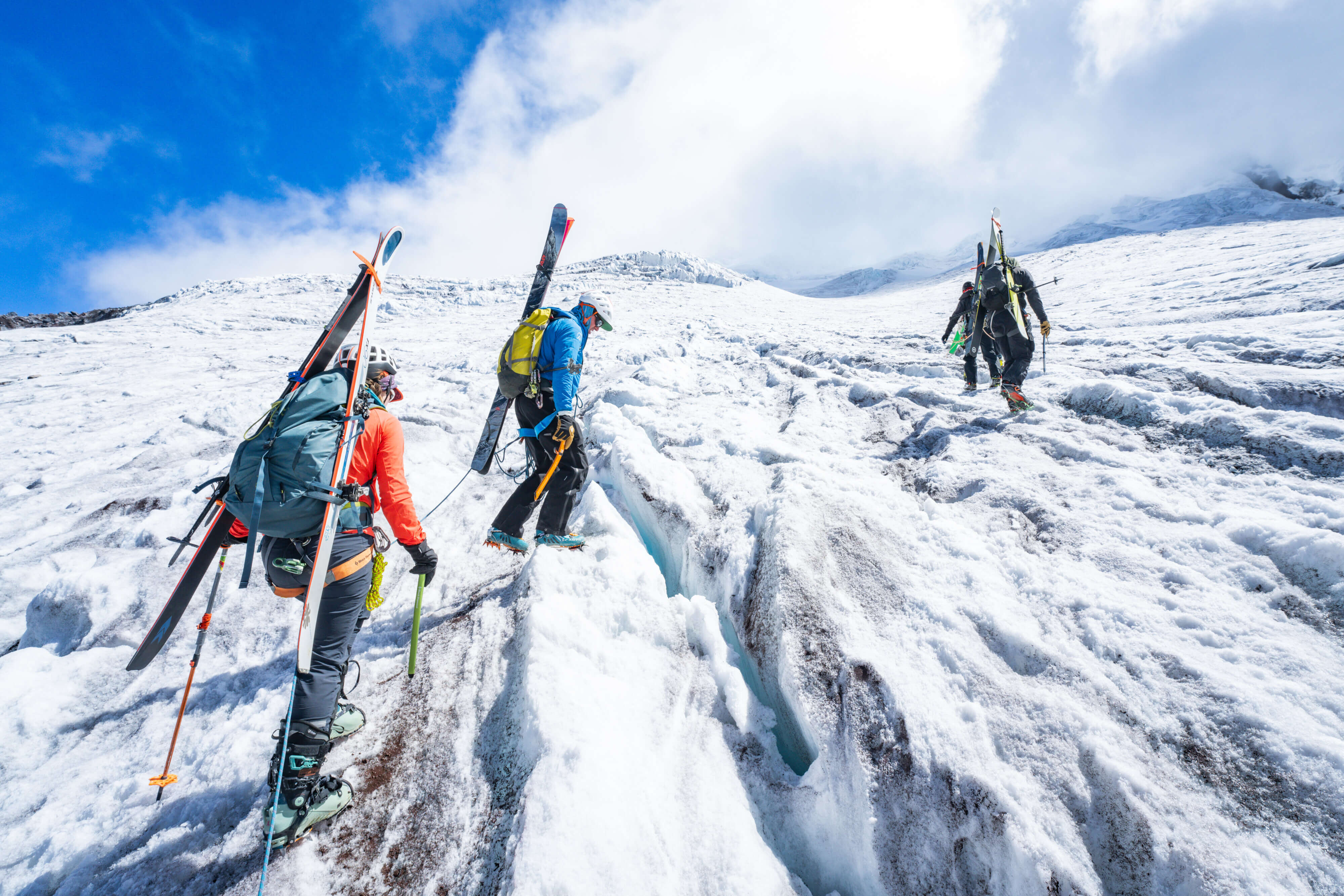
Location: Ecuador
Expedition Length: 9 to 16 Days
Who it’s for: This is the most technically demanding ski expedition Alpenglow offers. It’s built specifically for experienced backcountry skiers and splitboarders who want to cross into ski mountaineering territory: learning to integrate glacier travel, crevasse rescue, roped travel, and crampon and ice axe skills with their existing skiing ability.
If you’ve done Shasta or have significant backcountry experience and want to push into higher and more technical terrain, this program was built for exactly that transition.
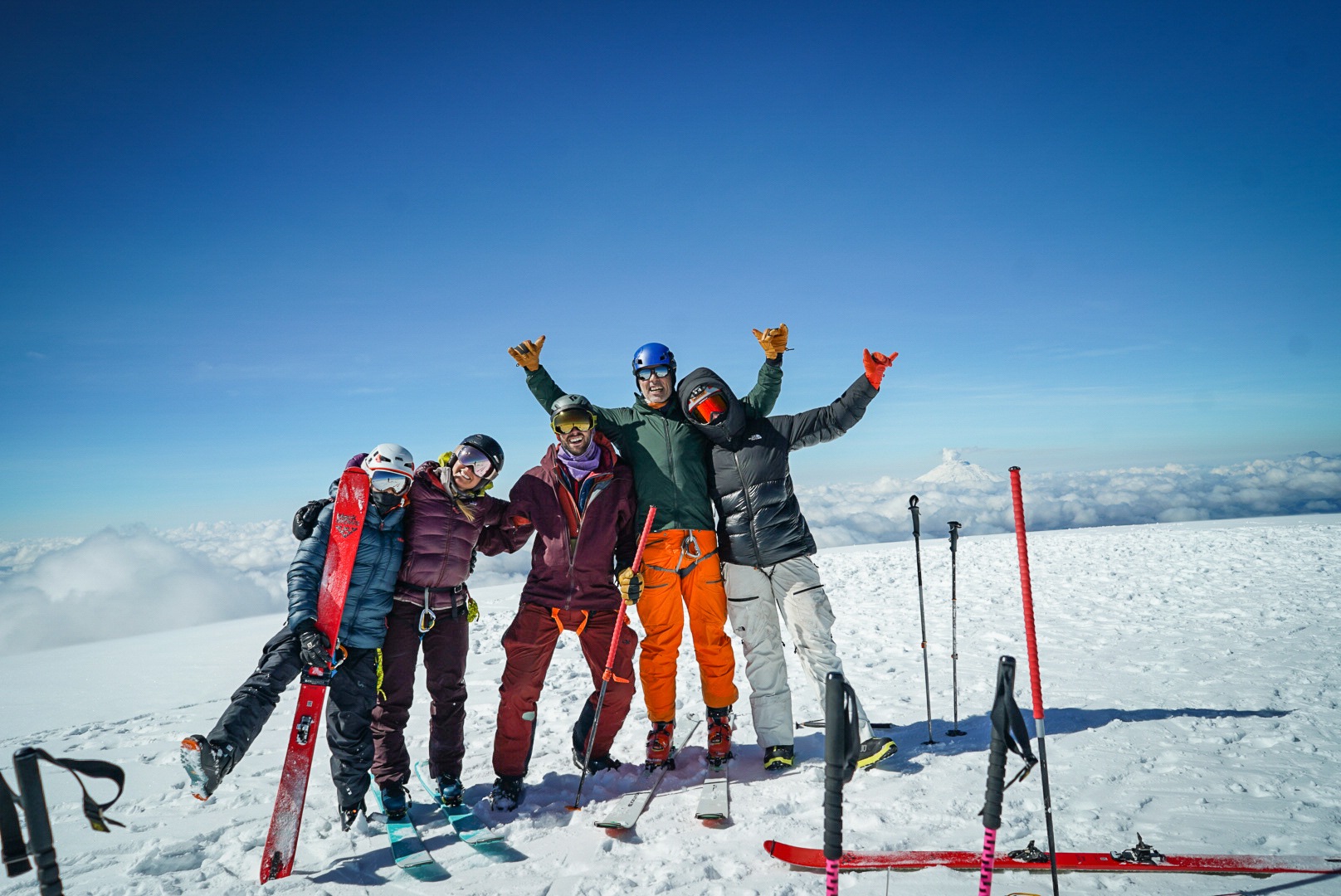
What makes it singular: Alpenglow’s guides have been operating in Ecuador since 1994, longer than almost any other guide service working there. The Ring of Fire itinerary covers Cayambe (18,997 feet), Cotopaxi (19,347 feet), and Chimborazo (20,564 feet, the farthest point from Earth’s center due to the equatorial bulge) — all on skis.
The guide-to-skier ratio is 3:1, which is rare at this level and makes a genuine difference in both safety and learning. The acclimatization is built into the itinerary carefully, starting in Quito at 9,500 feet and moving progressively higher through cultural stops and technical skills sessions before the first summit attempt.
What you need coming in: Familiarity with crampons and an ice axe, and we’ll review these skills onsite. Comfortable skiing on steep, variable snow in control. Familiarity with rope systems and glacier travel, or the willingness to learn them with expert instruction. Serious physical preparation for full summit days above 18,000 feet.
Switzerland Ski Adventure
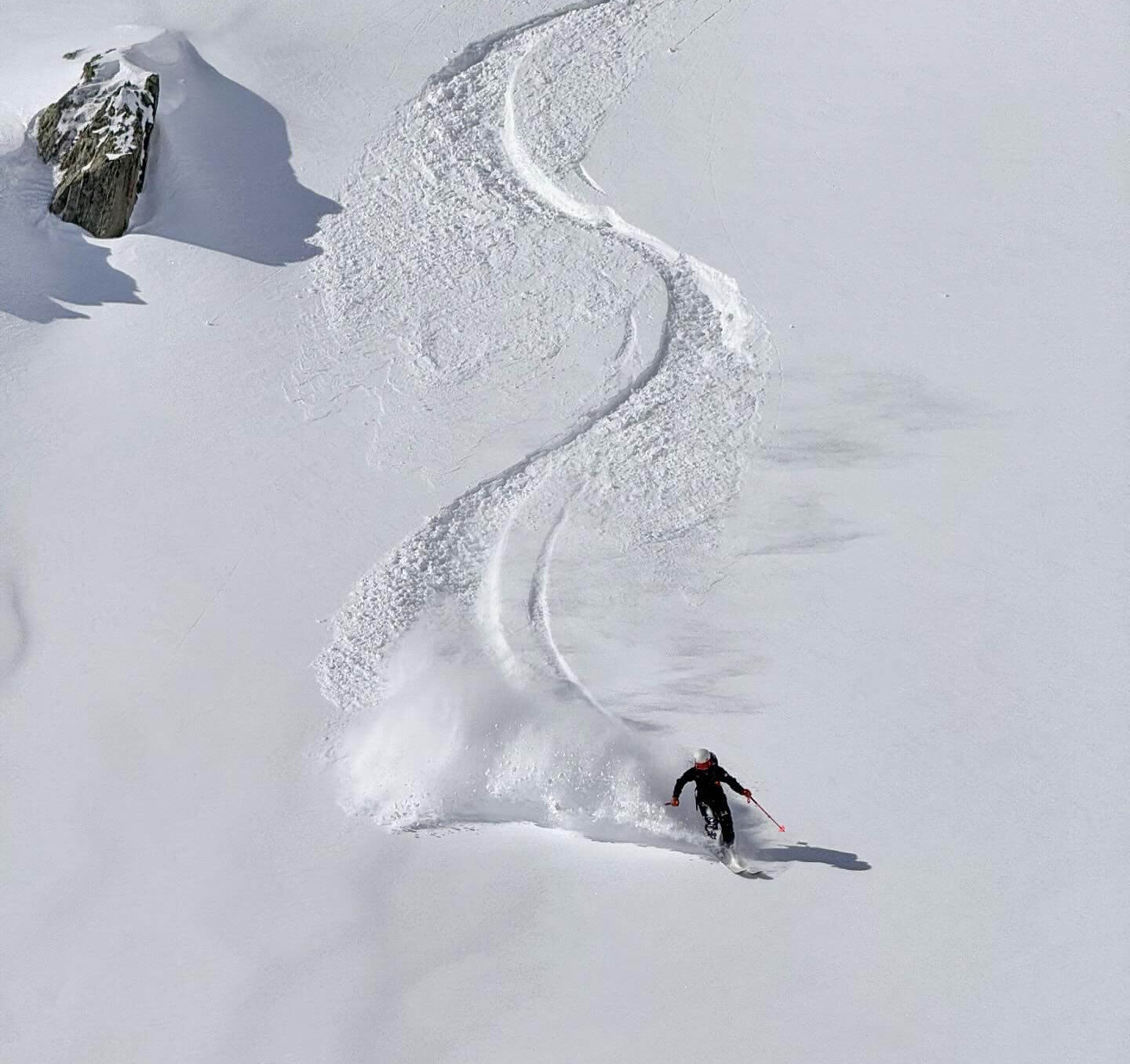
Location: Andermatt, Switzerland
Expedition Length: 8 Days
Who it’s for: This trip was built by Alpenglow founder Adrian Ballinger from a zone he kept returning to over decades of skiing around the world. It’s designed for skiers who want massive vertical, dependable snow, and serious backcountry access without the altitude acclimatization demands of the Andean programs.
What makes it singular: Andermatt sits at the crossroads of some of the most serious terrain in the Swiss Alps, with descents of up to 6,000 feet in a single line and snow conditions that remain cold and consistent throughout the season.
The cultural experience here is genuinely different from what the expedition world usually offers: a working Swiss village, real alpine lodges, and the kind of food and hospitality that has made this region one of the great ski destinations in the world for over a century. Alpenglow handles all logistics.
You bring your touring setup, your fitness, and your appetite for sustained vertical.
What you need coming in: A minimum of 10 days backcountry ski touring. Confidence across a wide range of snow conditions and steep terrain. Strong fitness. No high-altitude mountaineering required.
So, Which One Is Right for You?
The honest answer is that most backcountry skiers with a few solid seasons under their belt are ready for at least one of these programs right now. Georgia and Patagonia are built to be accessible. Chile and Switzerland require more experience but no mountaineering background. Ecuador is its own category: a genuine transition from backcountry skiing into expedition mountaineering, with all the technical instruction built into the trip.
If you’re not sure where you fall, reach out to Griffin Mims, Alpenglow’s International Client Manager. His job is to help you find the right fit, not to push you toward the most ambitious option. That kind of conversation usually takes fifteen minutes and saves months of second-guessing.
Our Backcountry Ski Trips
Read More About Our Backcountry Trips
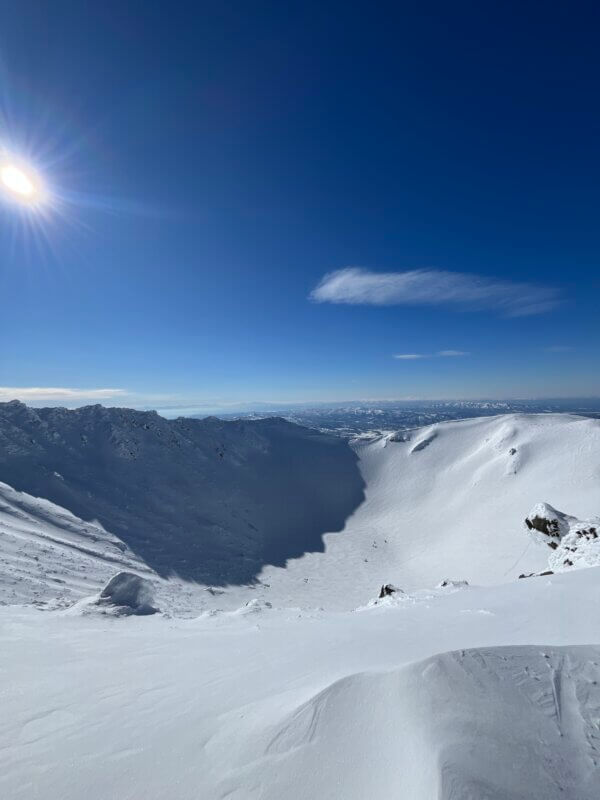
“The Best Snow in the World”: Ski Japan with Isaac Laredo
“There’s a common myth that Utah boasts the best snow in the world. I don’t think those people have been to Japan.” Alpenglow’s AMGA-certified Ski Guide Isaac Laredo thinks that Japan might just offer the best comprehensive skiing experience in the world. So, we connected with him to chat about his time spent in Hokkaido, home to Alpenglow’s newest expedition, the Japan Backcountry Ski.Read the story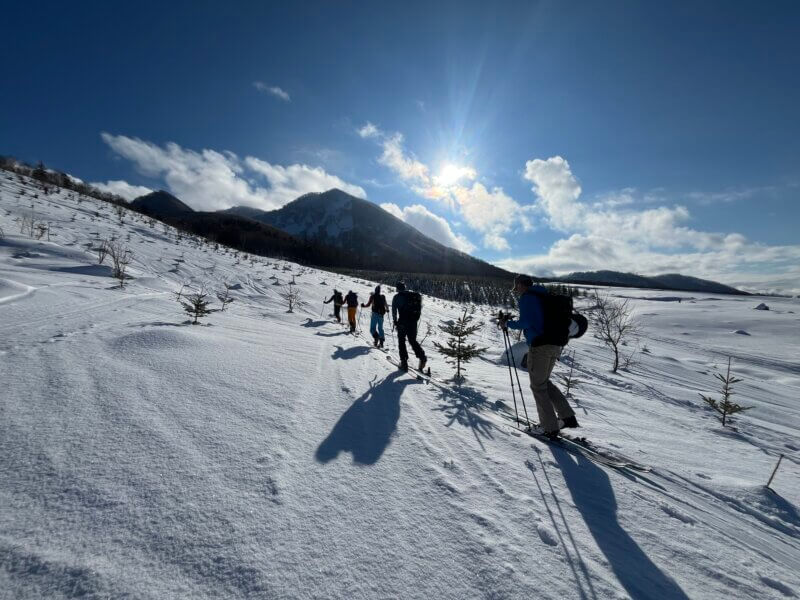
Alpenglow Introduces Type 1 Fun to the Menu with the Japan Backcountry Ski
we’ve decided to take a refreshing step into Type 1 fun with our Japan Backcountry Ski Expedition. Unlike the intense experiences of high-mountain summits and technical climbs, this trip offers pure enjoyment in one of the world’s most picturesque winter wonderlands: the deep powder of Hokkaido, Japan.Read the story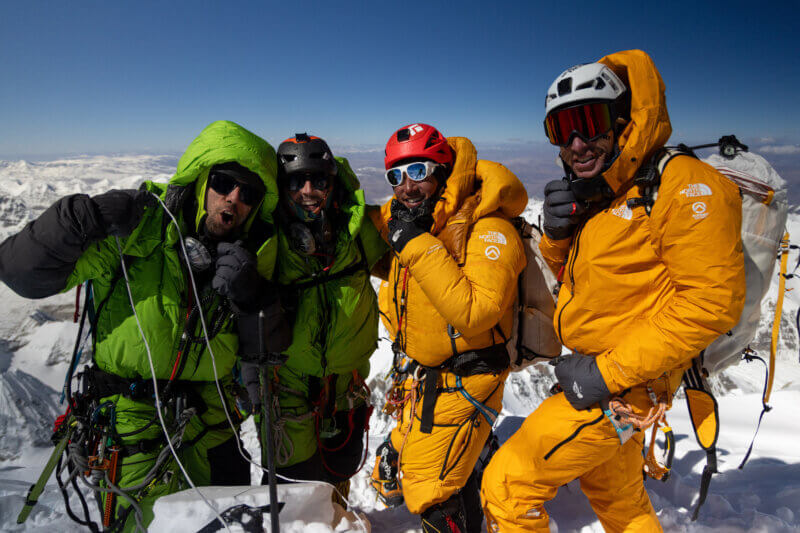
American Becomes First to Ski Down Everest’s Most Challenging Route
On October 15, 2025, Jim Morrison made history by becoming the first to ski down Mt. Everest’s hardest line.Read the storyChile Volcanoes vs. Patagonia: Which Ski Expedition is Right for You?
If you’re looking for a ski adventure that goes beyond resort boundaries, South America delivers in a big way. Alpenglow Expeditions offers two unique trips—Volcanoes of Chile and Patagonia Backcountry Ski Expedition—both packed with huge terrain, world-class ski mountaineering, and cultural experiences that make the journey as memorable as the skiing itself. But which one is right for you? Let’s break it down.Read the story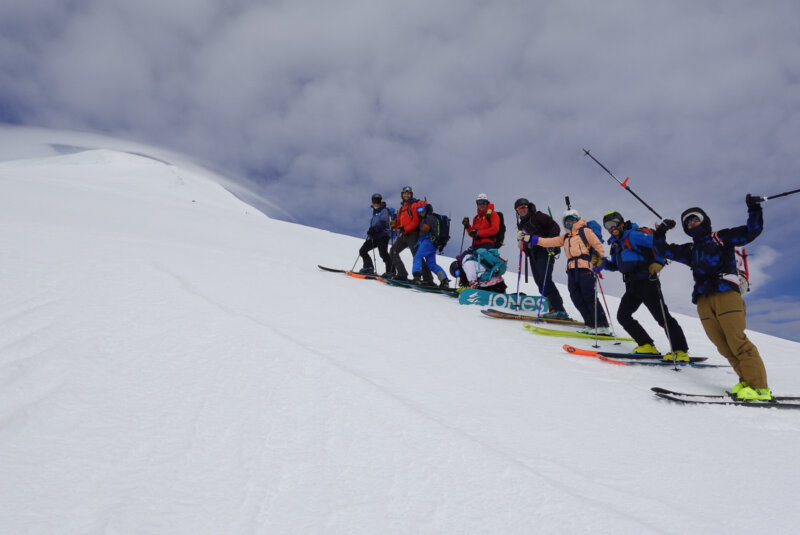
Skiing on Fire: Chasing Volcanoes in Chile with Alpenglow Expeditions
Chile’s volcanoes offer some of the most unique ski mountaineering in the world—steep lines, endless terrain, and the added bonus of descending from the summit of an active volcano. Alpenglow Expeditions’ Volcanoes of Chile Ski Expedition is a rare chance to experience high-altitude ski touring in the heart of the Andes, where long descents and remote peaks make for an unforgettable adventure.Read the story
Patagonia Bound: Skiing with Adrian Ballinger and Emily Harrington
Ski with Adrian Ballinger & Emily Harrington in Patagonia’s stunning Cerro Castillo. Big lines, spring corn, world-class terrain.Read the story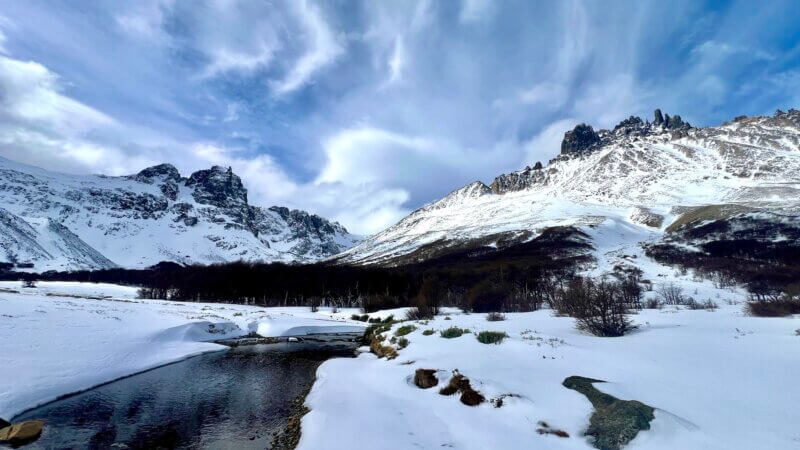
Skiing Patagonia: Steep Lines, Wild Terrain, and a Unique, Remote Basecamp
Our Patagonia Backcountry Ski Expedition isn’t just about skiing big lines—it’s about getting far off the grid and into one of the most remote and dramatic mountain zones in South America. For eight days, we operate out of the small village of Cerro Castillo, Chile, surrounded by glaciated peaks, steep couloirs, and untouched terrain.Read the story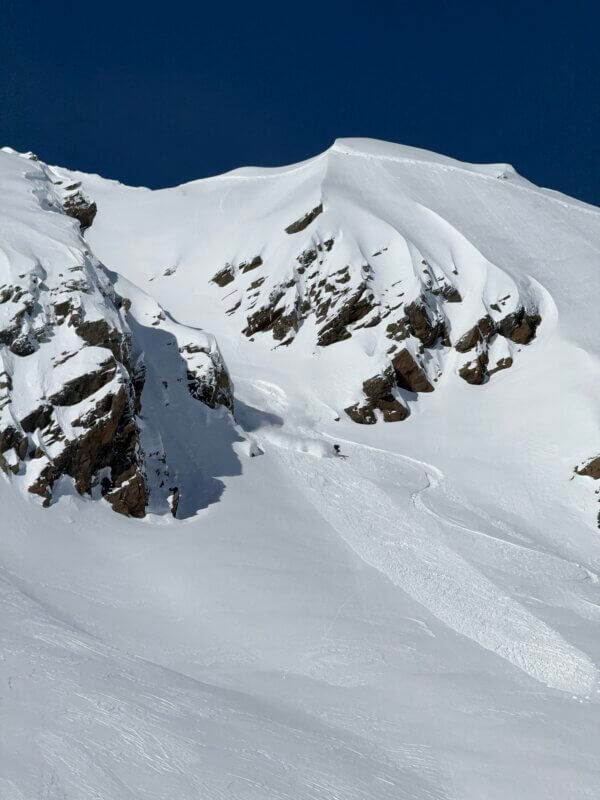
Beyond the Lines: Skiing Andermatt with Adrian Ballinger and Emily Harrington
Join professional athletes Adrian Ballinger and Emily Harrington for an unforgettable Andermatt ski trip. Experience world-class terrain, Swiss culture, and personalized guiding in one of Europe’s best alpine destinations.Read the story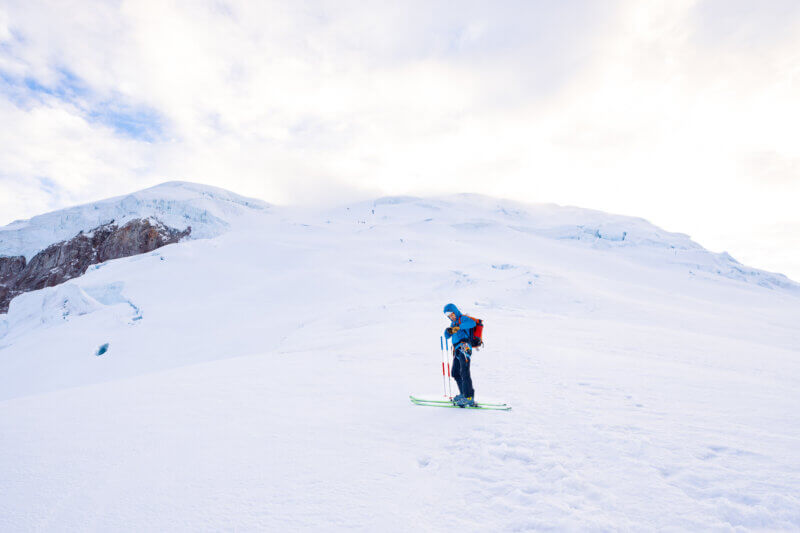
From Backcountry Skier to Ski Mountaineer on Ecuador’s Ring of Fire
If you’re looking to delve into the world of ski mountaineering, the Ecuador Ring of Fire Ski Expedition is an excellent opportunity to learn new skills while perfecting familiar ones in a unique high altitude environment. This expedition offers hands-on experience on some of Ecuador’s most spectacular volcanoes: Cayambe, Cotopaxi, and Chimborazo.Read the story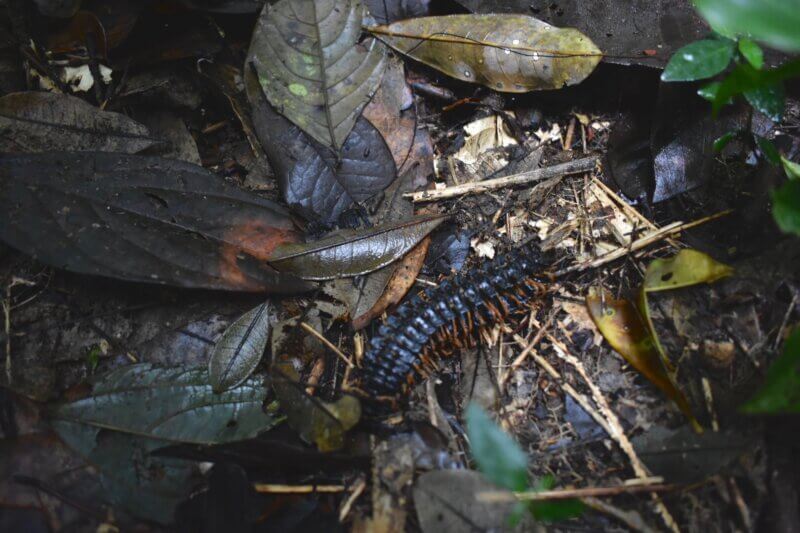
Skiing Through Prehistory: Why the Ring of Fire Feels Primordial
There’s something surreal about skiing on an active volcano. Steam rising from vents, snow underfoot, and dense jungle at the trailhead. It feels otherworldly. But there’s a reason these places feel so ancient: they are.Read the story