Private Destination Skiing: Why Bolivia is the Next Big Thing for Ski Mountaineers
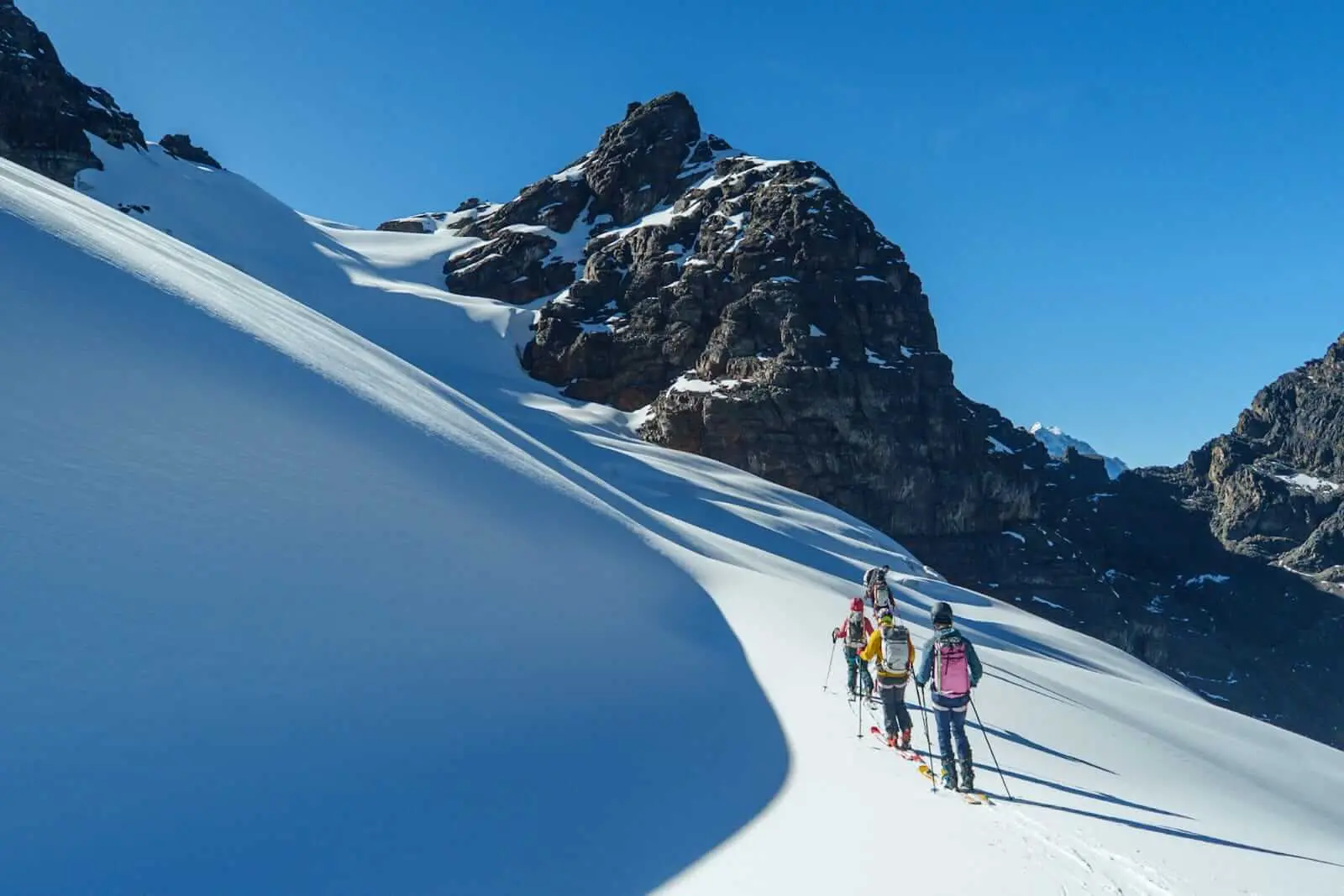
A private expedition is a different kind of trip. The team decides what the trip is, and the guide builds the plan around those decisions. That matters a lot on a mountain, and it matters even more in a range that most climbers and skiers still don’t know well enough to say ahead of time what they want out of a trip there.
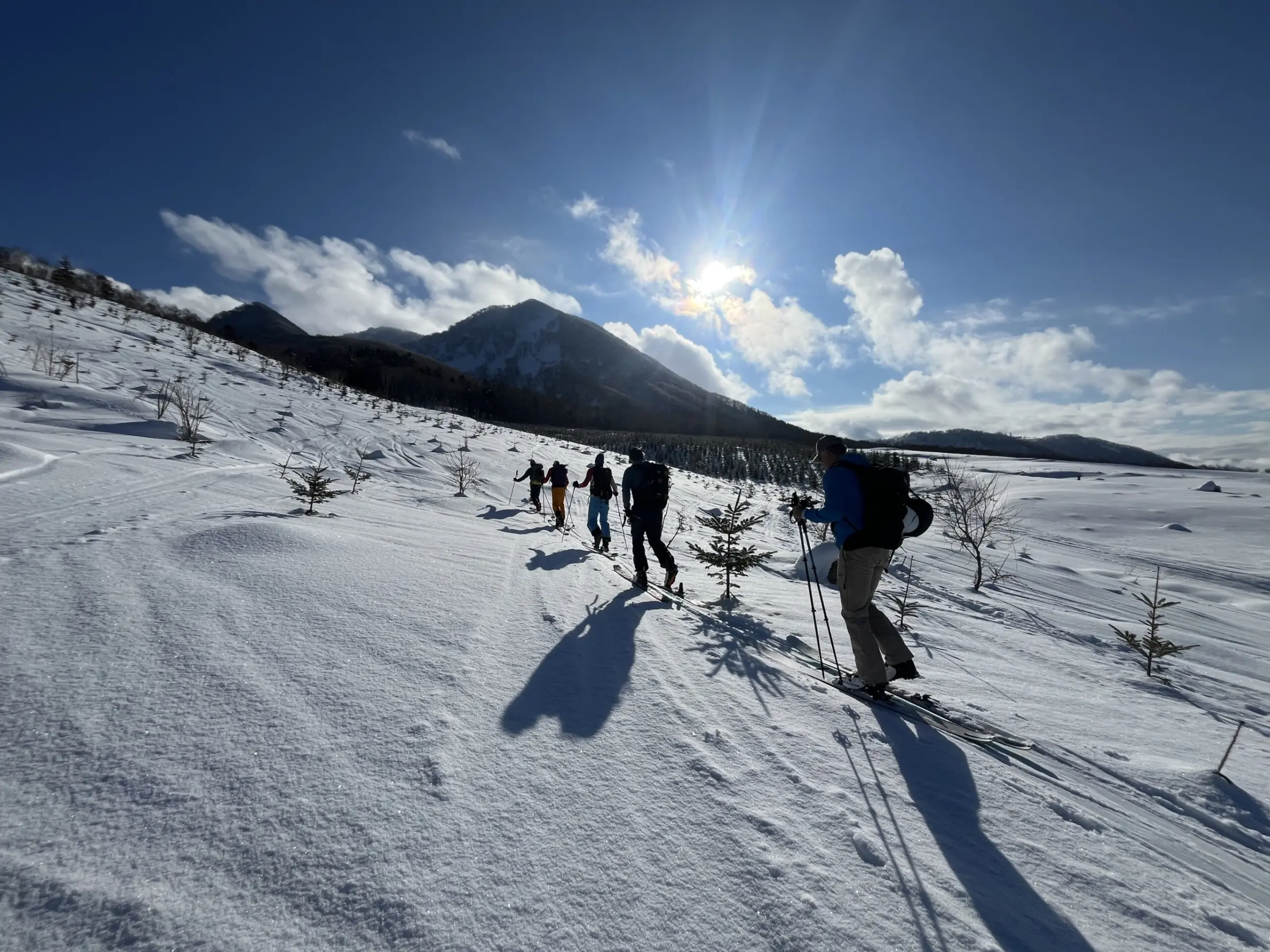
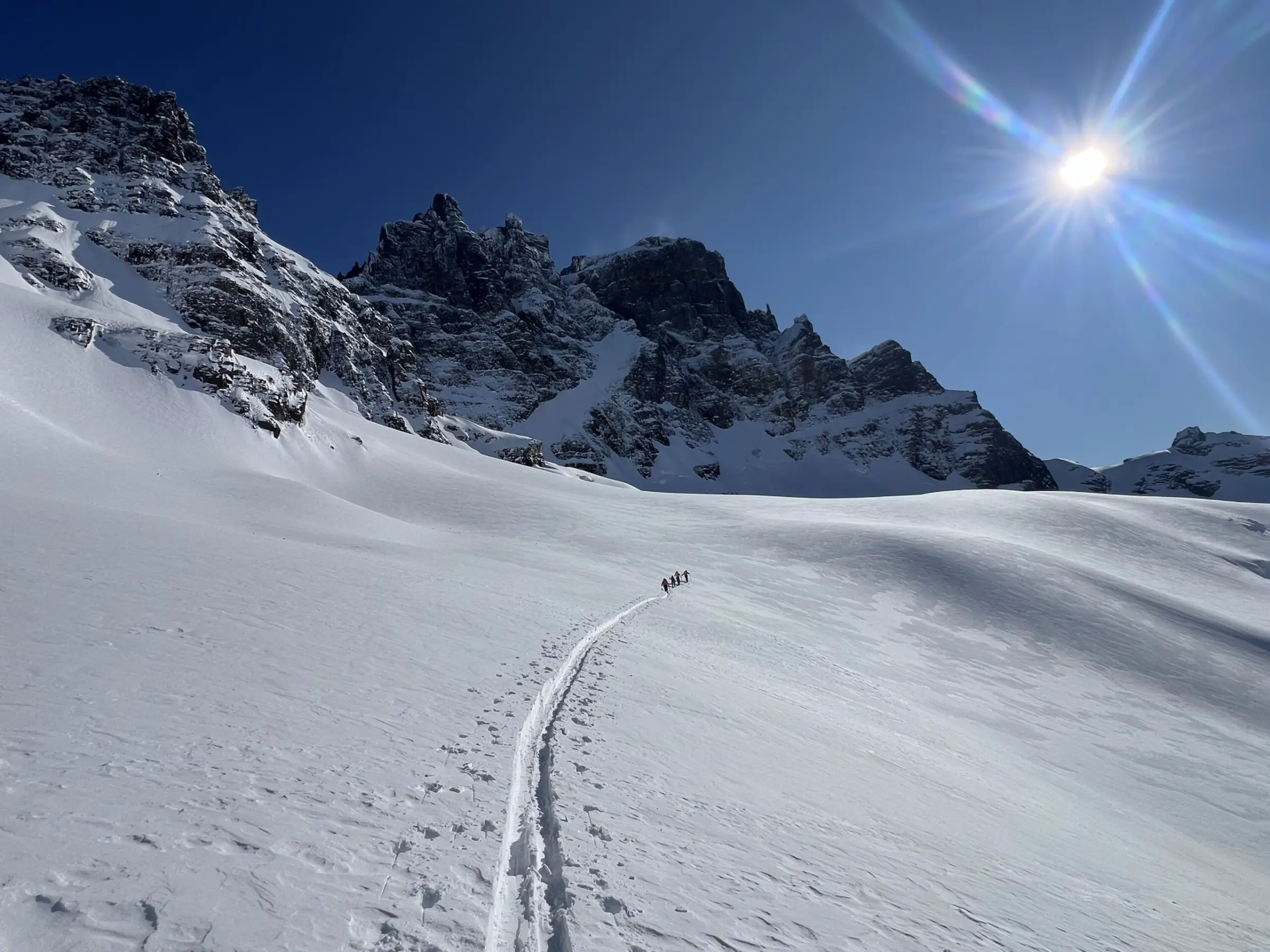
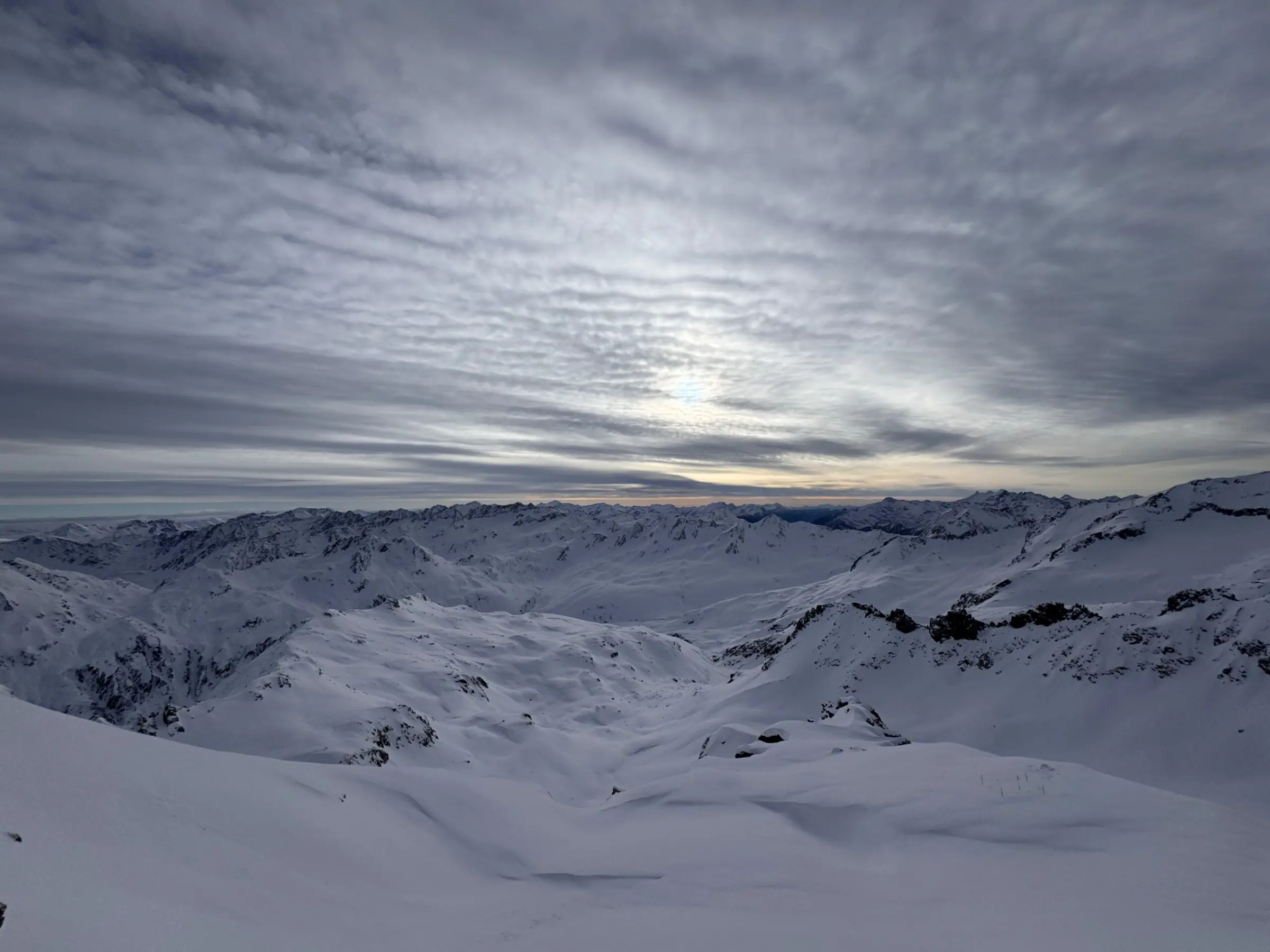
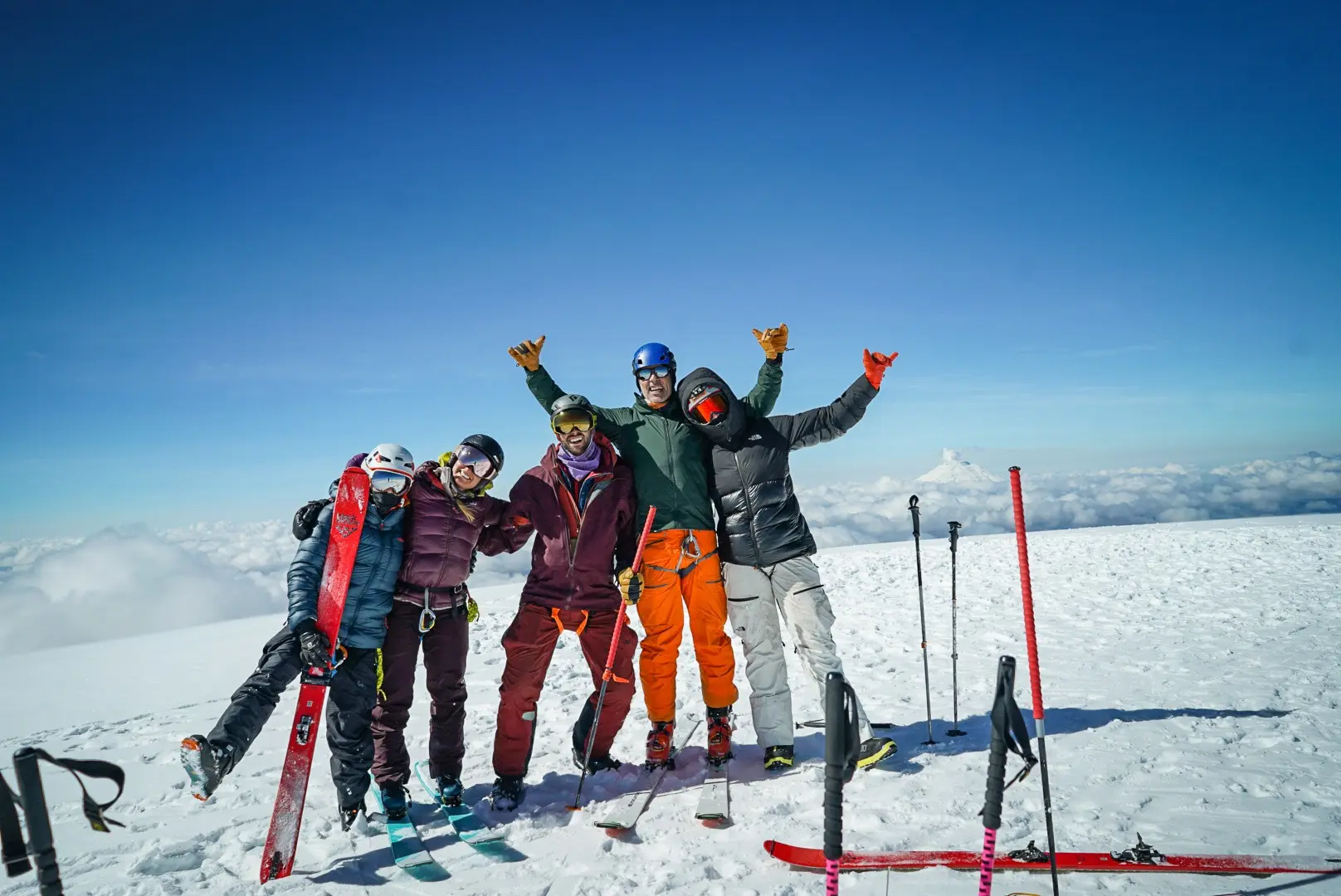
Our teams have been in Bolivia this spring
Here is what that has looked like.
The Cordillera Real runs about 125 kilometers along the eastern edge of the Bolivian altiplano, above La Paz. It holds more than twenty peaks over 5,000 meters and six over 6,000 meters. It sits squarely in the southern hemisphere dry season from mid-March to mid-May, peaking in April, which is the weather window that makes ski objectives realistic here. Cold nights refreeze the snow, warm days set up clean corn windows, and high pressure can sit for days at a time. That combination is stable enough to plan a summit on a specific morning and dry enough to keep the snow from turning into breakable crust.
April specifically is the early edge of the season. The range has already shed the worst of the wet-season snow, and the snowpack has consolidated. Lines that will be fully open in June are in early shape now, with enough coverage on the glaciers and the upper couloirs to make turns from the summit ridges. The lower elevations are drier, with a little more rock and scree exposed, but that trade-off is offset by the biggest thing the early season gives you, which is an empty mountain. You will not see another team on most of these objectives.
The Range
The Cordillera Real stacks its biggest mountains inside a narrow window of high peaks a few hours north of La Paz. Huayna Potosi at 6,088 meters is the one most climbers have heard of, and it is also the one most private ski teams build around. The French Direct and the Normal Route both offer ski descents from near the summit in the right conditions. Illimani at 6,438 meters sits at the southern end of the range and gets less attention from ski teams because of the commitment it demands, but the west face holds real lines for the right group. The Condoriri group, the cluster of peaks around Cabeza del Condor, puts a week’s worth of moderate, aesthetic objectives inside a single base camp. The broader range is full of 5,000-meter summits with skiable snowfields and couloirs that almost no one has skied.
The comparison worth making is with Patagonia and Chile on one side and with Peru on the other. Broadly speaking, Patagonia offers headline ski descents in South America, and for good reason. Chile’s volcanoes offer long, open corn lines and consistent weather. Peru has bigger glaciated objectives and a climbing-school infrastructure. Bolivia sits in between those options with less attention and less traffic. The range is underskied relative to how good it is.
What a Private Expedition Changes
A standard scheduled expedition is built around a fixed itinerary. Dates, objectives, acclimatization sequence, and client count are all set well in advance. That model works, and it works well when the objective is standard and the group is assembled by the itinerary itself.
Private expeditions run on a different logic. The trip is built around the team’s plan from the start. A few things change in practice.
The team sets the objective list. A group that wants to ski the Condoriri group for a week and then move to Huayna Potosi for a summit attempt can do exactly that. Another group might chase ski objectives exclusively and skip the climbing-only peaks. A third might build the trip around one big summit with the rest of the week on mellow corn.
Pace works the same way. A private group with two or three skiers and the right conditioning can run a compressed acclimatization sequence, add a rest day when the weather suggests one, or pull the summit attempt forward when an early window opens.
Guide ratios are matched to the objectives. On a private ski trip in a technical range, that ratio is usually low. It buys time on the rope, on the skin track, and on the descent, and it buys the guide’s full attention, which matters on ski terrain more than on most walking summits.
Logistics flex with the plan. Base camp moves, transfer days, re-supply windows, and food all get built around what the team is actually doing that week. The Alpenglow logistics team handles the moving parts on every trip. On a private trip, the parts move in the direction you want them to.
This is the thread that runs through most of the trips we run privately. The team knows what they want, or the guide helps them figure it out in the planning conversations, and then the whole trip is shaped to that answer.
Who This Trip is For
A private Bolivia ski trip is a good fit for a group with solid glacier experience and a real ski mountaineering background. The team needs to be comfortable on skins above 5,000 meters, on steep and variable snow on the descent, and with crampons, ice axe, and short roped travel where the glacier demands it. Altitude experience up to 5,500 meters is strongly recommended, and prior time on a 6,000-meter objective is ideal.
This is not the right starting point for a climber’s first high-altitude trip. For that, we recommend Ecuador Climbing School or Peru Climbing School first. Once the base is there, Bolivia opens up fast.
The Mountains of Bolivia expedition page covers our scheduled Bolivia departures and the route of our standard program. Most private trips are variations on that itinerary, shaped by the team.
How to Build One
A private expedition starts with a conversation about dates, skier count, target objectives if the team has them, and target experience level if the team does not. From there, we build a plan and a quote. Most private Bolivia trips run between seven and fourteen days on the ground. We can run them any time in the April-to-September window, give or take, depending on the snow season.
The same logic applies across most of our destinations. Chile, Patagonia, Ecuador, Alpamayo, and/or any of our other expeditions, including our Rapid Ascent objectives, can be run privately. The Rapid Ascent methodology in particular pairs well with the private-expedition model because pre-acclimatization at home compresses the in-country timeline enough to make more ambitious objectives realistic inside a working calendar.
For dates, availability, and a conversation about what a private trip in Bolivia or anywhere else on our program might look like, the Mountains of Bolivia expedition page is the starting point, and the full list of expeditions is the next one. Inquiries on custom and private trips go to Griffin Mims, who handles expedition planning for our international program.
Read More from Our Trips
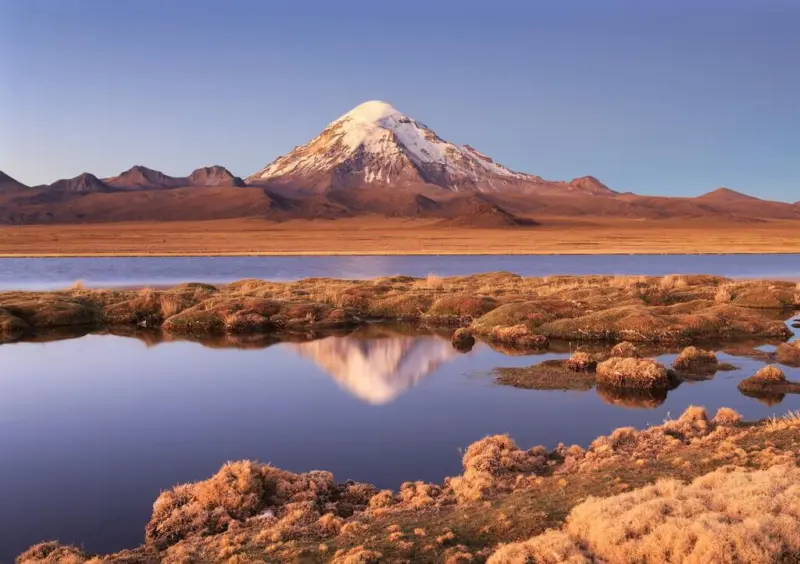
“More Than Just a Climbing Trip”: Mike Pond on the Mountains of Bolivia
In November 2023, Alpenglow guide Mike Pond returned to Bolivia for the fifth time for a private climbing trip. Moreover, it reminded us of our responsibility as climbers to listen to the mountains. As much as we may think of ourselves as mountain guides, it is equally as important to remember that the mountains guide us as well.Read the story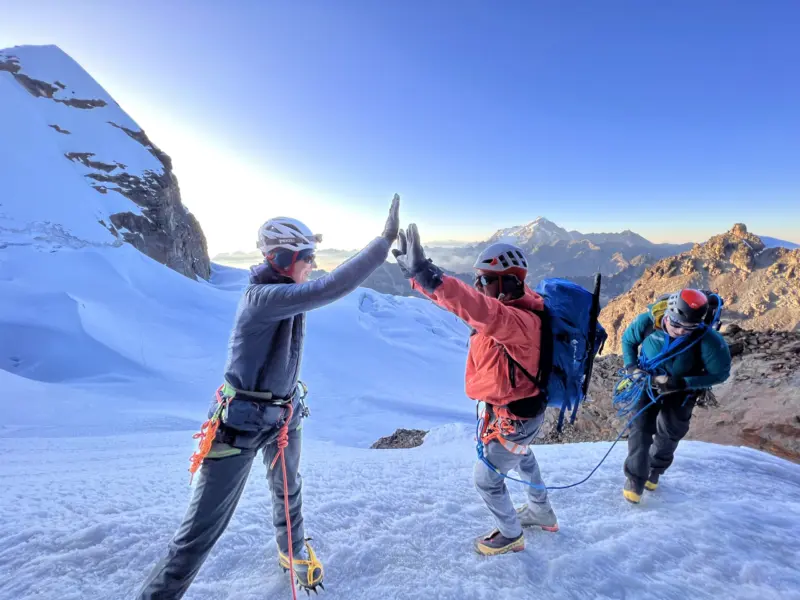
Climbing Culture in Bolivia Runs Deep
On the edge of the Central Andes mountains, Bolivia boasts a rich tapestry of climbing history and culture with deep roots in the country’s rugged terrain and indigenous heritage. Climbing in Bolivia traces its origins back centuries, intertwined with the traditions of indigenous communities who traversed the Andean mountains for trade, communication, and spiritual purposes.Read the story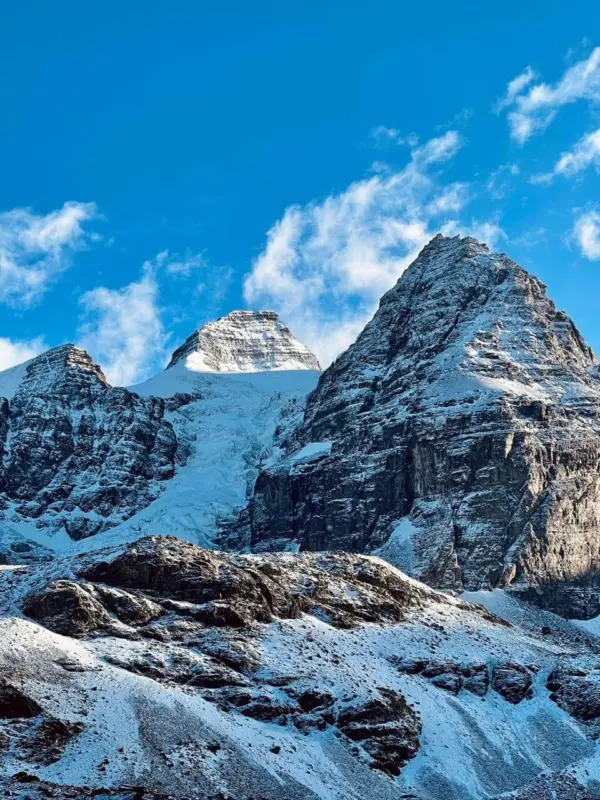
Climbing Pequeño Alpamayo: A Hidden Gem in Bolivia
Climbing Pequeño Alpamayo: A Hidden Gem in BoliviaRead the story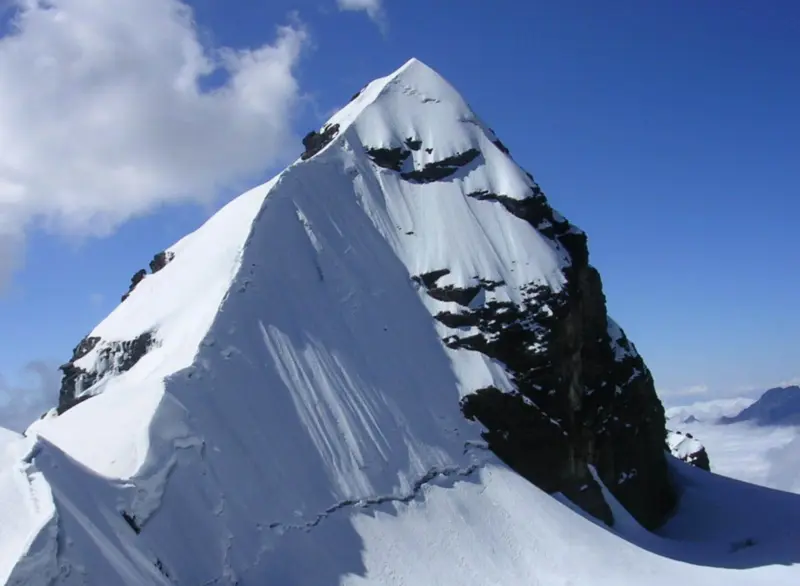
Culture and Climbing in Bolivia
Our Mountains of Bolivia expedition is more than just a climbing trip—it’s a deep dive into Bolivia’s living history, spiritual traditions, and high-altitude landscapes. Over 16 days, we move from the vibrant energy of La Paz to the quiet, snow-covered summits of the Cordillera Real, all while immersing ourselves in the cultural heartbeat of the Andes.Read the story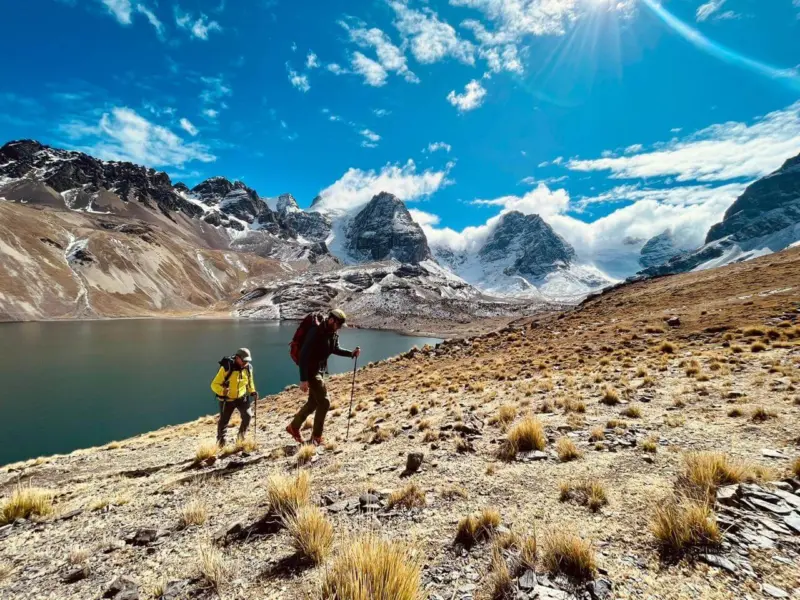
Exploring Bolivia: A Unique and Ideal Intermediate Mountaineering Destination
Bolivia is the intermediate mountaineer’s hidden gem, offering a unique blend of adventure, challenge, and cultural richness. Nestled in the Southern Andes, Bolivia’s diverse landscapes and towering peaks make it an ideal destination for growing climbers seeking to expand their skills on Pequeño Alpamayo (17,482’/5,329m), Huayna Potosi (19,975’/6,088m), and Illimani (21,125′/6439m).Read the story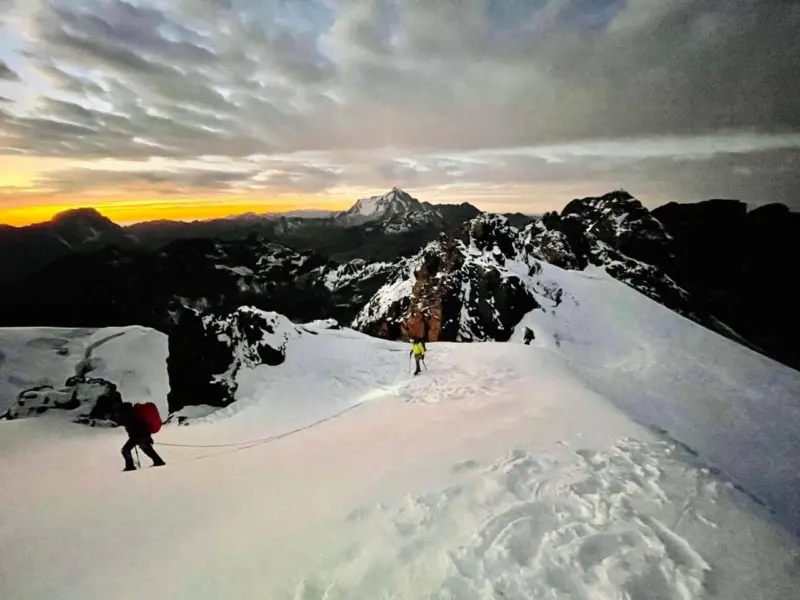
Huayna Potosí 101: Climbing One of Bolivia’s Most Accessible 6,000m Peaks
Located 25k from La Paz, Bolivia, this glaciated peak is a popular choice for climbers looking to break into high-altitude mountaineering.Read the story