Training for the Mountains with a 9 to 5
This Is What It Actually Takes
Training for a big mountain while working a full-time job means showing up every single day. Early mornings before emails start flying. Late nights when you’d rather just go to bed. Making the call to train when easier options are right there. When no one is watching.
This kind of preparation is physical, repetitive, and often inconvenient. A lot like the mountain itself. That’s why it works.
The Reality of Training Around Work
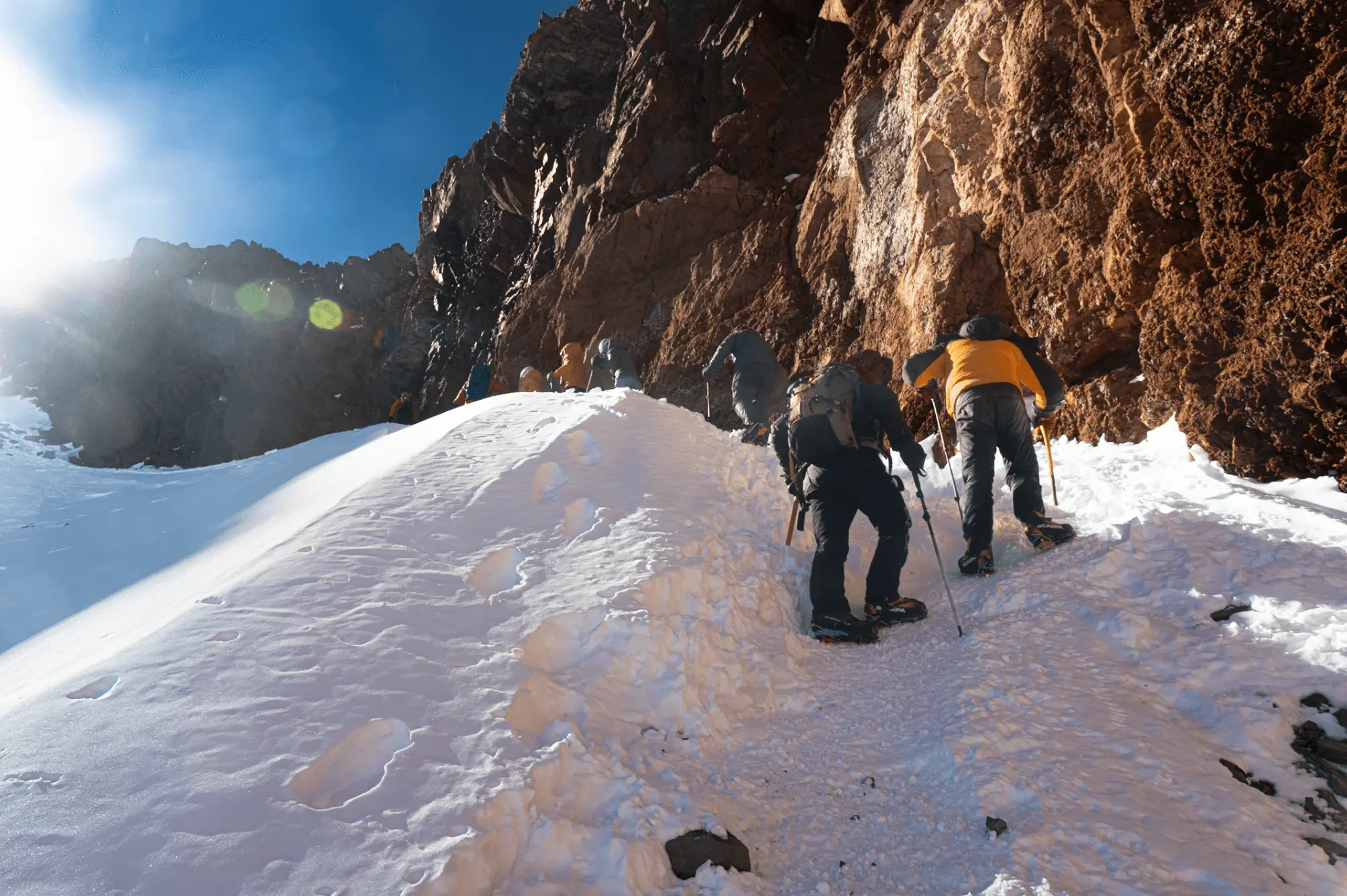
Most of this training happens outside normal working hours. Early mornings before you log on. Evenings after long days. Weekends built around long trail sessions or gym time with a heavy pack, just simulating what days on the mountain will feel like. Some days skiing or rock climbing sounds way better. Some trips and vacations, training comes along anyway. Social plans get passed on because the work needs to get done.
Consistency matters more than any single workout. Progress comes from showing up tired, distracted, busy, and still knocking out the session.
The Structure That Carries You
Training plans follow a clear rhythm. Strength circuits build durability in your legs and core. StairMaster sessions build your ability to climb under load for hours. Long hikes teach pacing, fueling, and spending serious time on your feet with weight on your back.
The goal is getting ready for what the mountain will actually demand. Squats, lunges, step ups, rows, core work. All of it creates a base that can handle volume. Weighted climbs build the engine you need to move uphill for hours. Recovery days matter too so your body can absorb the work and stay ready for what’s next.
The StairMaster
The StairMaster deserves its own section. It’s not fun. It’s boring as hell. It’s also one of the best tools you have for training indoors. Long, steady climbs with a pack teach controlled breathing, consistent pacing, and staying mentally locked in. Harder sessions get you comfortable with sustained effort. Easier days dial in efficiency. There’s no shortcut here.
Training Does Not Stop on Vacation
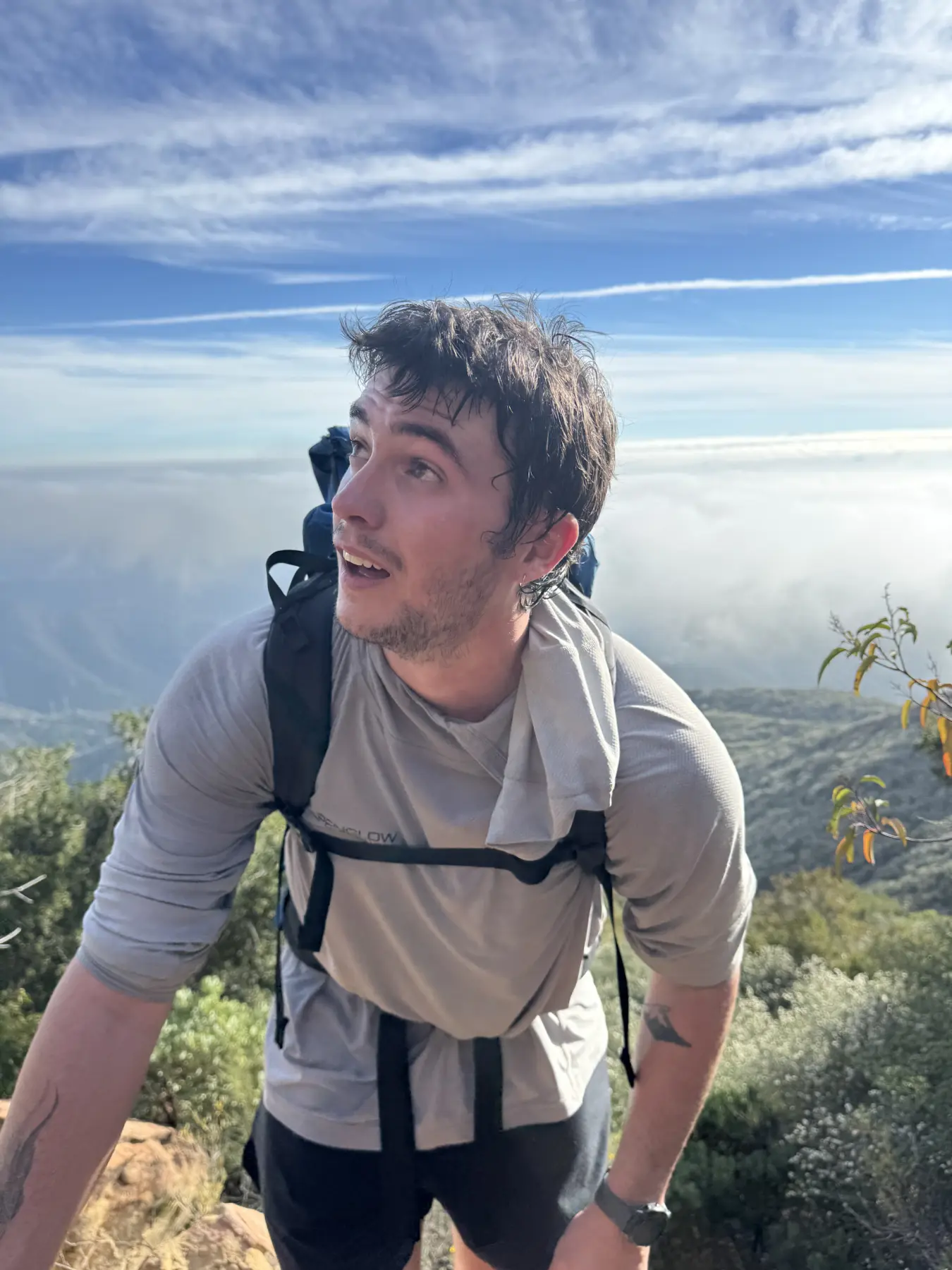
Preparation doesn’t pause when you travel. Training moves with you. Maybe that’s buying a week pass at the local gym. Maybe it’s carrying a five gallon bucket of water up a steep hillside because it mimics what you’ll need on the mountain. Finding stairs, finding hills, finding time. Adapting sessions but keeping the intent.
Mountains don’t care where you trained. They respond to the work you put in.
Motivation Comes From the Goal
Plenty of days you have to manufacture motivation. What keeps you going is being clear on why the training matters. Every session ties back to moving well at altitude, making good decisions when you’re tired, showing up prepared.
Training around a 9–5 sharpens that focus. Time is limited. Energy has to be managed. Each workout counts because it has to fit into real life.

Consistency Is the Advantage
Week after week, you build capacity. Packs get heavier. Sessions get longer. Intensity shifts as the climb gets closer. The structure stays familiar while the work gets harder. That builds confidence.
By the end, the work feels earned. Long efforts under load feel normal, almost meditative. That’s the whole point. Getting your body and brain ready for exactly what you’ll be doing on the mountain.
Prepared for the Climb
Training alongside a full-time job teaches discipline that translates directly to high altitude climbing. It builds patience, self awareness, respect for the process. You show up ready instead of just hoping things work out. That readiness matters when the mountain starts testing whether you’ve really got it.
Questions about our expeditions? Reach out to us HERE or take a look at our calendar and schedule a meeting with our experts. We work with an in-house personal trainer with decades of experience getting climbers ready for the biggest mountains on the planet.
Rapid Ascent Expeditions

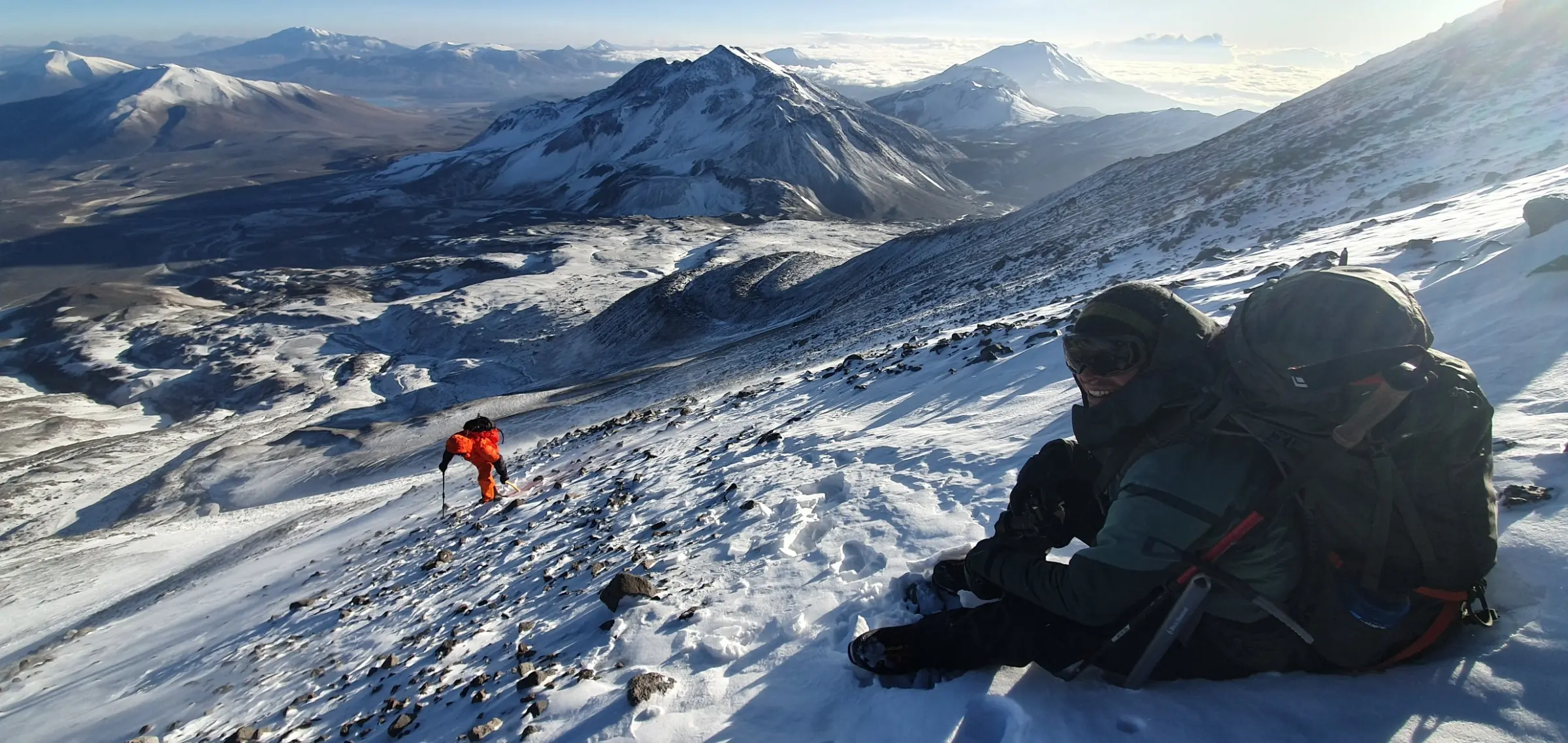
Read More About Aconcagua
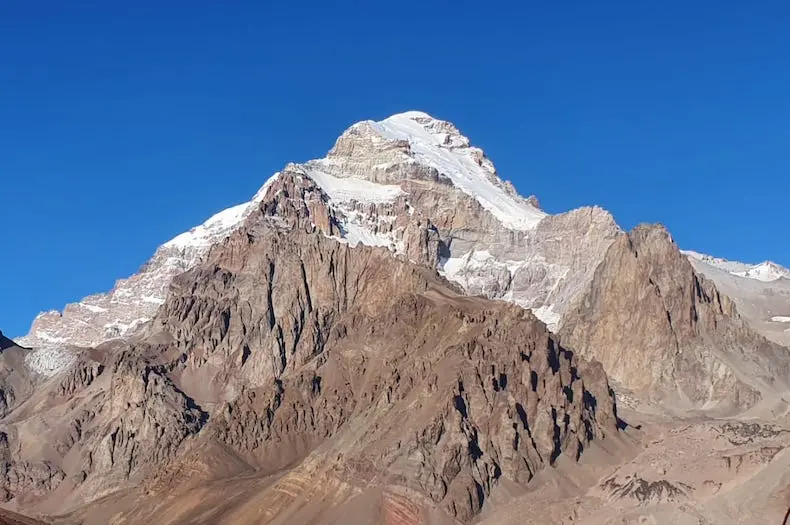
A Brief History of Aconcagua
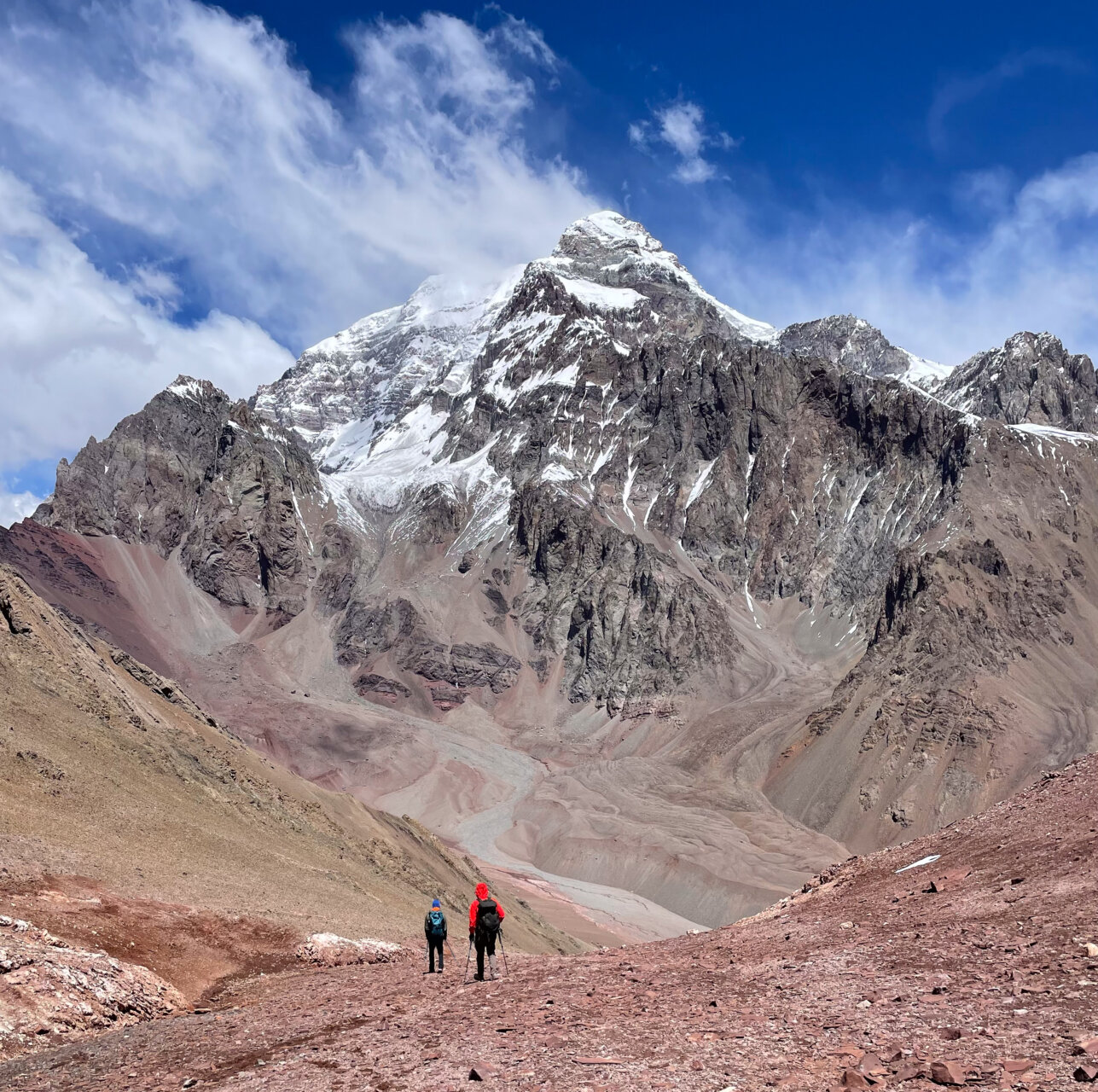
Aconcagua, standing at 22,831’/6,959m, is the highest peak in the Americas and one of the Seven Summits. Its history is rich and multifaceted, beginning with the indigenous cultures that inhabited the region long before modern mountaineers arrived. Today, it’s a popular peak forintermediate climbers to break into 7,000m, and an excellent step on the way to preparing for Mt. Everest.Read the story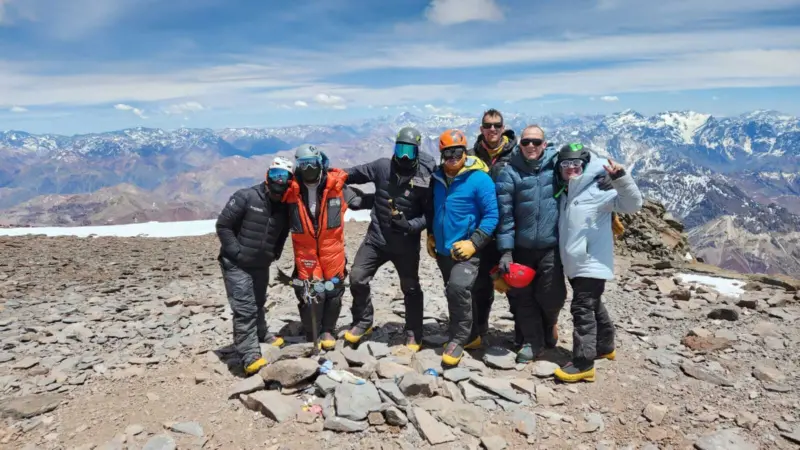
Climbing Aconcagua the Smart Way
Learn how pre-acclimatization, expert guides, and smart logistics makes South America’s highest peak more accessible—without cutting corners.Read the story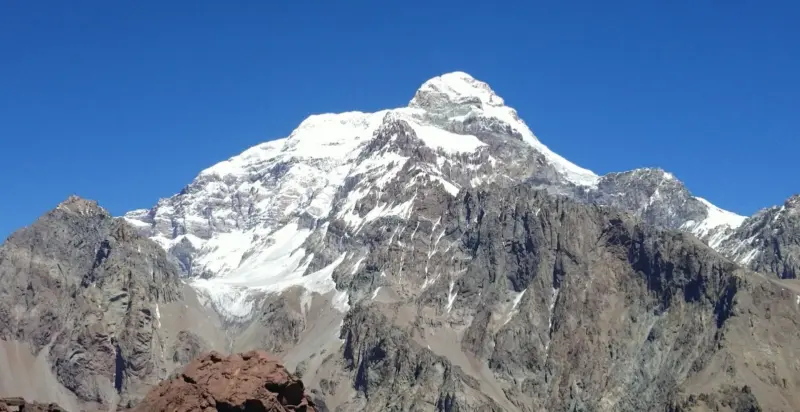
From Climbing Schools to the Seven Summits: Why Aconcagua is the Next Step for Intermediate Climbers
Aconcagua, standing at 22,837 feet, is an excellent progression for climbers who have completed one or more of Alpenglow’s climbing schools in Ecuador, Peru, or Mexico. Here’s why the Aconcagua Rapid Ascent Expedition makes sense:Read the story
How Alpenglow’s Peru Climbing School Prepares You for Aconcagua and Everest
If you have dreams of climbing Aconcagua, Everest, or other high-altitude giants, proper training is essential. Alpenglow Expeditions’ Peru Climbing School is designed to build the technical skills, acclimatization strategies, and expedition mindset needed for success on the world’s biggest mountains.Read the storyClimbing Aconcagua: Changes Adrian Ballinger Has Seen Over the Years
Alpenglow owner and founder Adrian Ballinger started guiding and climbing Aconcagua in the late 1990s, around the same time that high-altitude mountaineering saw a massive surge in popularity around the world. However, regulations, ethics, and best practices in the mountaineering world failed to keep pace with the growth of the sport.Read the story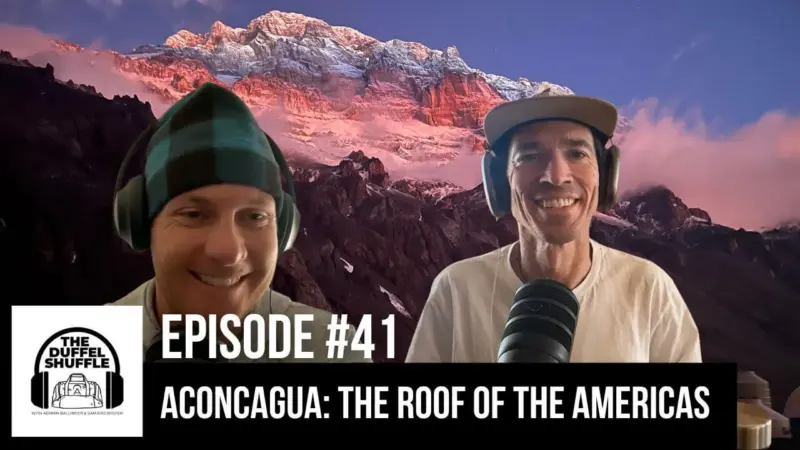
Episode 41: Aconcagua, The Roof of the Americas
The Duffel Shuffle podcast is kicking off a 7-Episode series, covering all things seven summits. Adrian and Sam start with Aconcagua, the tallest mountain outside of the Himalaya, and the tallest peak in South America. Aconcagua, which was first climbed in 1897, sees approximately, 3,000-4,000 attempts annually, with a success rate of roughly 30-40%.Read the story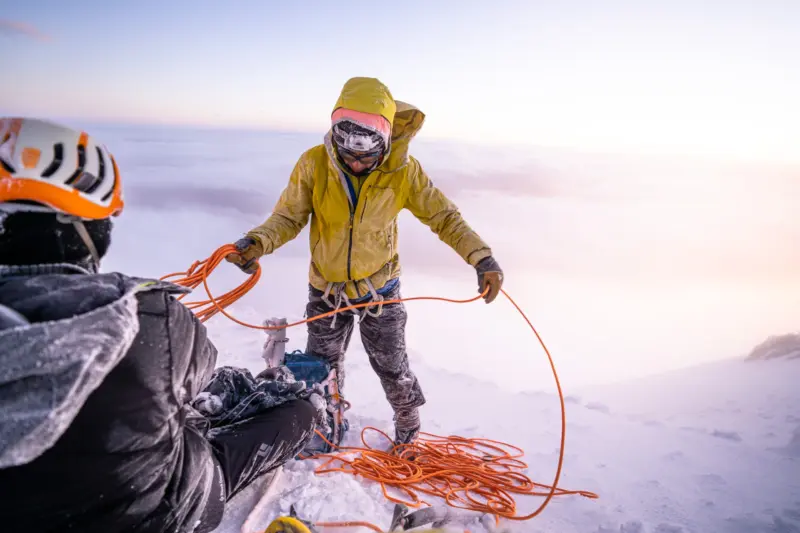
“Give Yourself the Time”: Graduating from Trekking to Climbing with Topo Mena
While ‘walking’ may sound trivial, a number of big mountains involve a lot of walking, albeit in extreme places. To talk about the journey, we connected with IFMGA-certified Alpenglow guide Esteban ‘Topo’ Mena about graduating from trekking to climbing. For beginners, he had this advice to offer: “At first, it’s important to give yourself the time to walk in the mountains and appreciate the land and the opportunity to just be there.”Read the story
Comparing Acclimatization Approaches in the Andes, Himalaya, and Pamirs: How Alpenglow Expeditions Tailors Its Programs for Success
When it comes to climbing high-altitude peaks around the world, how you acclimatize can make or break an expedition. The Andes, Himalaya, and Pamir ranges each present unique challenges based on altitude, terrain, and logistics — and acclimatizing properly to these environments requires an approach that fits the mountain, not a one-size-fits-all plan.Read the story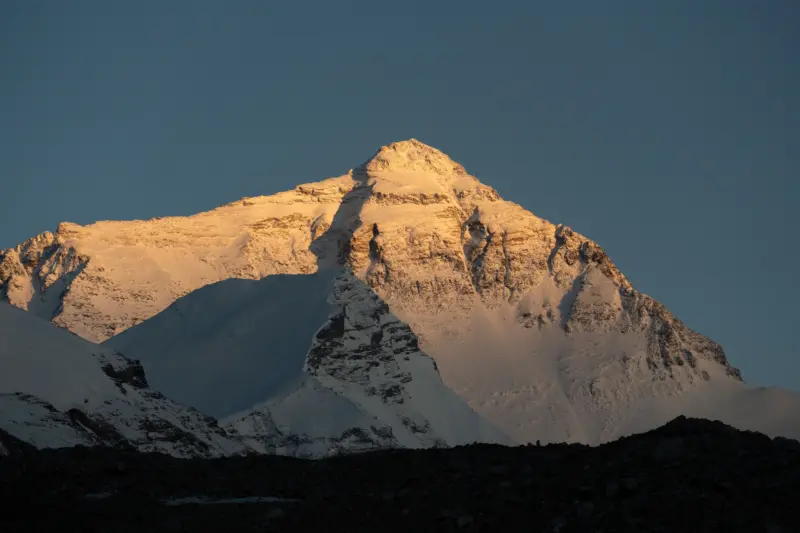
How to Climb Mt. Everest
Climbing Everest doesn’t start in the Himalaya. It starts with basic skills, local mountains, and building experience one step at a time. If you’re asking how to climb Everest the right way — safely, successfully, and confidently — this is the path we recommend.Read the story
Climbing Aconcagua’s 360° Route
The 360° Route on Aconcagua is a less crowded, less technical route that combines the best parts of four other popular routes on the mountain.Read the story