What Does Rapid Ascent on Aconcagua Feel Like?
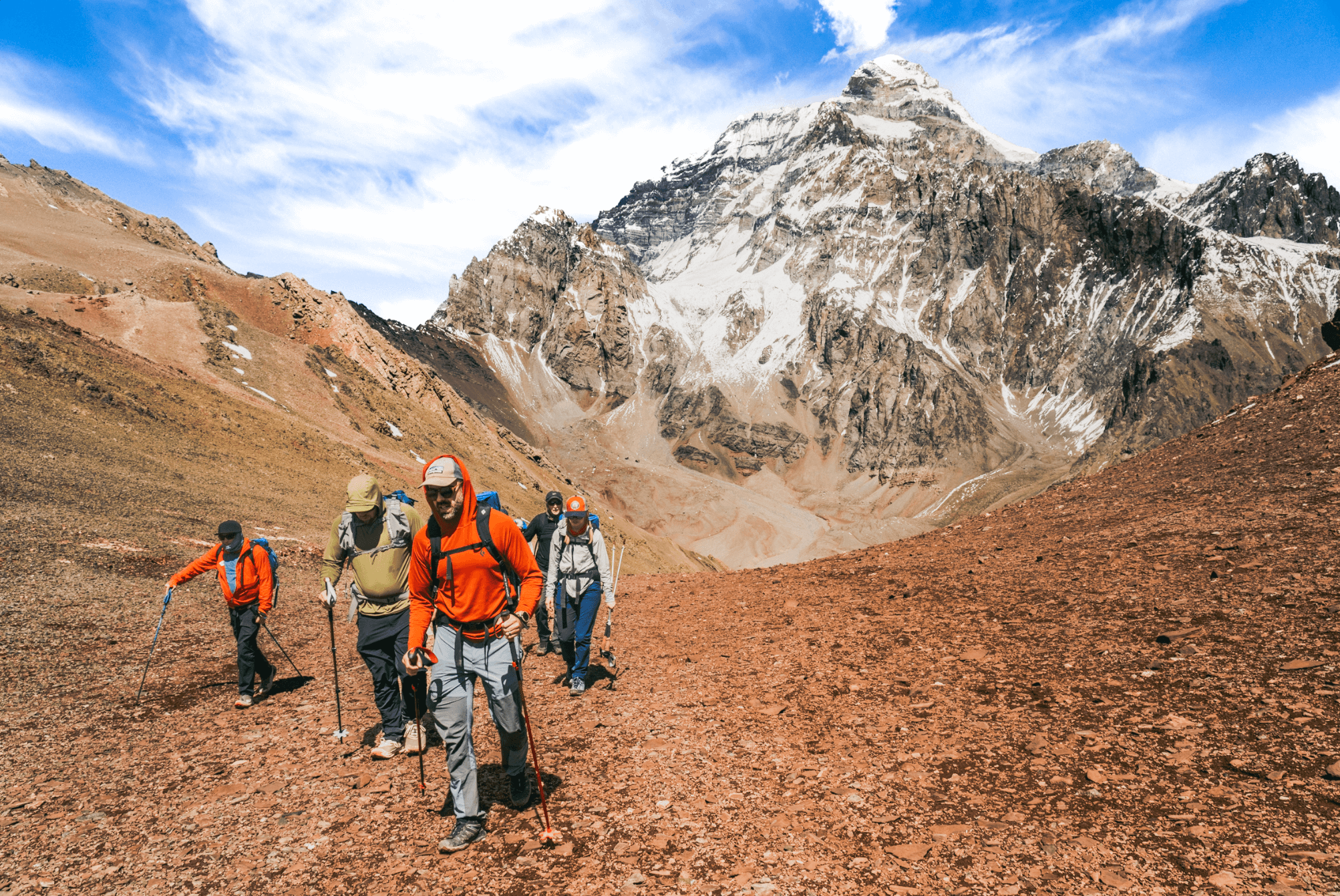
Why We Use Rapid Ascent on Aconcagua
Rapid Ascent is how we manage altitude exposure to keep people safe, moving efficiently, and spending less time away from home. On Aconcagua, it gets us into the mountains quickly while the body acclimatizes. Moving fast doesn’t make it easier. It demands more discipline, communication, and paying attention day to day.
It works because it’s structured. Every decision matters: when we go up, how we recover, what we eat, how much we drink. It creates a different rhythm than most climbs, one built around efficiency and consistency instead of dragging things out.
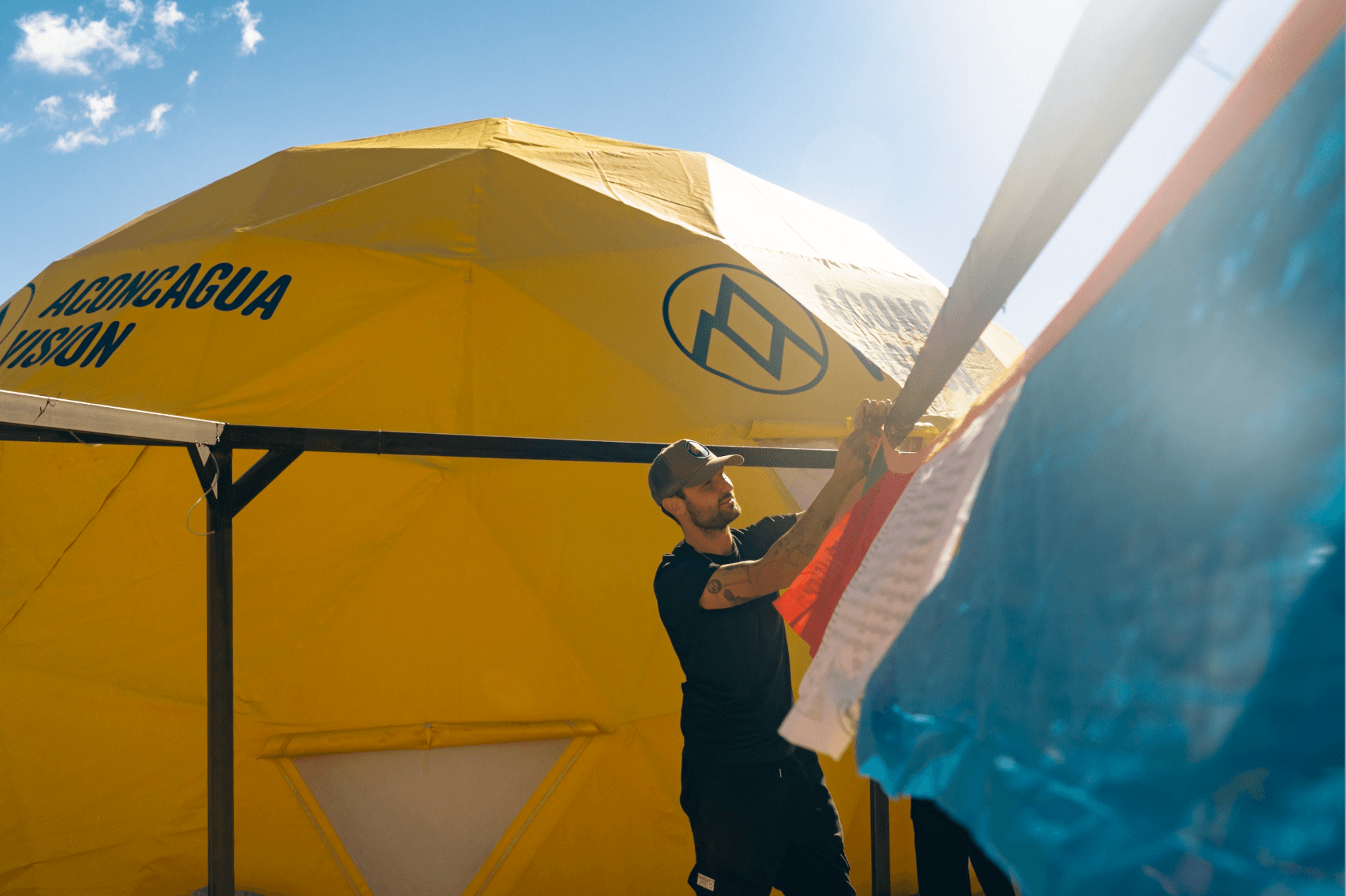
The First Big Jump to Base Camp
Rapid Ascent is why we can go from 2,000 feet in Mendoza to 14,000 feet at base camp in one day by helicopter. That’s a big jump. People feel it those first few days. You might be tired, winded, headachy. Sleep can be rough the first night. Your appetite might be all over the place.
That’s normal. It’s acclimatization happening in real time. We make that clear from the start: feeling off early doesn’t mean something’s wrong.
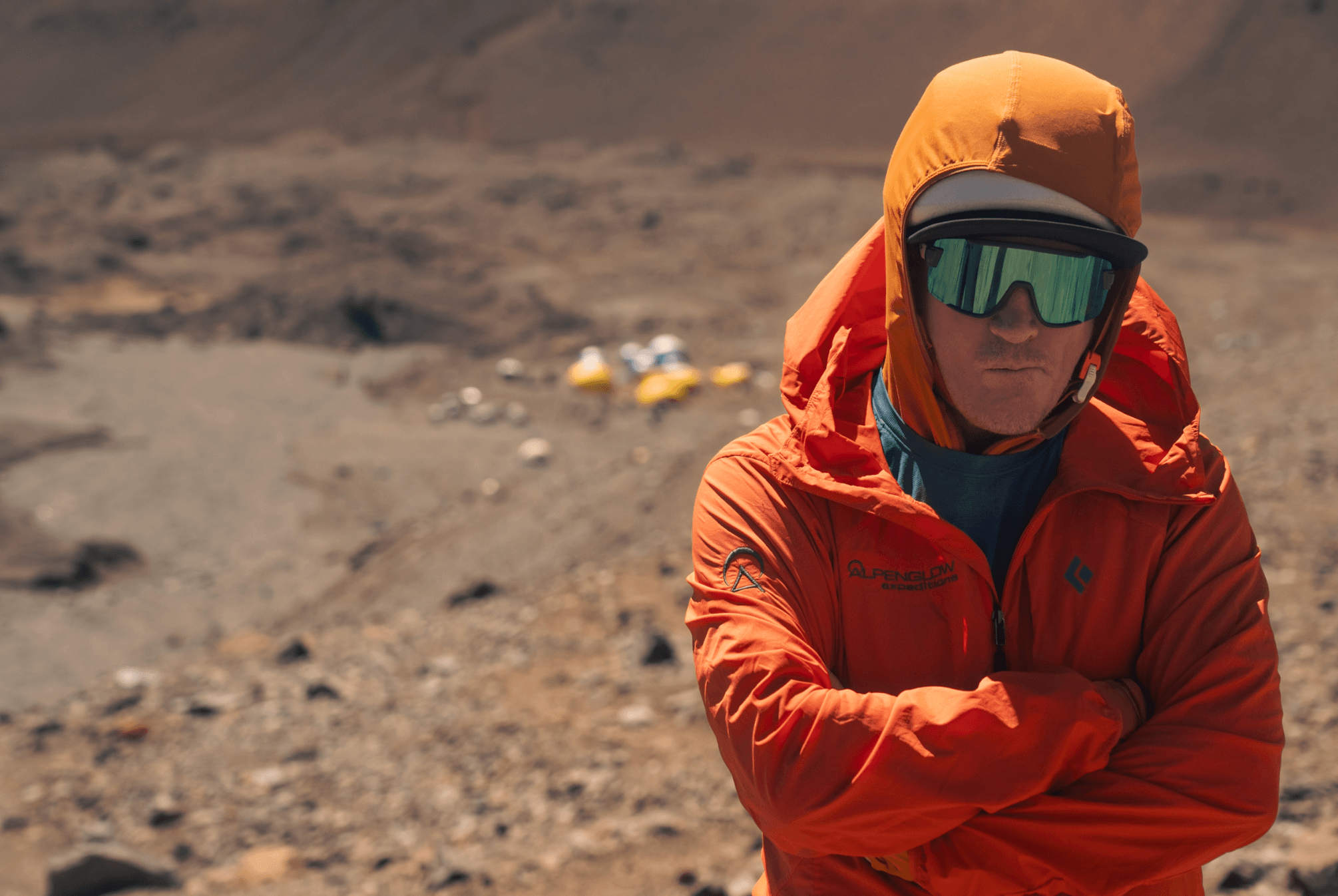
Guidance, Reassurance, and Communication
A lot of Rapid Ascent happens during downtime. In those early days, guides help people make sense of what they’re feeling. We remind everyone to speak up early, even about small things.
High altitude always involves discomfort. We’re upfront about that. One thing we say throughout the climb: it’s okay to suffer, just don’t suffer in silence.
Active Acclimatization
The first acclimatization hike up to 15,500 feet is the first real test. Guides emphasize slow, controlled pacing and deliberate breathing. Moving up to Camp 1 at 16,500 feet builds on that. It’s a long day with heavy packs, and the body starts responding.
From here on, nothing feels easy. But you start to notice how effort and recovery balance out. We push hard for a few hours, then rest with solid accommodations and hot meals. Camp 1 is where people really start to understand pacing, breathing, and what kind of movement they can sustain.
Daily Maintenance Makes the Difference
Rapid Ascent lives or dies on daily maintenance. Calories, hydration, pacing. None of it’s optional. Small lapses add up fast at altitude, especially on this schedule. We constantly emphasize fueling, drinking, staying ahead of fatigue. Our support staff makes it as easy as possible.
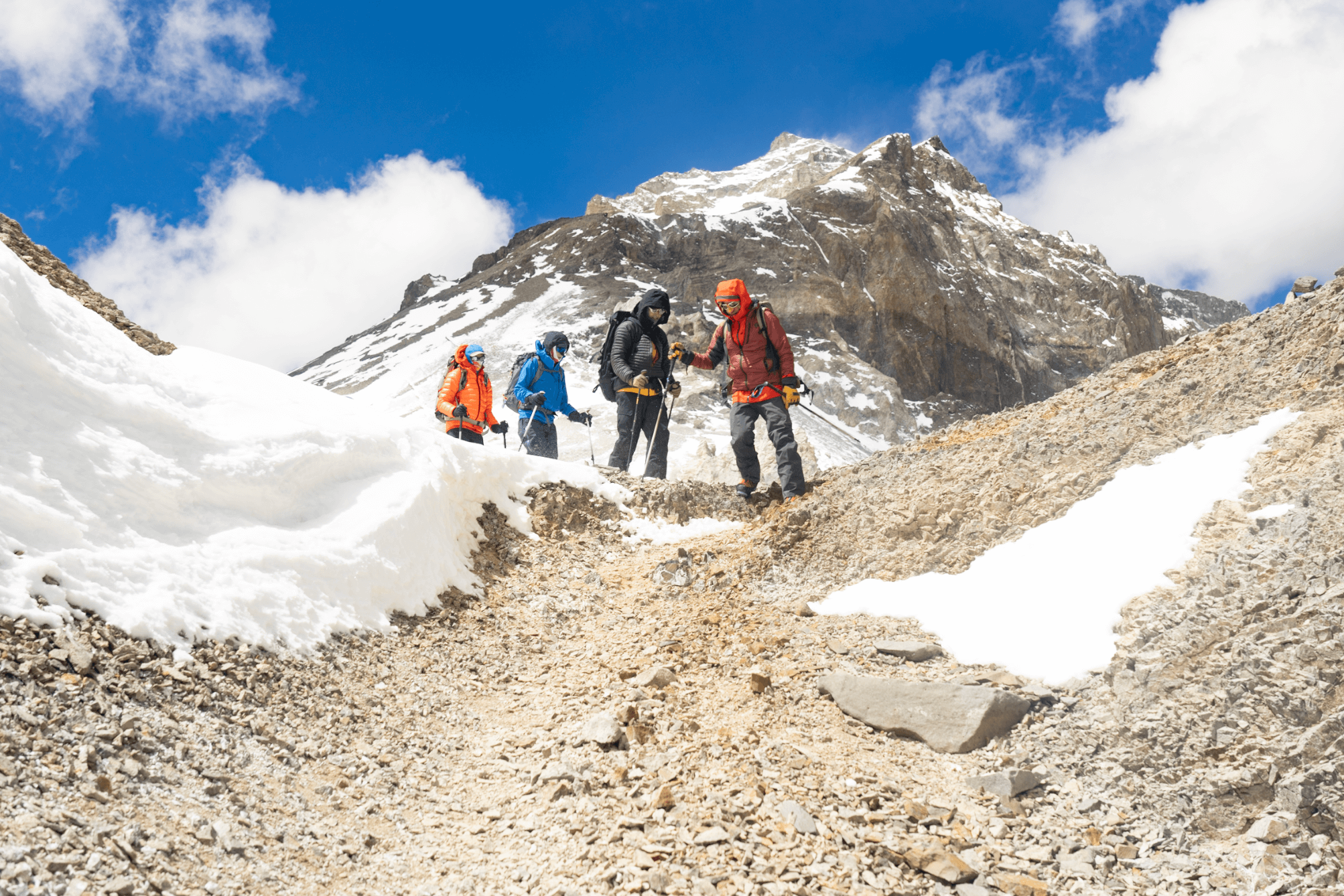
Camps 2 and 3: Intention and Restraint
At Camp 2 around 18,000 feet, everything feels heavier. We’re living almost 4,000 feet higher than anywhere in the lower 48. Moving slowly matters more. Breathing deliberately matters more. Recovery time matters more. Honest self-assessment becomes critical. That’s why we usually spend two full rest days here.
Same approach goes at Camp 3 around 19,600 feet: steady progress and clear awareness of how everyone’s doing.
Summit Day and the Real Advantage of Rapid Ascent
Summit day is hard. Rapid Ascent doesn’t change that. What it does is manage cumulative fatigue so people hit maximum energy when it matters most. If you’ve made it to Camp 3, you’re tired. No way around it. By moving efficiently earlier, we get there ready for the push without being worn down by extra days trekking to base camp or wasting time at altitude.
That means better physical and mental clarity. That clarity supports better decisions, steadier movement, and a higher chance of success.
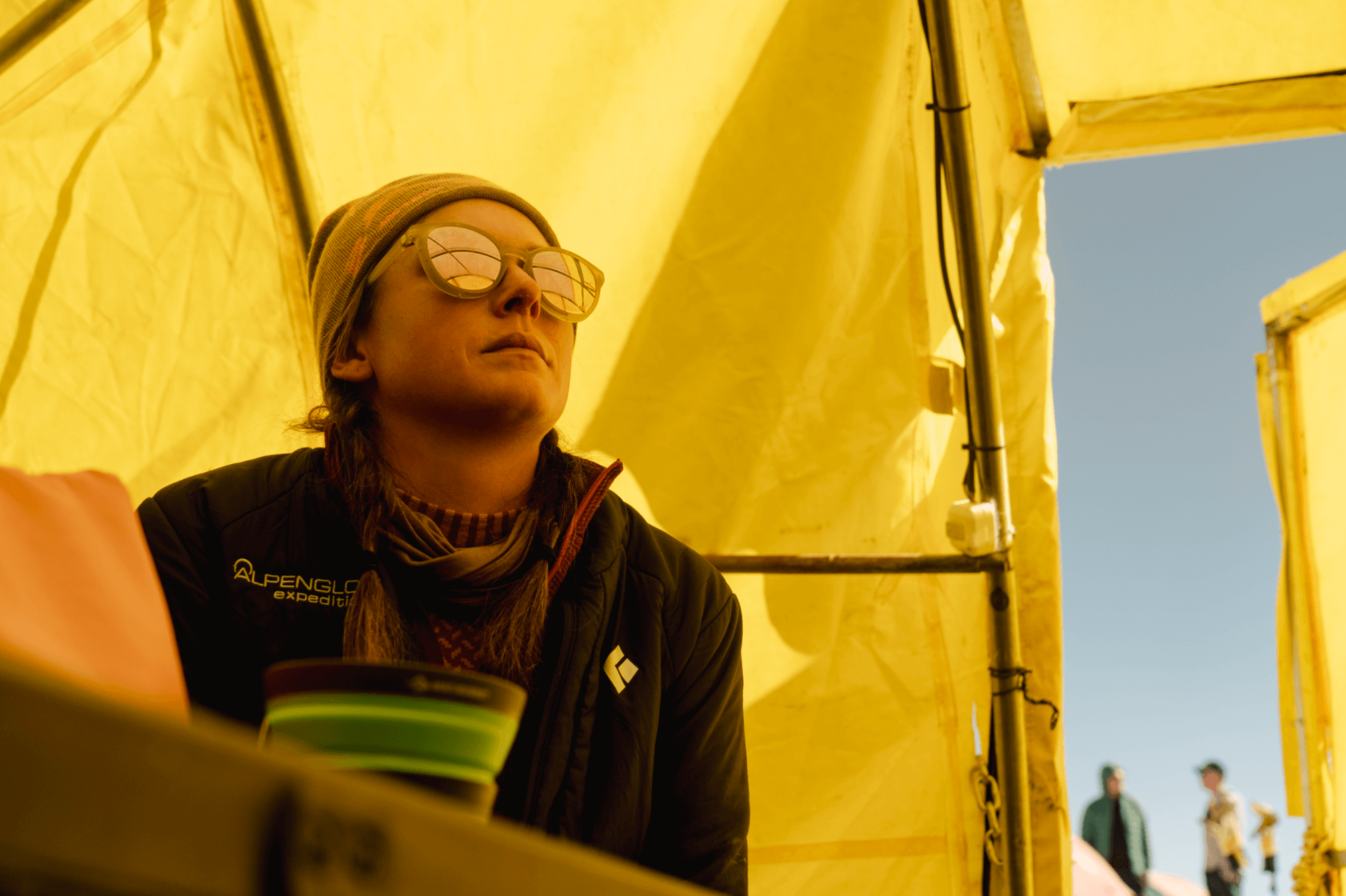
Standing on the Summit and Feeling Good
Rapid Ascent gets us to summit day faster. It still demands everything a traditional, longer itinerary requires. The climbing effort is equivalent, sustained, and challenging all the way to the top. When it all comes together, there’s nothing quite like standing at nearly 23,000 feet, breathing hard, legs tired, mind clear, and feeling good in a place where that feeling is rare.
That’s what Rapid Ascent is all about.
Questions about our expeditions? Reach out to us HERE or take a look at our calendar and schedule a meeting with our experts.
Rapid Ascent Expeditions
- 32.653179° S, 70.010868° W
- 28.099722°N , 86.66°E
- 0.180653° S, 78.467834° W
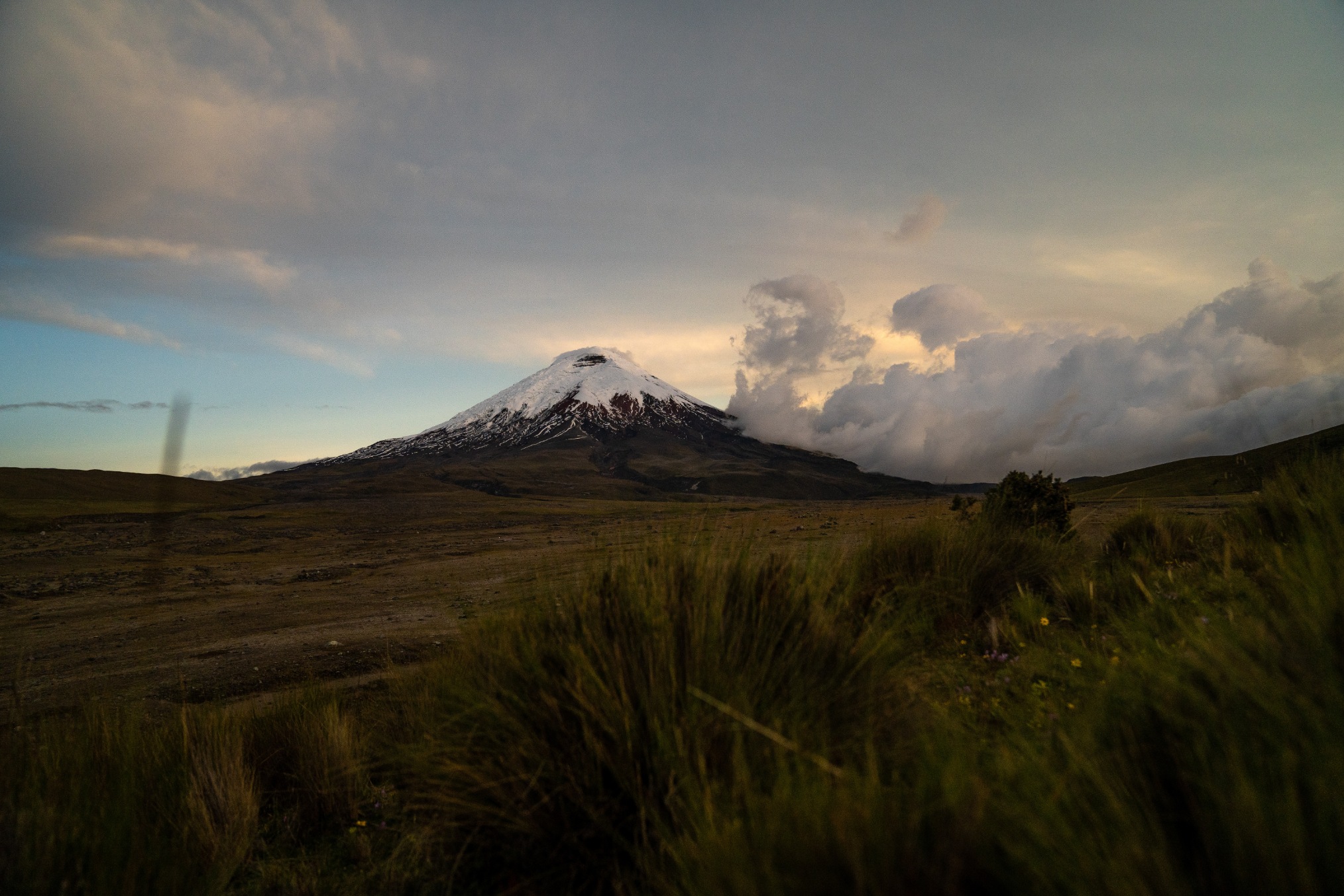
- 63.0692° N, 151.0070° W
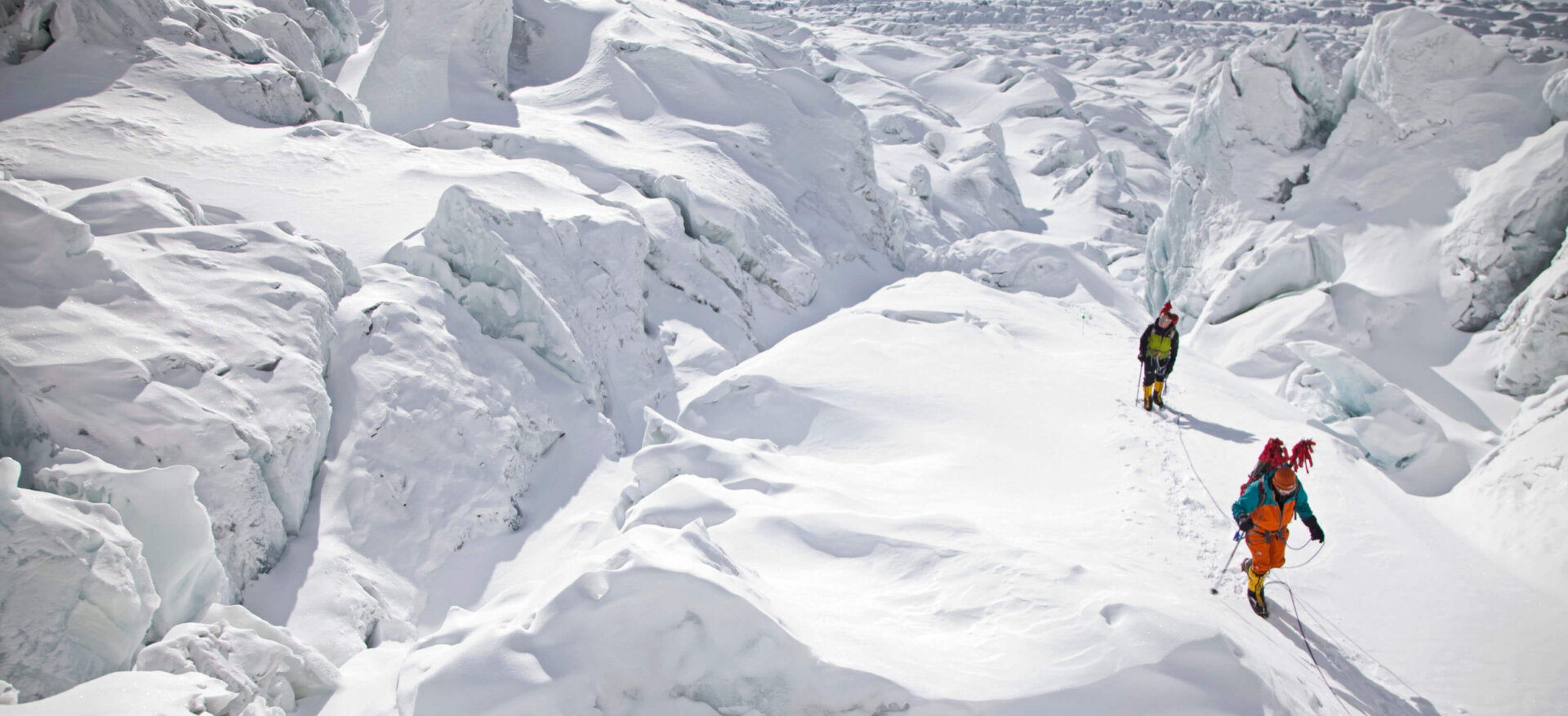
- 30.5723° N, 104.0665° E
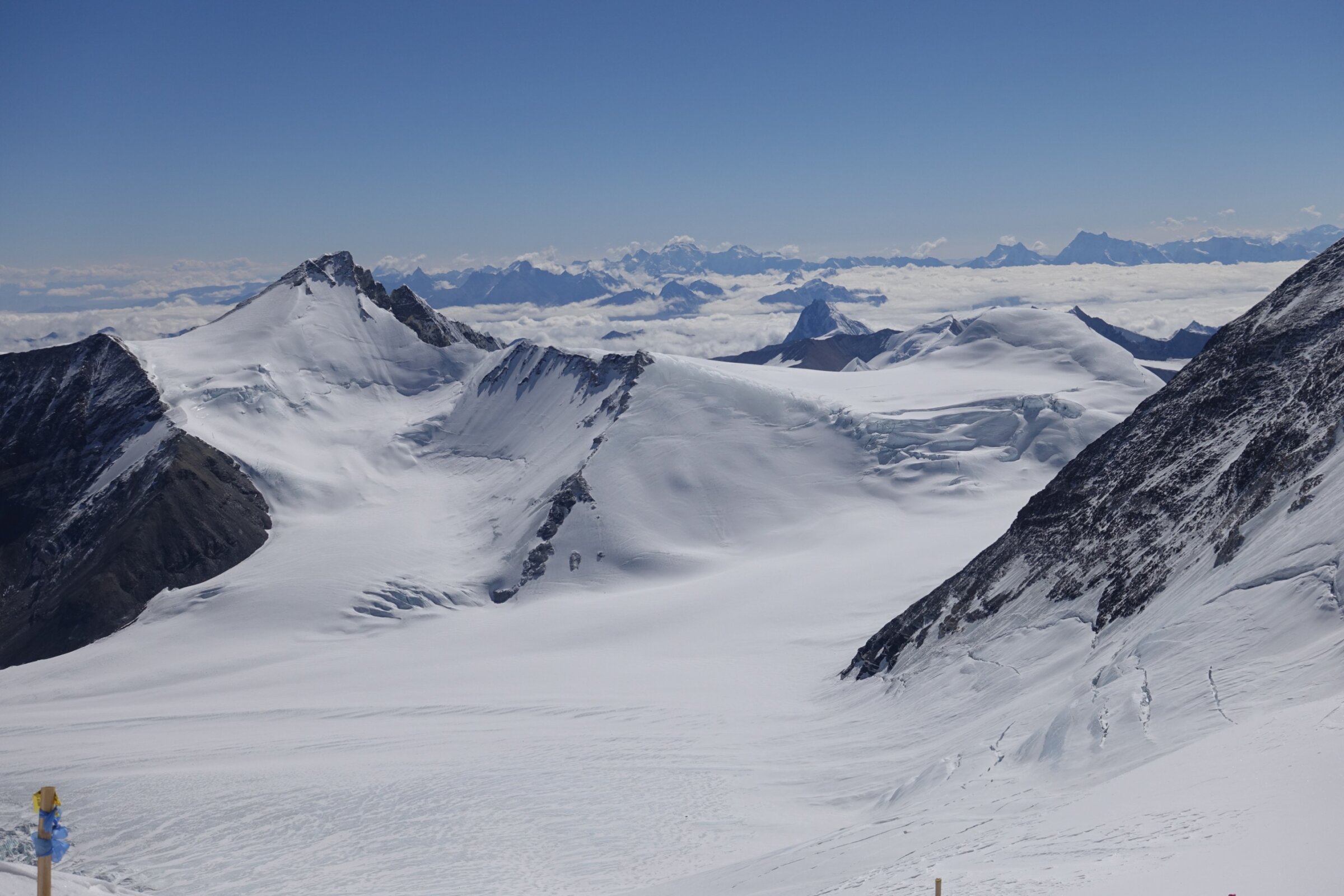
- 27.7172° N, 85.3240° E
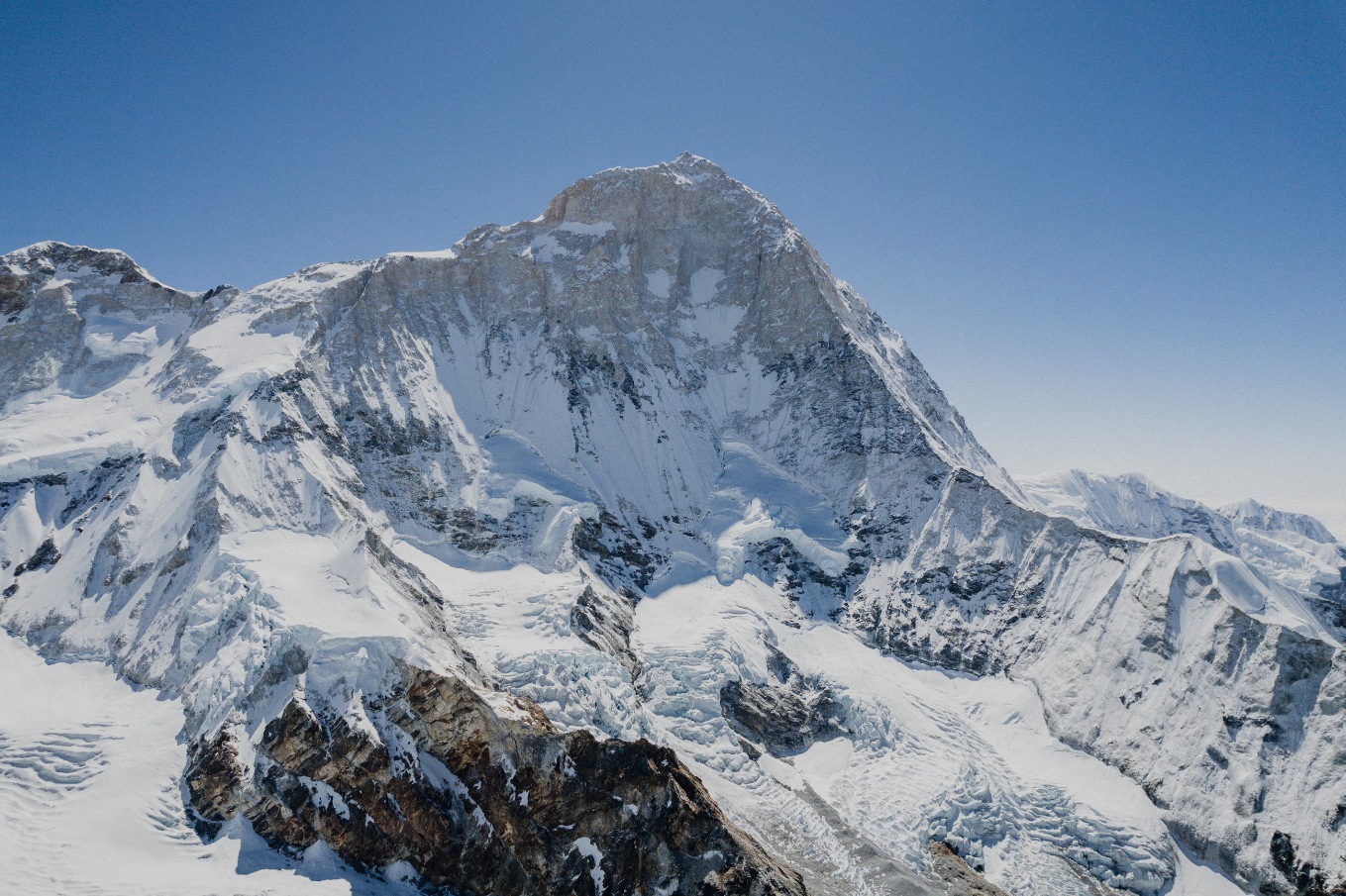
- 43.3499° N, 42.4453° E
- 33.4489° S, 70.6693° W
- 39.34° N, 72.88° E
Read More About Aconcagua
A Brief History of Aconcagua
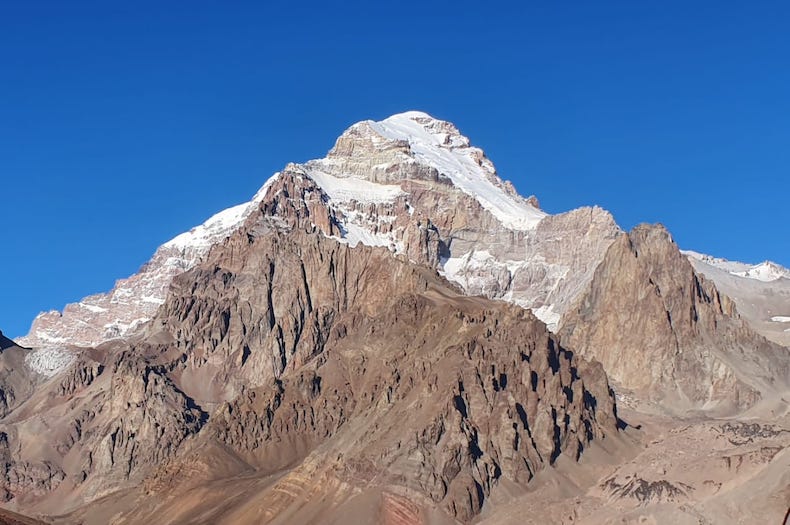
Aconcagua, standing at 22,831’/6,959m, is the highest peak in the Americas and one of the Seven Summits. Its history is rich and multifaceted, beginning with the indigenous cultures that inhabited the region long before modern mountaineers arrived. Today, it’s a popular peak forintermediate climbers to break into 7,000m, and an excellent step on the way to preparing for Mt. Everest.Read the story
Climbing Aconcagua the Smart Way
Learn how pre-acclimatization, expert guides, and smart logistics makes South America’s highest peak more accessible—without cutting corners.Read the storyClimbing Aconcagua: Changes Adrian Ballinger Has Seen Over the Years
Alpenglow owner and founder Adrian Ballinger started guiding and climbing Aconcagua in the late 1990s, around the same time that high-altitude mountaineering saw a massive surge in popularity around the world. However, regulations, ethics, and best practices in the mountaineering world failed to keep pace with the growth of the sport.Read the story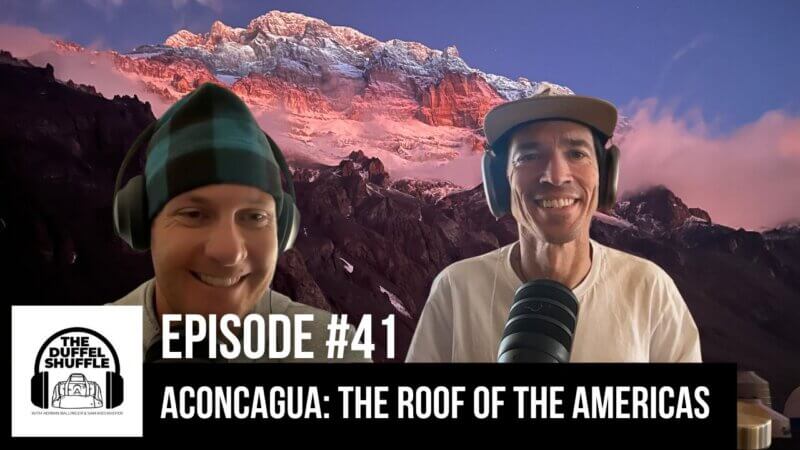
Episode 41: Aconcagua, The Roof of the Americas
The Duffel Shuffle podcast is kicking off a 7-Episode series, covering all things seven summits. Adrian and Sam start with Aconcagua, the tallest mountain outside of the Himalaya, and the tallest peak in South America. Aconcagua, which was first climbed in 1897, sees approximately, 3,000-4,000 attempts annually, with a success rate of roughly 30-40%.Read the story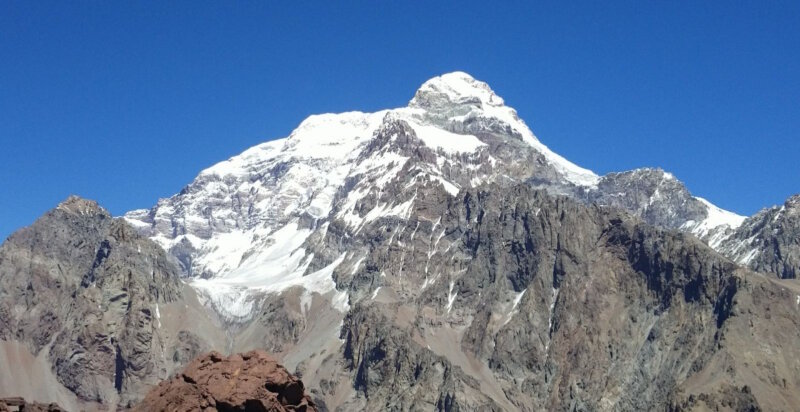
From Climbing Schools to the Seven Summits: Why Aconcagua is the Next Step for Intermediate Climbers
Aconcagua, standing at 22,837 feet, is an excellent progression for climbers who have completed one or more of Alpenglow’s climbing schools in Ecuador, Peru, or Mexico. Here’s why the Aconcagua Rapid Ascent Expedition makes sense:Read the story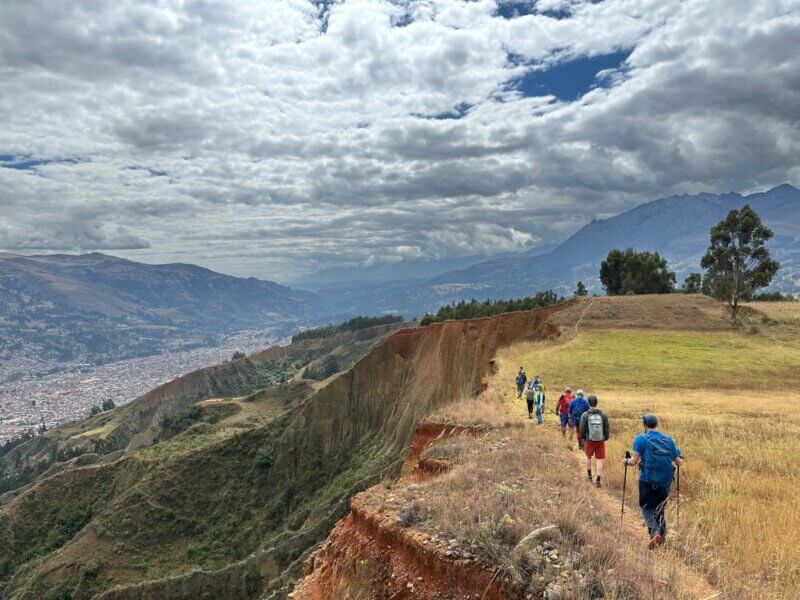
How Alpenglow’s Peru Climbing School Prepares You for Aconcagua and Everest
If you have dreams of climbing Aconcagua, Everest, or other high-altitude giants, proper training is essential. Alpenglow Expeditions’ Peru Climbing School is designed to build the technical skills, acclimatization strategies, and expedition mindset needed for success on the world’s biggest mountains.Read the story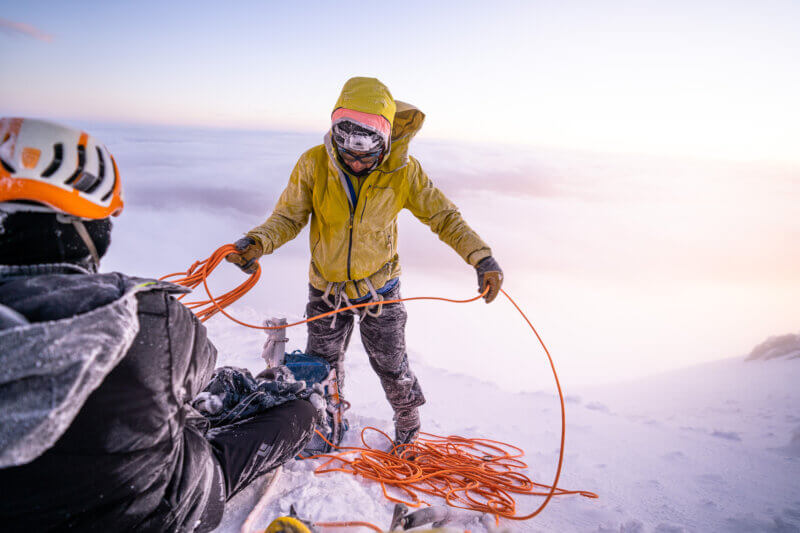
“Give Yourself the Time”: Graduating from Trekking to Climbing with Topo Mena
While ‘walking’ may sound trivial, a number of big mountains involve a lot of walking, albeit in extreme places. To talk about the journey, we connected with IFMGA-certified Alpenglow guide Esteban ‘Topo’ Mena about graduating from trekking to climbing. For beginners, he had this advice to offer: “At first, it’s important to give yourself the time to walk in the mountains and appreciate the land and the opportunity to just be there.”Read the story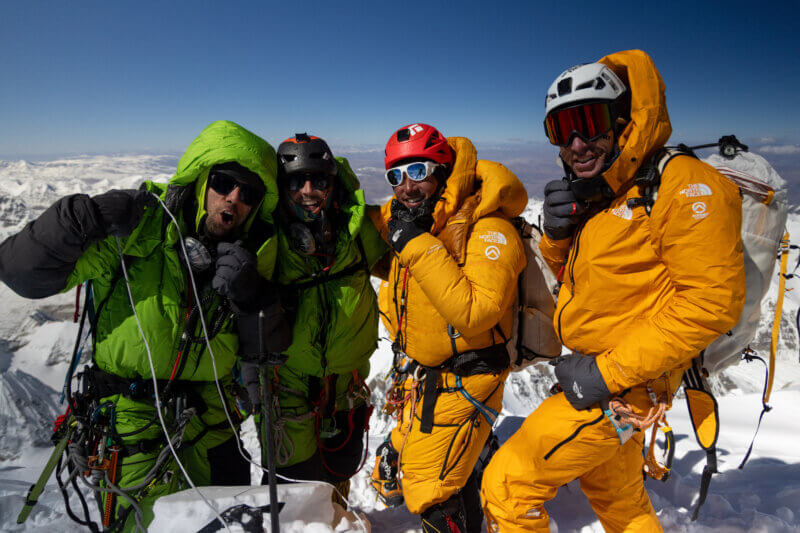
2025: A Year in Review at Alpenglow Expeditions
As 2025 comes to a close, we have been taking a moment to look back. Not just where we went, but how we showed up, and who we shared it with.Read the story
Comparing Acclimatization Approaches in the Andes, Himalaya, and Pamirs: How Alpenglow Expeditions Tailors Its Programs for Success
When it comes to climbing high-altitude peaks around the world, how you acclimatize can make or break an expedition. The Andes, Himalaya, and Pamir ranges each present unique challenges based on altitude, terrain, and logistics — and acclimatizing properly to these environments requires an approach that fits the mountain, not a one-size-fits-all plan.Read the story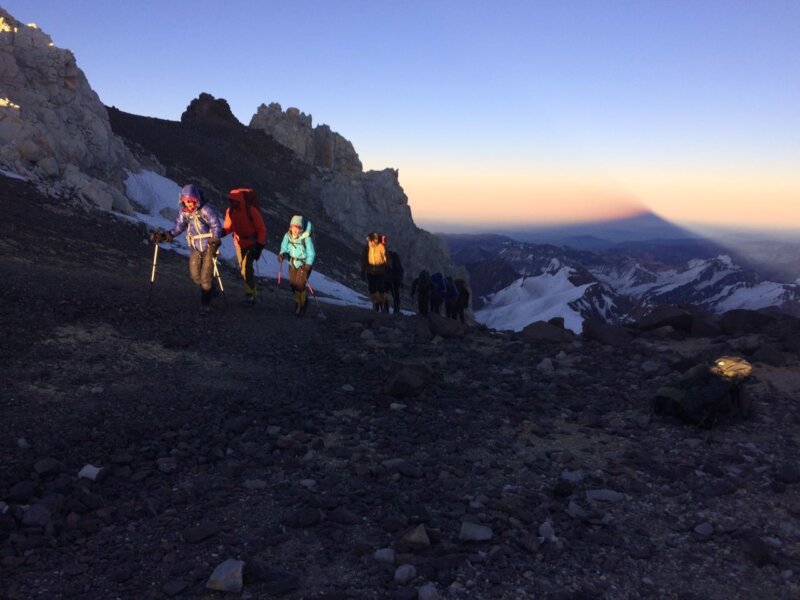
Climbing Aconcagua’s 360° Route
The 360° Route on Aconcagua is a less crowded, less technical route that combines the best parts of four other popular routes on the mountain.Read the story