Five Truths About High Altitude (And How to Handle Them)
Below are obstacles that every high altitude climber runs into, and ways to get over them.
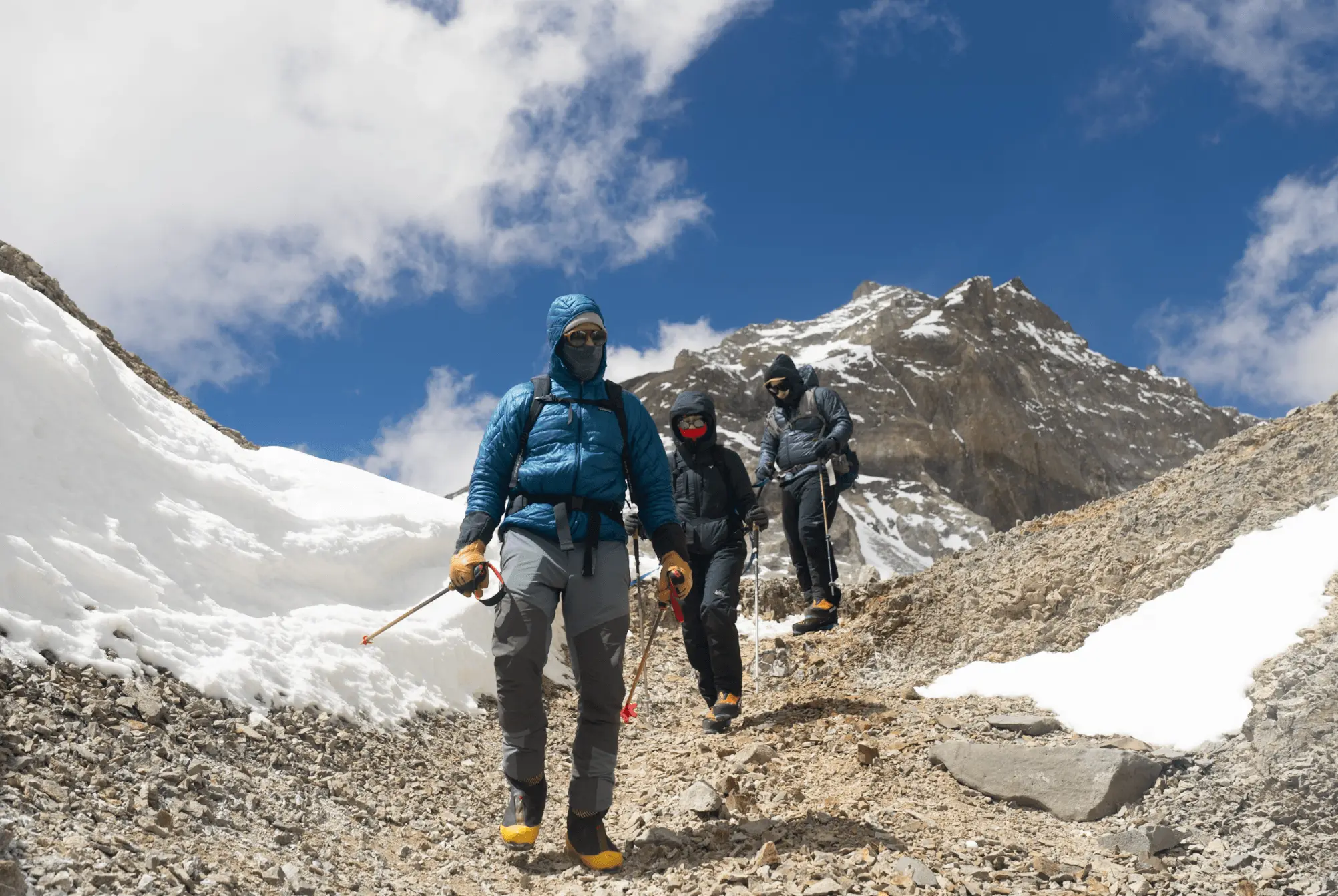
This season, like every year, our teams stepped onto Aconcagua with strong fitness, a disciplined training block behind them, and a clear plan. As always, the objective is simple on paper: acclimatize well, move efficiently, and take advantage of the right weather window to stand on the highest point in the Western Hemisphere at 22,841 feet.
What unfolded over the course of the expedition were near-constant reminders of what high altitude climbing really means. It is not dramatic every minute, nor is it miserable the entire time. It is a steady negotiation between what we bring to the mountain and the mountain itself. It is demanding in quiet ways. And when handled well, altitude can be deeply rewarding.
Here are altitude’s ugly truths, as seen on Aconcagua:
1. Everything Feels Hard
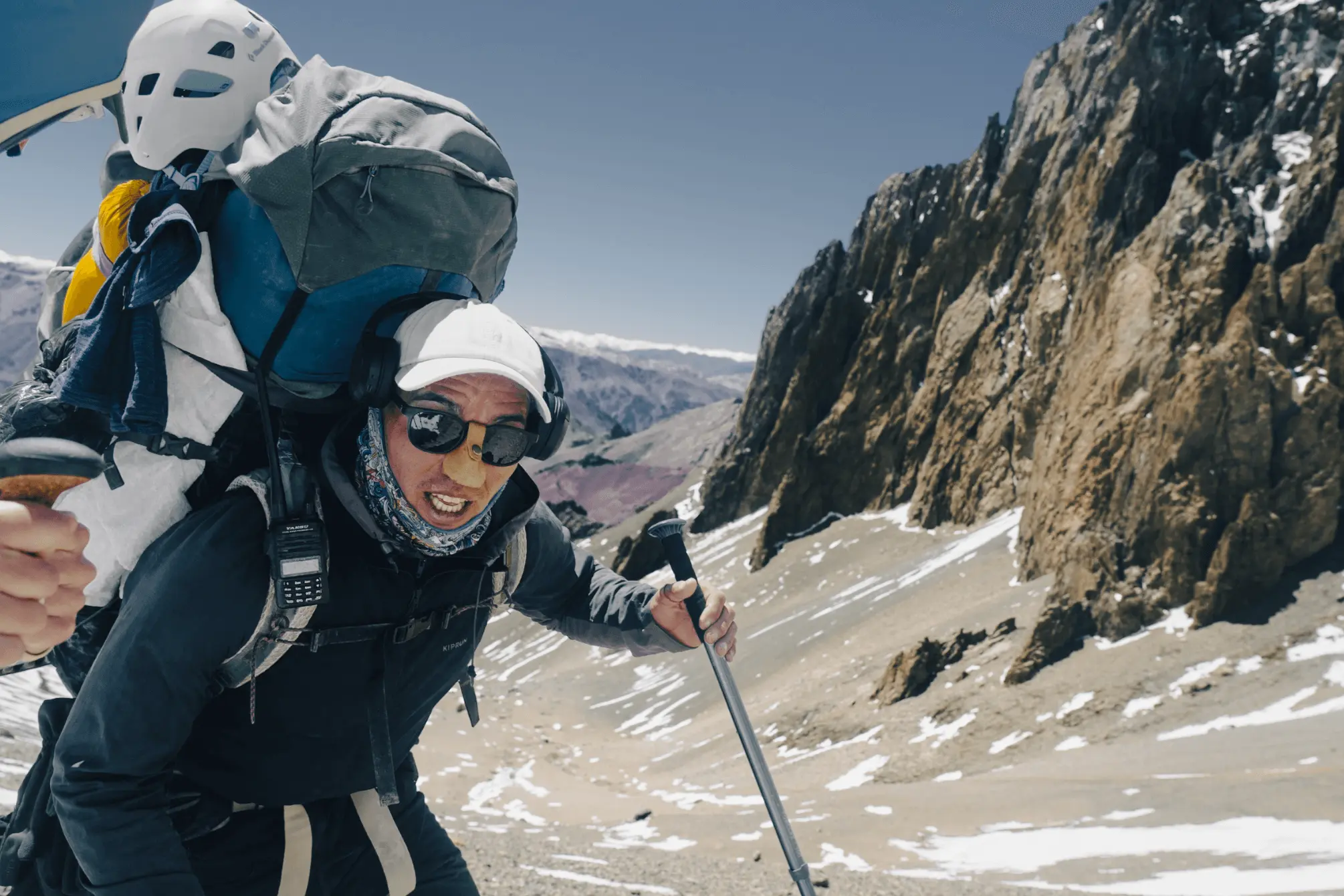
Above Base Camp, the air feels different. Less so in a cinematic way, though the experience is incredibly cinematic; but more so in a practical one. Breathing becomes more deliberate, movement is more taxing, every step becomes measured. Mild headaches might come and go, often hitting you when bending down to adjust boots or standing up too quickly. Small efforts that might feel inconsequential at lower altitudes now have consequences.
On Aconcagua, both pre-acclimatization and natural acclimatization build our momentum up the mountain. Movement and rest days both have unique purpose. The approach is steady, and that steadiness pays off. We never try to overpower the mountain.
Instead of demanding heroics, altitude rewards rhythm.
2. Your Appetite Will Dull and Fade
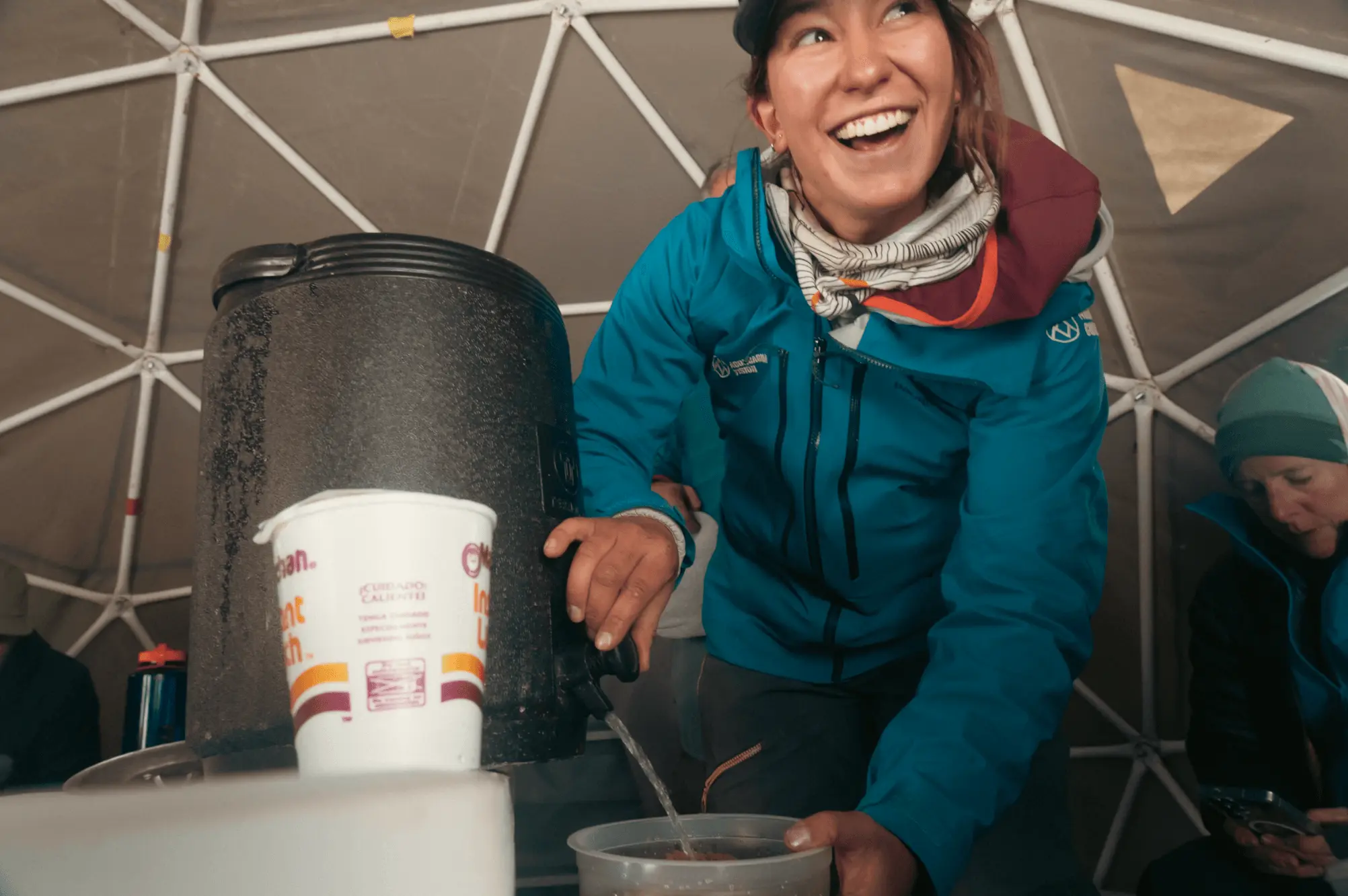
One of the more honest realities of Aconcagua, and any high-altitude climb, is that appetite often dulls as elevation increases. It might just be that you aren’t hungry, despite whatever massive effort you put in that day. The body is working hard to maintain blood flow to our vital organ systems, and unfortunately, our digestive system doesn’t make the cut.
With that, it’s extremely important to think about eating as part of our daily workload. Warm soups, simple carbs, and frequent snacks can help keep energy levels stable.
Some people swear by running gels or protein bars, others rely purely on things like gummy bears. Liquid supplements and electrolytes are commonplace on the mountain. Whatever you choose, it’s vital that you’ve got your system dialed before you get to the mountain.
The truth is, sometimes, we have to eat when we just don’t want to.
3. You Will Not Sleep as Well as You Do at Home
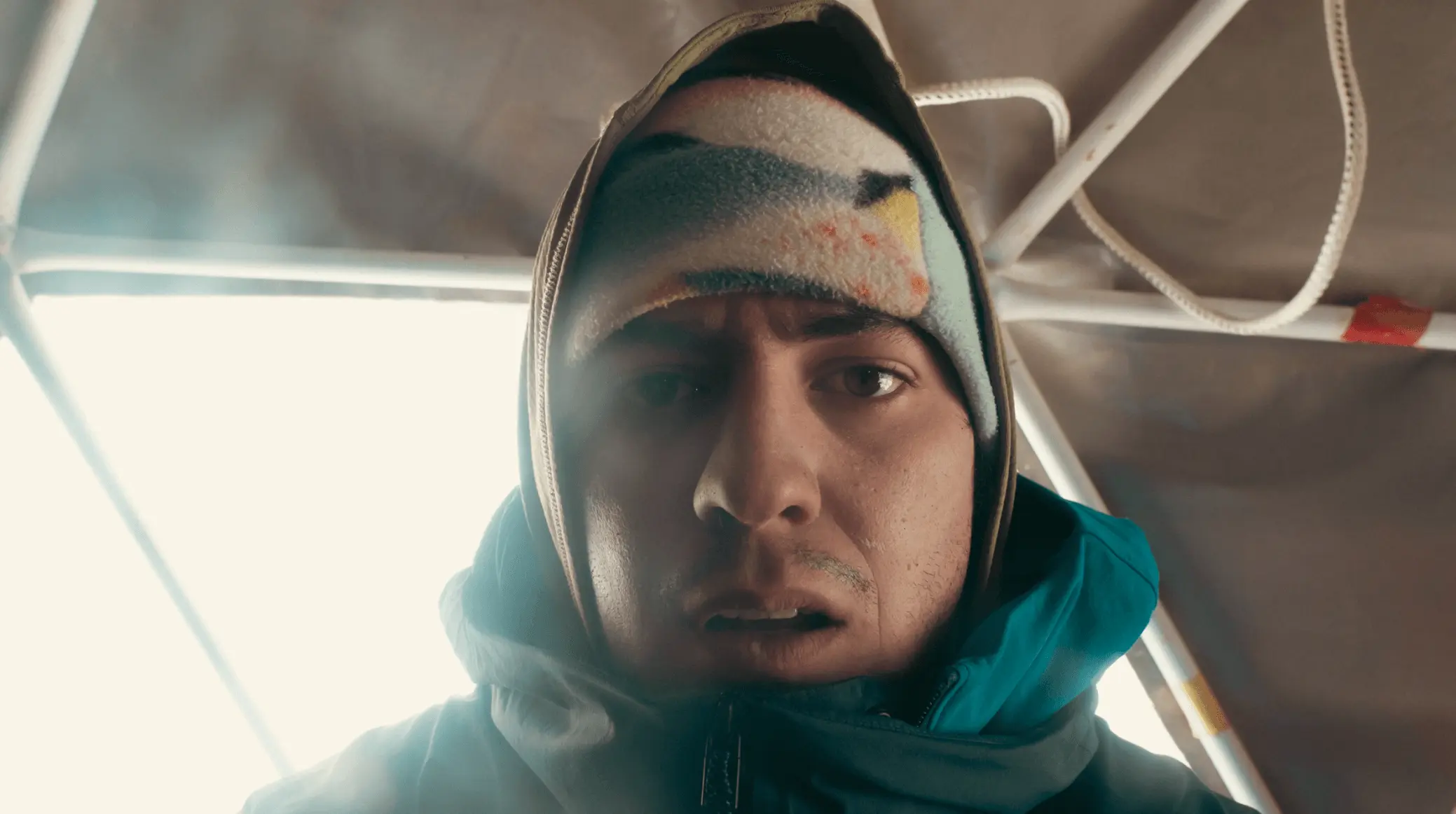
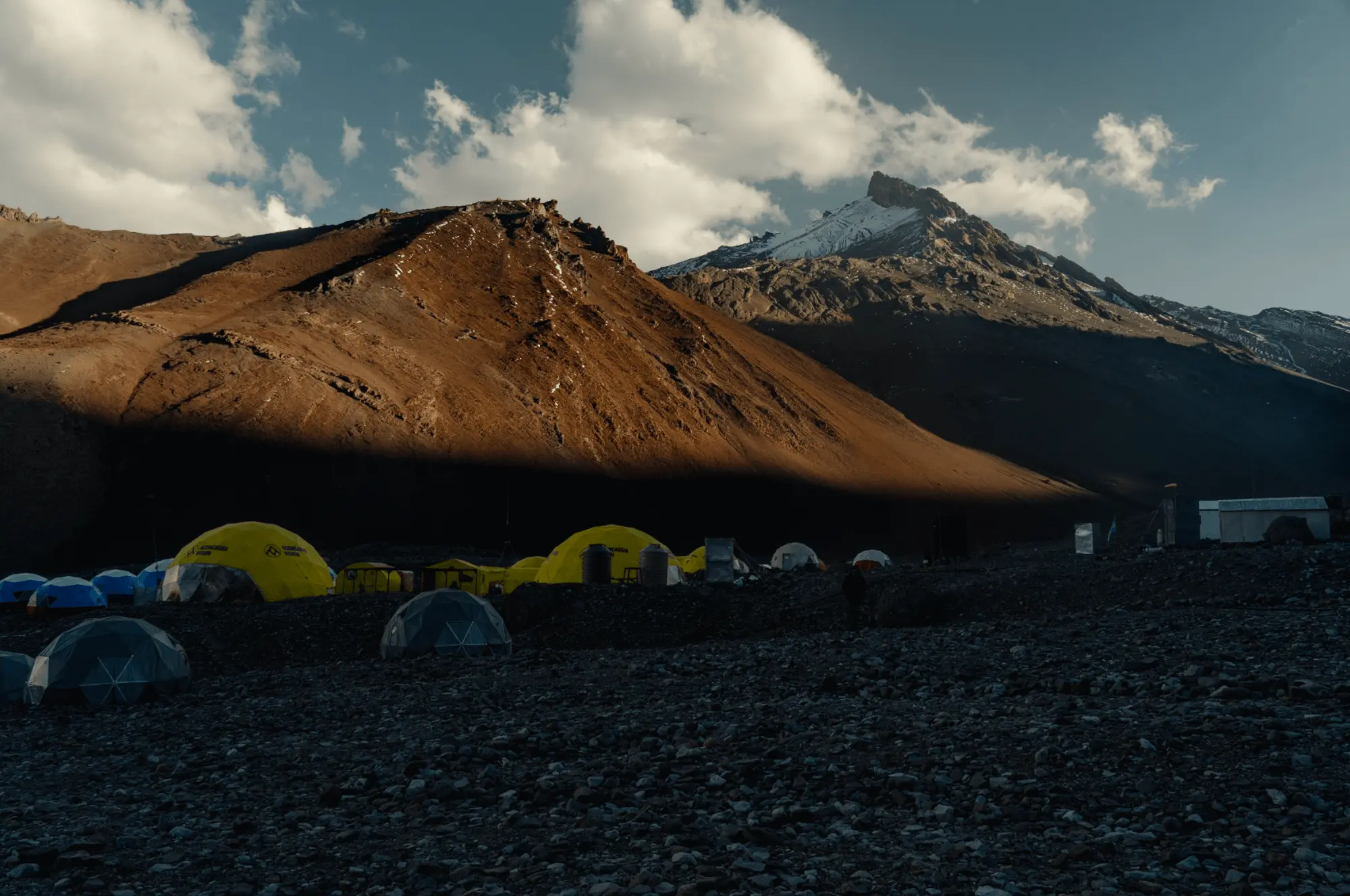
At and above 14,000 feet, sleep becomes lighter, more fragmented, and less predictable. Falling asleep can take longer than expected, and waking up every couple of hours is common, especially as camps move higher. During sleep, respiration naturally slows, which can briefly reduce oxygen saturation and trigger a corrective increase in breathing. That cycle is part of acclimatization, but it can leave climbers feeling less restored when the alarm goes off the next morning.
Because of this, the definition of a “good night” shifts on a high-altitude expedition. Four solid hours of rest can be meaningful. Five can feel exceptional. Rather than chasing perfect recovery, the focus turns toward just making it adequate. All that matters is that we get enough to move well, think clearly, and continue acclimatizing.
With that understanding, small systems begin to matter more. We can do our future selves favors by staging layers for the morning before crawling into the sleeping bag. A headlamp, a warm hat, and chapstick should be positioned where we can reach them without fumbling around in the dark. And yes: pee bottles reduce the need to repeatedly exit the tent into wind and sub-freezing temperatures. None of these habits are drastic, but each one lowers overall friction.
At altitude, comfort is cumulative. The small efficiencies and thoughtful adjustments made at the end of the day influence how the next morning begins. Over the course of an expedition, those marginal gains compound, helping transform a challenging environment into one that feels structured, manageable, and even enjoyable.
4. You’ll Have to Work Harder to Move Slower
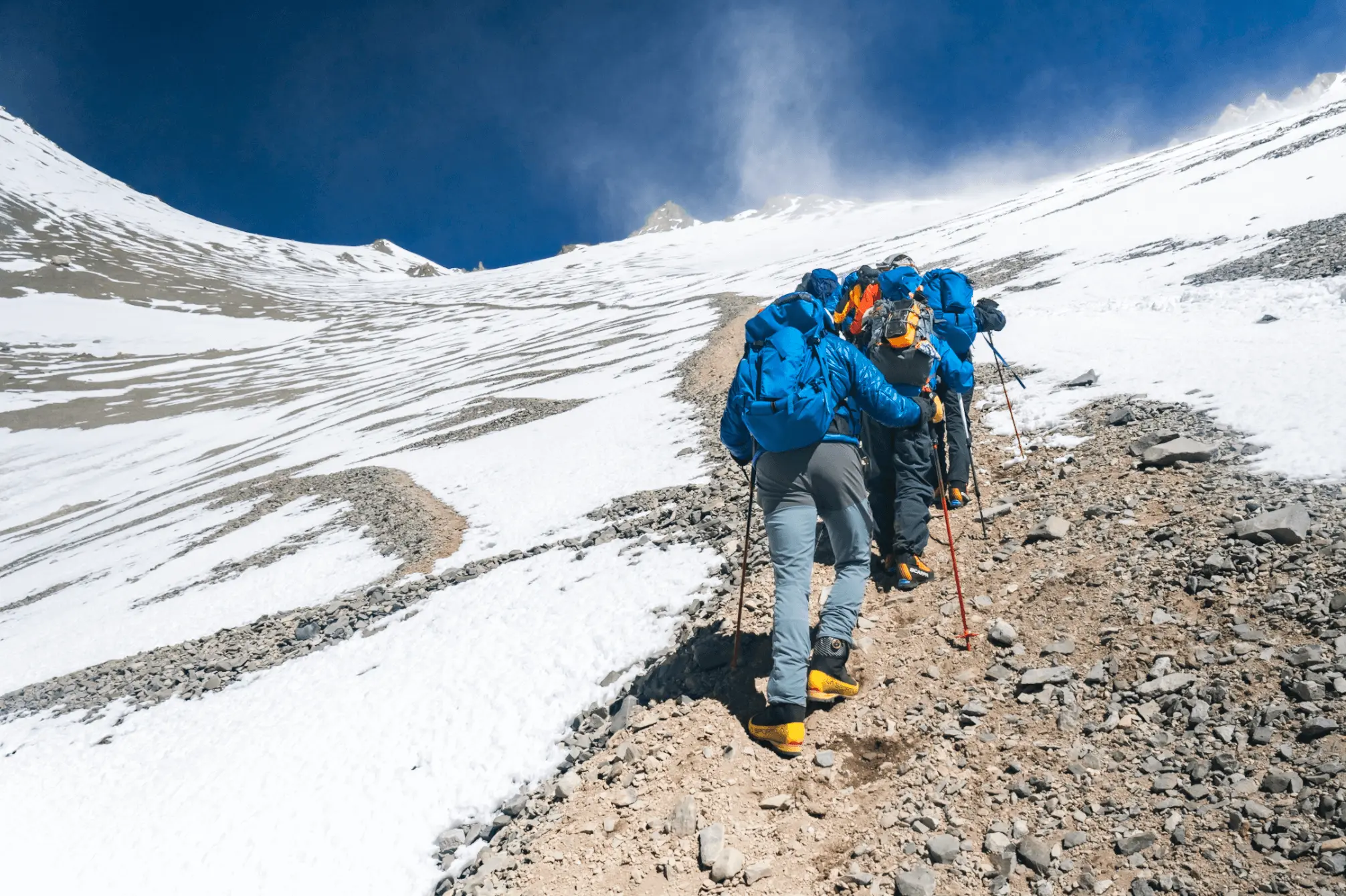
One of the most important lessons of altitude is that pace is everything. Above 20,000 feet, oxygen availability drops to roughly half of what it is at sea level. That single physiological reality reshapes how the body performs. Every step demands a greater percentage of available aerobic capacity, and the margin for inefficiency narrows dramatically.
When climbers move too aggressively in thin air, the body is pushed toward anaerobic metabolism more quickly. Heart rate rises disproportionately to output, breathing becomes reactive instead of rhythmic, and recovery between efforts stretches longer than expected. Over the course of a summit day that can last anywhere from twelve to eighteen hours, small surges accumulate into compounded fatigue. The mountain has a way of amplifying even minor pacing mistakes.
A slow, deliberate cadence keeps effort primarily aerobic, allowing oxygen delivery to remain steady and energy expenditure to stay predictable. Even the the weight and heaviness with which we step can be into a technical adjustment that extends endurance. Physiologically, this steadiness allows the body to buffer metabolic byproducts more effectively and maintain clearer cognitive function deep into the climb.
Summit day is where all of this slow movement up the mountain pays off. Consistent restraint leaves energy for later in the climb, when altitude presses harder and terrain gets more challenging. On Aconcagua, by the time we reached the summit ridge, our steady pace had compounded into strength reserves to keep pushing.
5. Your Brain Isn’t Going To Work As Well
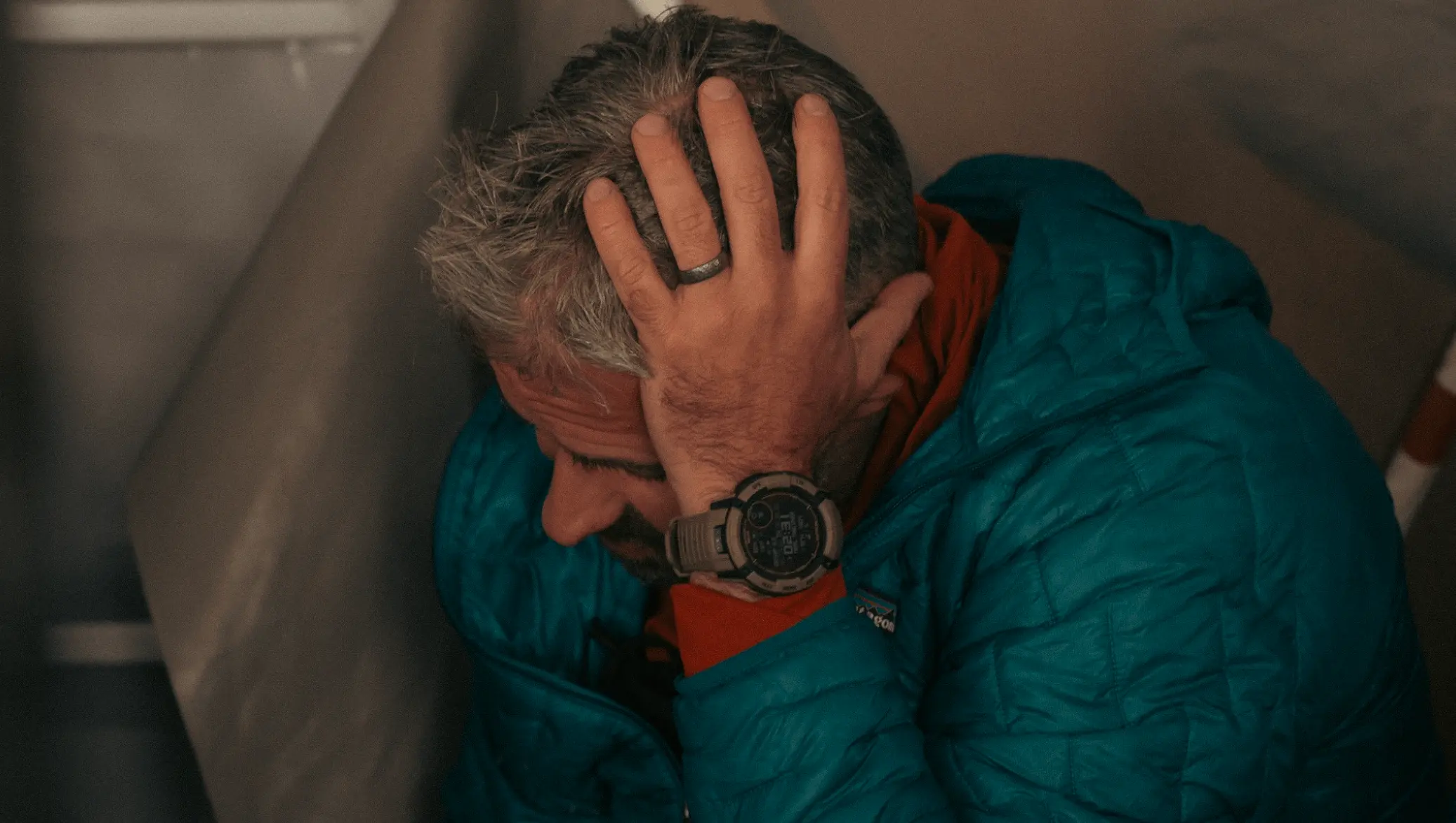
Reduced oxygen not only affects muscles. It also influences cognitive function. Research on high-altitude performance shows measurable changes in concentration, reaction time, and executive processing as elevation increases. Tasks that are automatic, like adjusting your sunglasses, fixing a zipper, layering and de-layering require more brainpower above 18,000 feet.
This is why it’s important to get comfortable with your systems. Make packing a methodical, almost thoughtless process. Know exactly what layers to wear and what to keep stored away depending on the day’s forecast. Rest every 30 to 60 minutes, and intake x amount of water and calories every time you do (think roughly 200mL of water and 100 calories at every rest, give or take).
Consistency reduces cognitive load and preserves energy for the climb itself. When the environment narrows your margin, preparation widens it.
Big Summits Are Earned Through Small Efforts
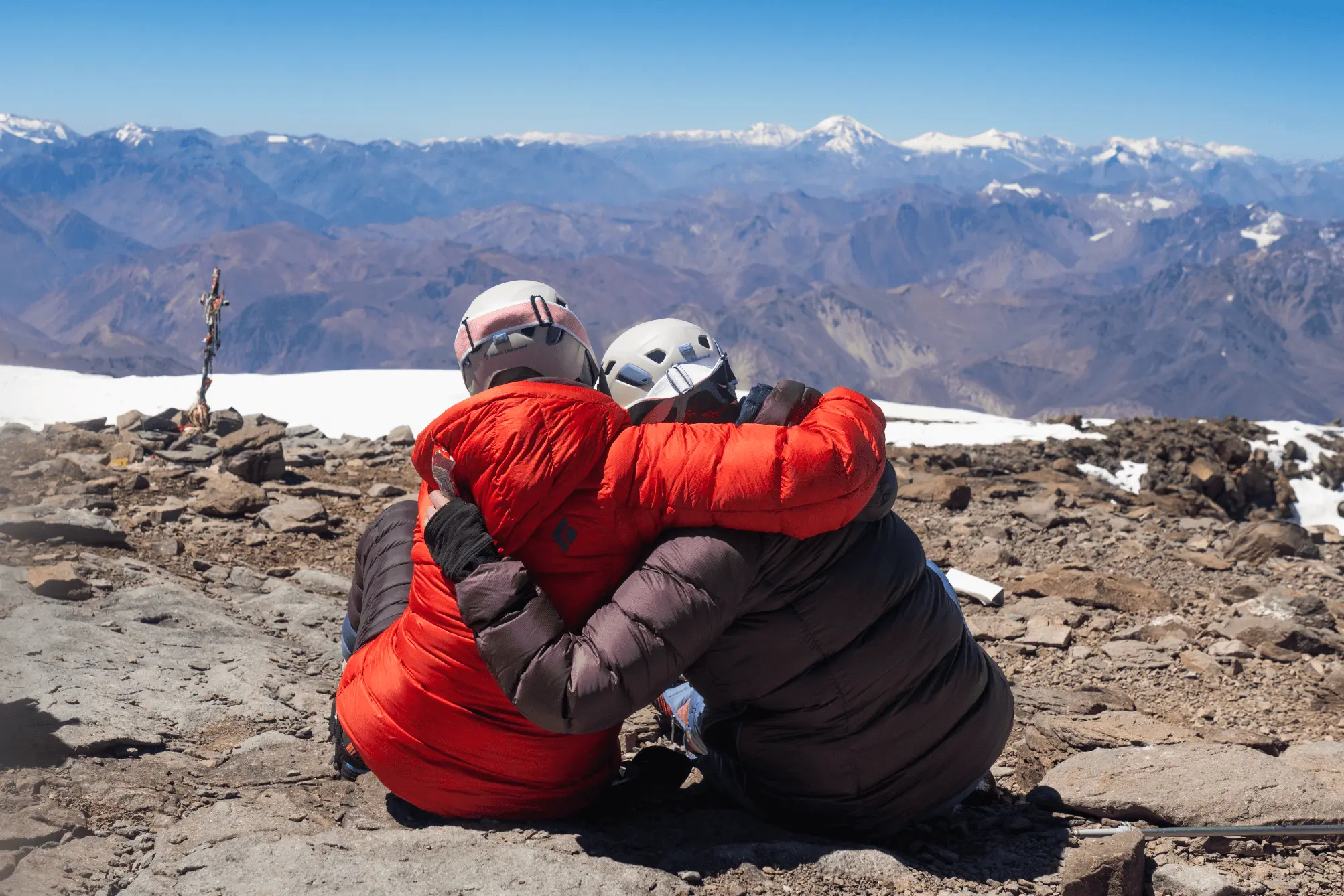
High altitude is shaped by small decisions repeated consistently. The slowed pace, the forced-down calories, the little things we do to make sleeping (and existing) that much more comfortable. None of these moments feel dramatic on their own, but together they determine how summit day ultimately unfolds.
The process itself rarely changes, if at all: altitude will always limit oxygen, disrupt sleep, and make overall life uncomfortable. When we accept that, we can focus on the things that are within our control: physical training, pacing, food management, and adherence to systems that make life easier. When our habits align with altitude’s ugly truths, the mountain becomes climbable.
The summit is a fleeting moment. The real achievement lies in the steady processes that make it possible.
Climbs Around the World

Read More About Aconcagua
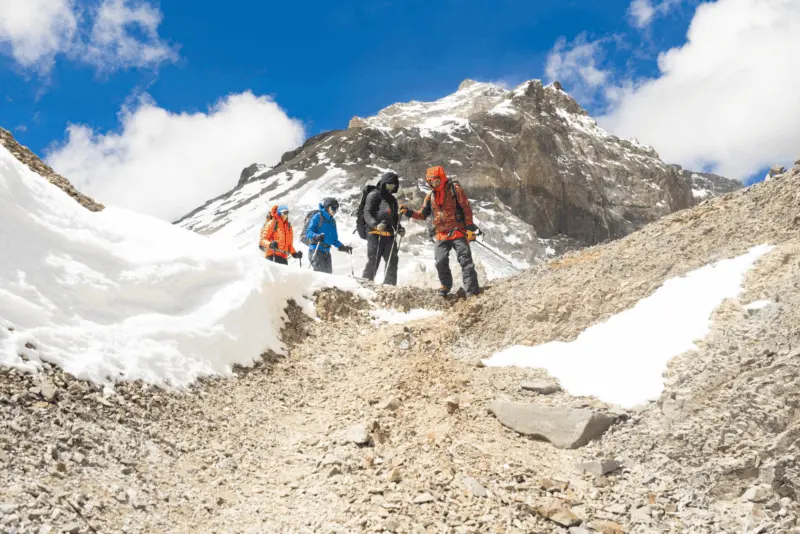
What Does Rapid Ascent on Aconcagua Feel Like?
How our Rapid Ascent system works on the tallest peak in the Americas.Read the story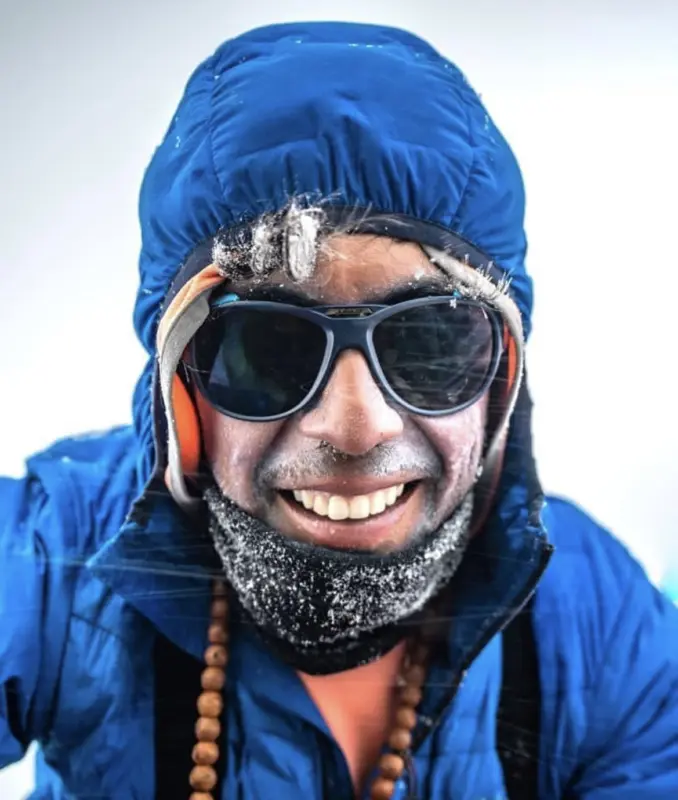
Inside the Mind of Topo Mena
After a bold ascent of the Messner Route on the South Face of Aconcagua, more than 250 summits of Ecuadorian volcanoes, multiple Grade VI Himalayan first ascents, summits of K2,…Read the story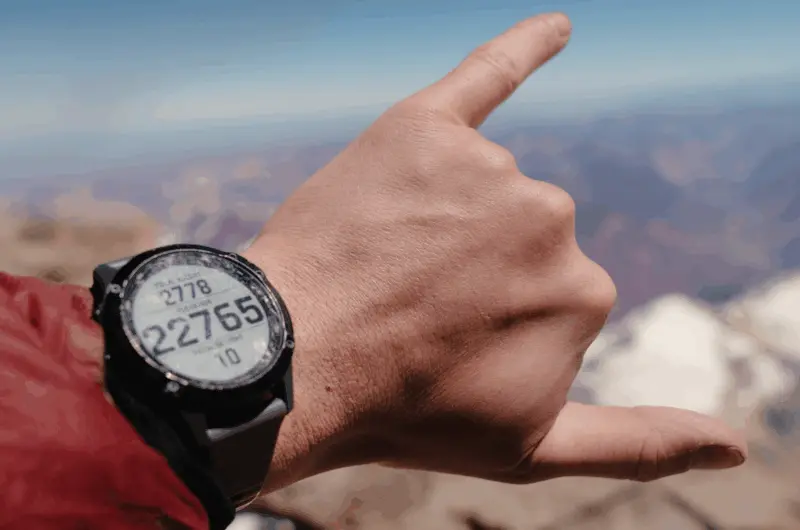
Training for the Mountains with a 9 to 5
What training for big mountains looks like with a full time job.Read the story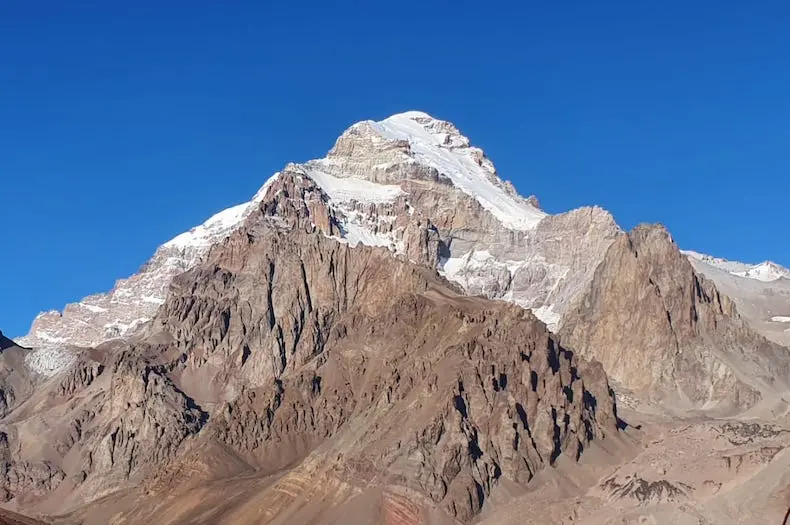
A Brief History of Aconcagua
Aconcagua, standing at 22,831’/6,959m, is the highest peak in the Americas and one of the Seven Summits. Its history is rich and multifaceted, beginning with the indigenous cultures that inhabited the region long before modern mountaineers arrived. Today, it’s a popular peak forintermediate climbers to break into 7,000m, and an excellent step on the way to preparing for Mt. Everest.Read the storyClimbing Aconcagua: Changes Adrian Ballinger Has Seen Over the Years
Alpenglow owner and founder Adrian Ballinger started guiding and climbing Aconcagua in the late 1990s, around the same time that high-altitude mountaineering saw a massive surge in popularity around the world. However, regulations, ethics, and best practices in the mountaineering world failed to keep pace with the growth of the sport.Read the story
Episode 41: Aconcagua, The Roof of the Americas
The Duffel Shuffle podcast is kicking off a 7-Episode series, covering all things seven summits. Adrian and Sam start with Aconcagua, the tallest mountain outside of the Himalaya, and the tallest peak in South America. Aconcagua, which was first climbed in 1897, sees approximately, 3,000-4,000 attempts annually, with a success rate of roughly 30-40%.Read the story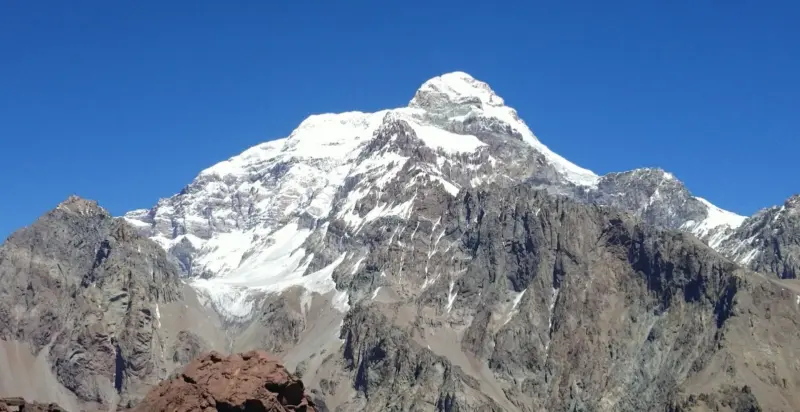
From Climbing Schools to the Seven Summits: Why Aconcagua is the Next Step for Intermediate Climbers
Aconcagua, standing at 22,837 feet, is an excellent progression for climbers who have completed one or more of Alpenglow’s climbing schools in Ecuador, Peru, or Mexico. Here’s why the Aconcagua Rapid Ascent Expedition makes sense:Read the story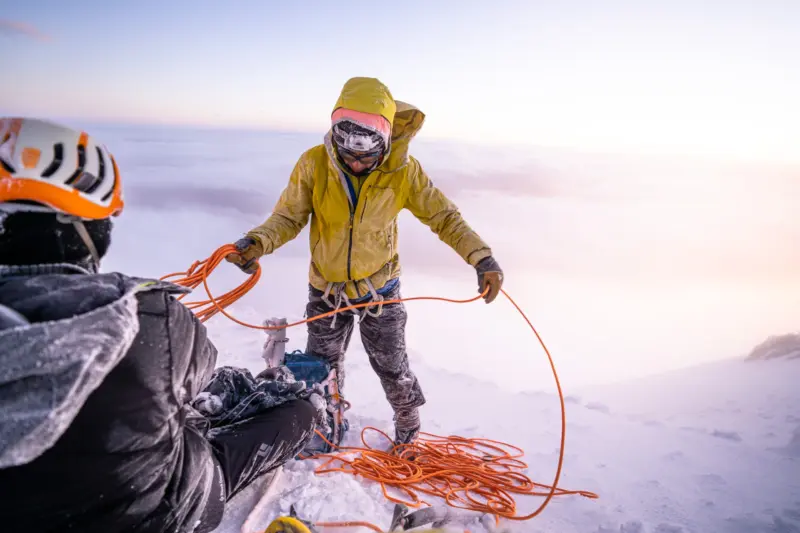
“Give Yourself the Time”: Graduating from Trekking to Climbing with Topo Mena
While ‘walking’ may sound trivial, a number of big mountains involve a lot of walking, albeit in extreme places. To talk about the journey, we connected with IFMGA-certified Alpenglow guide Esteban ‘Topo’ Mena about graduating from trekking to climbing. For beginners, he had this advice to offer: “At first, it’s important to give yourself the time to walk in the mountains and appreciate the land and the opportunity to just be there.”Read the story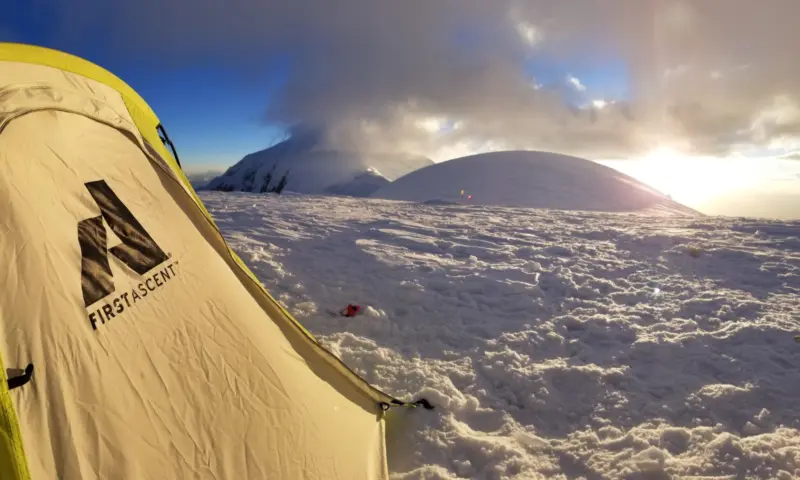
Comparing Acclimatization Approaches in the Andes, Himalaya, and Pamirs: How Alpenglow Expeditions Tailors Its Programs for Success
When it comes to climbing high-altitude peaks around the world, how you acclimatize can make or break an expedition. The Andes, Himalaya, and Pamir ranges each present unique challenges based on altitude, terrain, and logistics — and acclimatizing properly to these environments requires an approach that fits the mountain, not a one-size-fits-all plan.Read the story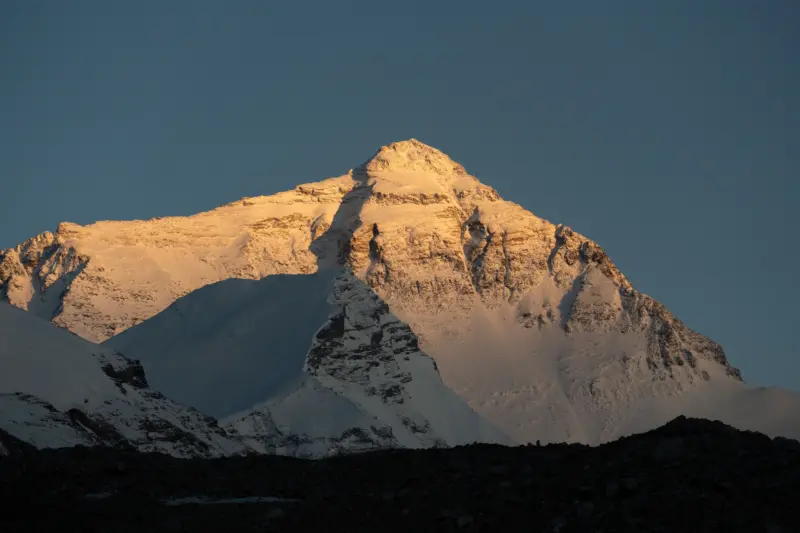
How to Climb Mt. Everest
Climbing Everest doesn’t start in the Himalaya. It starts with basic skills, local mountains, and building experience one step at a time. If you’re asking how to climb Everest the right way — safely, successfully, and confidently — this is the path we recommend.Read the story