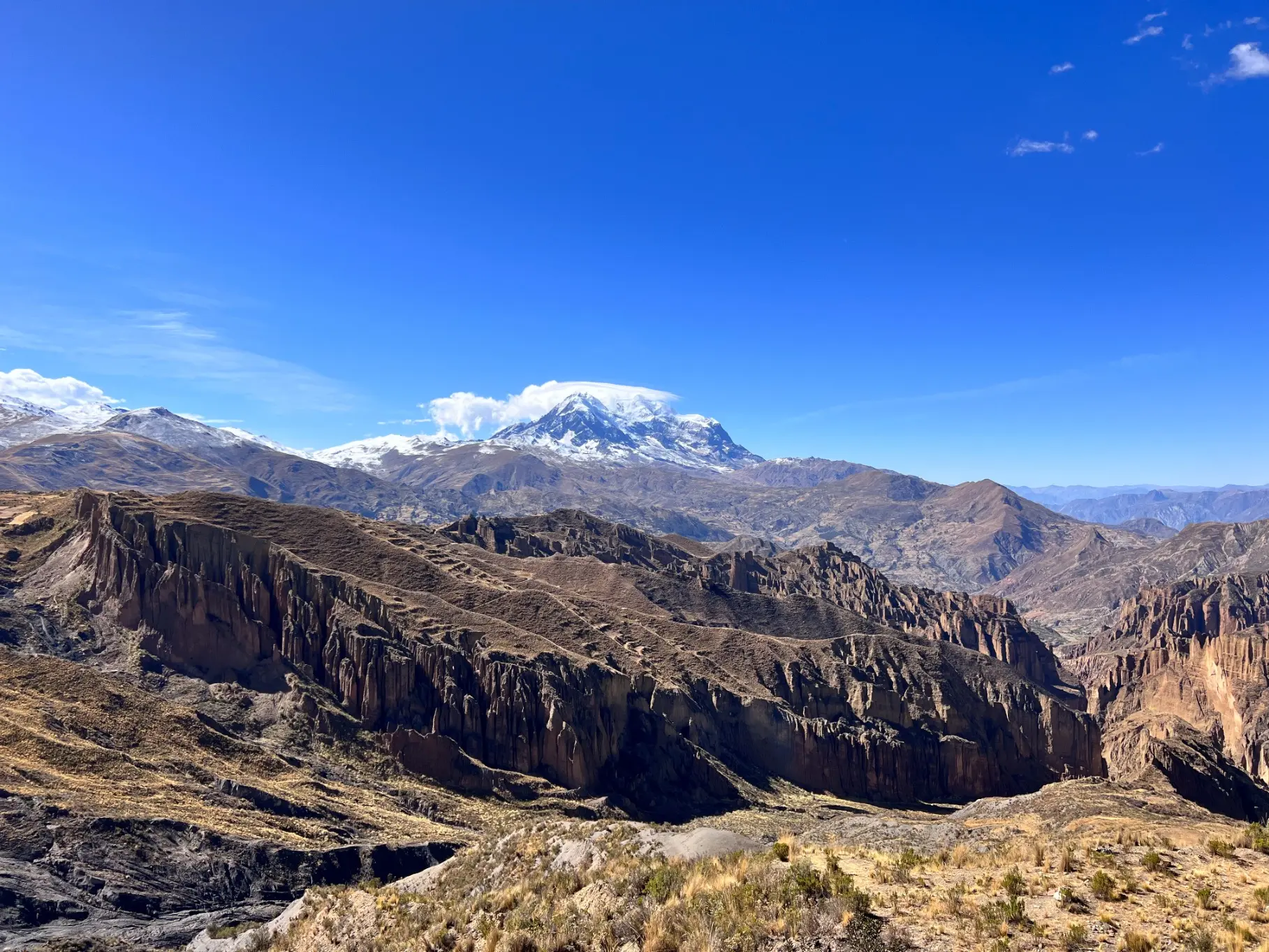
Private Climbing Expeditions in Bolivia
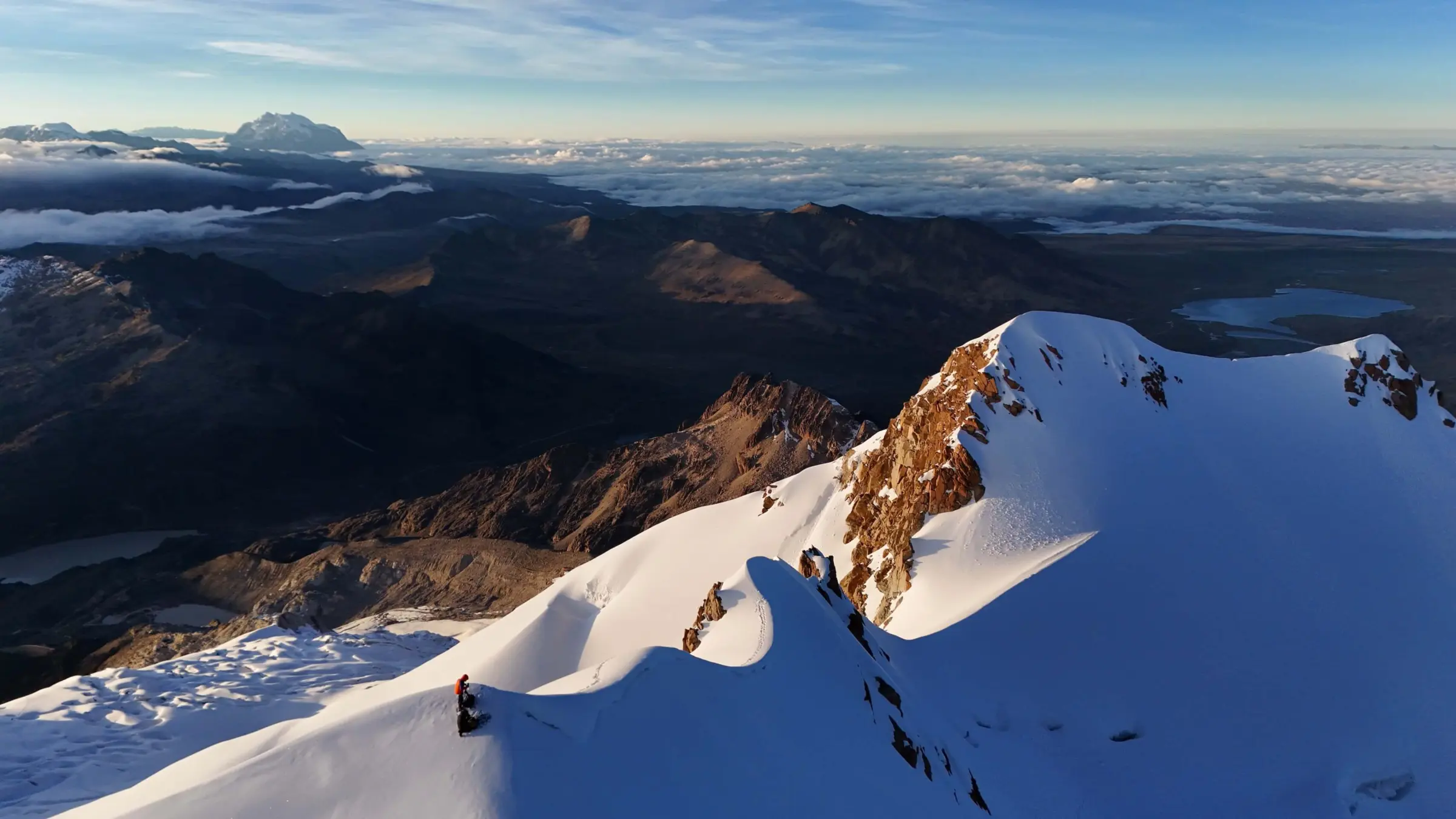
Two Itineraries, Different Goals
Private climbing expeditions in Bolivia give you the chance to build the trip around your goals instead of a fixed calendar. When we plan a private expedition, the first question is simple: what matters most, the peaks you want to climb or the days you have? Most trips lean one way. The sample itineraries below reflect two different answers to that question.
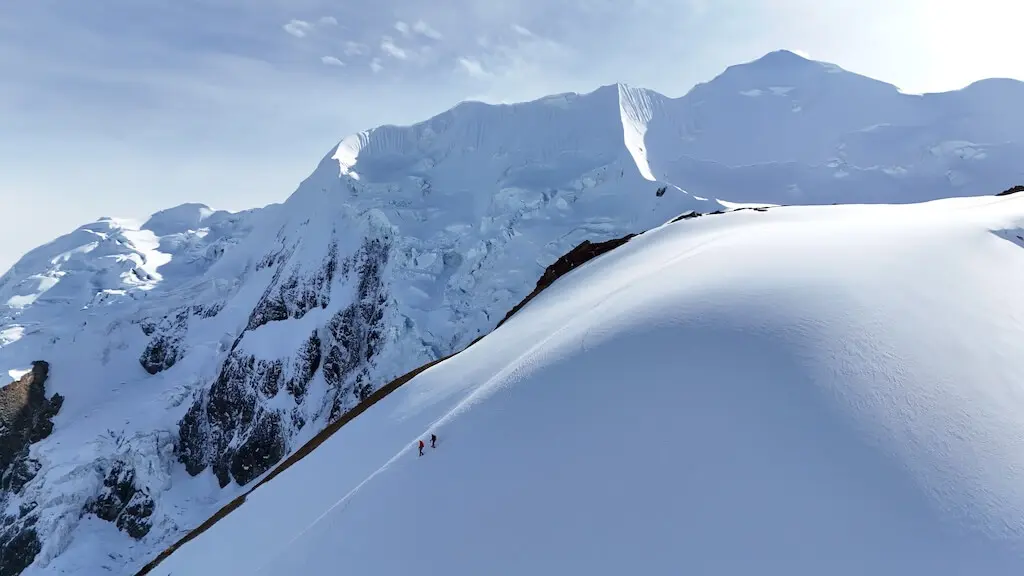
Why Choose Private Climbing in Bolivia
Climbing in the Cordillera Real is one of the most rewarding experiences you can have as a mountaineer. Not only is the climbing itself adventurous, rugged, and impressive with peaks near 6,000 meters, but the unique and ancient culture adds another layer of intrigue.
On a private expedition, you control the objectives, the time frame, and the pace. You climb with 1:1 or 1:2 guide-to-climber ratios, so the environment is incredibly supported. If you enroll in a group expedition, you don’t have the flexibility to choose dates that fit perfectly into your schedule. But by climbing privately, you can design a trip around your schedule and choose the mountains that inspire you the most.
We recently designed two private expeditions to Bolivia that represent different approaches. One team came with a list of peaks and the time to climb them. The other had a short window away from work and family and wanted to climb as much as they could. Here’s how we built each trip, and how to decide which approach fits you.
A 20-Day Trip Built Around Specific Goals
Our first expedition started with the peaks: a team with a summit list who also had the time to climb it fully. This approach to climbing privately in Bolivia pairs a remote range most visitors never see with three classic summits: Chachacomani (19,928′), Illimani (21,125′), and Huayna Potosí (19,975′).
The trip opens with a week in the Cordillera Quimsa Cruz, a granite range south of Illimani, camping and climbing objectives like Jachacunocollo and Gigante, depending on conditions. From there, each peak builds on the last, with rest days in La Paz between climbs. By the end, you’re ready to climb Illimani and Huayna Potosí in two days each.
Sample itinerary
Days 1–2: Arrive in La Paz; acclimatization and a day in the city
Days 3–9: Cordillera Quimsa Cruz: camping and climbing objectives like Jachacunocollo and Gigante, depending on conditions
Day 10: Rest day in La Paz
Days 11–13: Chachacomani (19,928′): base camp, high camp, summit, return to La Paz
Day 14: Rest day in La Paz
Days 15–16: Illimani (21,125′): high camp, summit, return to La Paz
Day 17: Rest day in La Paz
Days 18–19: Huayna Potosí (19,975′): high camp hut, summit, return to La Paz
Day 20: Depart
A trip like this would be best for climbers with a flexible schedule who want the most mountains from one trip, a taste of a remote range, and a gradual build in altitude.
An 11-Day Trip Built Around a Tight Schedule
Not everyone can take three weeks away from work and family, and a private climbing expedition in Bolivia doesn’t have to take that long. This itinerary is for climbers with a fixed window who still want two of Bolivia’s most iconic peaks: Huayna Potosí (19,975′) and Illimani (21,125′).
One crucial piece for both trips is our Rapid Ascent approach. You pre-acclimatize at home before the trip, so you arrive in La Paz ready to climb instead of spending the first week adjusting to altitude. A similar itinerary typically takes two to three weeks. With pre-acclimatization, it fits into 11 days and still includes a spare weather day.
Huayna Potosí comes first as a quicker, more accessible 6,000-meter peak (more in our Huayna Potosí 101 guide). Illimani, the tallest mountain in the Cordillera Real, caps the trip.
Sample itinerary
Day 1: Arrive in La Paz
Day 2: Acclimatization trek
Day 3: Travel to Huayna Potosí base camp and trek
Day 4: Move to high camp
Day 5: Summit Huayna Potosí (19,975′), descend to base camp
Day 6: Rest day in La Paz
Day 7: Drive to Illimani base camp or trailhead
Day 8: Trek to high camp and acclimatize
Day 9: Summit Illimani (21,125′), descend to base camp
Day 10: Weather day
Day 11: Depart
This efficient itinerary is best for climbers with big goals and limited time.
What Experience Do You Need?
Both itineraries involve glacier travel and roped climbing at altitude, so you should have experience climbing in crampons on glaciated peaks. If you’ve climbed Mount Shasta or Mount Rainier, or joined an introductory expedition like Ecuador Climbing School, you’re likely ready. On a private trip, we can also tailor the objectives to your experience.
When Is the Best Time to Climb in Bolivia?
Bolivia’s peak climbing window follows the dry season from May to September, but climbing there is possible through December. Because a private trip isn’t tied to a set departure, we can schedule it inside that window around your calendar, including quieter shoulder months when you share the mountains with fewer teams.
Prefer to Climb With a Team?
If you’d rather join a group, our Mountains of Bolivia Expedition climbs Pequeño Alpamayo, Huayna Potosí, and Illimani on scheduled departures with climbers at a similar level.
Plan Your Private Bolivia Expedition
Every private trip starts with a conversation. Tell us which peaks inspire you, or how many days you have, and we’ll build a plan for private climbing in Bolivia around it. Schedule a call with Griffin Mims, our International Client Manager, to get started.
More Expeditions