Mt. Everest North Side Lightning Ascent
Mt. Everest North Side Lightning Ascent
The Alpenglow Approach on Everest has been developed over the last two decades and culminates in the best experience possible on Everest.
- IFMGA Certified Expedition Leaders
- Professionally Trained and Certified Mountain Guides
- Rapid Ascent™ Hypoxico Rental Included
- Climb from the safer, cleaner North Side
- Experienced, trained Sherpa
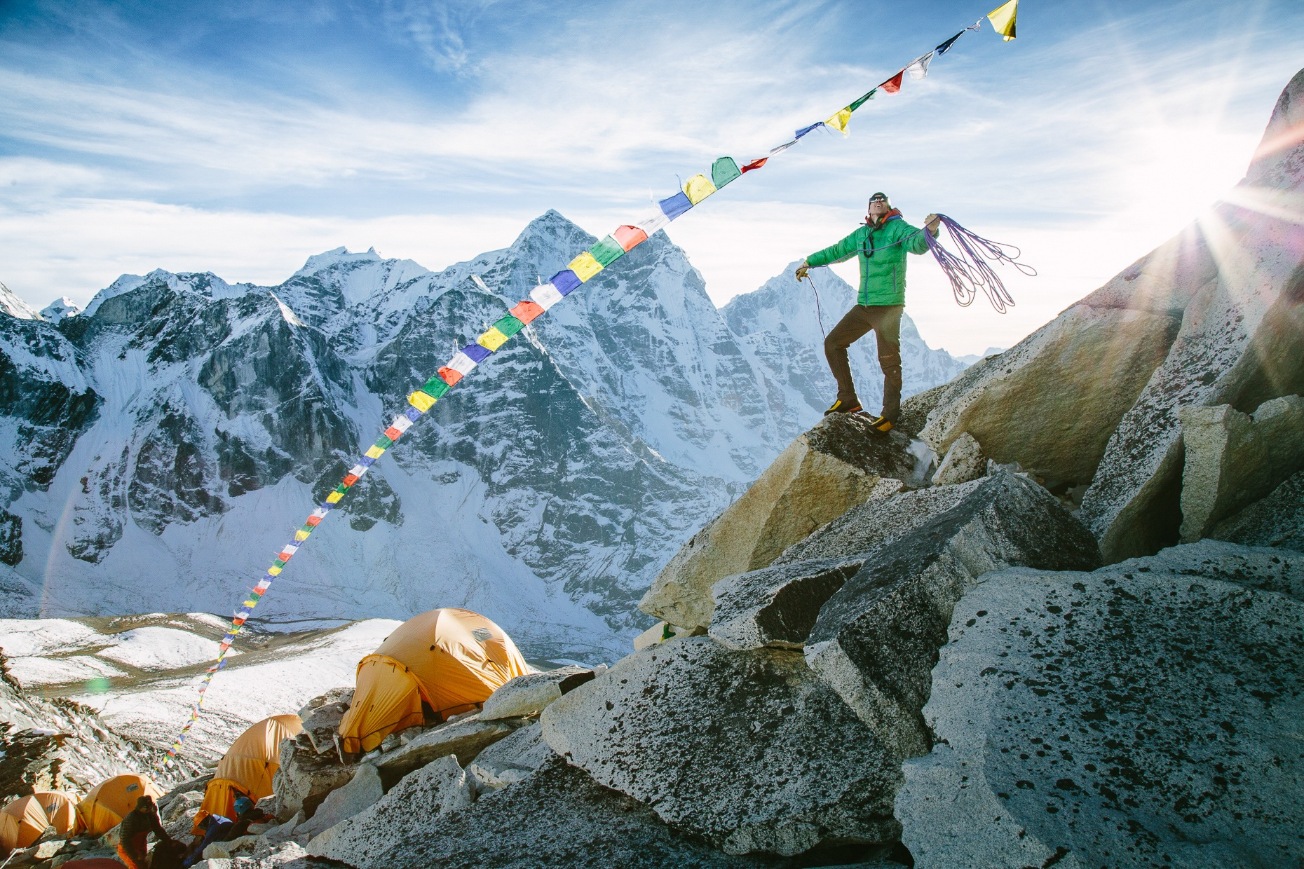
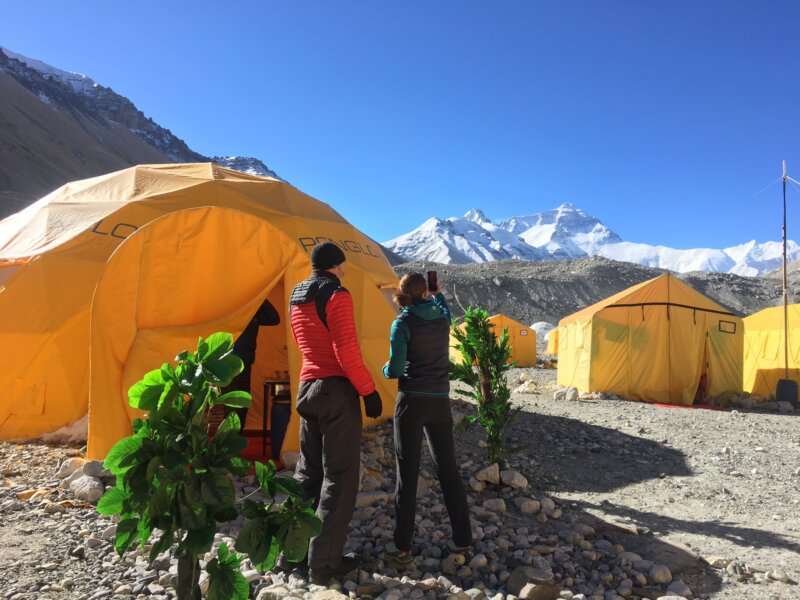
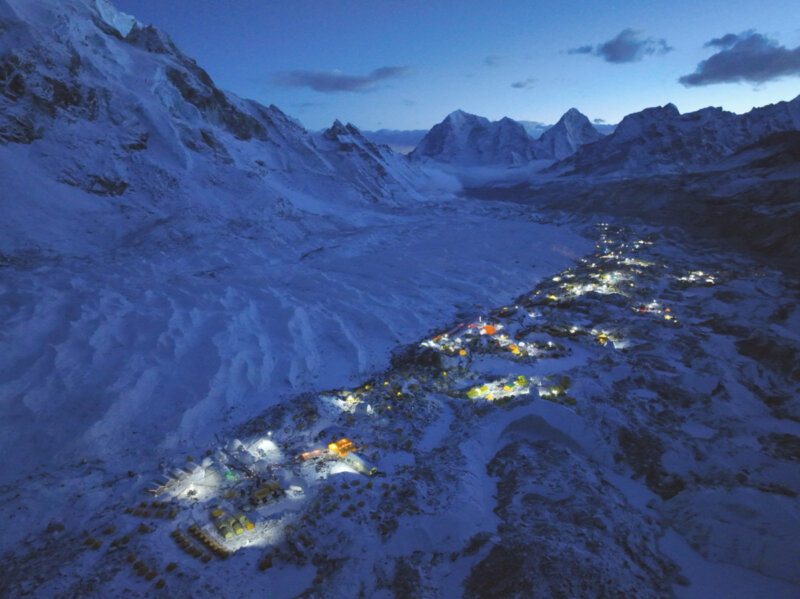
- High End Base Camp and Mountain Infrastructure
- Expedition Doctor on call 24/7
- Full Time Office Support Staff
- May 9th – May 23rd, 2027Lead Guide:
The Fastest Way to Summit Everest
In 2019, Alpenglow Expeditions became the first company in the world to guide a client to the summit of Mount Everest and back in just 14 days, door to door. It was a landmark moment for high-altitude climbing – proof that with the right preparation, the right team, and the right methodology, the world’s highest mountain no longer requires two months away from home.
The Lightning Ascent takes the same Rapid Ascent™ principles that have defined Alpenglow’s Everest program for over a decade: hypoxic pre-acclimatization, precise logistics, and a small, highly experienced team, and pushes them to their limit.
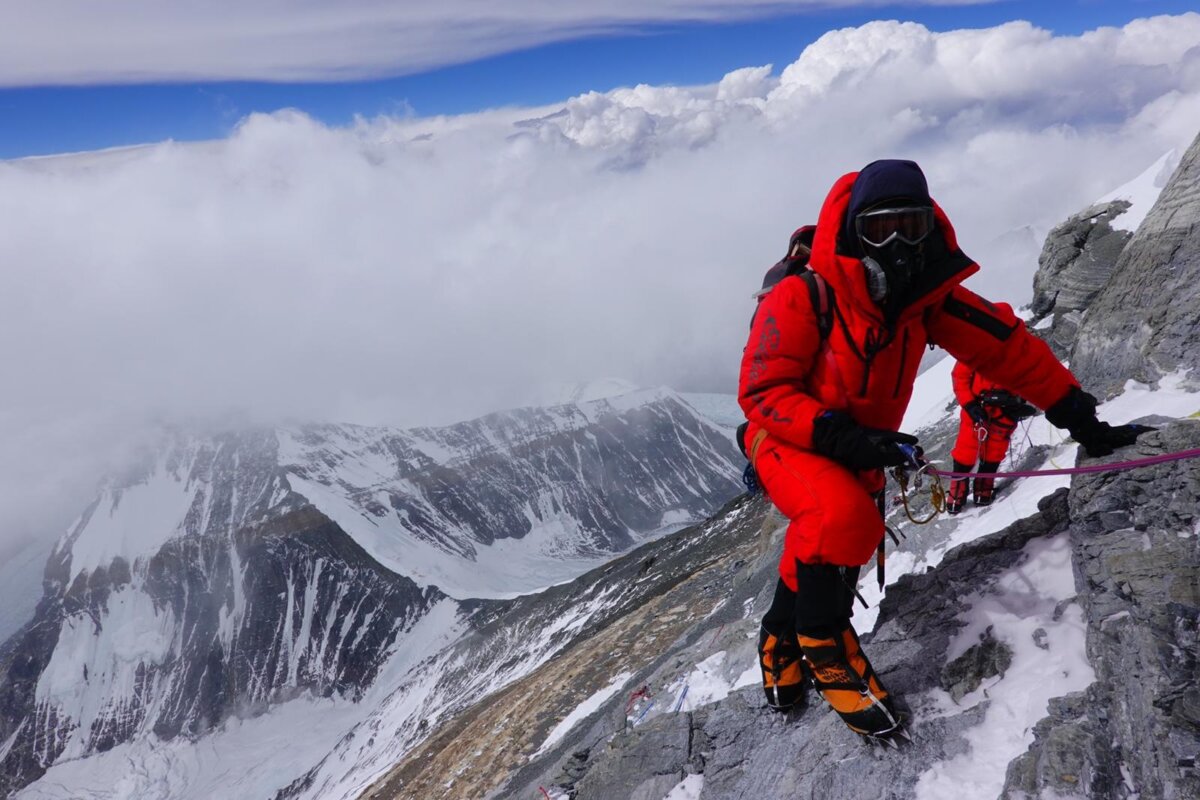
CLIMB THE NORTH SIDE OF MOUNT EVEREST
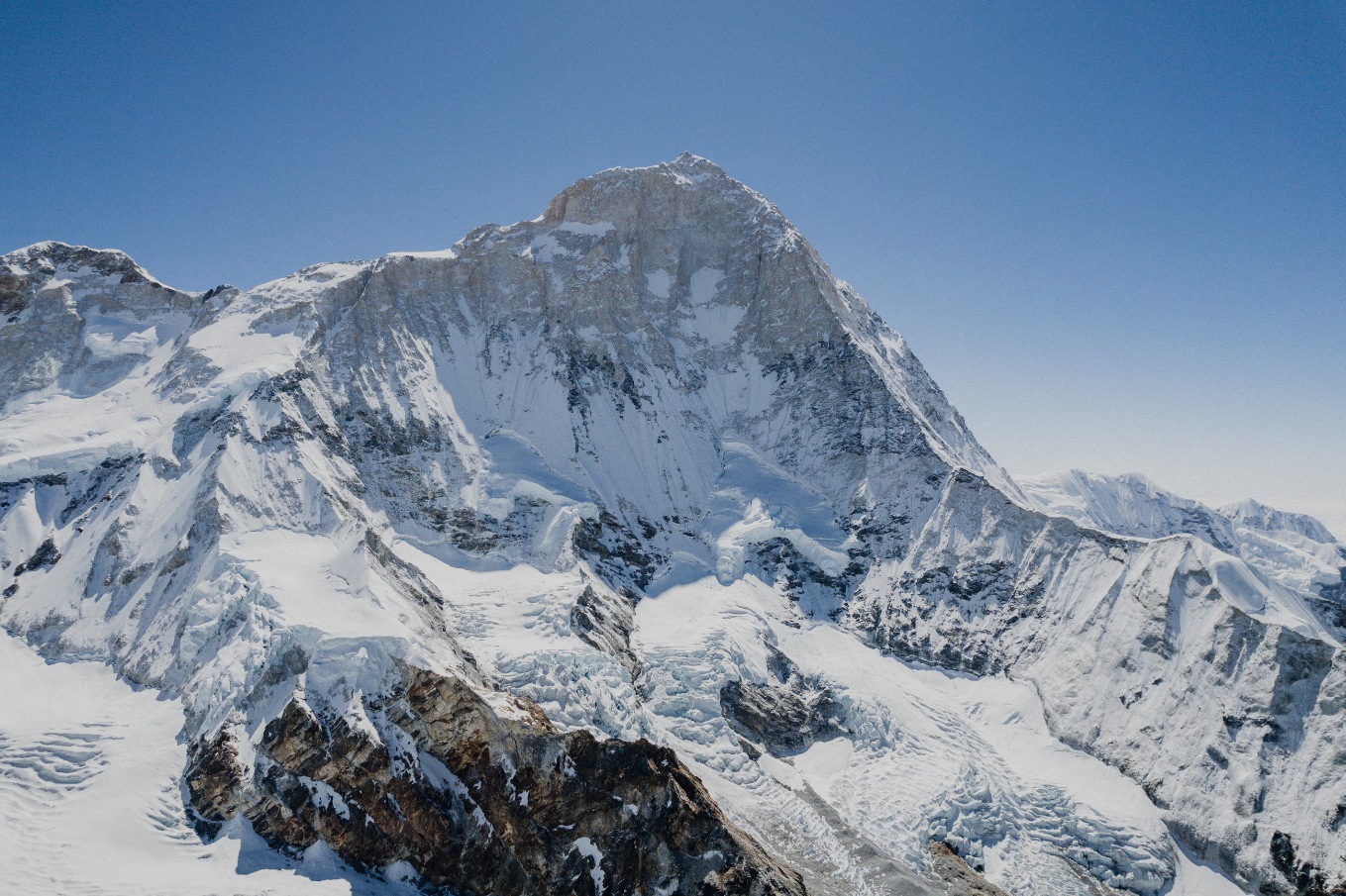
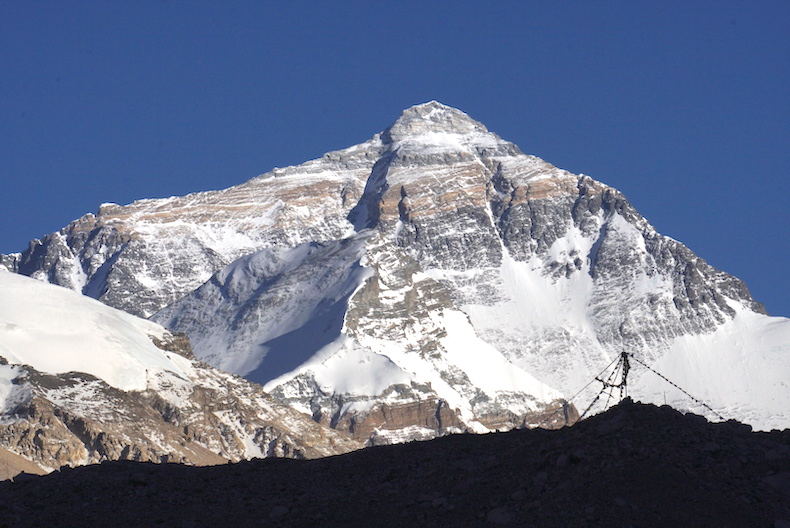
Mt. Everest, the tallest mountain in the world (29,035 feet/8,850 meters), is an incredible challenge and experience. Alpenglow’s unique format and extensive experience gives us the ability to achieve the highest levels of both safety and success. Since 2015, we have moved our operations to the North Side of Mt. Everest. With increasing stability in Tibet being contrasted by increasing instability in Nepal, the significantly safer and less crowded route from the North Side is an obvious choice for our teams.
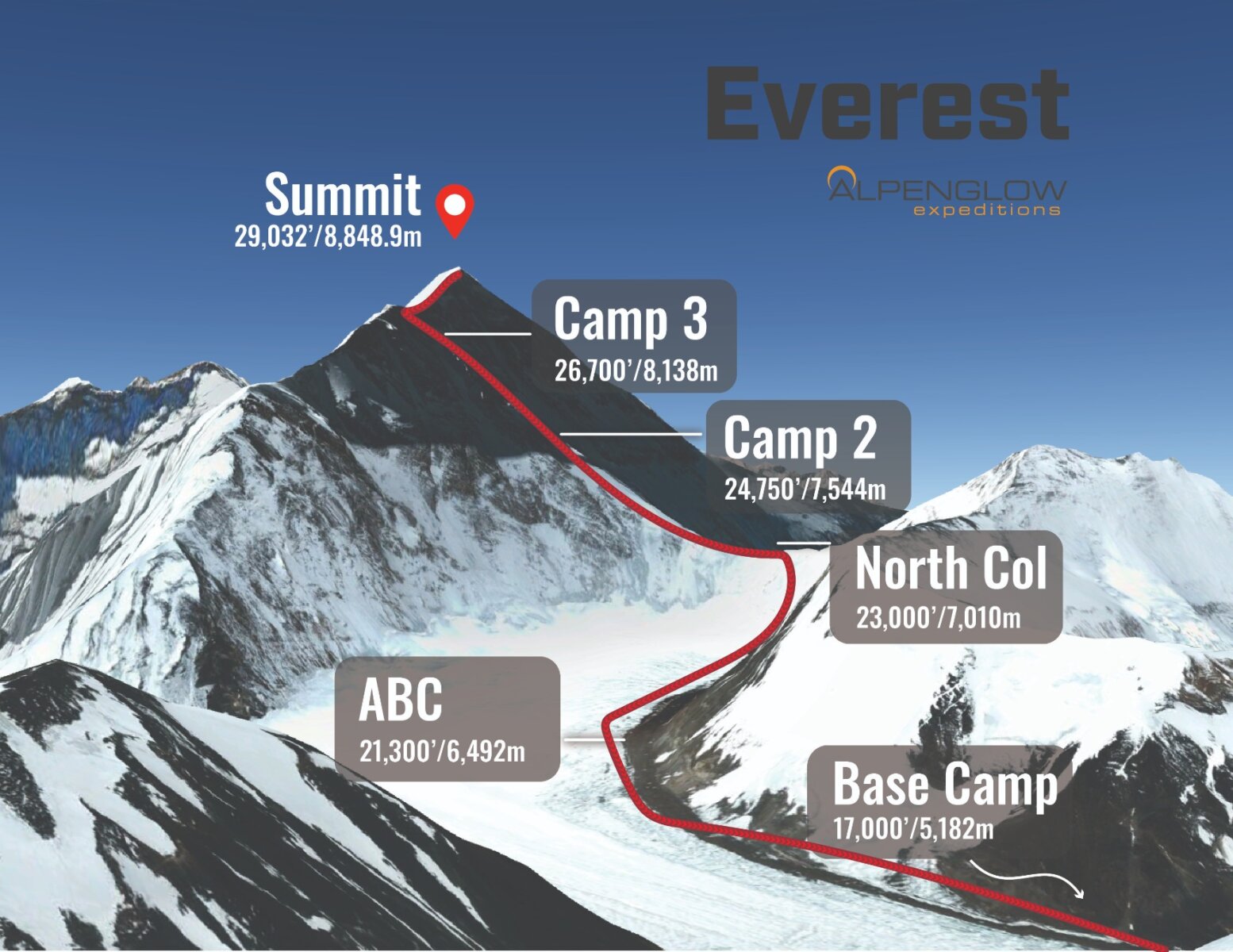
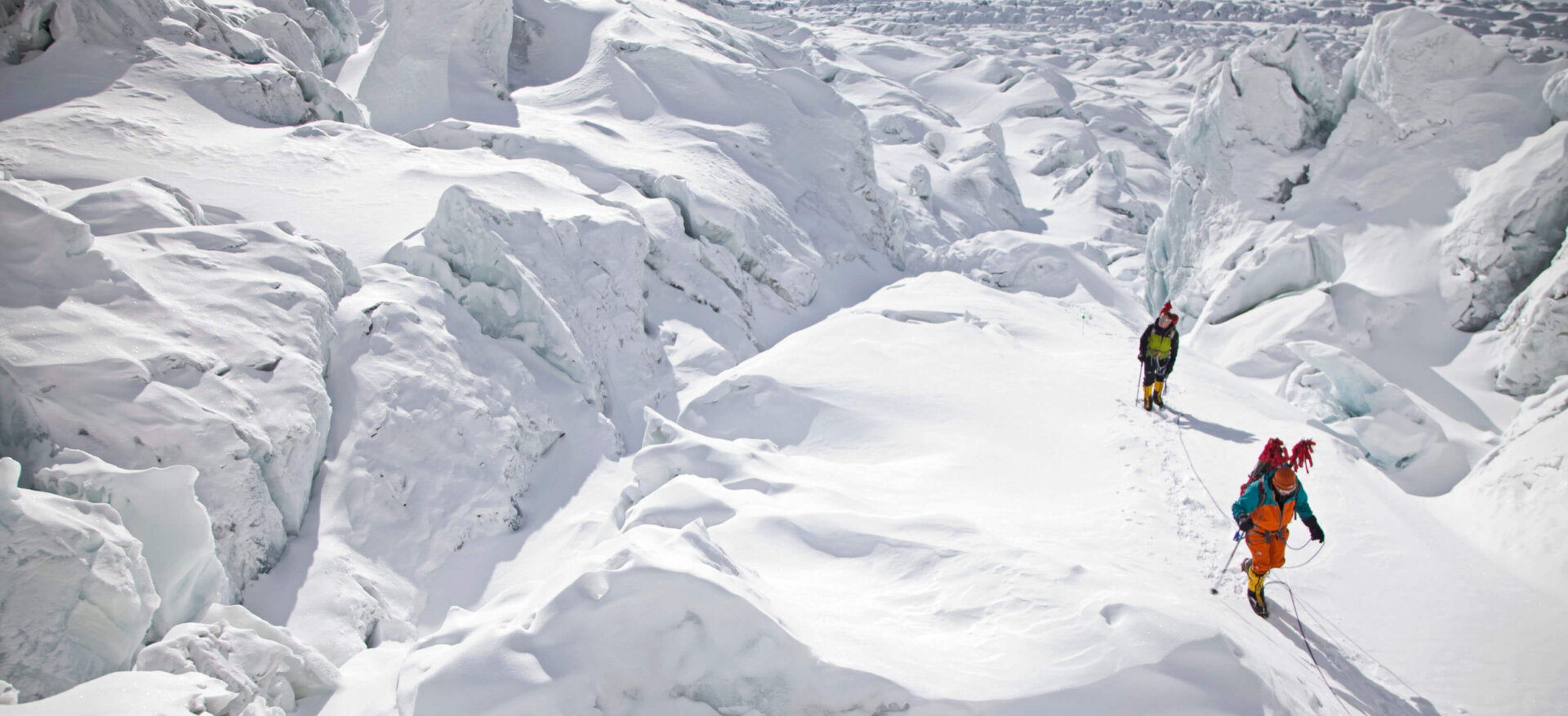
Where our standard North Side expedition uses 36 days to move a team through a full acclimatization rotation before the summit push, the Lightning Ascent compresses that timeline into a single, continuous climb: one trip to Advanced Base Camp, one push through the North Col, Camp 2, and Camp 3, and the summit.
This is only possible because the work happens before you ever leave home. Climbers on this expedition arrive in Tibet already acclimatized to extreme altitude, thanks to weeks of supervised sleeping in hypoxic tents. The mountain becomes the final exam, not the training ground.
SMALL GROUPS, EXPERIENCED SHERPA
Alpenglow offers an exceptional level of competency, safety, and comfort to Everest expeditions. Our team will be limited to 12 members, with certified guides and the best Sherpa and cooks available (staff we have been working with for more than a decade). Our small group size allows us to adapt to changing conditions and weather far more easily than many commercial teams, which have become so large over the last five years that they have become difficult to manage. Our member to Sherpa (2:3) and member to guide ratios (4:1), the comforts of our Base Camp, our fresh and nutritious food, and our use of maximum oxygen are details that add up to a far more enjoyable experience and successful climb.
MINIMIZED DOWNTIME
Historically, we have seen that over 30% of climbers on other teams head home long before attempting their summit push on Mt. Everest. This is generally for 3 reasons, all tied to the amount of time teams take “acclimatizing” on the mountain: the multiple trips up and down the mountain during acclimatization cause the climber to reassess the risk and go home, the climber’s weight loss, chronic sickness and progressive weakening at altitude cause them to call off the trip, or a family or work issue at home takes priority. Our goal with a 15-day Lightning Ascent™ itinerary is to keep all the necessary acclimatization, training, and mountain preparation, while minimizing the unnecessary waiting and downtime of traditional expeditions. Use of the best technology available (including weather forecasting, efficient oxygen systems, and pre-acclimatization in hypoxic tents) and our team’s experience (and their early arrival and late departure to pre-set and clean the mountain’s camps and ropes), allows our team to minimize their time approaching Advanced Base Camp, while maximizing their chances of success.
BEST IN CLASS GUIDES AND LOGISTICS
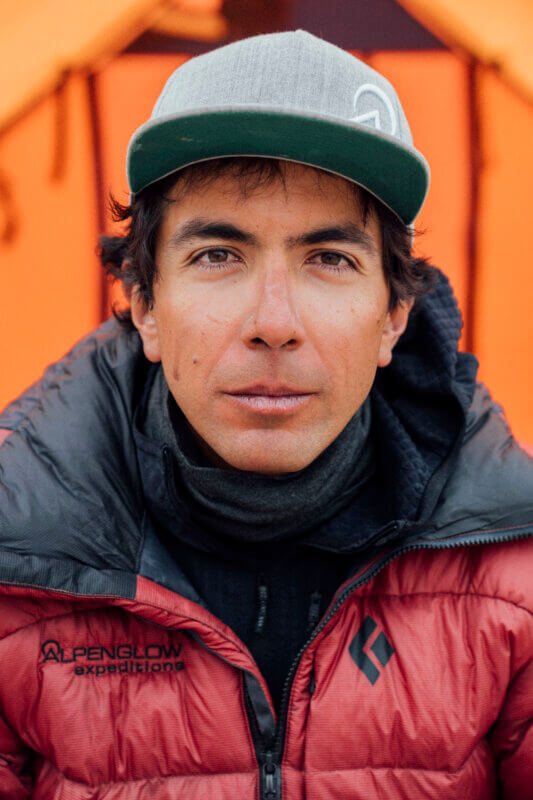
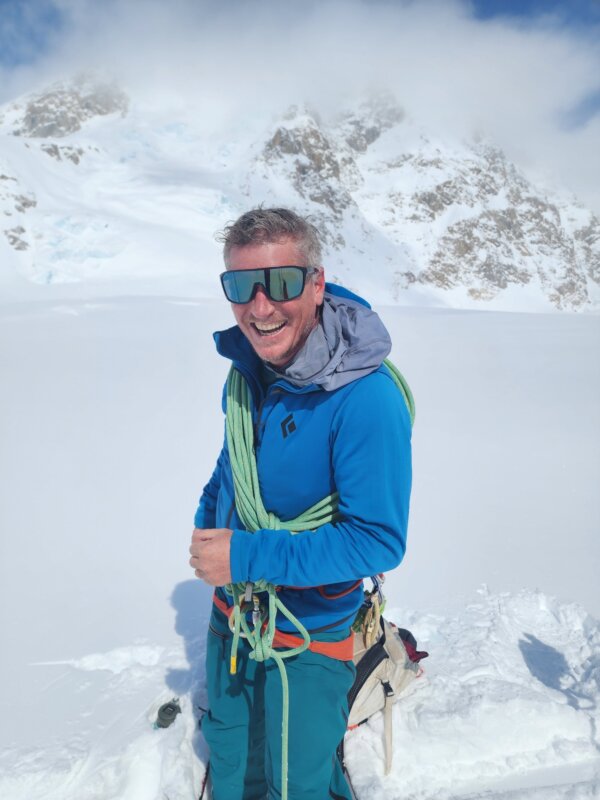
Alpenglow Expeditions’ logistics, guiding, Base Camp staff, food, and equipment are of the absolute highest level possible. As with all of Alpenglow’s 8,000-meter peak expeditions, Everest is organized and led by IFMGA guides, Adrian Ballinger and Esteban “Topo” Mena. Adrian is one of the most recognized guides in the Himalaya, with an impeccable safety record and twenty 8,000 meter peak summits. He has extensive experience organizing complicated logistics for large Himalayan teams, including 15 seasons on Everest.
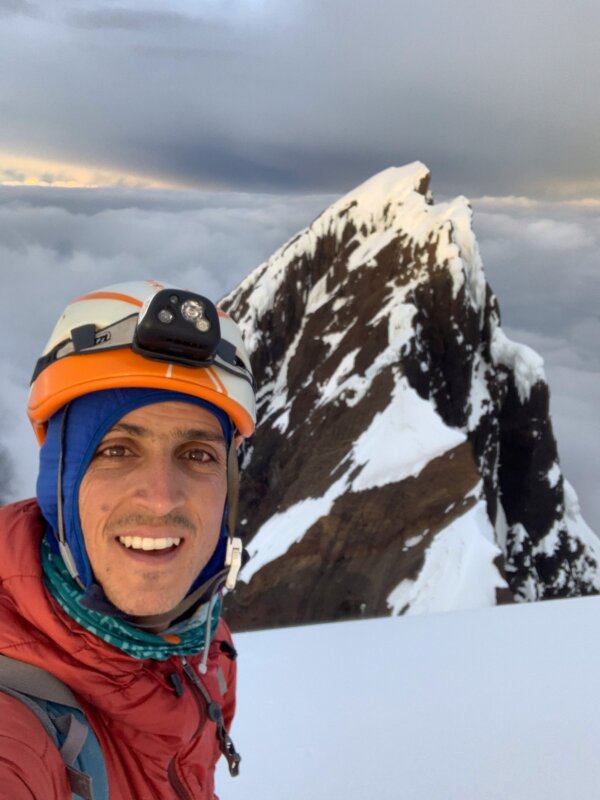
Topo is an extremely talented high-altitude mountain guide, having made 19 8,000m summits. He has summited Everest seven times, once without supplemental oxygen, and in 2025 led the National Geographic Expedition to climb and ski the Hornbein Couloir.
APPROACHED WITH RESPECT
While many downplay the difficulty and hazards of climbing Mount Everest, Alpenglow maintains a deep respect for the nature of this mountain and you will never find us underestimating its potential dangers. We require a significant amount of experience from each of our members to ensure that you will feel comfortable on the peak, both with your own skills and those of your teammates.
Ready to take on the biggest peak on the planet? Email Griffin Mims, International Client Manager, to inquire at griffin@alpenglowexpeditions.com, or give us a call at 877-873-5376.
EVEREST MINI SERIES
Watch on Youtube
Questions about Mount Everest?
Fitness
Technical Experience
Altitude Experience

Everest Itinerary

- Travel Day
Climbers fly into Chengdu, China, arriving by the evening. Arriving into either CTU or TFU airports are acceptable. CTU airport is closer to the hotel we’re staying at.
Sleeping Elevation: 1,600’/488m
Lodging: St. Regis Hotel
Meals: None - Fly to Tingri, drive to Tashi Dzon
Rather than routing through Lhasa, the Lightning Ascent flies directly toward Everest, landing at Tingri (or Shigatse, depending on flight availability). From there, we drive to Tashi Dzon, gaining significant elevation and getting our first close views of the Himalaya.
Distance Covered: 160 mile drive
Moving Hours: 5-6 hours
Elevation Gain/Loss: +1,600’/488m
Sleeping Elevation: 14,200’/4,328m
Lodging: Hotel in Tashi Dzon
Meals: Breakfast - Drive to Everest Base Camp
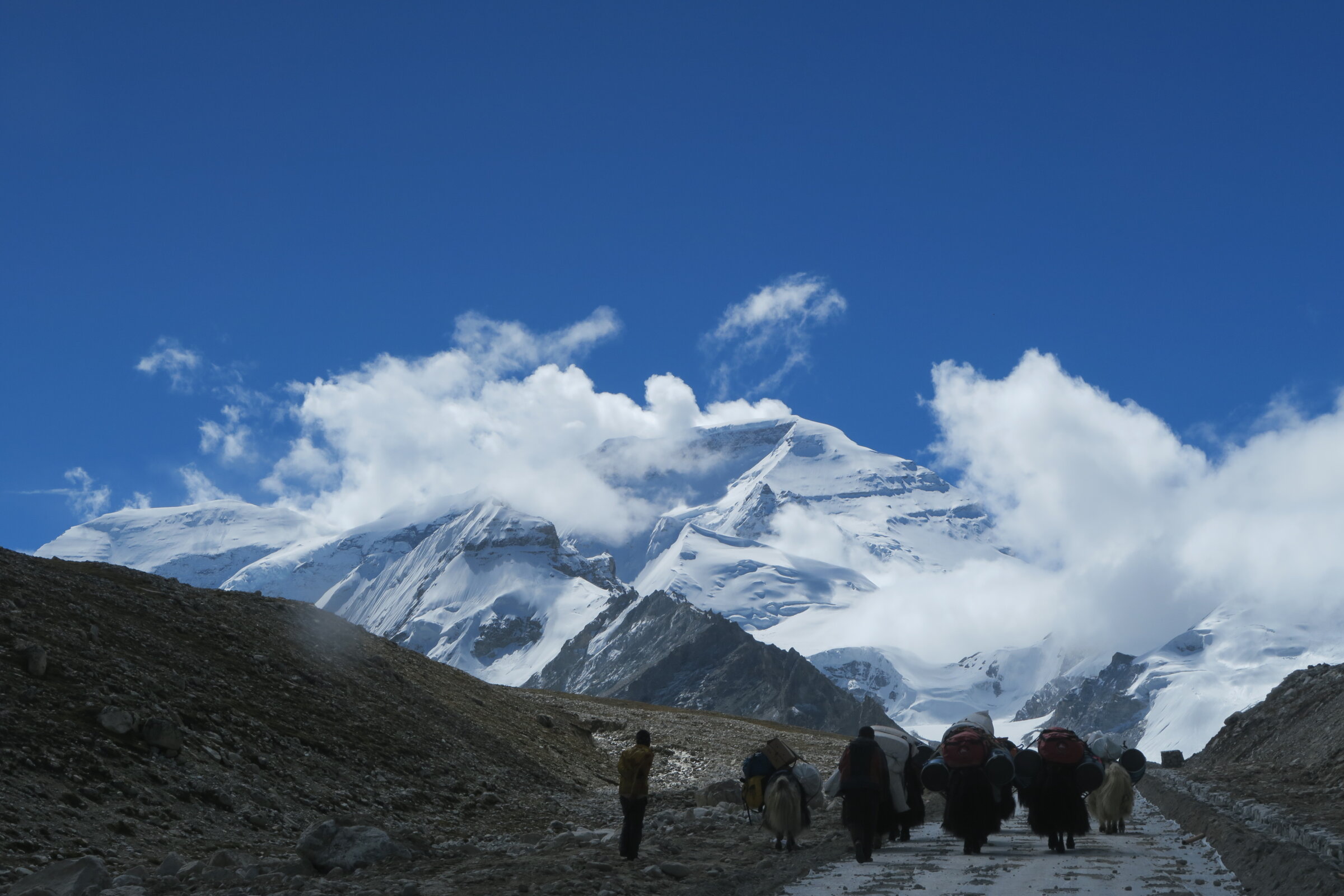
Today we continue toward Everest, following the valley into view of the mountain itself and driving in to Base Camp, where we settle into our home for the coming days.
Distance Covered: 70 mile drive
Moving Hours: 3 hours
Elevation Gain/Loss: +2,800’/853m
Sleeping Elevation: 17,000’/5,182m
Lodging: Base Camp
Meals: Breakfast, Lunch & Dinner - Acclimatization hike to the Frozen River
With pre-acclimatization already underway before you arrived, today’s hike above camp to the Frozen River reinforces your body’s readiness rather than starting the process from scratch.
Sleeping Elevation: 17,000’/5,182m
Lodging: Base Camp
Meals: Breakfast, Lunch & Dinner - Rest in Base Camp
A day to rest, hydrate, and settle further into mountain life, surrounded by the comforts of Alpenglow’s Base Camp infrastructure.
Sleeping Elevation: 17,000’/5,182m
Lodging: Base Camp
Meals: Breakfast, Lunch & Dinner - Base Camp to Interim Camp
We split the move to Advanced Base Camp in two, today moving 6 miles to Interim Camp. While this camp is simple, you will still enjoy comfortable sleeping, dining, and excellent food. The location is incredible, surrounded by penitentes (ice towers) and moraines. Today will be our first move utilizing oxygen, so we’ll move efficiently and feel ready to keep pushing higher.
Distance Covered: 6 miles
Moving Hours: 4-5 hours
Elevation Gain/Loss: +2,000’/610m
Sleeping Elevation: 19,000’/5,791m
Lodging: Interim Camp
Meals: Breakfast, Lunch & Dinner - Interim to Advanced Base Camp
Six miles of hiking along the moraine and glacier bring us to Advanced Base Camp, our home on the side of the East Rongbuk Glacier. This camp, our main one for the duration of the expedition, is established with as much comfort as possible to balance life in the harsh environment.
Distance Covered: 6 miles
Moving Hours: 5-6
Elevation Gain/Loss: +2,300’/701m
Sleeping Elevation: 21,300’/6,492m
Lodging: Advanced Base Camp
Meals: Breakfast, Lunch & Dinner - Rest at Advanced Base Camp
Here is where the Lightning Ascent shows its full strength: rather than a full acclimatization rotation to the North Col and back before summit push, one rest day at ABC is all your pre-acclimatized body needs before beginning the climb
Sleeping Elevation: 21,300’/6,492m
Lodging: Advanced Base Camp
Meals: Breakfast, Lunch & Dinner - Advanced Base Camp to the North Col
Today we’ll make the 4-6 hour climb that takes you from the edge of the East Rongbuk Glacier up progressively steepening snow slopes to the North Col, where you’ll be greeted with your first full view of the entire North Face of Everest. The climb has officially started, and in the morning we’ll be ready to move higher.
- Climb to Camp 2
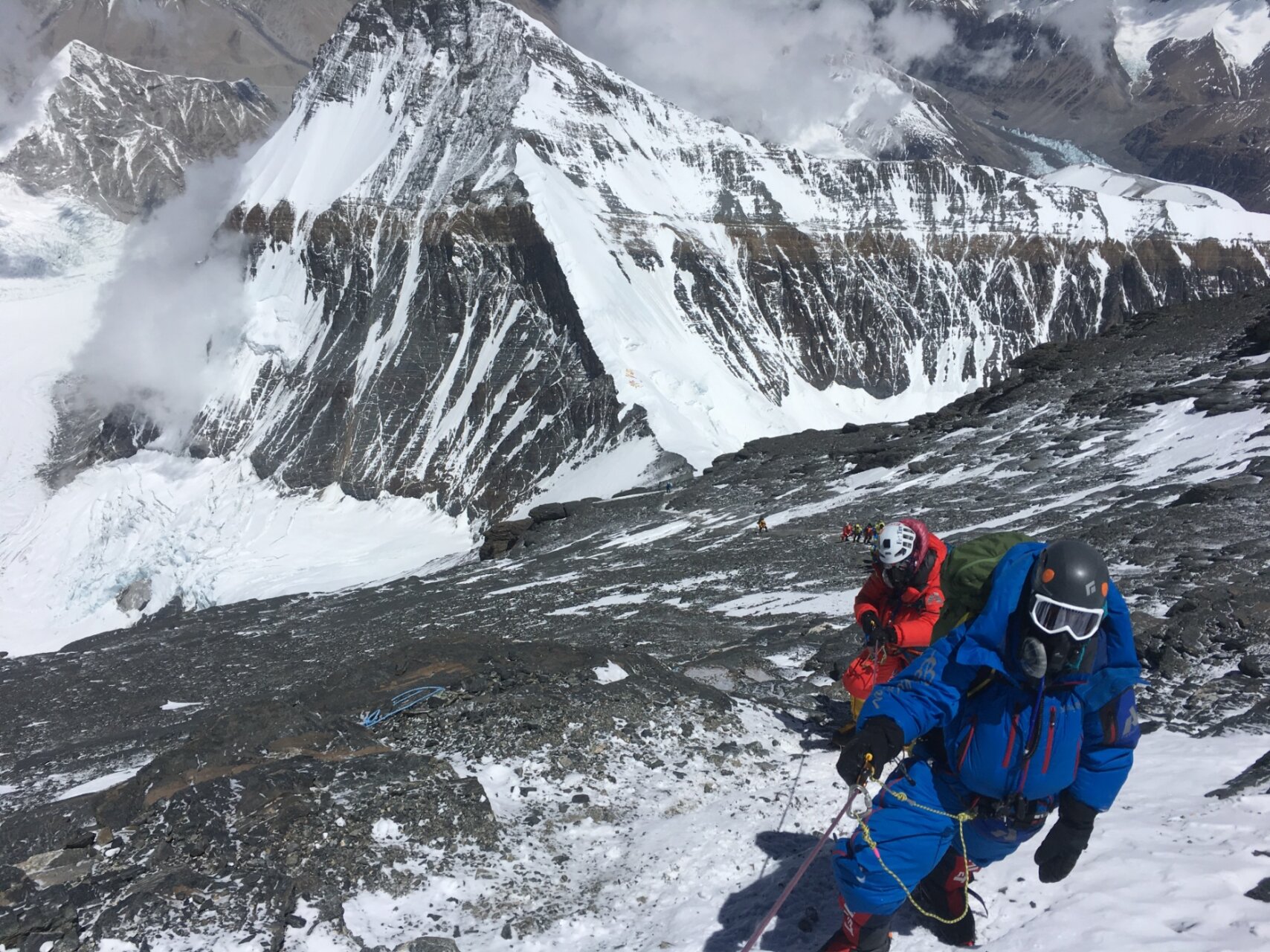
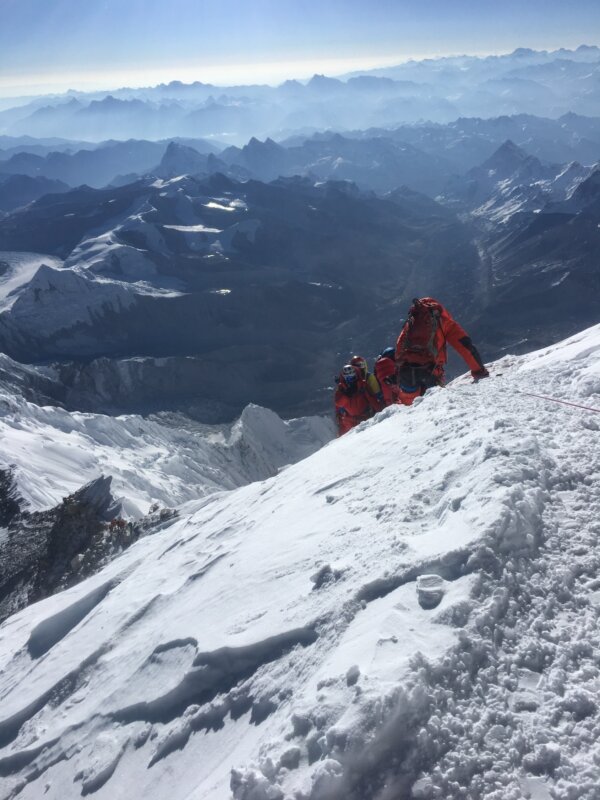
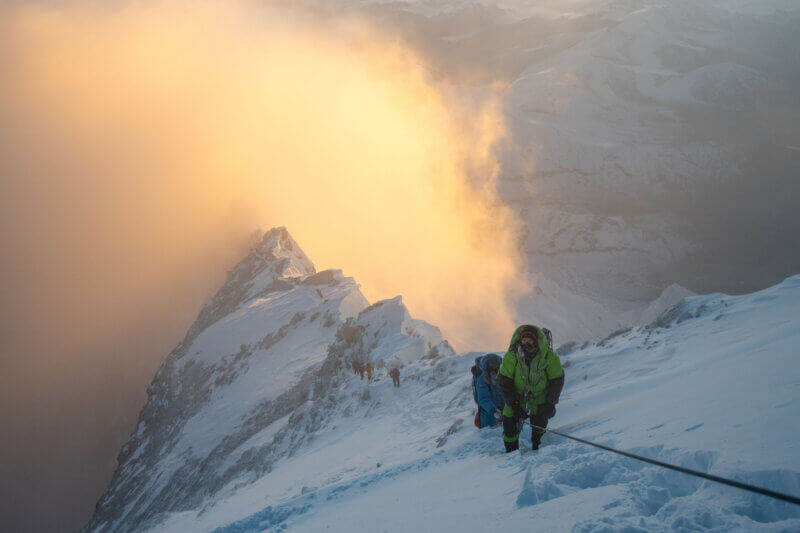
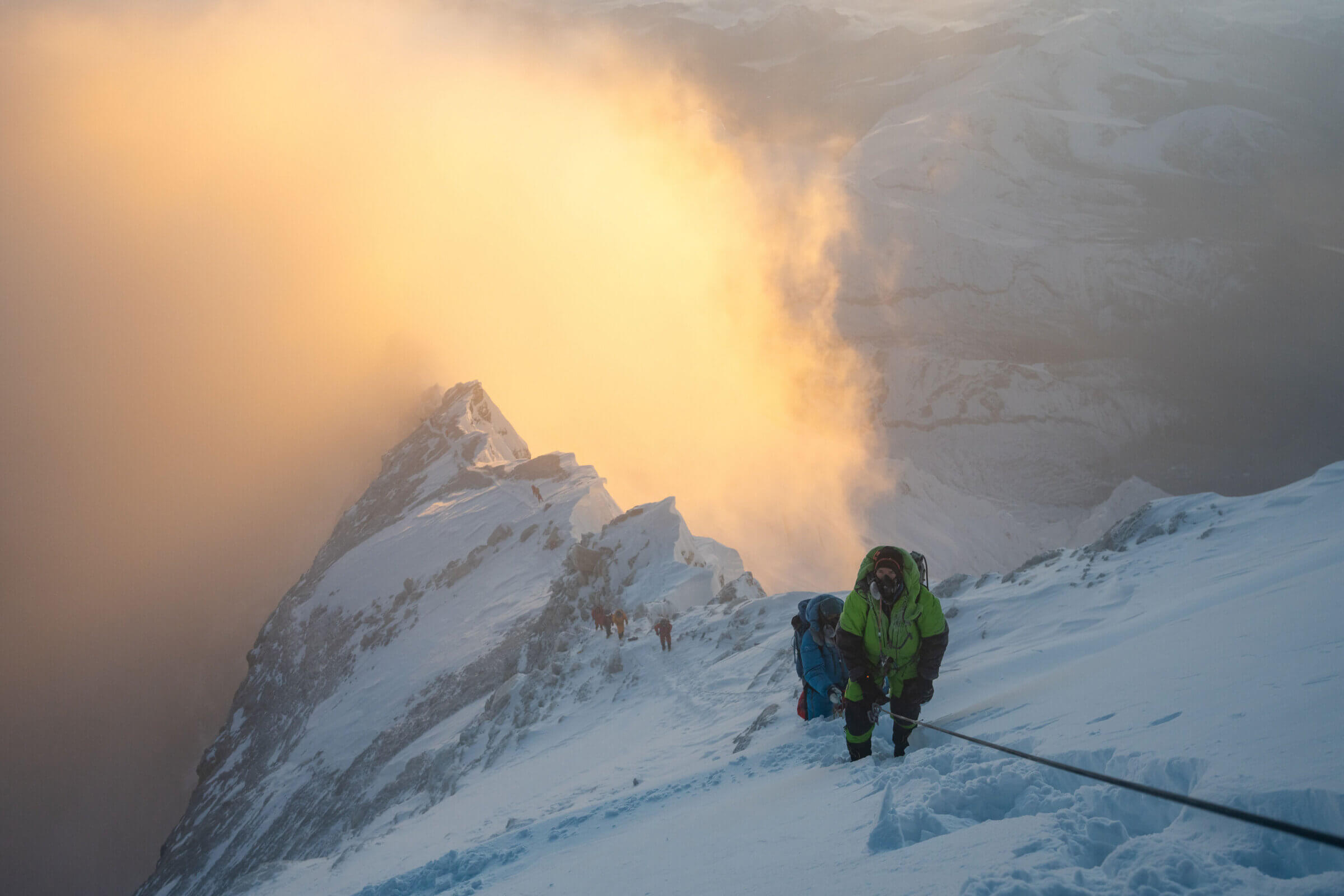
The climb to Camp 2 follows a wide ribbon of snow along the ridge, with the massive North and Northeast faces flanking you on either side. The path to the summit now seems tantalizingly close, but you must move slowly and take your time. We are now entering the world of extreme altitude.
Distance Covered: 1 mile
Moving Hours: 3-4 hours
Elevation Gain/Loss: +1,750’/533m
Sleeping Elevation: 24,750’/7,544m
Lodging: Camp 2
Meals: Breakfast, Lunch & Dinner - Climb to Camp 3
Passing through the mythical line marking 8,000m/ 26,200 feet, you climb higher still. Now predominantly climbing through rock, C3 is perched on a feature directly below the “exit cracks”, which guard access to the upper North Ridge. C3 is located higher than most mountains on earth; the views are both beautiful and far- reaching. Tomorrow is “the big day”; you will get into your tent early and eat, rest, and hydrate in preparation for the arduous task ahead.
Distance Covered: .75 miles
Moving Hours: 3-4 hours
Elevation Gain/Loss: +1,950’/594m
Sleeping Elevation: 26,700’/8,138m
Lodging: Camp 3
Meals: Breakfast, Lunch & Dinner - Summit Bid
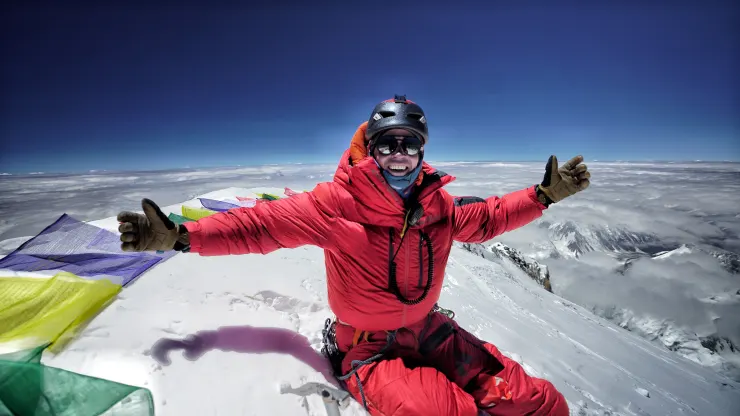
Today is the day that you will put your years of training and preparation to the ultimate test. Waking in the middle of the night, your route finds you winding up through the exit cracks and onto the upper North Ridge. There are 3 steep rock steps to negotiate, and the exposure builds and there is now ten thousand feet of relief on either side of the narrow summit ridge. After passing the difficulties of the third step, the summit prayer flags are visible and the path is straightforward.
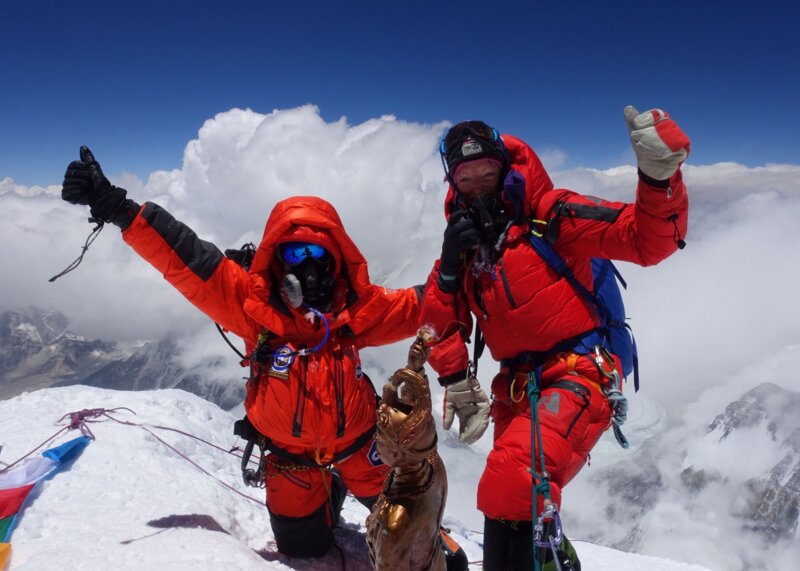
While the experience of summiting Everest is different for every climber lucky enough to attain that rarified air, one thing is certain: You will never forget those few moments spent standing on the roof of the world. The way down is long and challenging, you will descend all the way down to the North Col, reversing the difficulties of the steps and slowly drifting into the thicker and thicker air of the lower mountain. If you and your team are particularly motivated, it is possible to descend all the way to ABC.
Distance Covered: 4.2 miles
Moving Hours: 12-14 hours
Elevation Gain/Loss: +2,329’/-6,029’
Sleeping Elevation: 23,000’/7,010m
Lodging: North Col Camp
Meals: Breakfast, Lunch & Dinner - Descend to Everest Base Camp, drive to Tashi Dzon
Leaving the world of ice and glaciers behind, you make the long descent to Base Camp, where the thick air feels like a luxury, before continuing on to Tashi Dzon.
Activity: Descend to BC
Distance Covered: 12 miles
Moving Hours: 4-8 hours
Elevation Gain/Loss: -4,300’/1,311m
Sleeping Elevation: 17,000’/5,182m
Lodging: Tashi Dzon
Meals: Breakfast, Lunch & Dinner - Drive to Shigatse, fly to Chengdu
A full day of travel brings you from the mountains back to Chengdu, the massive form of Everest and the Himalaya fading behind you.
Distance Covered: Drive 230 miles
Moving Hours: 8-9 hours
Elevation Gain/Loss: -4,400’/1,341m
Sleeping Elevation: 12,600’/3,840m
Lodging: Base Camp
Meals: Breakfast, Lunch & Dinner - Depart
Today you’ll depart Chengdu for home, departing anytime.
Our Guides
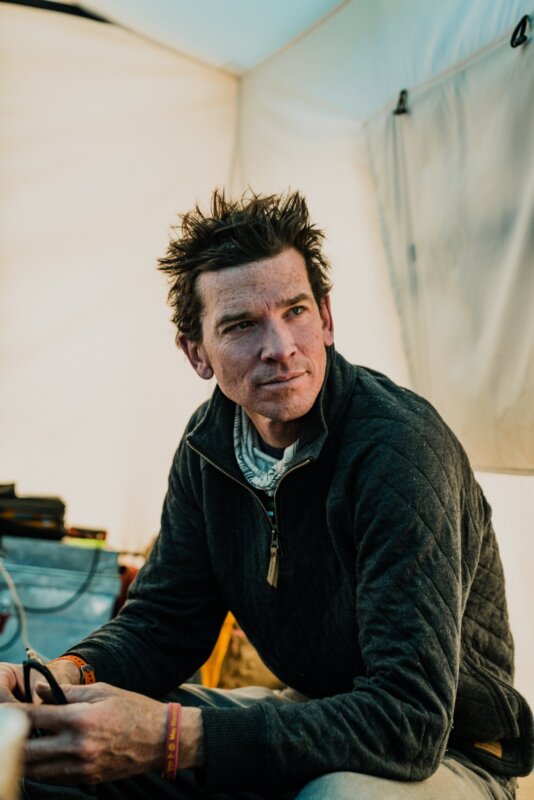
Ask us anything about Everest
Everest Equipment List
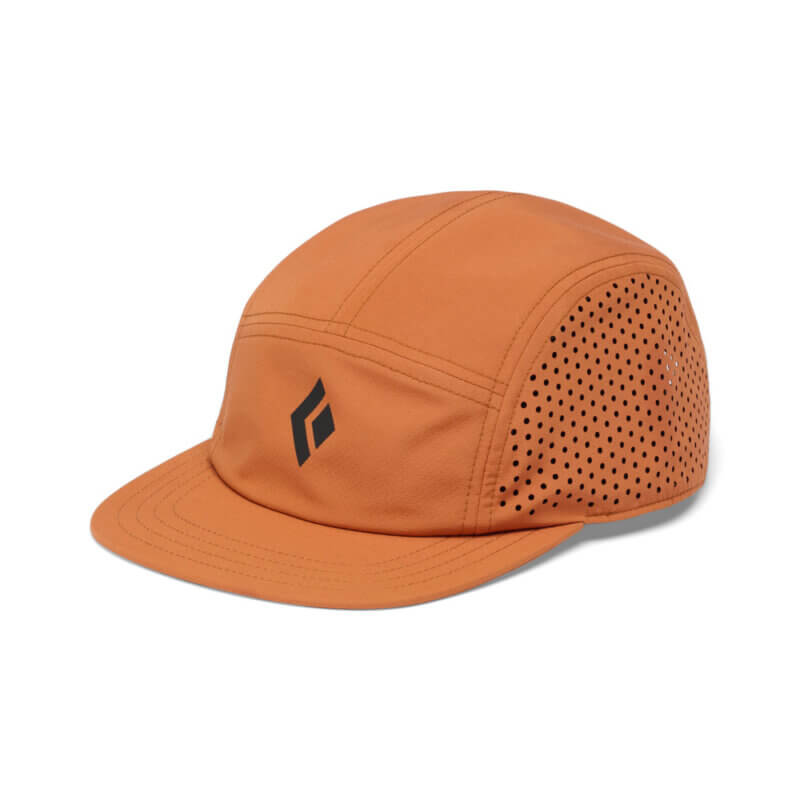
HatBring your favorite baseball hat for shelter from the sun. No white under the brim – the reflection off of it from the sun is blinding.
Recommended: Black Diamond 5-Panel Synthetic Cap
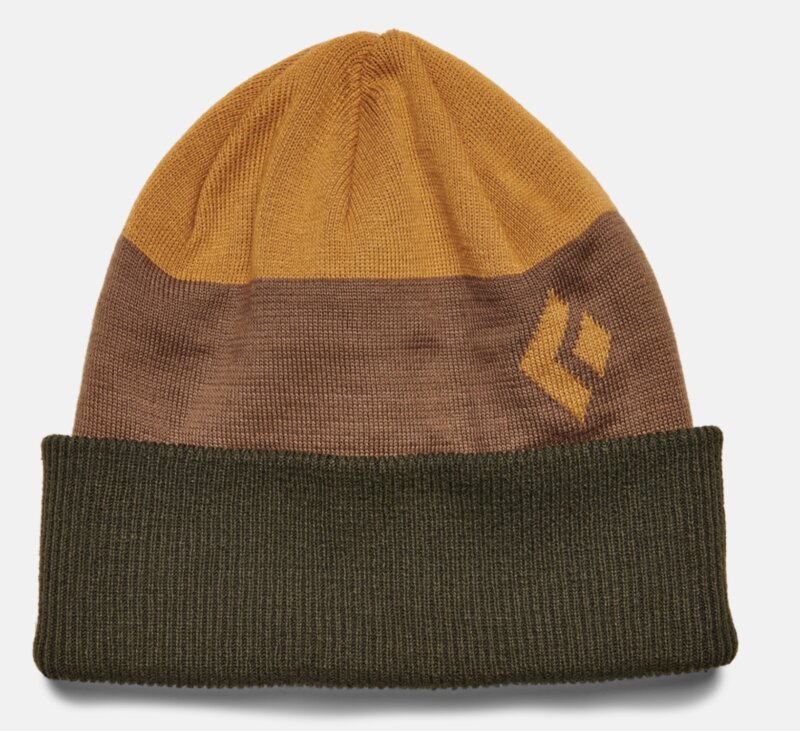
BeanieA comfortable, warm well-fitting hat that covers your ears. Make sure that one of your hats fits under a helmet.
Recommended: Black Diamond Levels Beanie
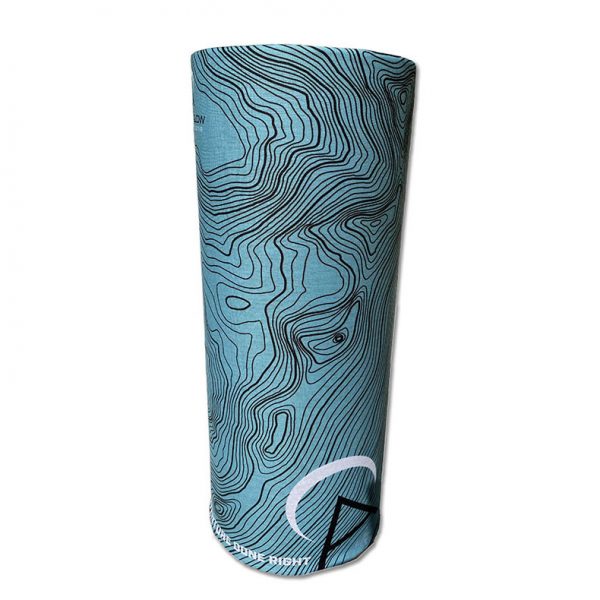
Neck Gaiter (Buff)A multi-purpose neck gator that can also be worn under your hat. Make sure that it covers as much skin as possible and yet is still comfy.
Recommended: Alpenglow Buff
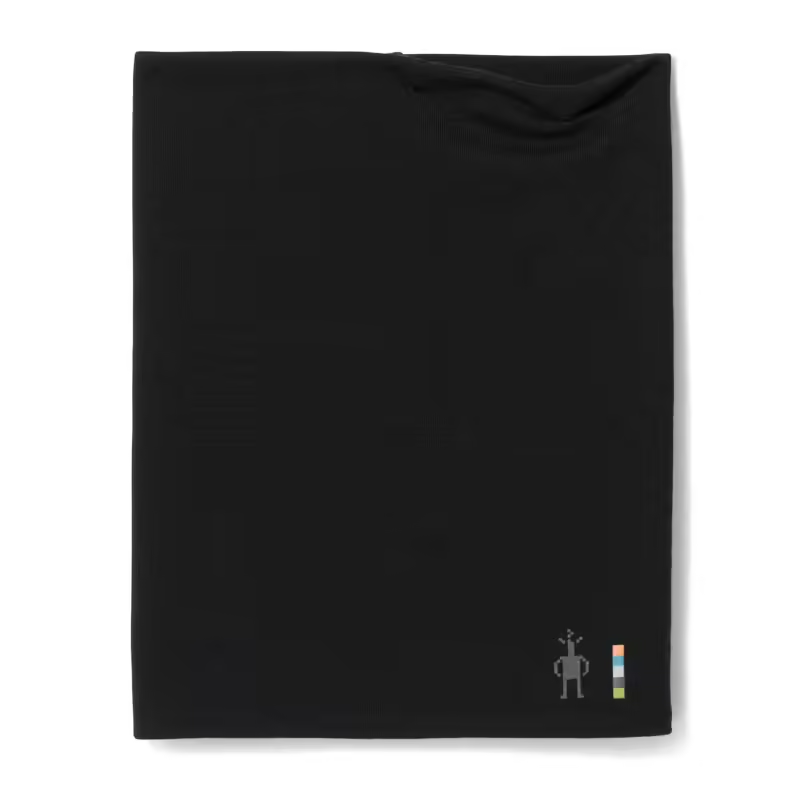
Thick Neck GaiterA thick neck gaiter is great for those really cold days/nights where a thin buff might not cut it.
Recommended: Smartwool Thermal Merino Reversible Neck Gaiter
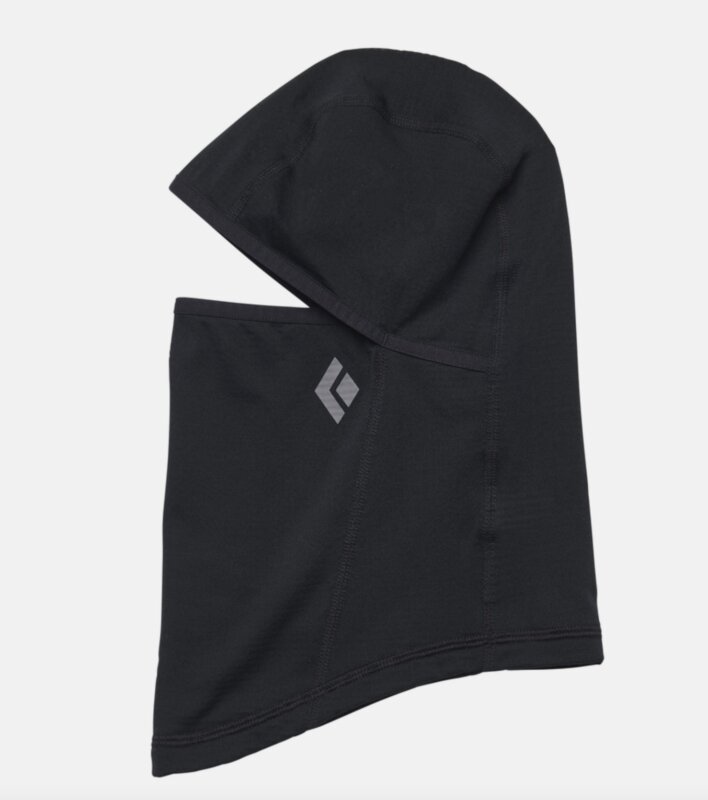
BalaclavaWe recommend a tight-fitting balaclava that is worn under your hat. Make sure that it covers as much skin as possible, but is comfortable enough to wear for hours.
Recommended: Black Diamond Coefficient LT Balaclava
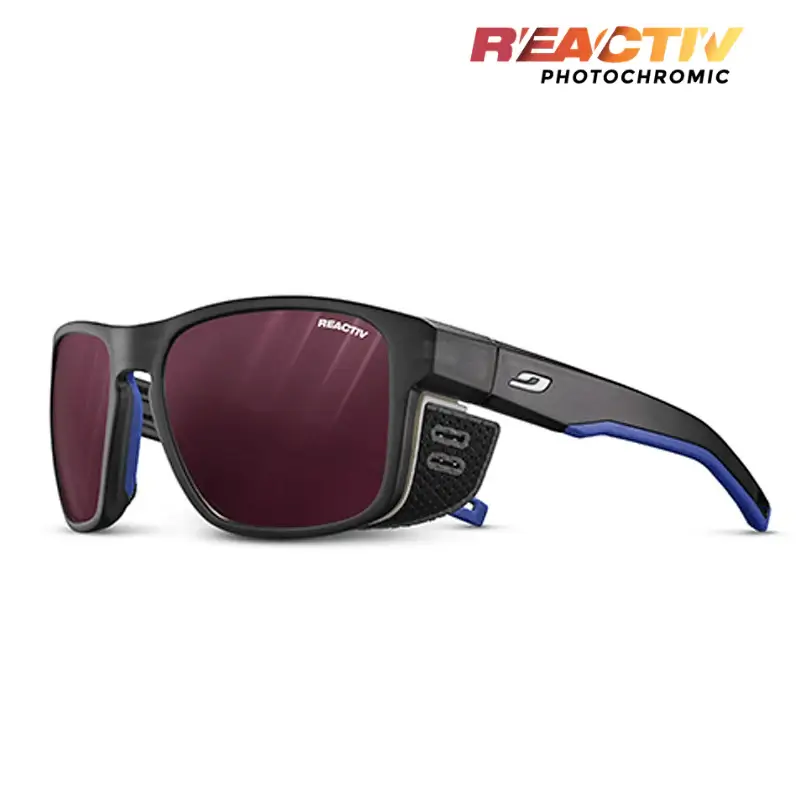
SunglassesMust have dark lenses. Minimal light should come in below, above, or around the sides of the lenses.“Wrap” style is best. Ventilation is important and a retainer strap is very useful (Chums or Croakies). A Category 4 lens is recommended.
Recommended: Julbo Shield
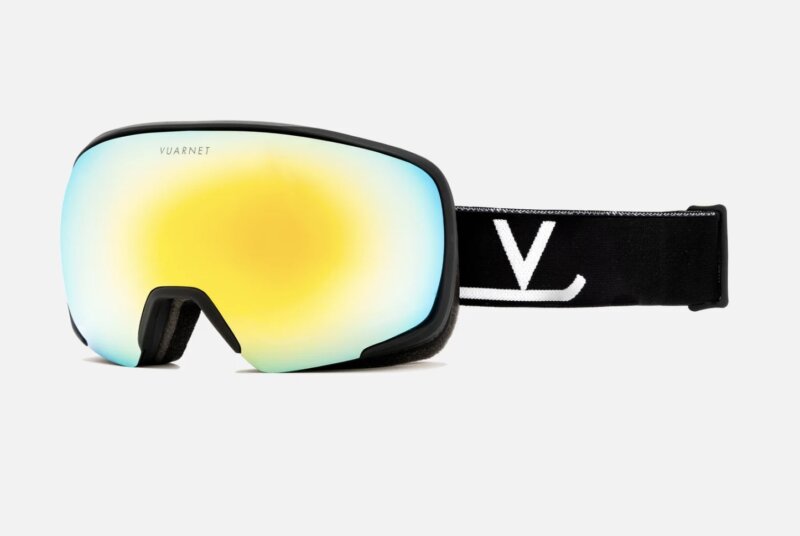
GogglesThese will be worn on stormy or windy days. Make sure you are getting a snug fit with lenses for low light (and preferably an extra lens for bright light as well). Ventilation and anti-fog features are desired.
Recommended: Vuarnet Everest Goggles
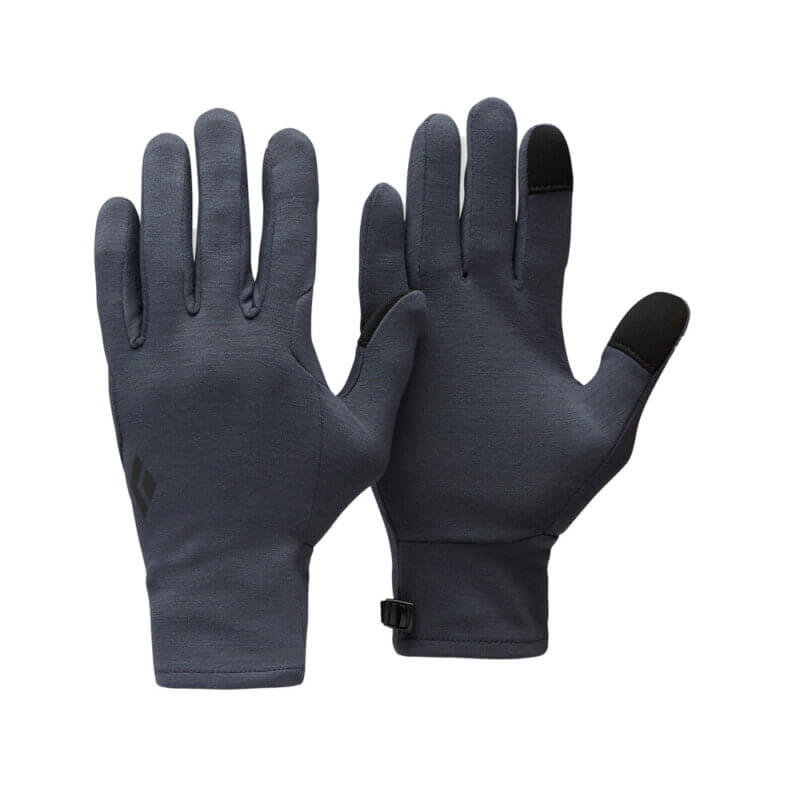
Liner GlovesThese gloves keep the inside of your mitts or other gloves from accumulating sweat on the inside and turning inside out when you take them off, as well as provide additional insulation.
Recommended: Black Diamond Midweight Wool Liners
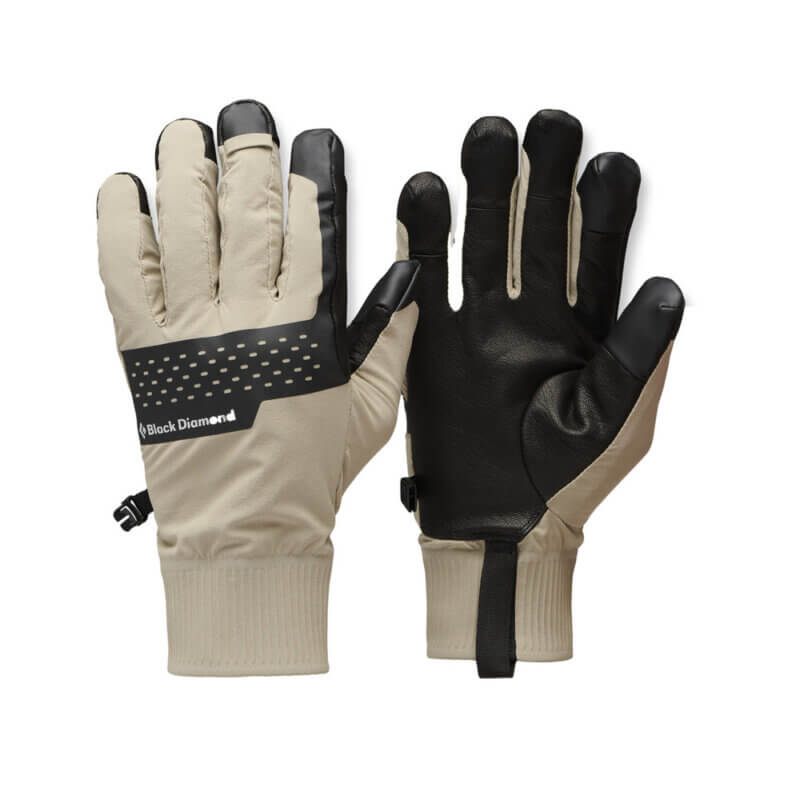
Lightweight GlovesAll-around gloves for mountaineering, backcountry skiing, and hiking. These gloves (and similar options) are warm, wind-resistant, durable and have a sure grip. You will rarely take these gloves off. They should be snug-fitting, and have some sort of reinforced palm.
Recommended: Black Diamond Alpine Softshell Gloves
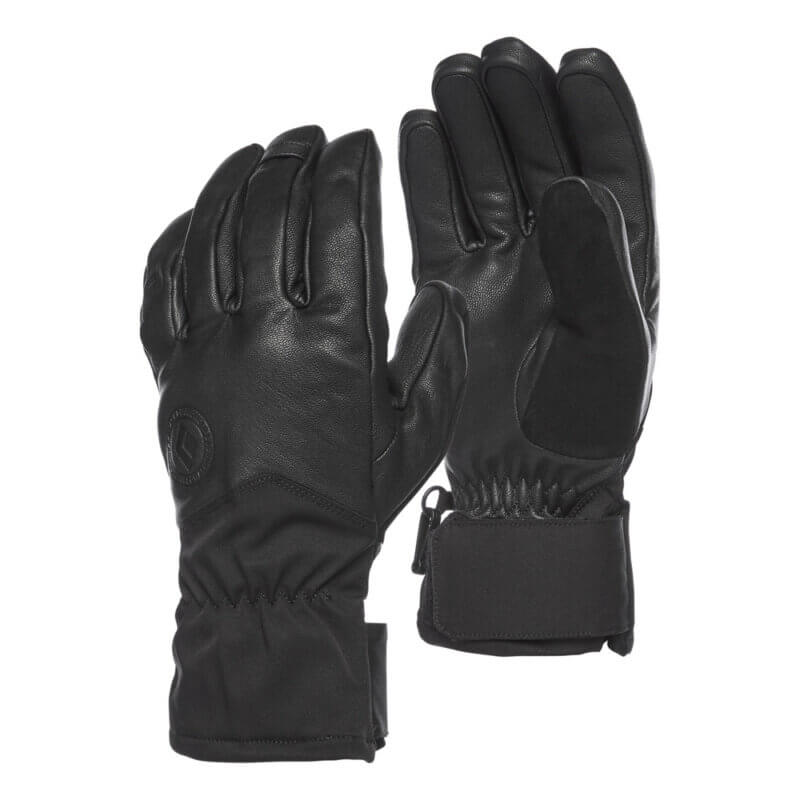
Midweight GlovesThese gloves should be full GORE-TEX®, and insulated. These will be the workhorse glove for any expedition.
Recommend: Black Diamond Tour Gloves
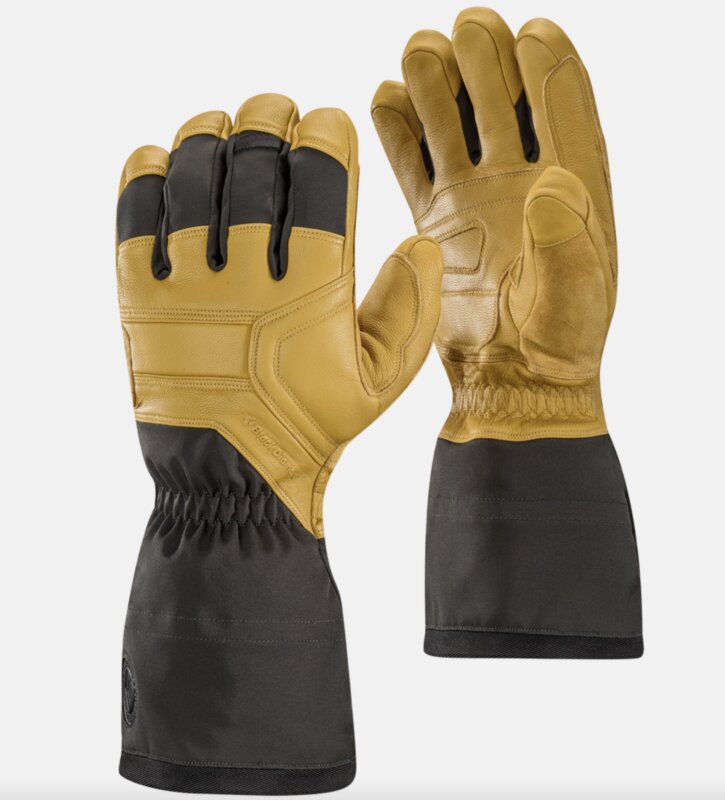
Heavyweight GlovesThese gloves should be full GORE-TEX®, with a removable fleece liner (so you can take the liner out and dry it at night). These gloves are used at higher altitudes and are needed to keep your hands dry, and warm. Over the cuff style is desired.
Recommended: Black Diamond Guide Gloves
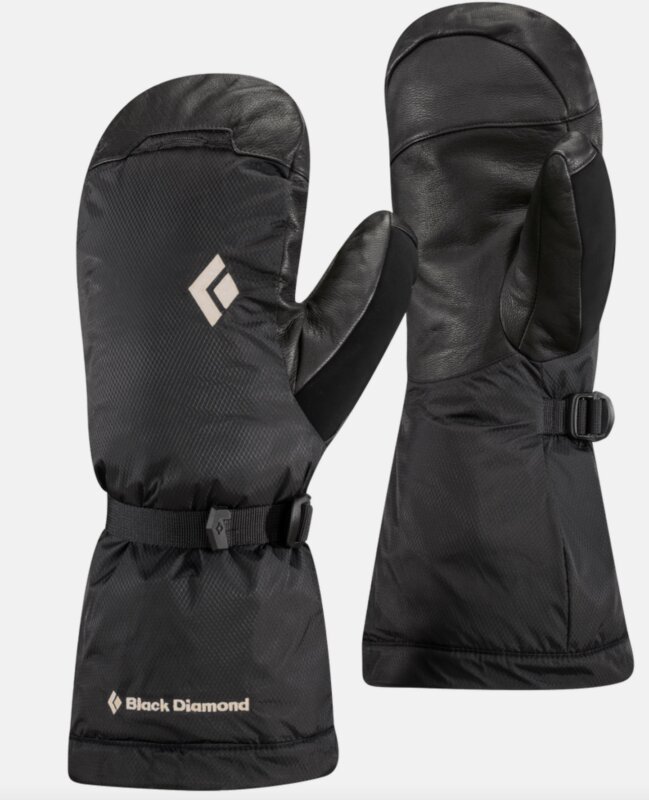
Big Mountain MittsThese mittens should be warm and be sized to wear over either a liner glove or a windstopper glove. Down mittens are not required. You should choose a pair that allows you to still operate locking carabiners.
Recommended: Black Diamond Absolute Mitts
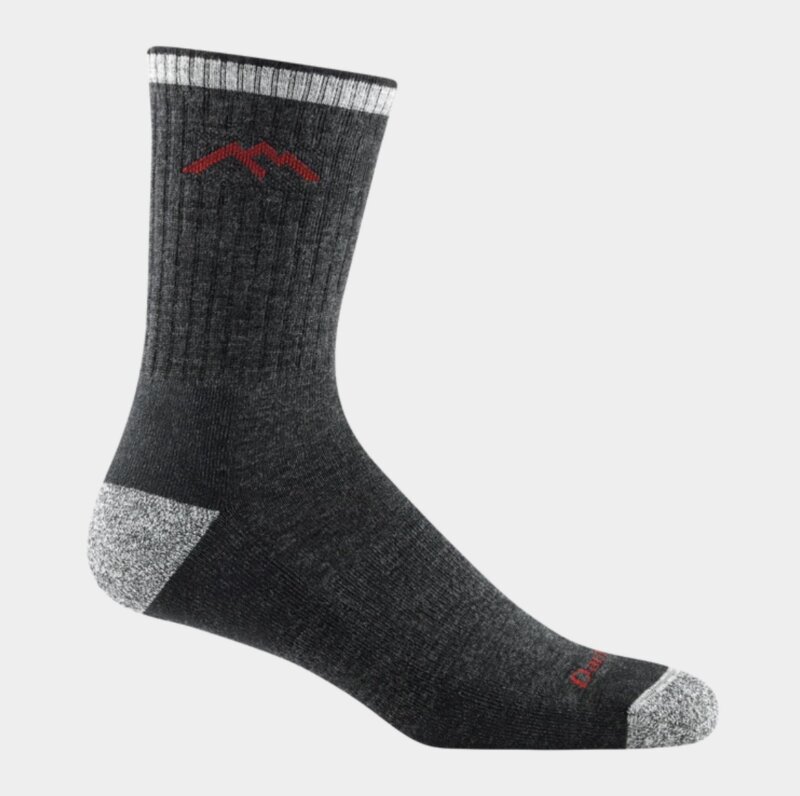
3-5x Hiking SocksYour everyday sock, good for day hikes, trekking, and in-town. It’s good to bring several pairs of these socks. NO COTTON.
Recommended: Darn Tough Hiking Sock
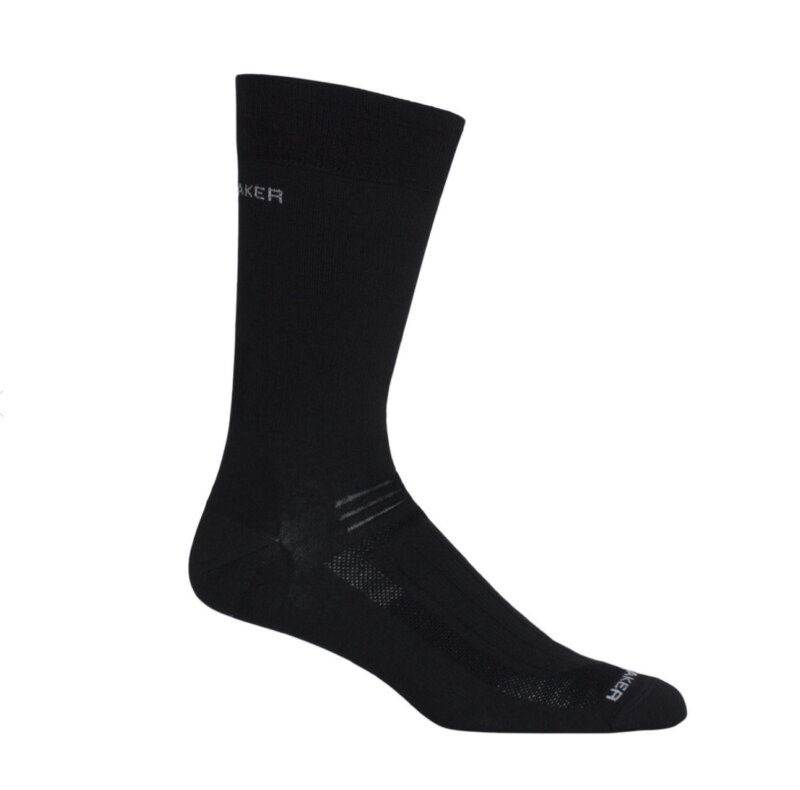
2x Liner SocksA super-thin wicking sock that repels moisture. Liner socks help to reduce the likelihood of blisters. The socks should be thin wool, nylon, or Capilene®. NO COTTON
Recommended: Ice Breaker Merino Liner
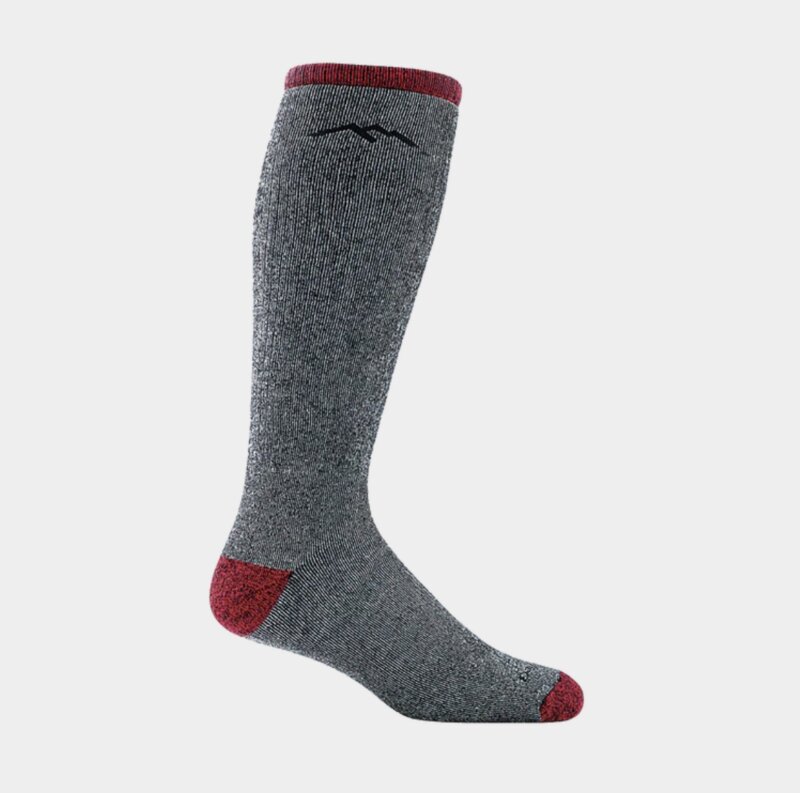
2-3x Warm SocksA wool synthetic blend. Pure rag wool socks are not nearly as effective in wicking moisture or retaining their shape and reducing blisters. Bring a few pairs of these socks. NO COTTON.
Recommended: Darn Tough Mountaineering Sock
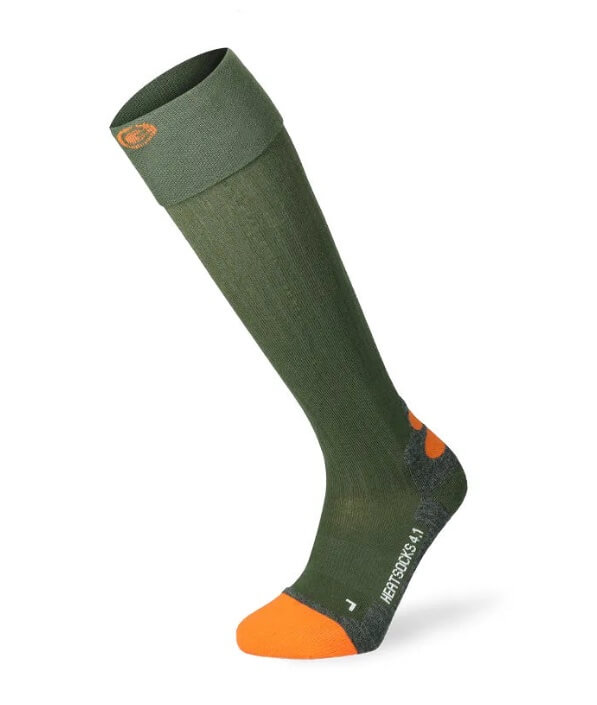
Heated SocksThese are optional, but highly recommended. Bring 2 sets of batteries. Hotronics boot heaters are another option instead of heated socks, but socks are preferred by our guides.
Recommended: Lenz Heat Socks 4.1 Toe Cap or Sidas SOCK SKI HEAT LV
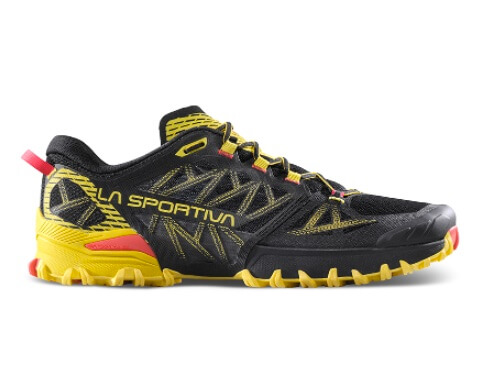
Hiking ShoesThese light to mid-weight shoes are for everyday use. The ideal shoe is comfortable to wear for multiple days and scrambles decently on rock. A Gore-tex lined shoe stays drier when hiking in rain or snow.
Recommended: La Sportiva Bushido
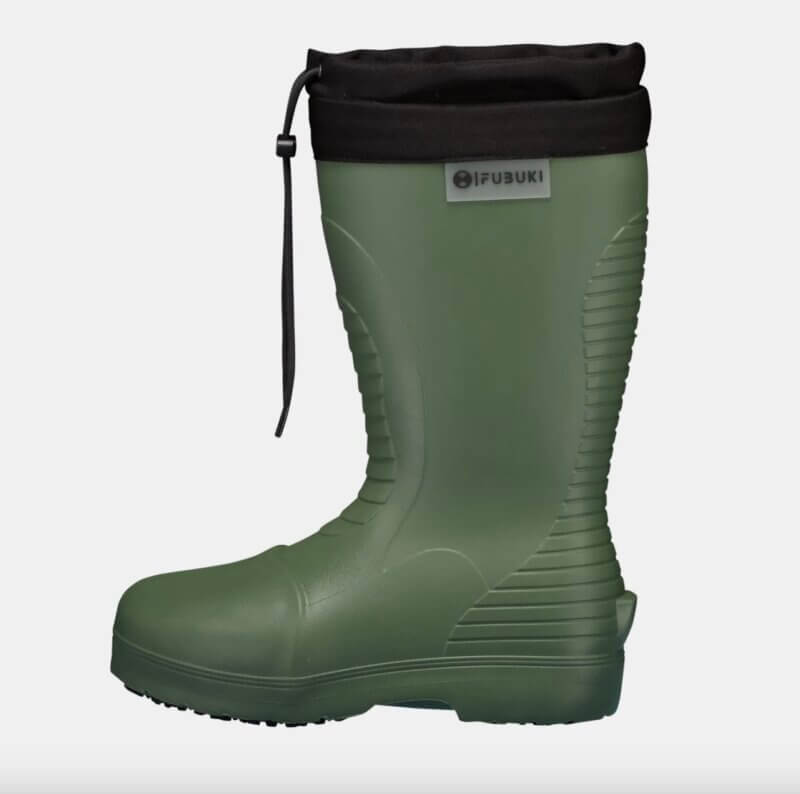
Base Camp BootsThese snow boots are good for wearing around camp and should be comfortable when you slip into them after spending significant time in your mountain boots.
Recommended Men’s: Fubuki 3.0 *(Hi or Low)
Recommended Women’s: Fubuki 3.0 *(Hi or Low)
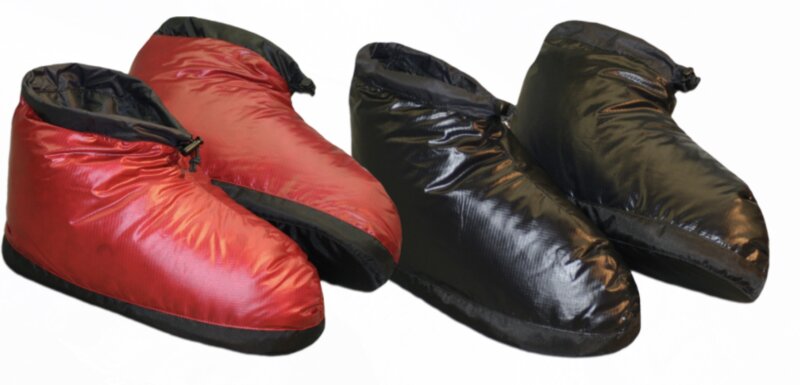
Down BootiesYou’ll love having a warm, comfortable shoe to slip into when tent-bound. These are optional, but nice to have.
Recommended: Western Mountaineering Flash Down Booties
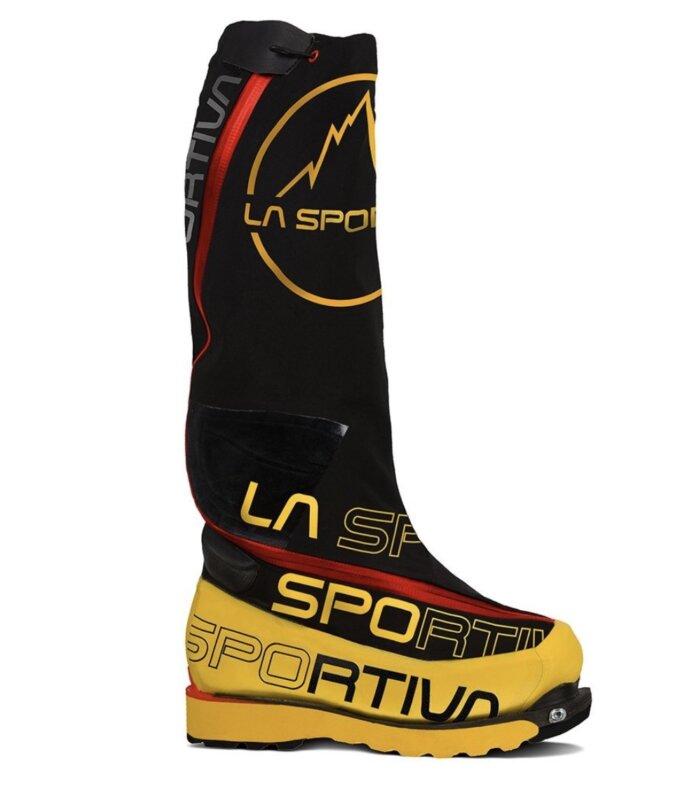
Mountaineering Boots (8,000m)Fully insulated, double boots with an integrated gaiter. These boots are essential for 8000-meter peaks
Recommended: La Sportiva Olympus Mons
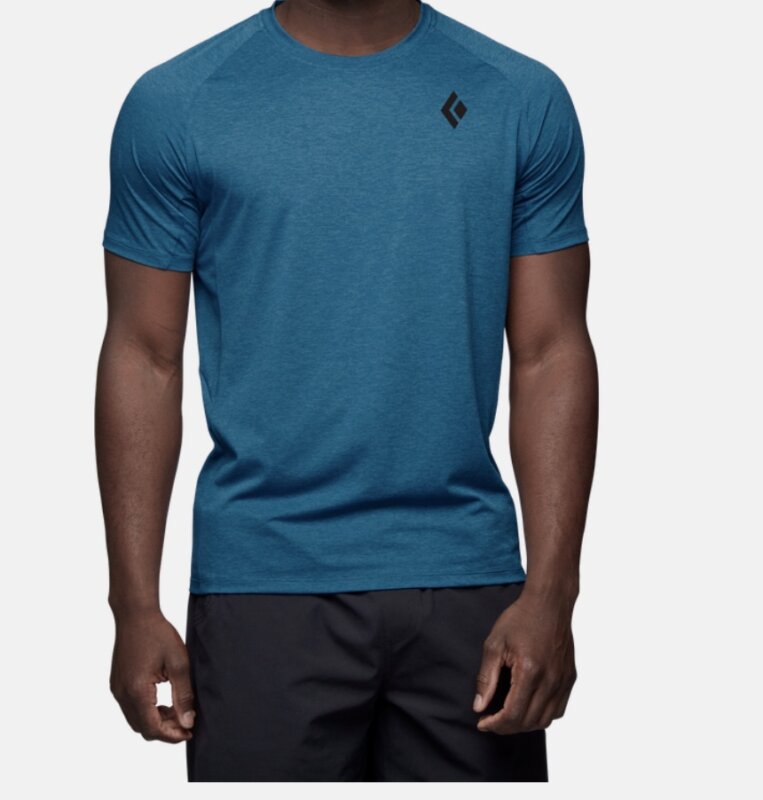
3x Lightweight TopUltra-light base layer that effectively wicks moisture away from your body and is breathable. Quick-dry is important as well. One light-colored shirt is recommended for extremely sunny days.
Recommended Men’s: Black Diamond Lightwire Short Sleeve
Recommended Women’s: Black Diamond Lightwire Short Sleeve
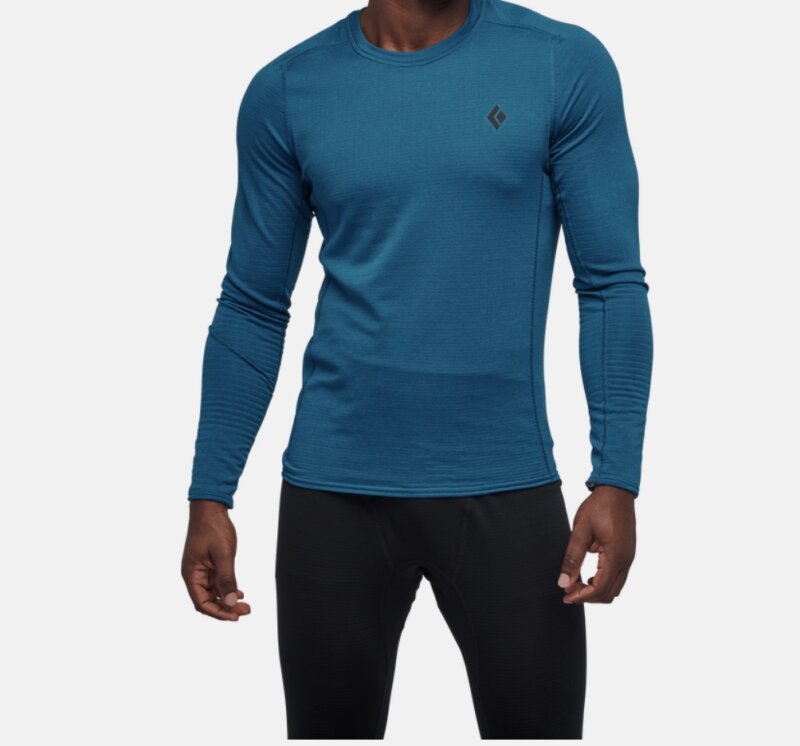
2x Long Sleeve Base LayerA long sleeve base layer that is fitted, lightweight and quick drying. Make sure it is long enough to tuck in.
Recommended Men’s: Black Diamond Coefficient Crew
Recommended Women’s: Black Diamond Solution Crew
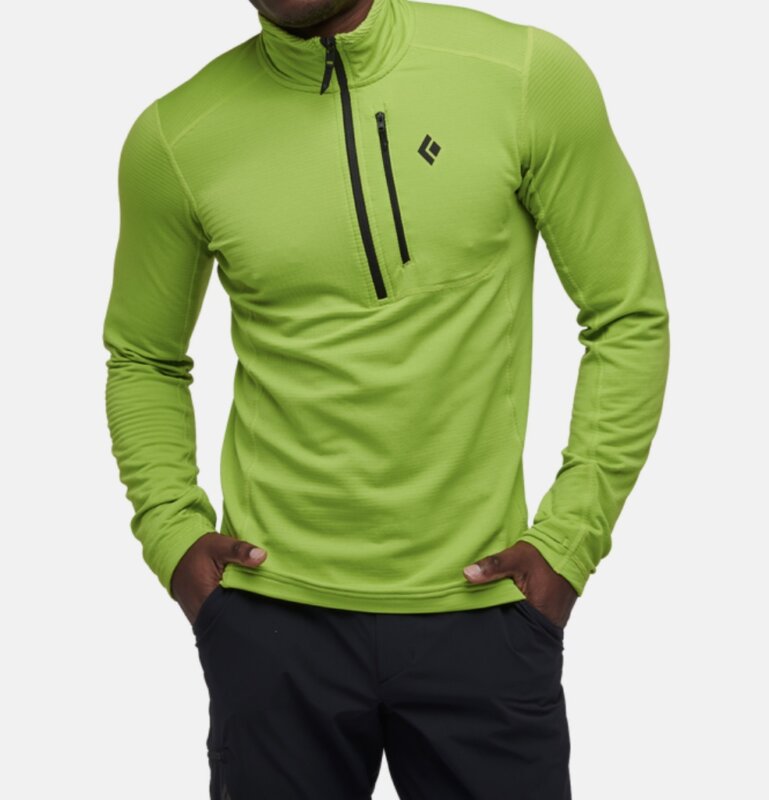
2x Mid-Weight Warm LayerA polar guard or fleece jacket. This mid-layer will be worn over your base layer most of the trip.
Recommended Men’s: Black Diamond Coefficient LT Quarter Zip
Recommended Women’s: Black Diamond Solution Quarter Zip
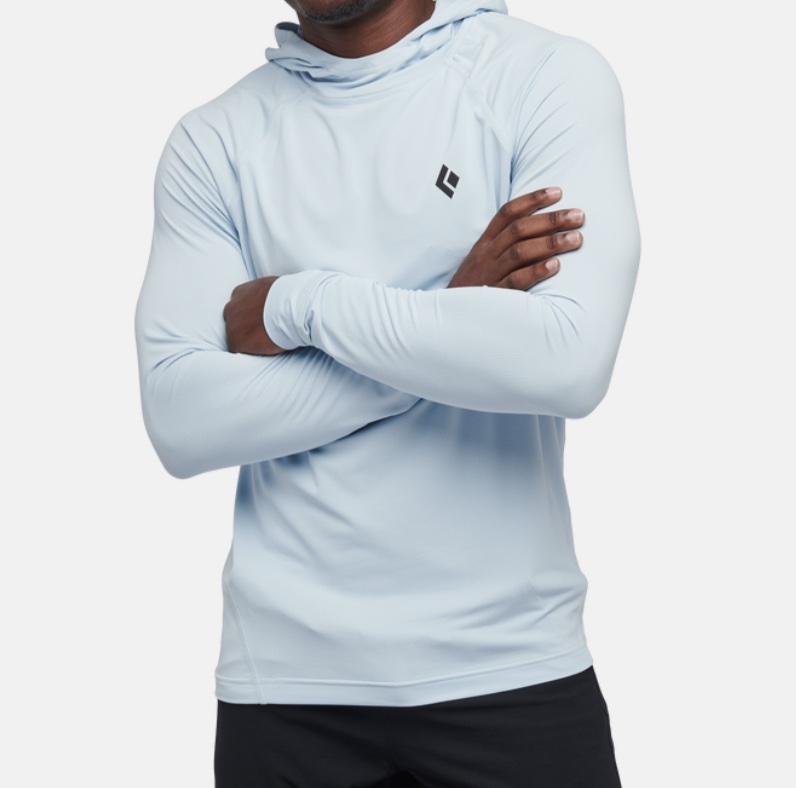
Sun HoodyLightweight, long-sleeve sun hoody that is great for protecting from the sun.
Recommended Men’s: Black Diamond Alpenglow Hoody
Recommended Women’s: Black Diamond Alpenglow Hoody
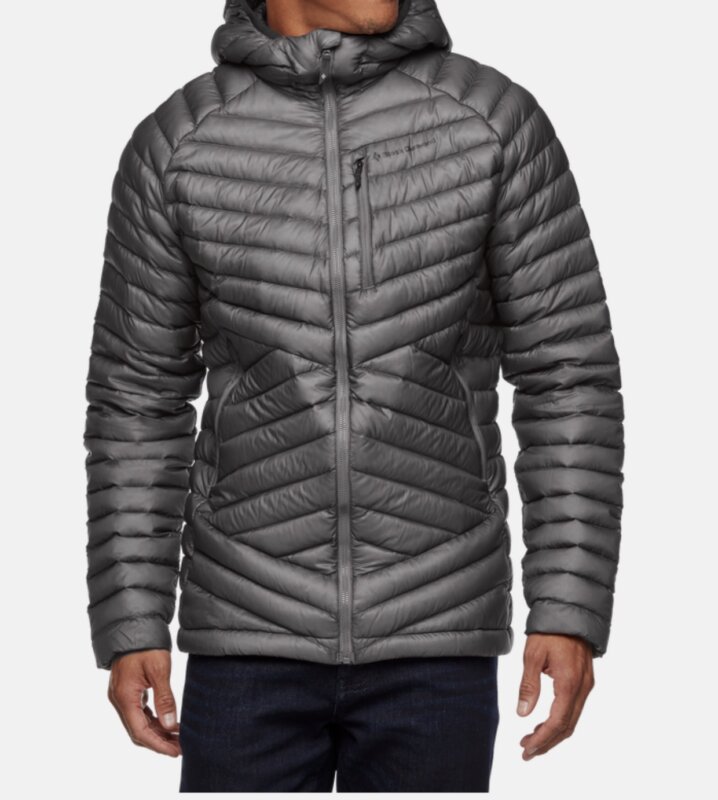
Mid-Weight Puffy JacketA simple, lightweight puffy jacket. This item is good for layering systems and staying warm. We recommend 800-fill down that is packable and resists inclement weather.
Recommended Men’s: Black Diamond Deploy Down 1.0 Hoody
Recommended Women’s: Black Diamond Deploy Down 1.0 Hoody
Mid-Weight Synthetic JacketAn active insulation layer that breathes and moves with you while keeping you warm.
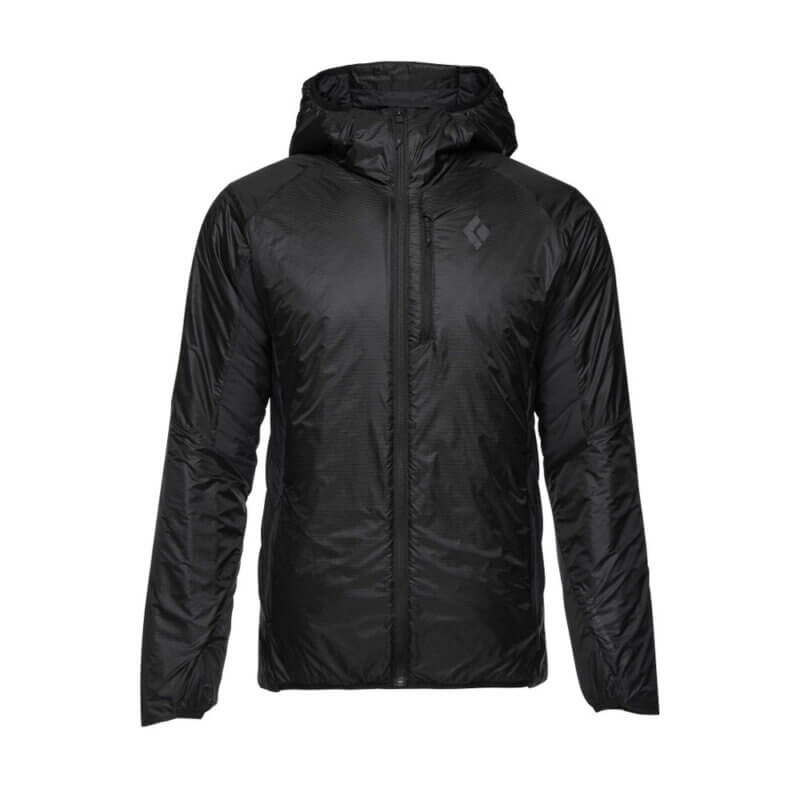
Recommend: Black Diamond Vision Hybrid Hoody
Soft Shell JacketMore breathable than Gore-tex, these soft shell jackets block wind and light precipitation and are great as an outer layer and warm layer under your parka.
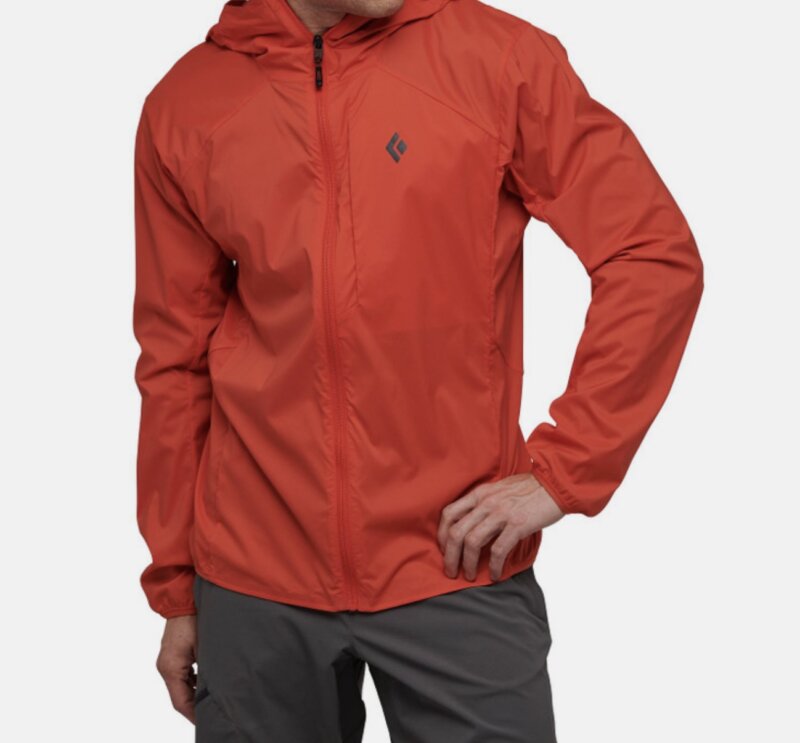
Men’s Recommended: Black Diamond Alpine Start Hoody
Women’s Recommended: Black Diamond Alpine Start Hoody
Hard Shell JacketA lightweight, waterproof and breathable jacket WITH A HOOD that can withstand extreme weather conditions. Make sure you have pit-zips and if you are using an old jacket, re-waterproof it.
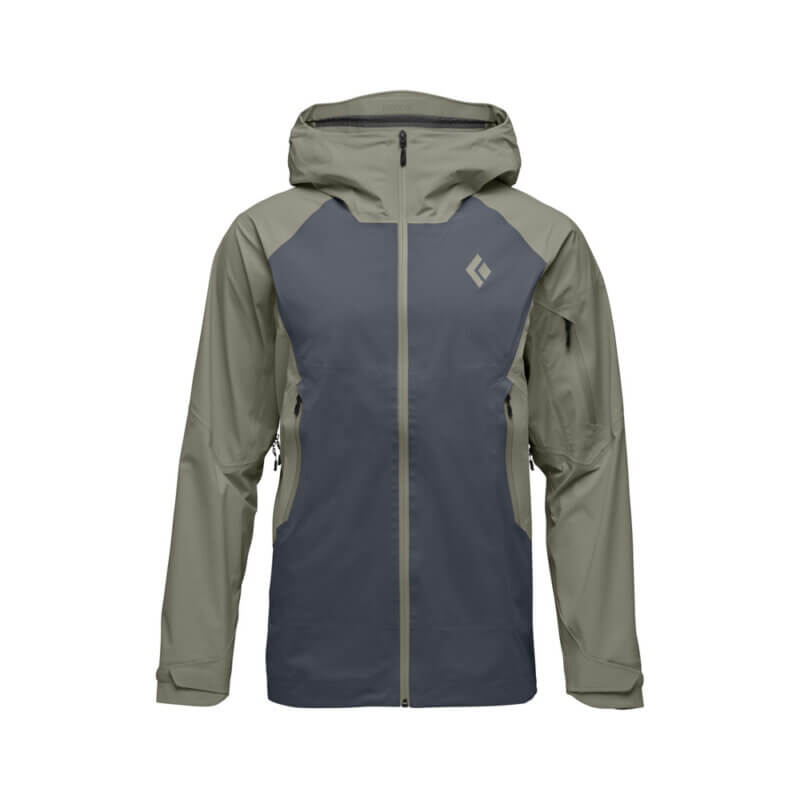
Recommended Men’s: Black Diamond Recon LT Stretch Shell
Recommended Women’s: Black Diamond Women’s Recon LT Stretch Shell
Down ParkaA puffy jacket with a hood that will keep you warm during the coldest of conditions. The higher the quality down, the better (800-fill is best). Although this jacket should be lightweight, it should have a decent thickness and be closer to the 2 lb. range than your typical mid-weight jacket.
Recommended Men’s: Black Diamond Mission Down Parka
Recommended Women’s: Black Diamond Mission Parka
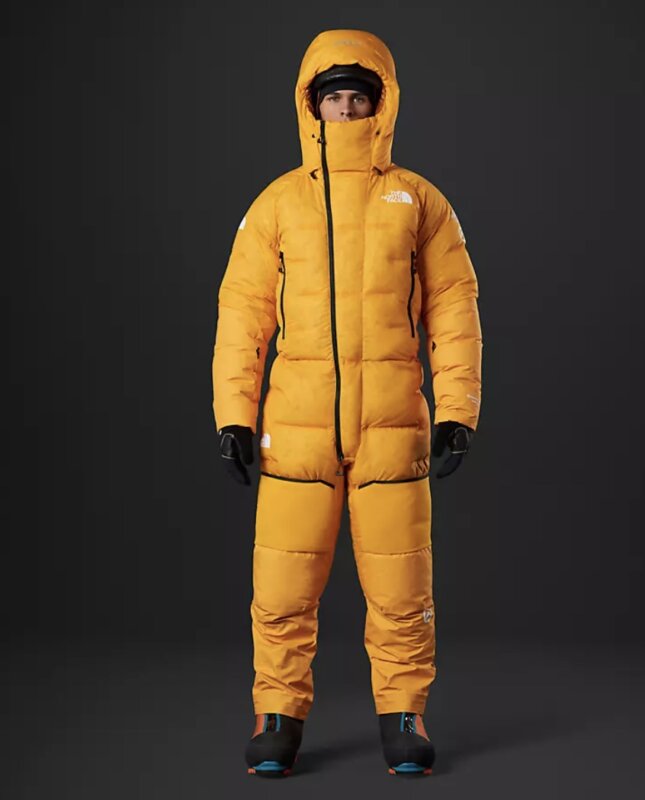
Down SuitWe HIGHLY recommend an 8000m insulated suit rather than a separate top and bottom.
Recommended Men’s: The North Face Down Suit
Recommended Women’s: The North Face Women’s Down Suit
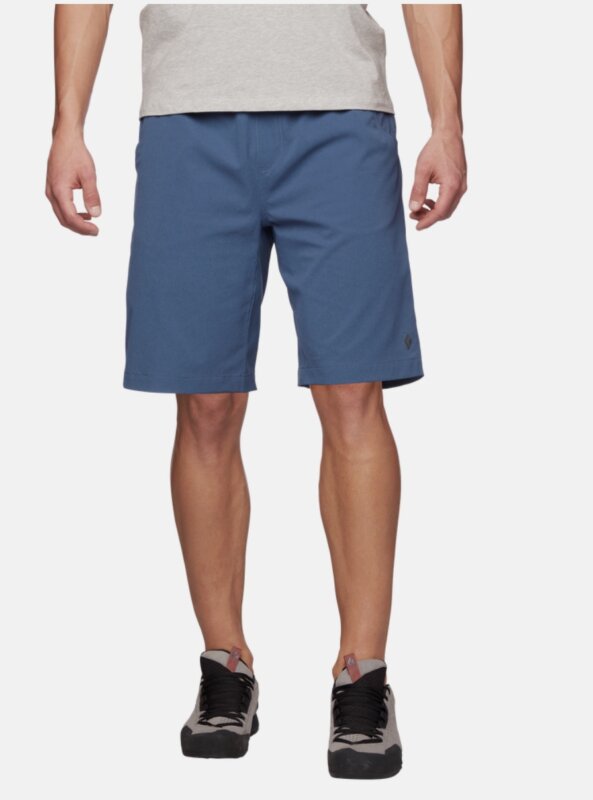
Quick Dry ShortsThrow these on under other layers for when the sun begins to beat, or you want to stretch / relax in Basecamp. Lightweight, durable and comfortable. NO COTTON.
Recommended Men’s: Black Diamond Sierra Shorts
Recommended Women’s: Black Diamond Sierra Shorts
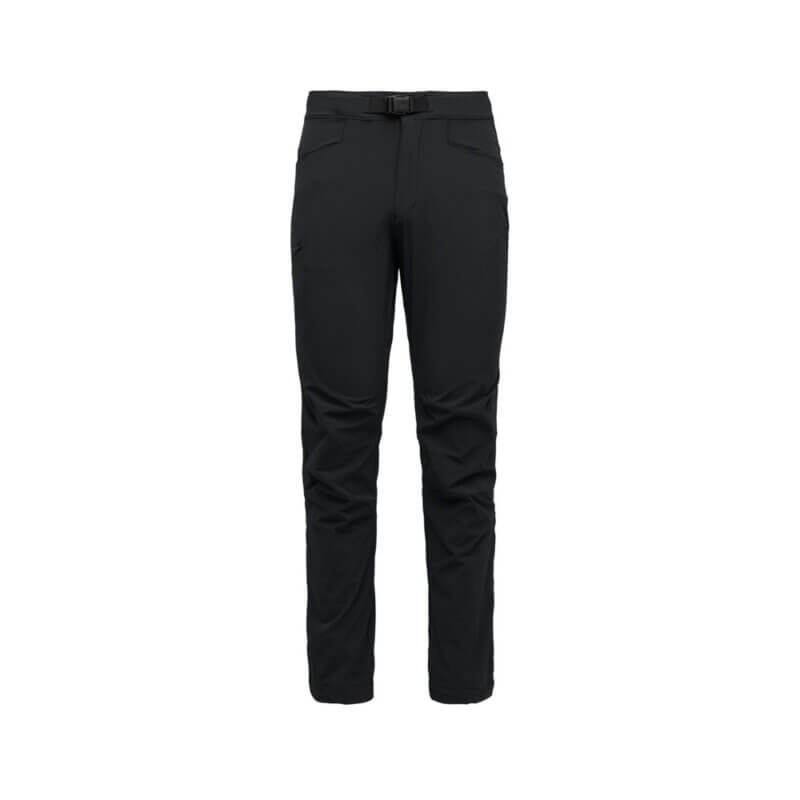
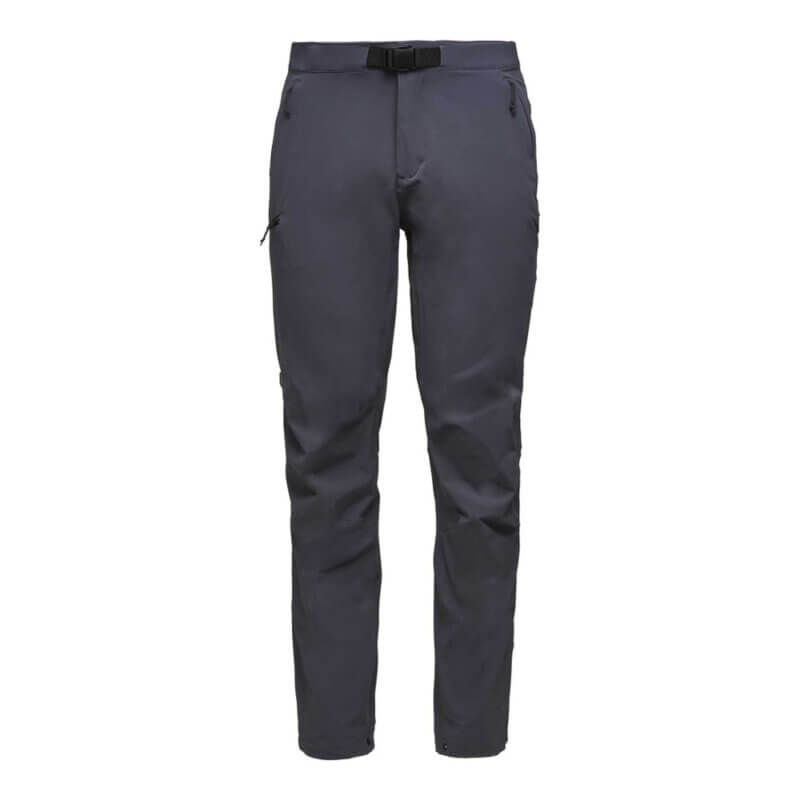
2x Hiking PantsLightweight, durable, quick-drying hiking pant that will be your day-to-day pant during the expedition
Men’s Recommended: Black Diamond Alpine Light Pants
Women’s Recommended: Black Diamond Women’s Alpine Light Pants
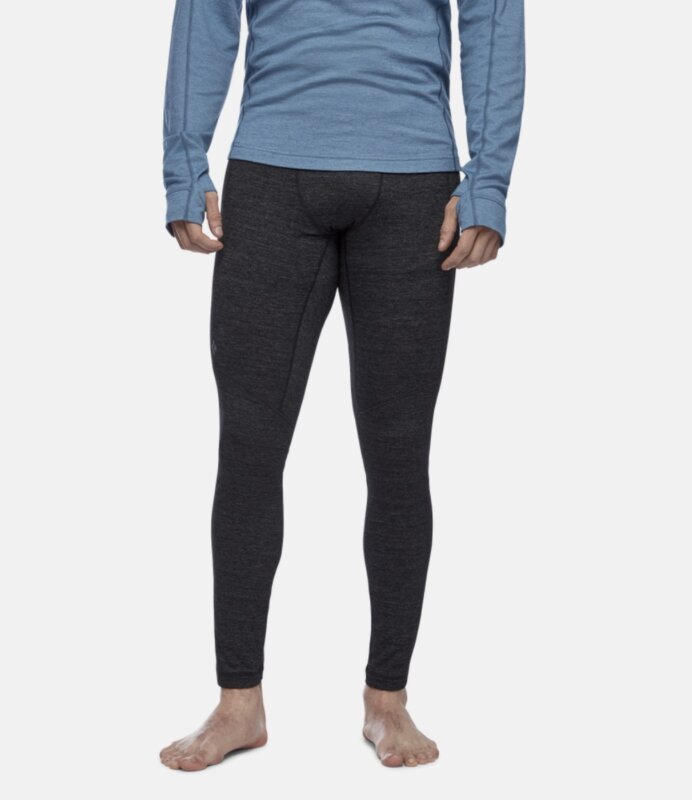
2x Base Layer BottomsFitted, light-weight, next to skin base layer.
Recommended Men’s: Black Diamond Mens Solution 150 Merino Bottoms
Recommended Women’s: Black Diamond Women’s Solution 150 Merino Bottoms
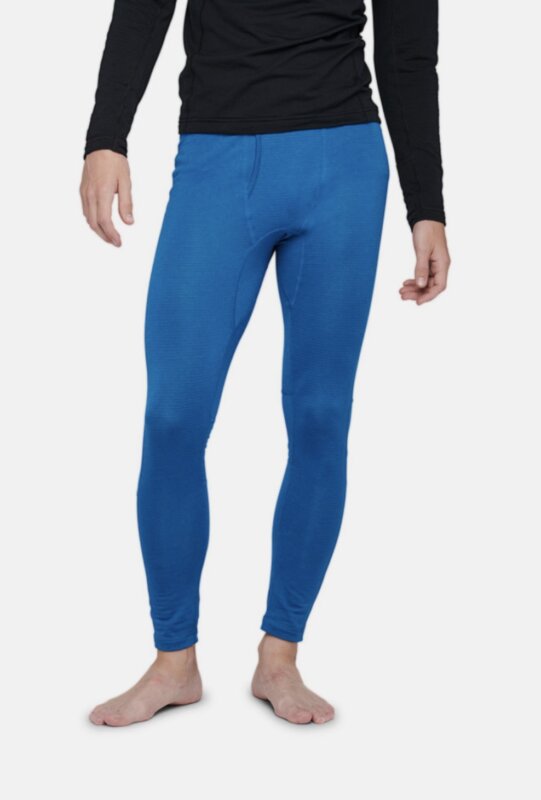
2x Mid-Weight Layer BottomsFitted and quick drying. This piece will be a Mid-Weight Layer that will get you through a wide range of temperatures.
Recommended Men’s: Black Diamond Coefficient LT Pants
Recommended Women’s: Black Diamond Coefficient LT Pants
Soft-Shell Alpine PantYou will spend most of your days in these pants. They should be breathable + water-resistant.
Recommended Men’s: Black Diamond Alpine Pants
Recommended Women’s: Black Diamond Alpine Pants
Hard Shell Climbing PantYour waterproof bottom layer for extreme weather days. Make sure you have water-resistant zippers, crampon patches + good pockets.
Recommended Men’s: Black Diamond Fineline Stretch Full Zip Pants
Recommended Women’s: Black Diamond Fineline Stretch Full Zip Pants
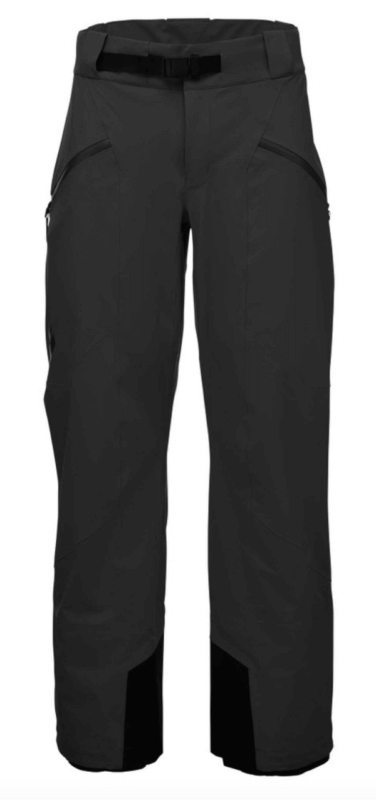
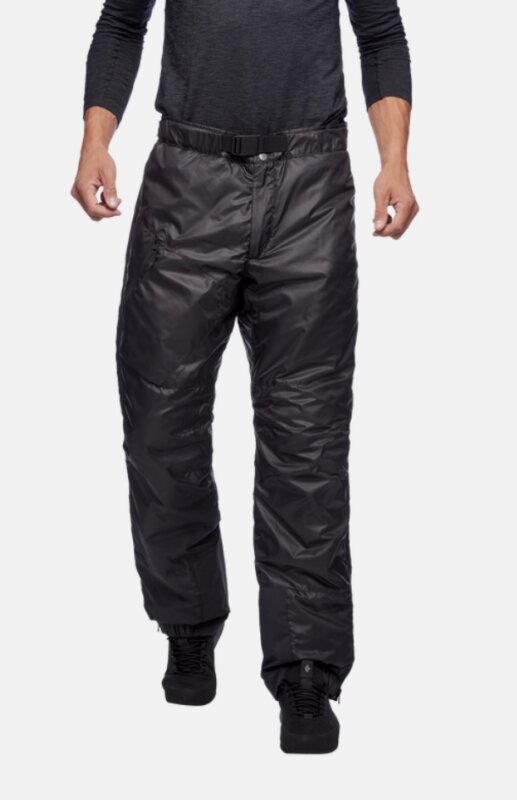
Insulated PantFull-length side zippers are recommended, for throwing on top of all of your layers.
Recommended: Black Diamond Solution 4.0 Pants
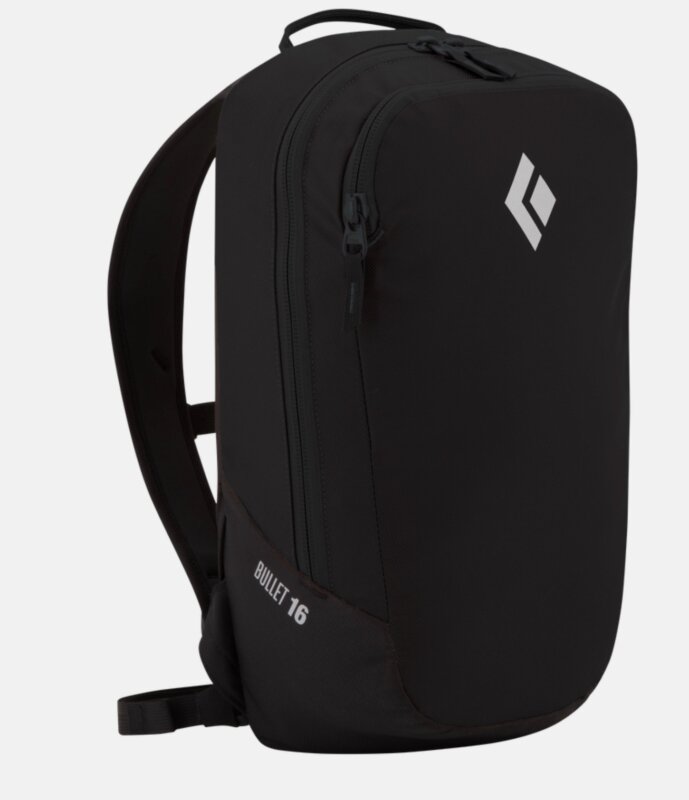
Day PackMid-size pack for city days and trekking. Streamlined, neat and lightweight (10-20 liters).
Recommended: Black Diamond Bullet 16 Pack
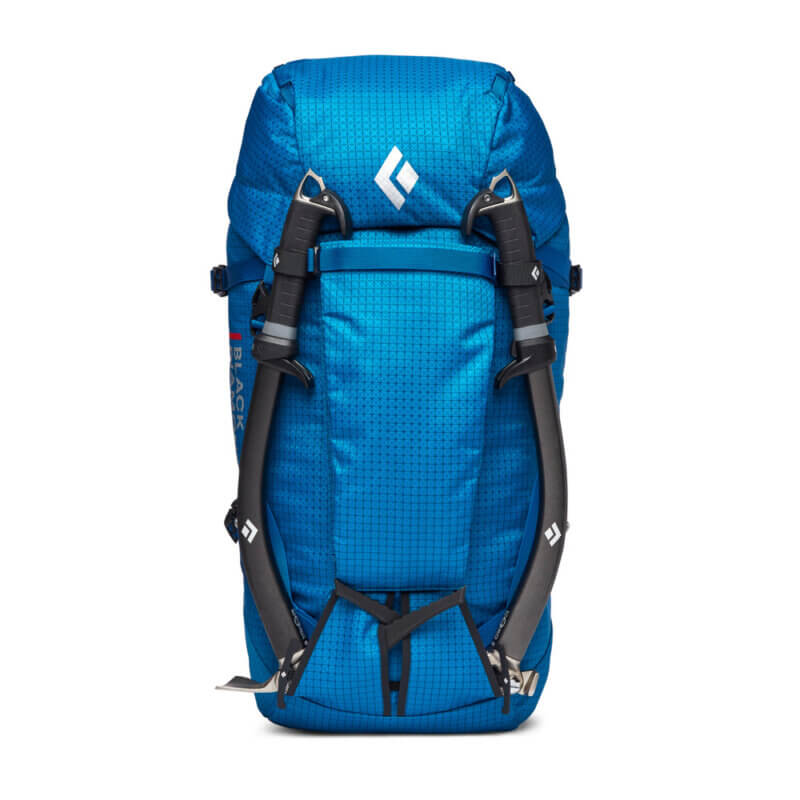
Climbing Pack: 50-60LInternal frame pack that is between 50 and 60 liters. Either purchase a matching pack cover, or use garbage bags as liners. Make sure the pack is fitted to YOUR body.
Recommended: Black Diamond Mission 55L Pack
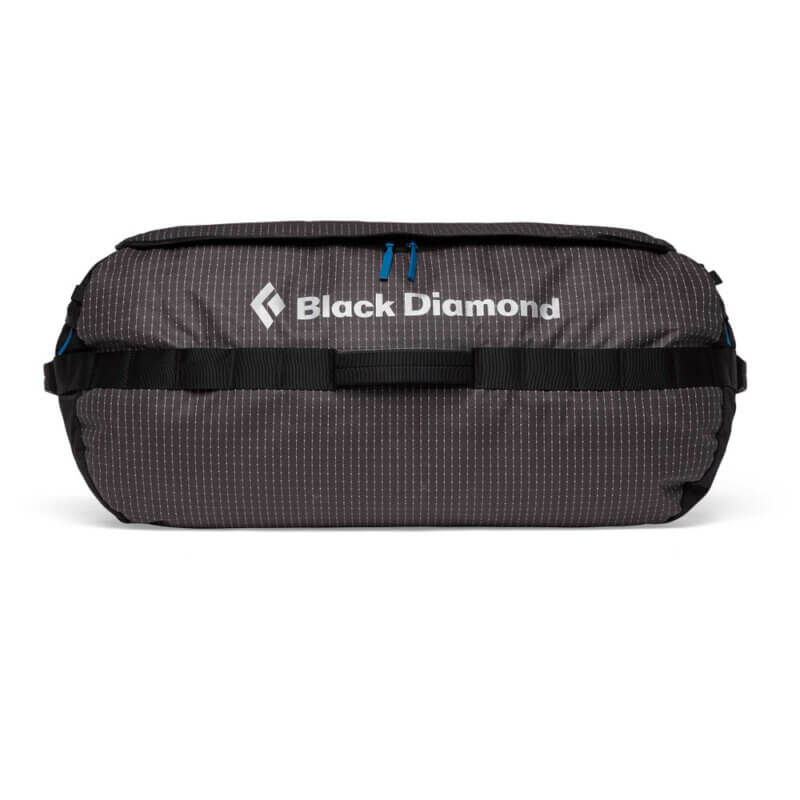
120L Duffel Bags(2) 120L Duffel Bags – Should be extremely durable and waterproof. You should feel comfortable leaving it in a puddle for several hours. Remember dry clothes are hot commodities in the mountains! Large enough to fit everything you own, plus what you anticipate buying. Two duffel bags are necessary to fit all your equipment for travel (we don’t recommend checking your backpack, best is to put all gear and backpack into your duffel). Once in country, you can consolidate your gear into one duffel and your backpack. It’s common to leave the second duffel with city clothes and other non-necessary items behind in a locked and secure location that your guide will arrange for you.
Recommended: Black Diamond Stonehauler 120L
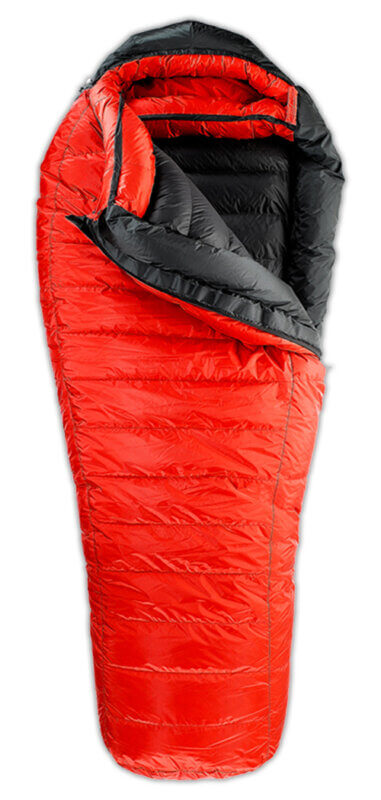
Sleeping Bag (-30°)Rated to -30º F to -40º F. Choose an 800+ Fill Premium Goose Down bag. Make certain that the sleeping bag is the right length. DON’T FORGET A COMPRESSION SACK FOR THE SLEEPING BAG. Many climbers also like a silk liner.
Granite Gear Compression Sack is desired.
Note to Everest Climbers: If you own 2 sleeping bags (for instance a -15 and a -30), bring both! It’s not 100% required, but if you already own 2, then 1 can stay in BC and 1 can go to ABC.
Recommended: Western Mountaineering Bison GWS Expedition
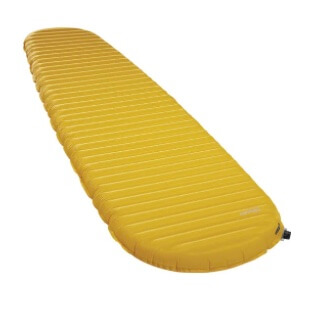
Inflatable Sleeping Pad72-inch long inflatable pad required. Make sure you also purchase and bring a repair kit + bag for the sleeping pad.
Recommended: NeoAir® XLite™ NXT Sleeping Pad
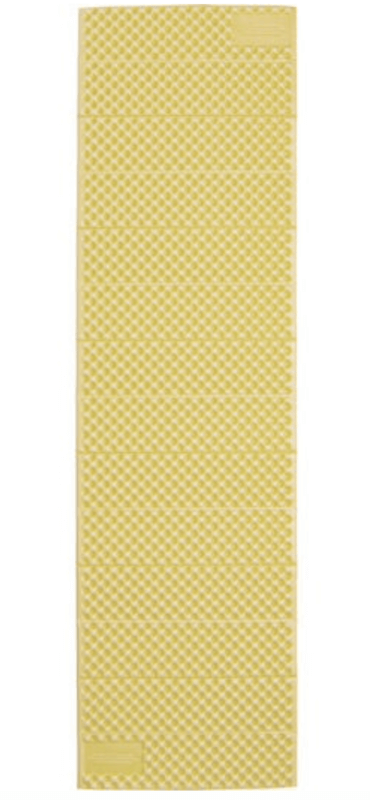
Lightweight Foam Sleeping MatRecommended: Thermarest Z Lite SOL™ Sleeping Pad
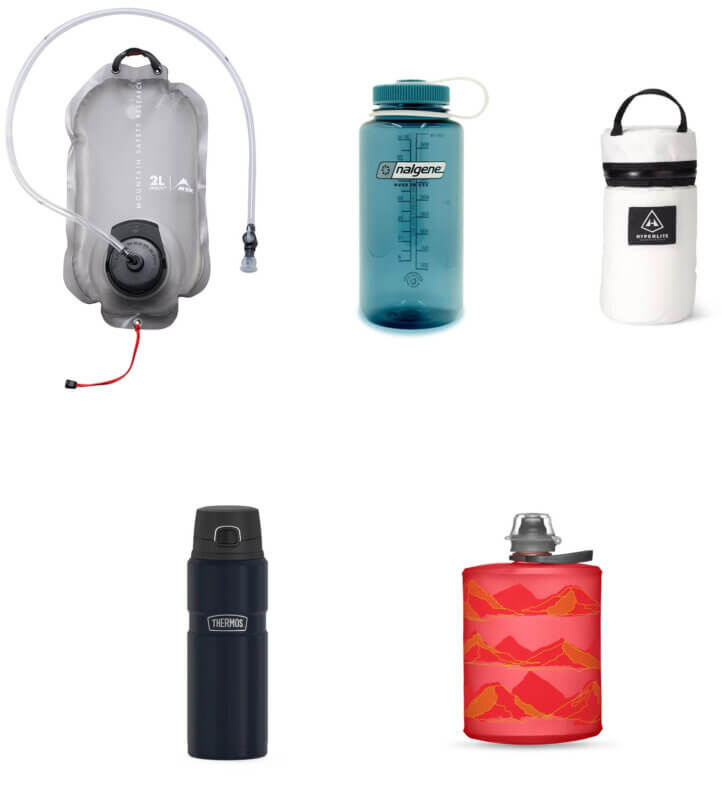
Hydration SystemsYou need to able to carry 2-3 liters of fluid at any time and the system could vary depending on weather and altitudes. Water containers can be: Camelback (only suitable for low elevations and high temperature days trekking or life at the camps), Thermos (one is recommended for summit day), a mix of 1 Liter Nalgene bottles (with insulator sleeve), and HydraPak style silicone bottles that are lightweight and simple, 0.5L recommended.
Recommended System:
MSR Dromlite2L w/ hydration tube
Thermos Stainless King Drink Bottle 24oz.
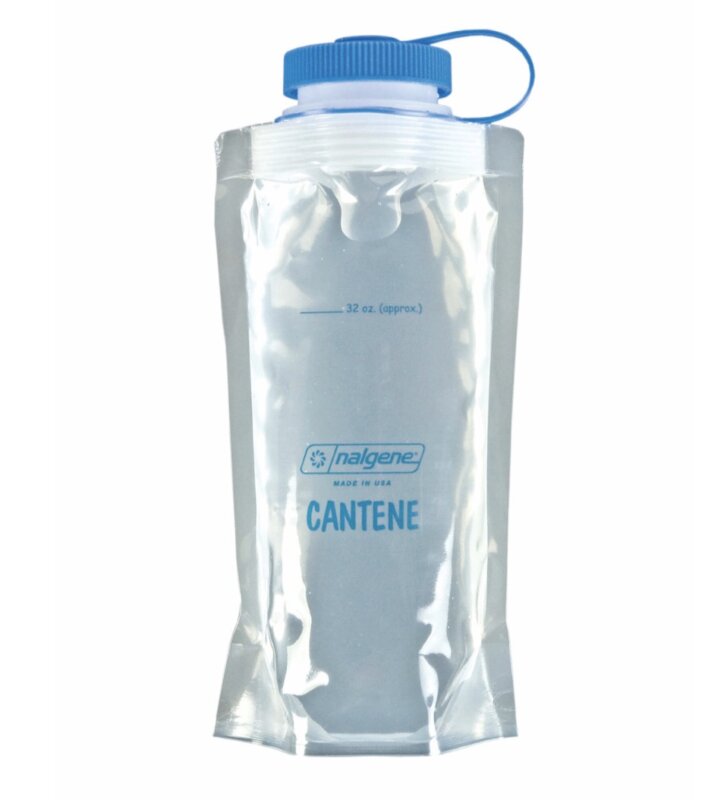
Compressible 1-1.5L BottleWide mouth compressible 1-1.5 liter bottle. Optional but strongly recommended. Often used as a designated pee bottle.
Recommended: Nalgene Flexible Cantene
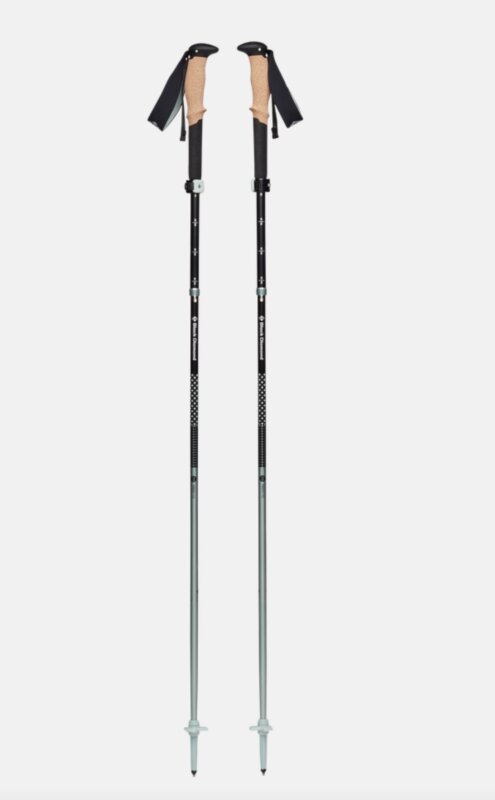
Trekking PolesMake sure that they are durable, lightweight + easily adjustable. These are optional, but highly recommended.
Recommended: Black Diamond Pursuit FLZ Trekking Poles
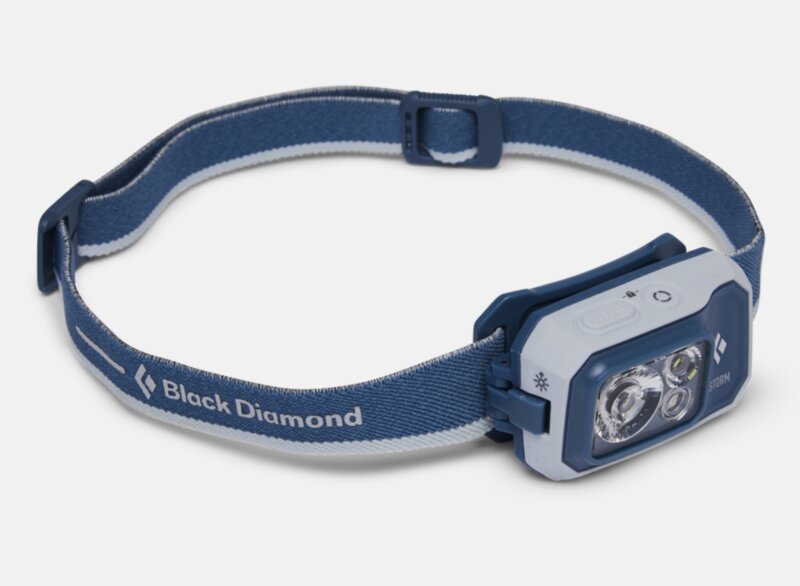
HeadlampsPlease bring two L.E.D. Headlamps. One will be intended as a lightweight backup. L.E.D. headlamps are required. Make sure they have 3+ bulbs. Bring extra batteries. We highly recommend a tilting lamp.
Recommended: Black Diamond Storm 450
Backup Headlamp Recommended: Black Diamond Deploy 325
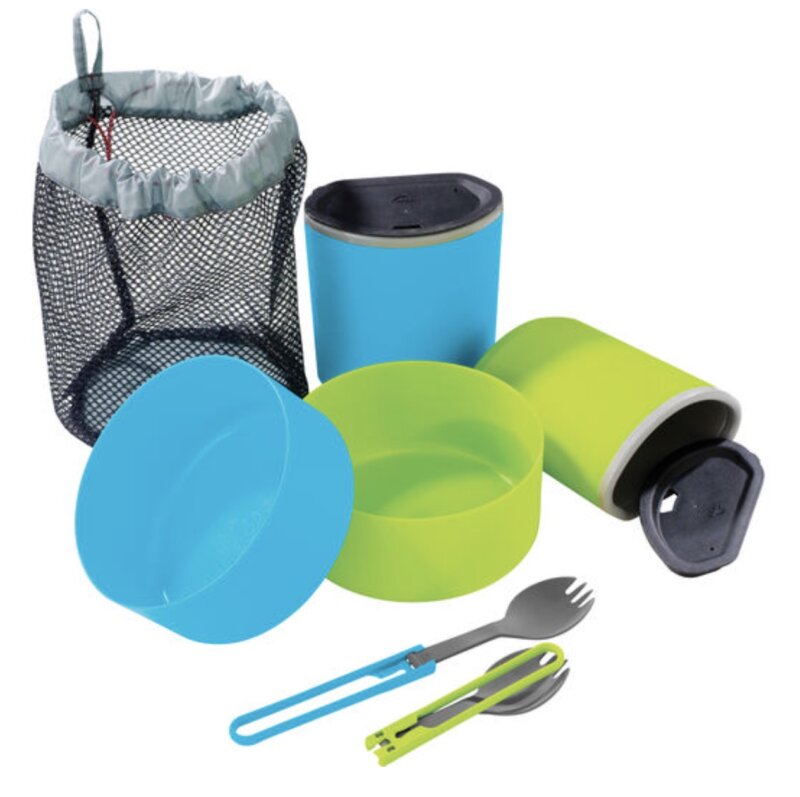
Plastic Bowl, Mug, and SpoonA lightweight and compact cookware setup. You’ll want a plastic bowl, mug and spoon.
Recommended Kit: MSR 2-Person Mess Kit
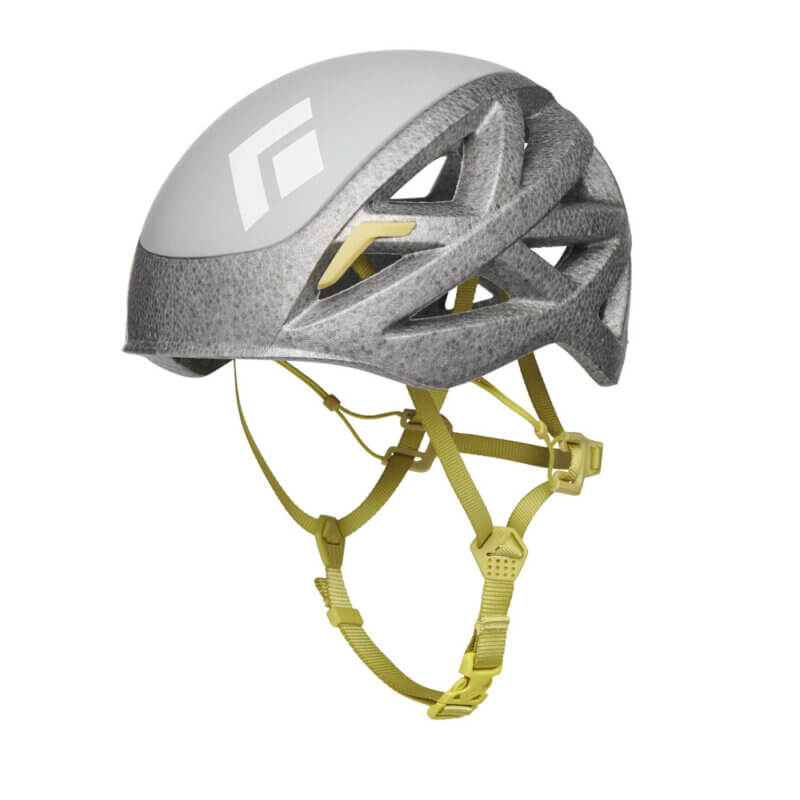
Helmet*An easily adjustable lightweight helmet that fits with hat and Balaclava. Make sure this is a climbing-specific helmet.
Recommended: Black Diamond Vapor Helmet
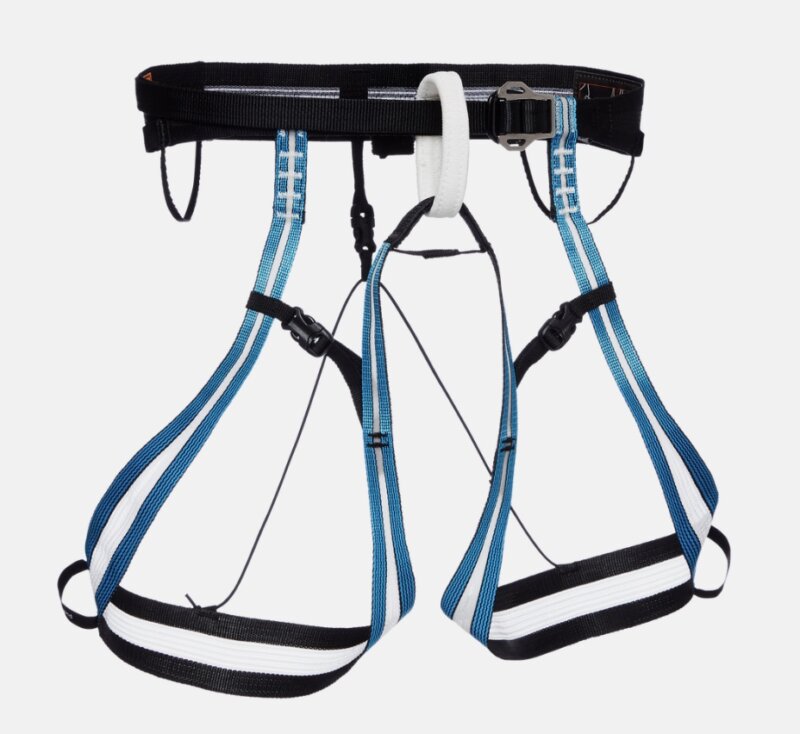
Mountaineering Harness*Must have belay loop, gear loops and adjustable leg loops so that you can layer up underneath it. Easy to pack, lightweight + comfortable.
Recommended: Black Diamond Couloir Harness
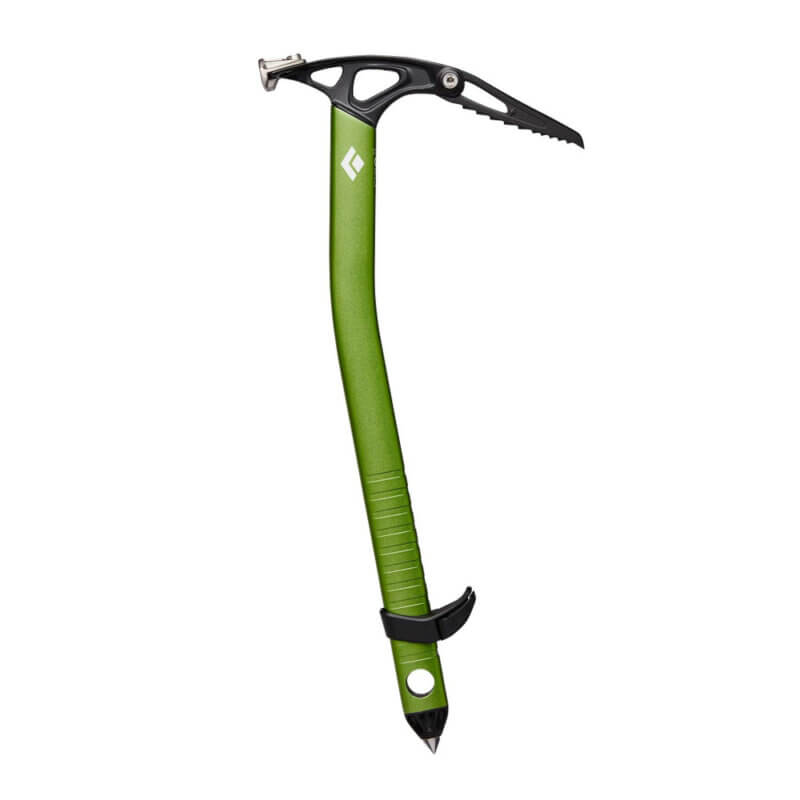
Mountaineering Ice Axe*General purpose, ultra-light climbing ice axe. Keep it short & light! Nothing over 60cm.
Recommended: Black Diamond Venom Classic LT Piolet
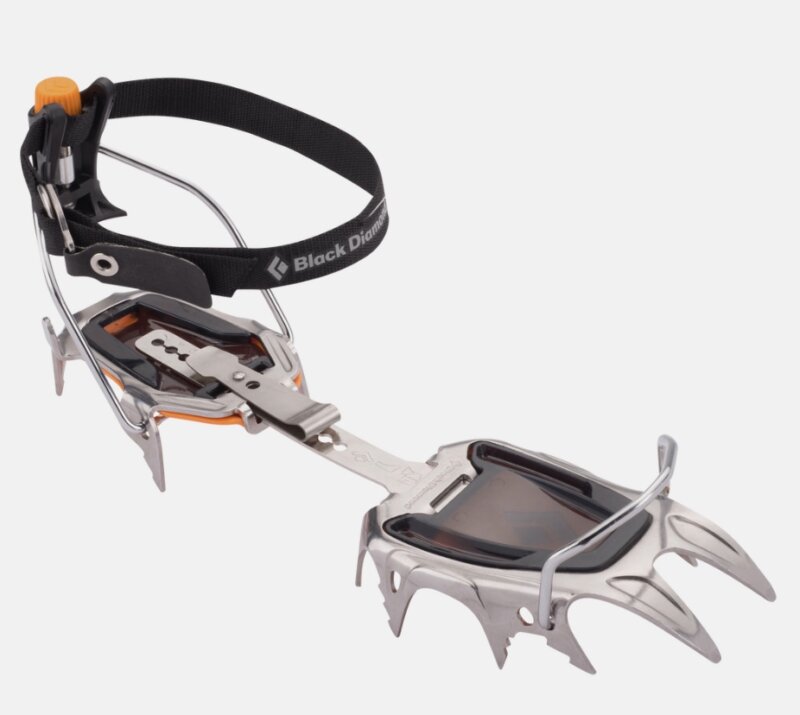
Mountaineering Crampons*Steel crampons with anti-balling plates are required (so that snow does not build-up in the base of your foot). Make sure that crampons have a heel bail and that they fit snugly on your ski or snowboard boots.
Recommended: Black Diamond Sabretooth Crampons
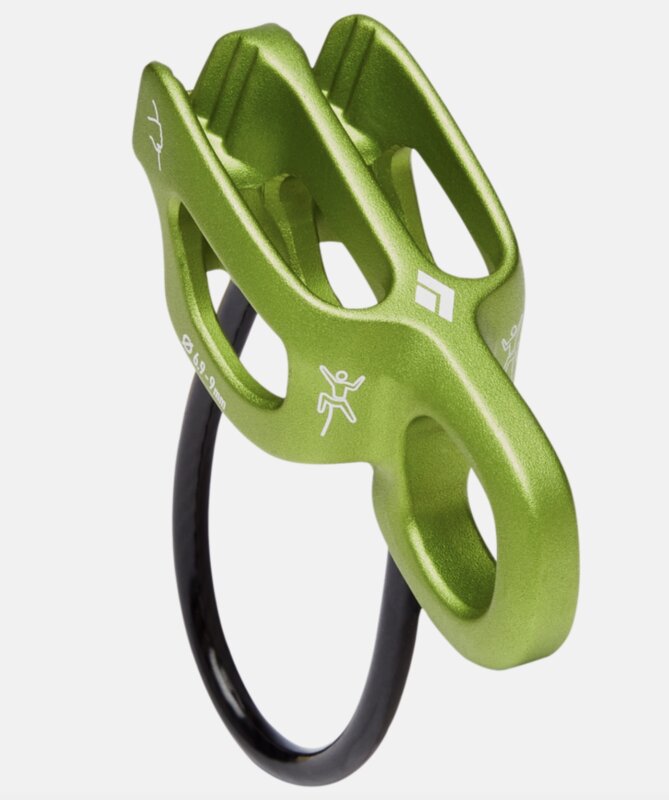
Belay DeviceLight, easy to use + simple. Should have teeth/grooves for skinny ropes.
Recommended: Black Diamond ATC Alpine Guide Belay Device
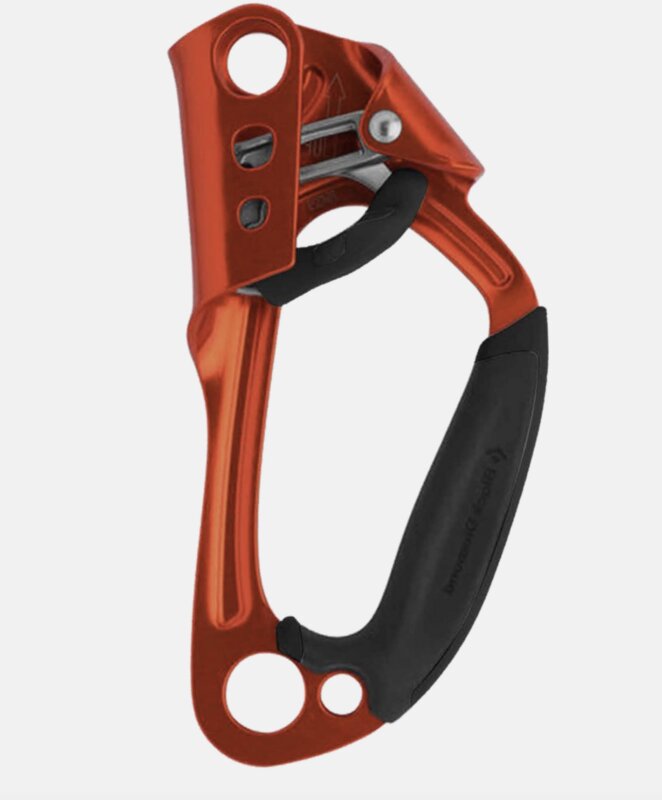
AscenderShould have a large opening for gloved hands, and an easy thumb trigger.
Recommended: Black Diamond Index Ascender
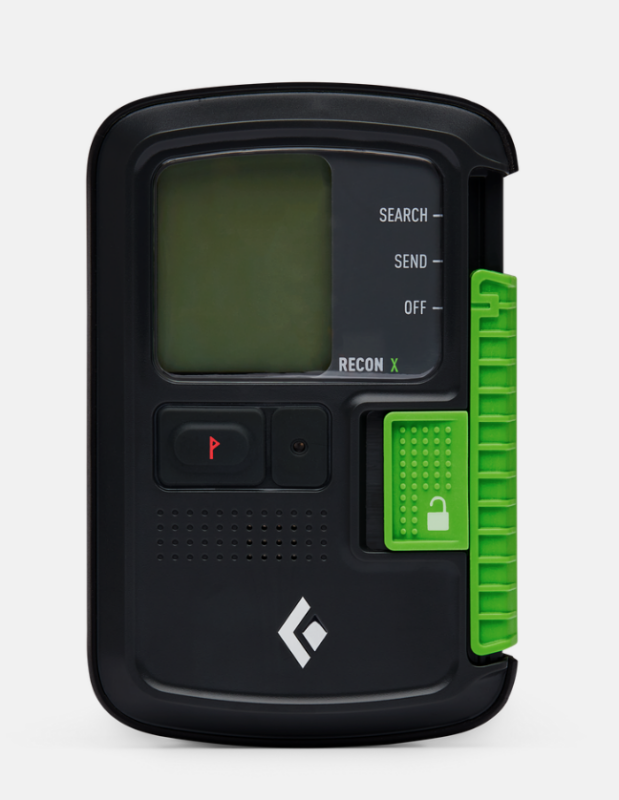
Avalanche Transceiver*A digital transceiver that is simple to use.
Recommended: Black Diamond Recon Avalanche X Beacon
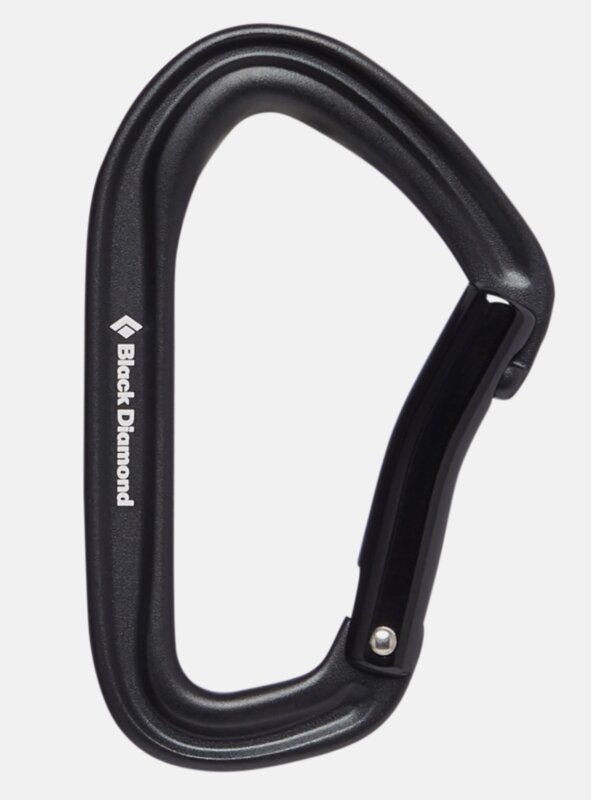
3x Non-locking carabinerSmall, lightweight small carabiners are best, wire-gates are fine.
Recommended: Black Diamond HotForge Carabiner
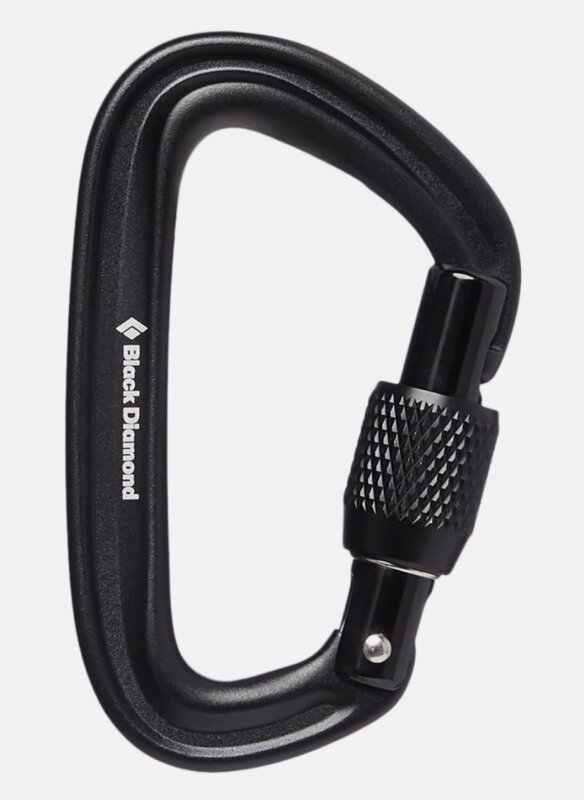
3x Locking CarabinersSmall, lightweight locking carabiners are best.
Recommended: Black Diamond LiteForge Screwgate
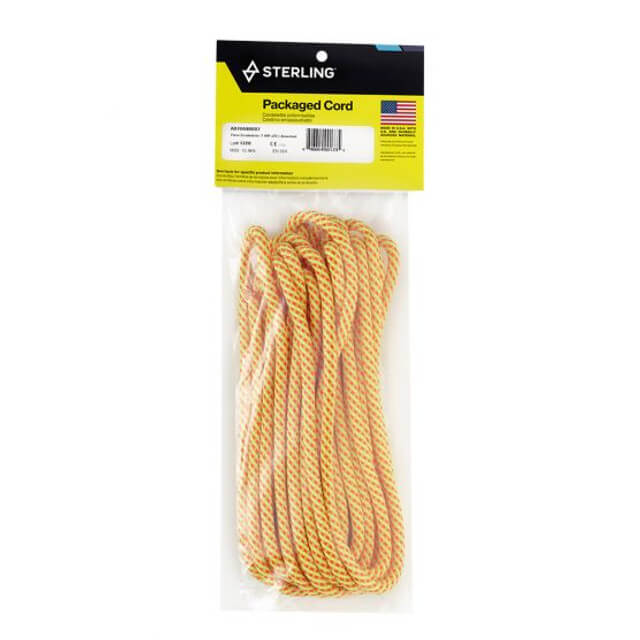
7mm Accessory Cord20′ of high quality 7mm, 100% nylon accessory cord.
Recommended: Sterling 7mm Accessory Cord
Miscellaneous Items for 8,000m peaks- Passport with Chinese Visa
- 2 luggage locks (TSA compliant)
- Non-cotton underwear
- Stuffsacks: assorted sizes, for organizing your clothes and gear
- Sunscreen: SPF 30 (or higher)
- Lip balm with SPF 15 (or higher)
- Personal first-aid kit (Band-aids, Ibuprofen, Cough Drops, Moleskin, Pepto-bismol, Imodium, Personal Medications, saline nasal spray)
- Toiletries
- Wag Bags 5x
- Lightweight camp towel. For showering in bc and abc, easy to dry
- Crocs or sandals. A pair of lightweight sandals to shower and/or rest your feet in BC and ABC
- Pillow. This can also be an stuff sack filled with clothes, but there are nice and lightweight options in the market to ensure good rest while in camps.
- 3-4lbs of Snack food: A variety of your preferred snack food – some whole food, bars, gels (climbing food will be provided in BC and ABC, but we always recommend for climbers to bring some of their favorite and familiar snacks to complement the selection we bring.)
- Hand Warmers
- Face Mask
- Hand Sanitizer
- Knife
- Headphones
- Powerbank (6-10K mAh good for 2-3 phone charges, weighing under 8oz)
- Base Camp Clothes: Life in Base Camp & Advanced Base Camp needs to be as comfortable as possible, so we recommend members bring a change or two of comfortable clothes that can help in leisurely days to feel comfortable and keep your climbing clothes clean. Our guides usually bring a set of comfy jeans, a cotton hoodie and T-shirt.
FAQ’s about Everest
Non-8,000m: A trip is confirmed 70 days before the start of an expedition. This doesn’t happen often, but if a trip is not meeting the enrollment minimums at the 70-day mark, Alpenglow will need to cancel the expedition or team members will need to pay a greenlight rate.
8,000m Peaks: A trip is confirmed 100 days before the start of an expedition. This doesn’t happen often, but if a trip is not meeting the enrollment minimums at the 100-day mark, Alpenglow will need to cancel the expedition or team members will need to pay a greenlight rate.
If Alpenglow cancels due to low enrollment, a full credit or refund can be issued.
The top of Mt. Everest is engulfed by the jet stream for a major part of the year, making climbing near impossible due to high winds and extreme sub zero temperatures. It is only when the winds die down in May, that we have a so-called ‘Summit Window’, when conditions are safe enough for climbers to try and reach the summit. The other reason that climbers make summit attempts primarily in May is to avoid the harsh winter snows and summer monsoon rains.
HE COST OF YOUR TRIP INCLUDES YOUR LAND COSTS (EXCLUDING IN-TOWN MEALS). THIS INCLUDES:
All lodging according to the itinerary, including single occupancy lodging while in Chengdu and Lhasa, and double occupancy in Shigatse and TingriSingle occupancy in base camp and advanced base camp, double occupancy above ABC
Breakfasts in town, all meals while on the mountain
Group camping and climbing equipment
All park/climbing permits
Scheduled in-country transportation
Airport transfers
Certified guides
Covid testing arrangements for re-entry into home country (does not include cost of test)THE COST OF YOUR TRIP DOES NOT INCLUDE:
Flights to/from the city where the expedition begins.
Additional nights in hotel outside of the itinerary
Airport taxes
Visas
In-town dinners
Immunizations
Tips for guides or local staff
Travel, rescue, or any other type of insurance
Hospitalization or evacuation costs
Single supplement charges
Excess baggage charges
Alcohol
Other personal expenses
Antigen/PCR Covid test cost
The costs of delays or changes to itinerary that are beyond the control of Alpenglow Expeditions or its agents are not included.Traditionally, you would need up to three months to make the journey. It takes 19 days round trip to trek to and from Everest Base Camp. Once at Everest Base Camp it then takes an average of 40 days to climb to the peak of Mt. Everest. However, with Alpenglow’s Rapid Ascent protocol, we are able to complete an Everest expedition in just 36 days!
Mount Everest is located in the Mahalangur mountain range and is situated on the border of both China and Nepal.
Mount Everest is on the border of both China and Nepal. We climb Everest via Tibet (China) on the North side to avoid political instability, crowds on the South side, and the Khumbu icefall.
9 bottles of oxygen per climber. This allows us to use high-flow oxygen sleeping at Camps 2, 3 and 4, and to climb on a higher flow than other expeditions (2L from North Col-C2, and 4L from C2-C3, C3-C4, and C4-Summit-North Col), maximizing safety and success. Our Sherpa also climb and sleep on oxygen, which means they have more strength to focus on you and your ascent.
3:2 Sherpa to climber ratio. Having 3 Sherpa per 2 climbers ensures we have the strength necessary to carry loads, set camps, and assist climbers. All of our Sherpa on Everest have worked with us on many expeditions.
1:4 maximum guide to climber ratio. All guides are IFMGA qualified or aspirants working towards finishing their certification. This is the lowest member to guide ratio in the Himalaya.
Climbing Everest is a lifelong goal for many people. Often, an ascent of this peak is the crowning achievement of a climber’s high altitude career. Alpenglow Expeditions has very strict requirements to become a team member on one of our Everest expeditions, and it takes time to gain the necessary skills and experience. This is a multi year project for many people, starting with basic climbing instruction at one of our multi day climbing schools. Afterwards, larger and more complex mountains are attempted, culminating in an expedition to an 8000m peak, which is usually Cho Oyu. After all of this, a climber is now ready to be a team member on an attempt to climb Mt. Everest.
In order to join our Everest expedition, climbers must have experience on an 8000 meter peak. Many climbers gain this experience by joining our expedition to Cho Oyu or Gasherbrum II. Climbers must have solid ice and snow climbing experience, including the use of ice axe, crampons and fixed rope systems.
For 2015 and beyond, we have moved our operations to the North Side of Everest. With increasing stability in Tibet being contrasted by increasing instability in Nepal, the significantly safer and less crowded route from the North Side is an obvious choice for our teams. Our team’s strengths cater well to the increased remoteness of the North Side. Our Sherpa, guides, and support staff are unanimous that responsible climbing teams must avoid the increasingly unpredictable icefall and politics found on Everest’s South Side. Many members of our team (including Sherpa, cooks, doctor, and guides) have worked extensively on the North Side and make our team one of the most experienced to offer climbs from Tibet.
We always consider customs. Custom trips make up more than 50% of our groups. Please reach out to learn more!
On the Lightning Ascent, we’ll start using oxygen when we leave base camp. This will ensure that we’re strong enough to make the summit push without completing a rotation.
Imported and local foods of the highest quality, combined with a Western-trained cook staff. Alpenglow has the best food on the mountain, ensuring your strength and health throughout the expedition.
Climbers must be in excellent physical shape to join this expedition. This is perhaps the most important aspect of high-altitude climbing, and cannot be stressed enough. Regular, challenging exercise for many months in advance of departure is the only way to gain the necessary level of fitness that is needed on big peaks. We highly recommend a structured training regime with a gym or personal trainer to assist you in preparing for climbing at altitude. Please contact us for more information on physical training.
We use a Swiss weather forecasting company. Having a quality forecast for our 8,000m peaks maximizes both our safety and our summit success.
Expedition doctor, Monica Piris, has been on fourteen 8,000-meter peak expeditions. While Dr. Piris does not travel with our team on all expeditions, she is in 24 communication with our expedition leaders. Dr. Piris also works with each member on his or her pre-acclimatization program.
Yes. Please reach out to our team with the details of your dietary restrictions and we’ll set you up for success.
We require Rescue Insurance on all of our international expeditions. Rescue insurance will help cover costs in the event that you need to be rescued off the mountain (Ex: Helicopter/medical evacuation). Travel Insurance (which we strongly recommend) can cover issues that would cause you to cancel your trip in advance, like illness. We do recommend Global Rescue who does offer a Comprehensive Travel Protection option to your required Rescue (Evacuation) Insurance.
Aside from the technical gear that we are often able to provide on Introductory Courses (harness, helmet, ice ax, crampons), we strongly recommend bringing everything on the Equipment List. These kits have been dialed and tested by our guides for over 20 years; while you may not end up using everything you bring, weather variability in the mountains demands that we’re ready to dress for any and all conditions!
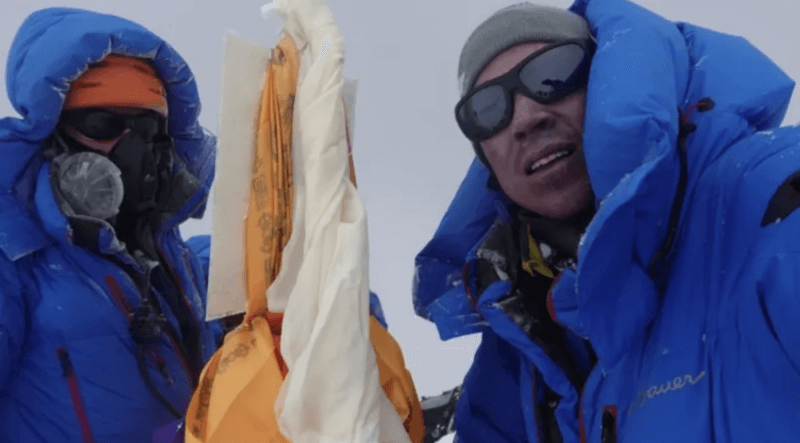
The feeling of standing on the summit of Everest/Chomolungma is almost indescribable
“The feeling of standing on the summit of Everest/Chomolungma is almost indescribable. What I can say is that the entire experience of climbing the mountain with Alpenglow Expeditions was a true pleasure. I felt taken care of and safe. There’s no better feeling than climbing a mountain, especially the world’s highest, and feeling safe doing it.”
Rob Lea
- 28.099722°N , 86.66°E Learn More

- 27.7172° N, 85.3240° E Learn More

- Learn More

- 32.653179° S, 70.010868° W Learn More