Skiing Georgia’s Svaneti Region: Notes from the Caucasus
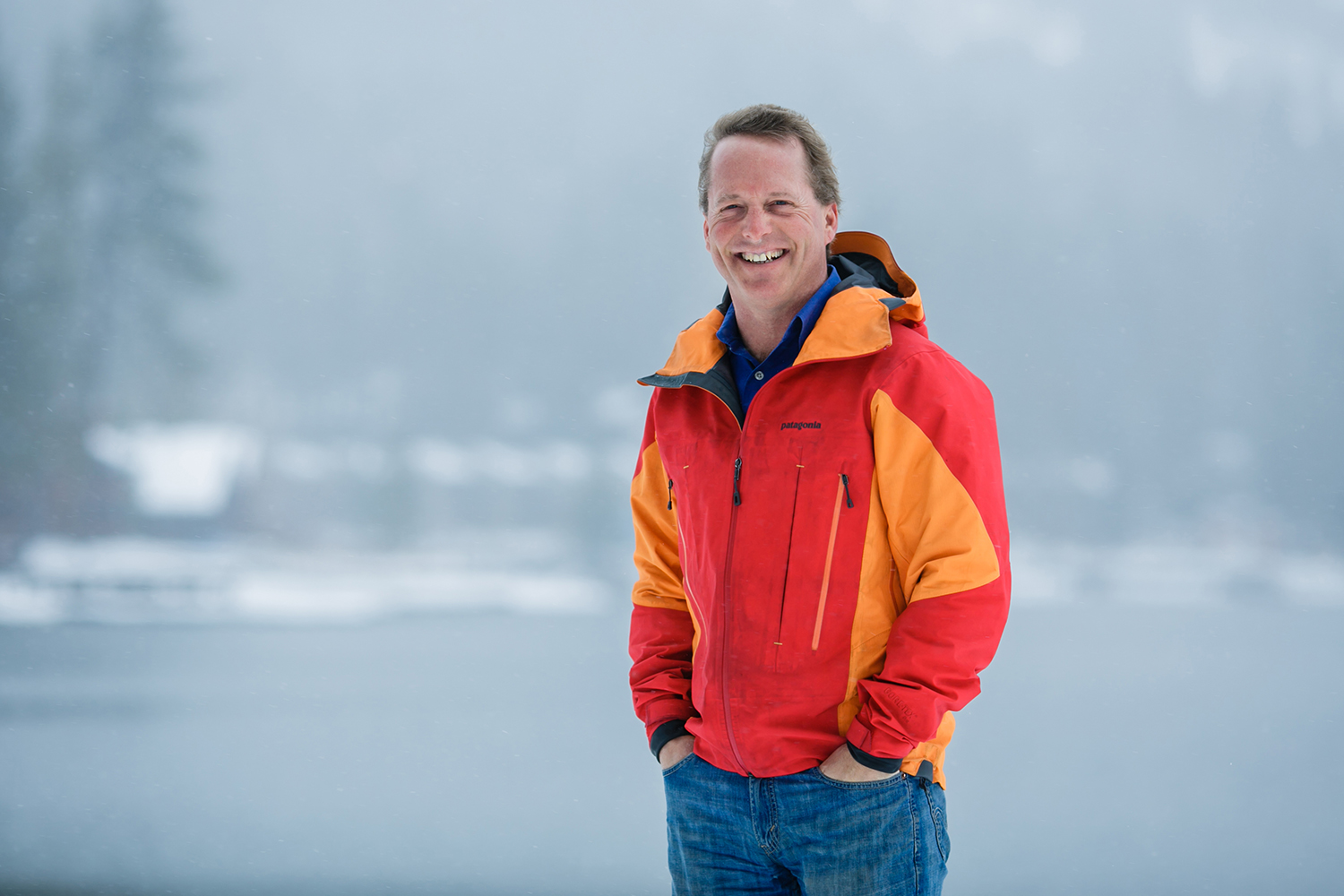
We sat down with IFMGA-certified guide Tim Dobbins to get his take on the Georgia Ski Expedition. Tim has skied mountain ranges around the world, from the Alps and the Andes to well beyond. What stood out to him most about Svaneti was how distinct it is from anything else he’s experienced. The Svan people have their own language, their own alphabet, and roots that trace back to the Bronze Age. Here’s what he had to say.
The Svan People and Their Villages
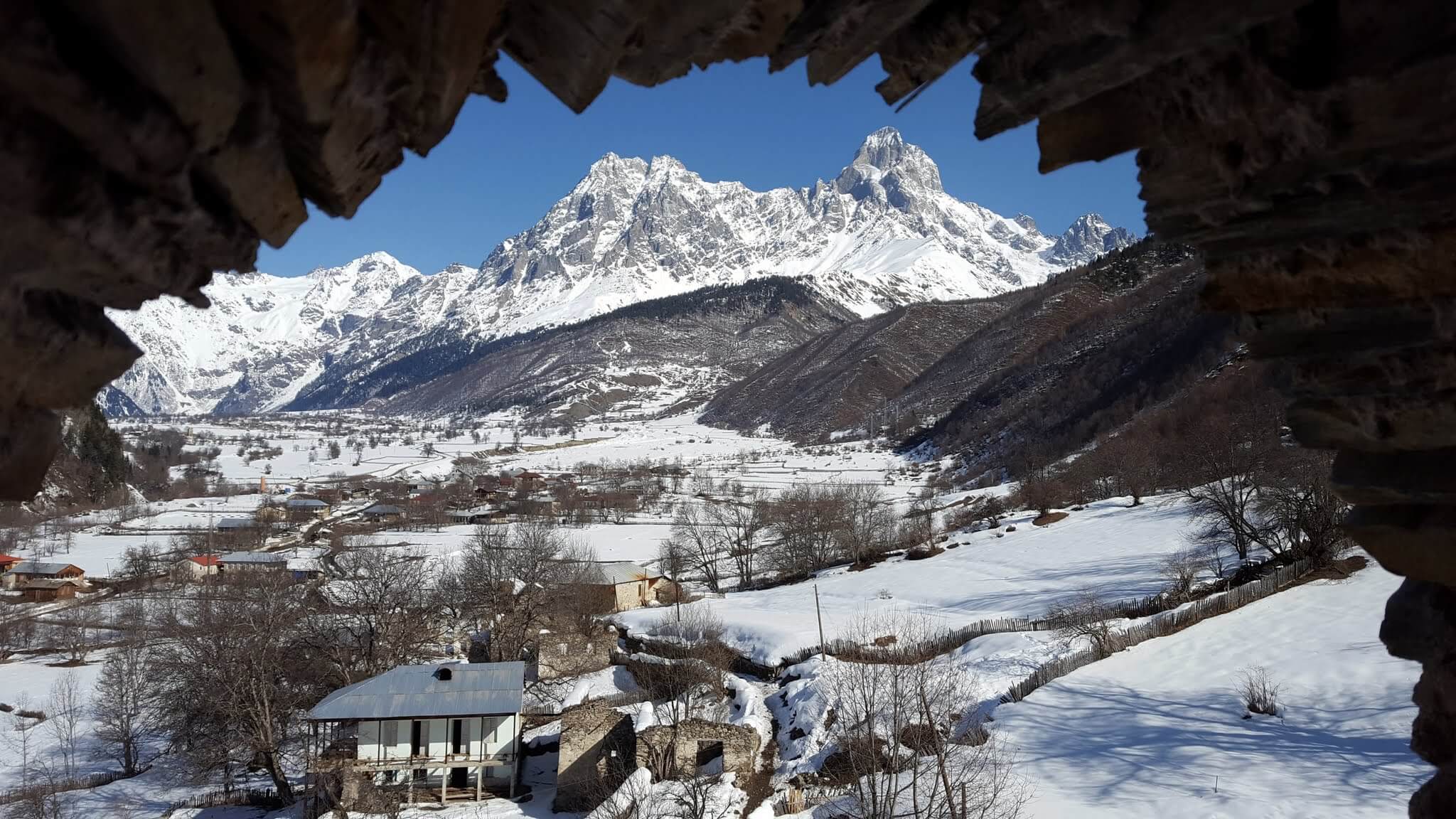
The Svaneti region takes its name from the Svan people, the indigenous mountain community who have inhabited this valley for thousands of years. Every village has a cluster of defensive towers, stone structures built between the 9th and 12th centuries from local materials, and most of them are still in use.
We spent a day off on a tower tour in the Betjo Valley, where a local family had restored their tower and opened it to visitors. They walked us through the ground floor, which still held cattle feed and grain storage, and up through the levels where the family had lived for generations. The hand-carved woodwork throughout had never been replaced. I asked our host when it had been made. He said 10th century, and the family was still using it. It is living history in a way I haven’t encountered many other places.
The Terrain
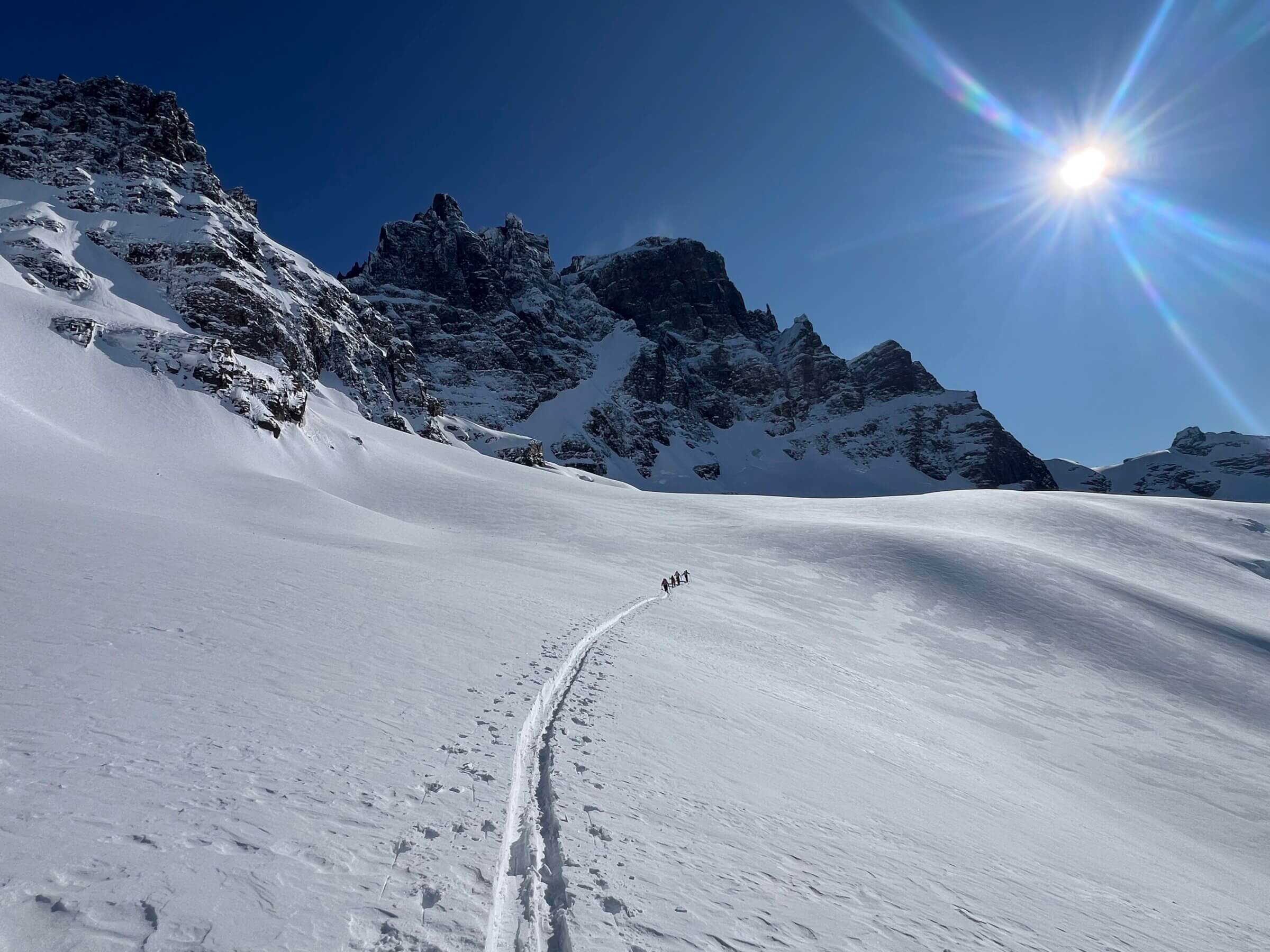
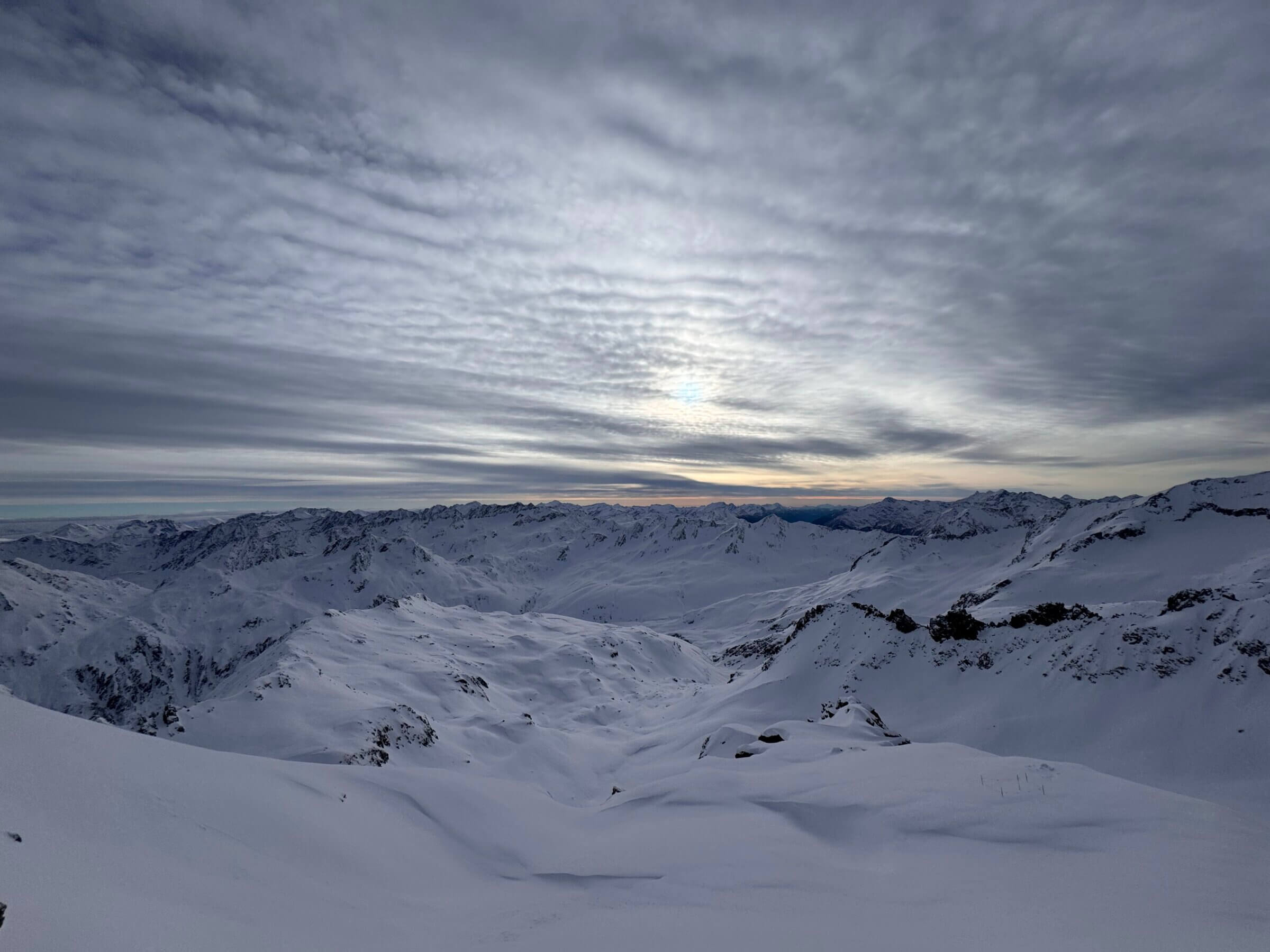
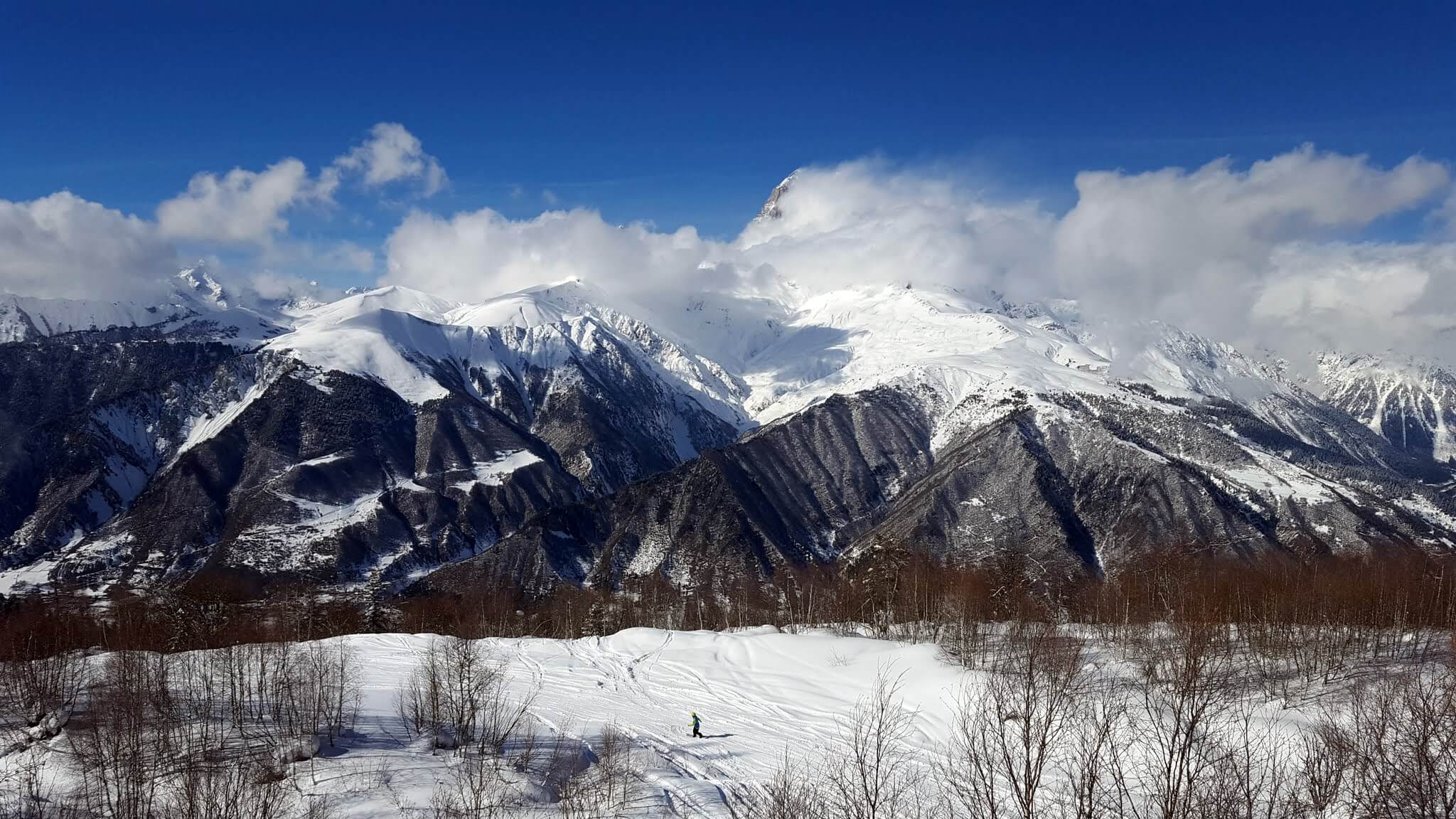
The Svaneti valley floor sits around 5,000 feet, with peaks pushing to 15,000 feet. That vertical relief, combined with the variety of aspects and a snowpack fed by moisture from the Black Sea, gives our guides a lot to work with regardless of conditions on any given day.
Tetnuldi is the main ski area, built just a few years ago with support from European development programs aimed at strengthening rural economies in the region. It hosted the Freeride World Tour in 2023. Side country off the top lift puts you beneath a 15,938-foot summit with almost no one on it. Hatsvali is a smaller ski hill right above the town of Mestia, and it holds snow well on variable days, with tree skiing that gives us a storm option when conditions above treeline aren’t cooperating. For ski touring, the options are extensive. In eleven days, we covered a fraction of what’s available.
The range of what’s possible on this terrain in a good snow year is something we’re still learning.
The Hospitality
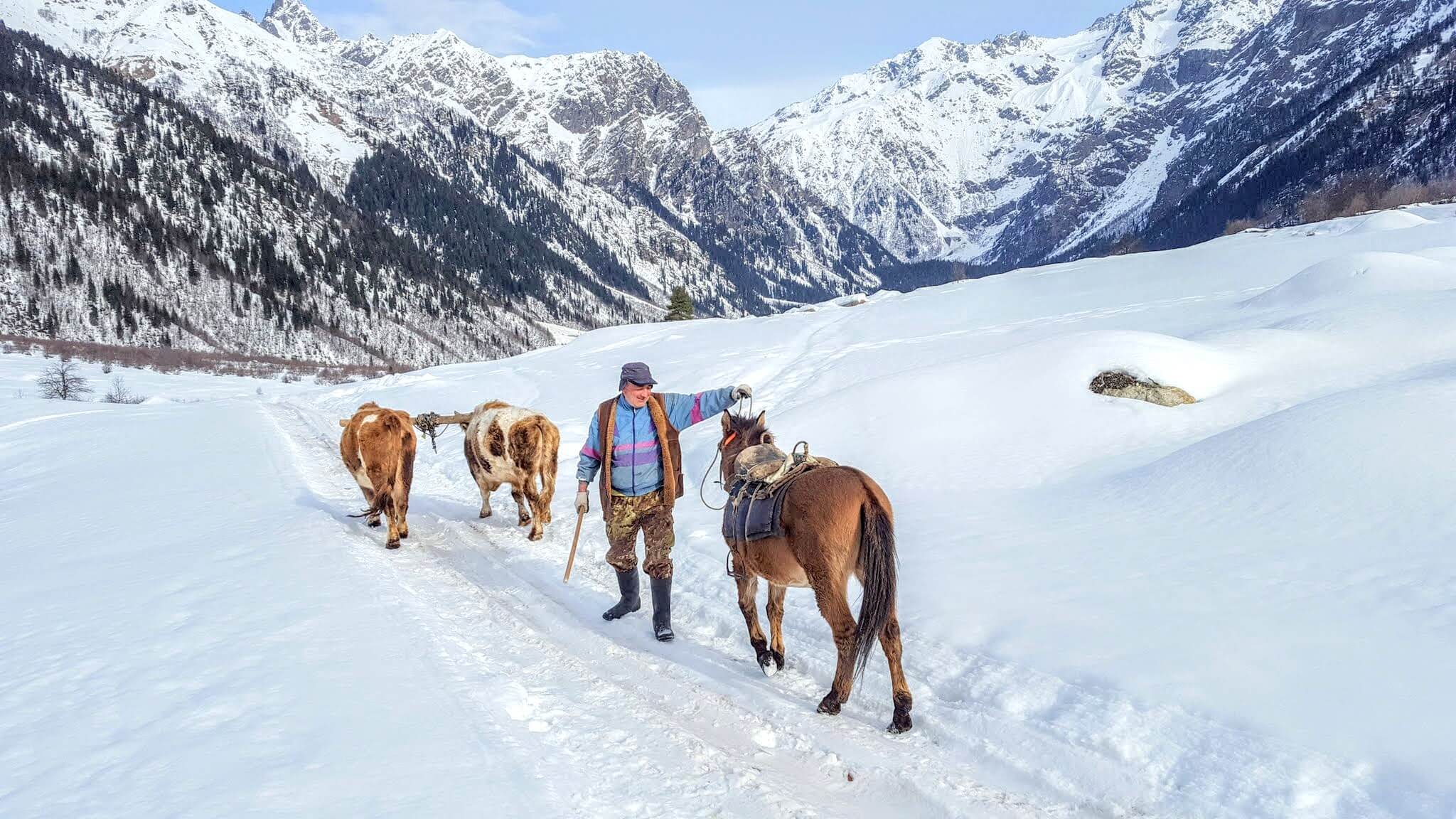
We stayed in a guesthouse in the valley, which in Svaneti means staying in someone’s home. Our hosts served breakfast, lunch, and dinner every day, packed lunches for us each morning, and drove us to whatever trailhead we wanted to ski from. Our host would wait all day. When we went to Tetnuldi, he had never been, so he spent the day touring the ski area himself while we were out. At the mid-station, a group of men, including our host, broke into traditional Svan polyphonic singing. It was completely unplanned and one of the better moments of the trip.
The Georgians are proud of their country, their language, and their heritage, and the Svan people are no exception. Everyone we met was genuinely glad we were there.
The Food and the Wine
Every morning started with khachapuri, fresh bread, local cheese, and strong coffee. Georgia is widely regarded as the birthplace of winemaking, with a tradition going back 8,000 years, and the local bottles are worth exploring. The old town in Tbilisi, where the trip begins, rewards a full day of walking and the restaurants are excellent. The overall cost of food, lodging, and transport in Georgia is significantly lower than in comparable ski destinations in Europe.
Ushguli
I haven’t made it to Ushguli yet, but it is high on my list. It is a UNESCO World Heritage Site and one of the highest continuously inhabited settlements in Europe, with ski touring right out of the village and peaks that, by all accounts, are among the most striking in the range. It is on the Georgia itinerary for good reason.
Why I’d Go Back
The eleven-day format we run is the right length. It gives you enough time to ski the main objectives, visit Ushguli, and settle into the rhythm of the valley. It is a little like what I imagine the Alps were a hundred years ago. The infrastructure is new, the crowds are not there yet, and the mountain culture underneath it all is very much intact.
Tim Dobbins is an IFMGA-certified guide and one of the lead guides on Alpenglow’s Georgia Ski Expedition.
Read more from our ski trips
“The Best Snow in the World”: Ski Japan with Isaac Laredo
“There’s a common myth that Utah boasts the best snow in the world. I don’t think those people have been to Japan.” Alpenglow’s AMGA-certified Ski Guide Isaac Laredo thinks that Japan might just offer the best comprehensive skiing experience in the world. So, we connected with him to chat about his time spent in Hokkaido, home to Alpenglow’s newest expedition, the Japan Backcountry Ski.Read the story
Are You Ready for an International Ski Expedition?
Most backcountry skiers reach a point where the local terrain starts to feel familiar in a way that’s hard to describe. The challenge is still there, but something has shifted. The mountain has become known. That feeling is worth paying attention to, because it usually means something: you’re ready to go somewhere else.Read the story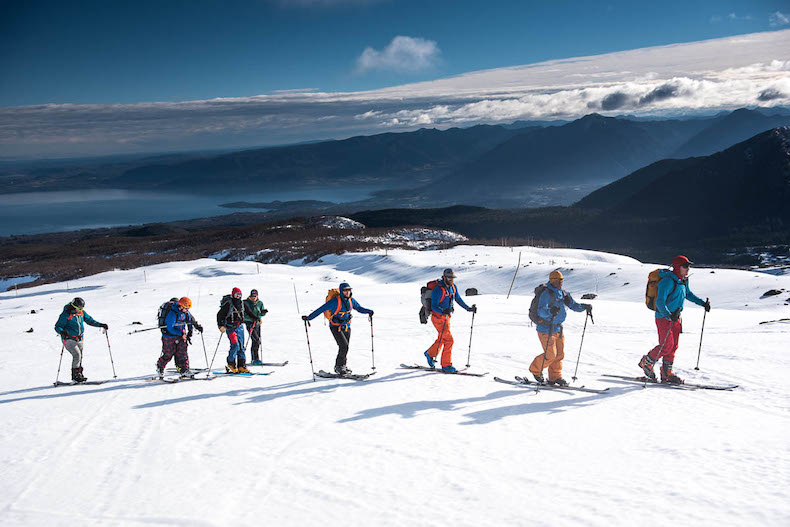
Chile Volcanoes vs. Patagonia: Which Ski Expedition is Right for You?
If you’re looking for a ski adventure that goes beyond resort boundaries, South America delivers in a big way. Alpenglow Expeditions offers two unique trips—Volcanoes of Chile and Patagonia Backcountry Ski Expedition—both packed with huge terrain, world-class ski mountaineering, and cultural experiences that make the journey as memorable as the skiing itself. But which one is right for you? Let’s break it down.Read the story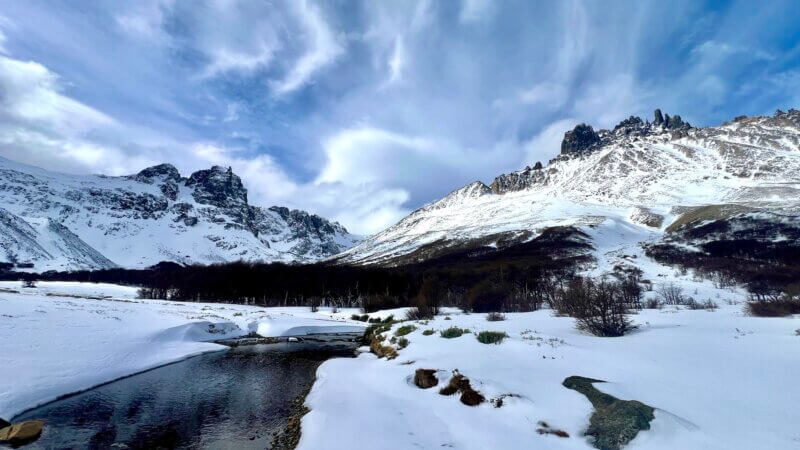
Skiing Patagonia: Steep Lines, Wild Terrain, and a Unique, Remote Basecamp
Our Patagonia Backcountry Ski Expedition isn’t just about skiing big lines—it’s about getting far off the grid and into one of the most remote and dramatic mountain zones in South America. For eight days, we operate out of the small village of Cerro Castillo, Chile, surrounded by glaciated peaks, steep couloirs, and untouched terrain.Read the story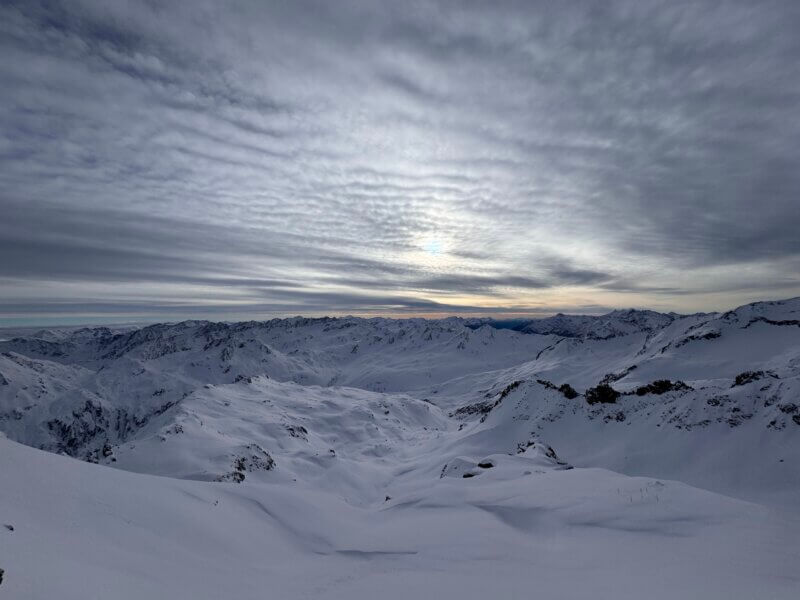
Why Guided Skiing in Switzerland Elevates Your Experience
Skiing in Switzerland is legendary, but to truly unlock the best terrain, maximize safety, and get the most out of every run, skiing with an expert guide makes all the difference. Whether you’re chasing powder, exploring complex backcountry routes, or simply looking for the best experience possible, having one of Alpenglow Expeditions’ IFMGA-certified pros takes your trip to the next level.Read the story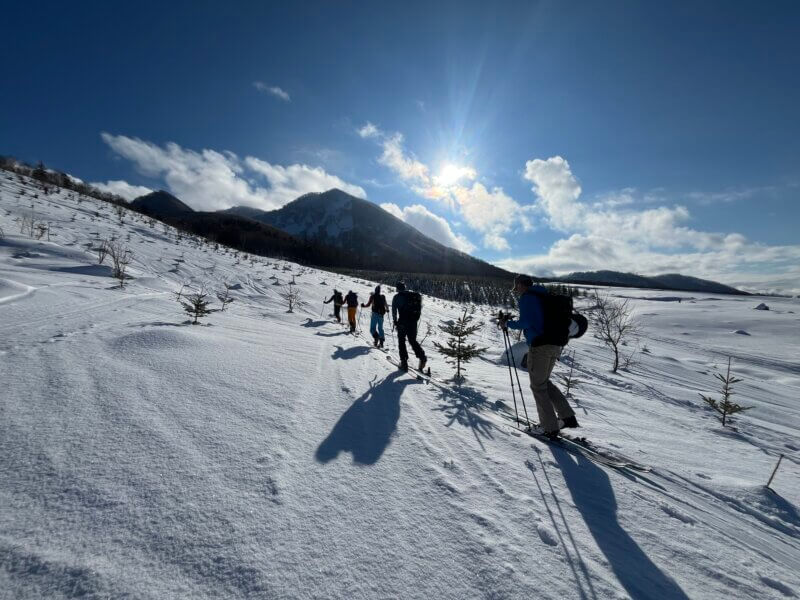
Alpenglow Introduces Type 1 Fun to the Menu with the Japan Backcountry Ski
we’ve decided to take a refreshing step into Type 1 fun with our Japan Backcountry Ski Expedition. Unlike the intense experiences of high-mountain summits and technical climbs, this trip offers pure enjoyment in one of the world’s most picturesque winter wonderlands: the deep powder of Hokkaido, Japan.Read the story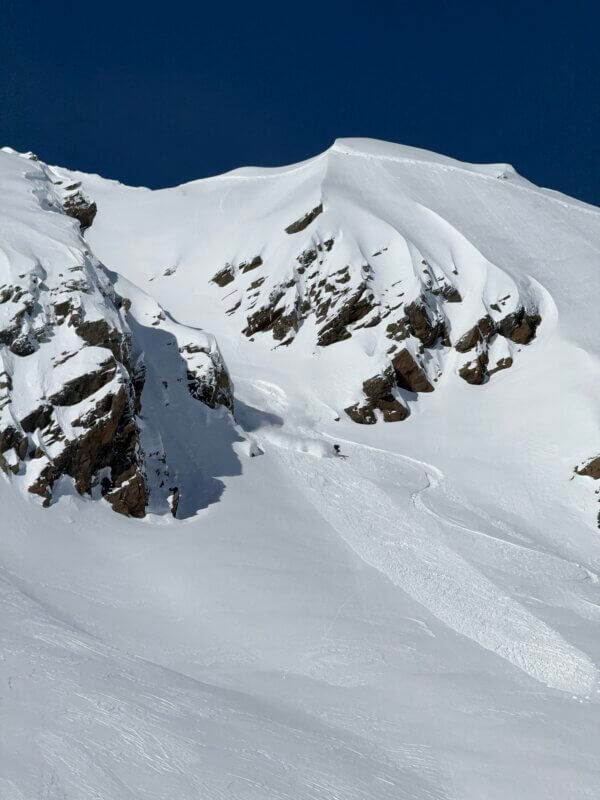
Beyond the Lines: Skiing Andermatt with Adrian Ballinger and Emily Harrington
Join professional athletes Adrian Ballinger and Emily Harrington for an unforgettable Andermatt ski trip. Experience world-class terrain, Swiss culture, and personalized guiding in one of Europe’s best alpine destinations.Read the story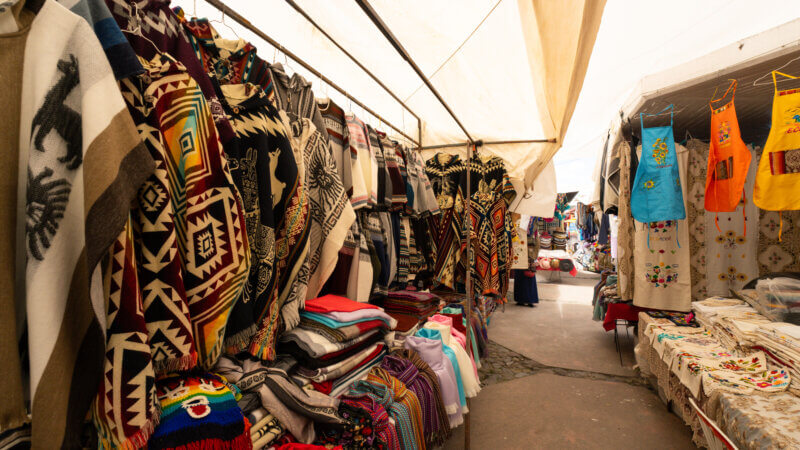
Beyond the Summits: Immersive Andean Culture on the Ecuador Climbing School
Climbing Ecuador’s towering volcanoes isn’t just about the summits. The Ecuador Climbing School offers an immersive experience that goes beyond the physical challenge of ascending peaks like Cayambe, Cotopaxi, and Chimborazo. From visiting vibrant indigenous markets to tasting traditional highland cuisine, the expedition introduces climbers to the rich culture of the Andean highlands.Read the story