Alpamayo: Route, Acclimatization, and What to Expect at 5,947m
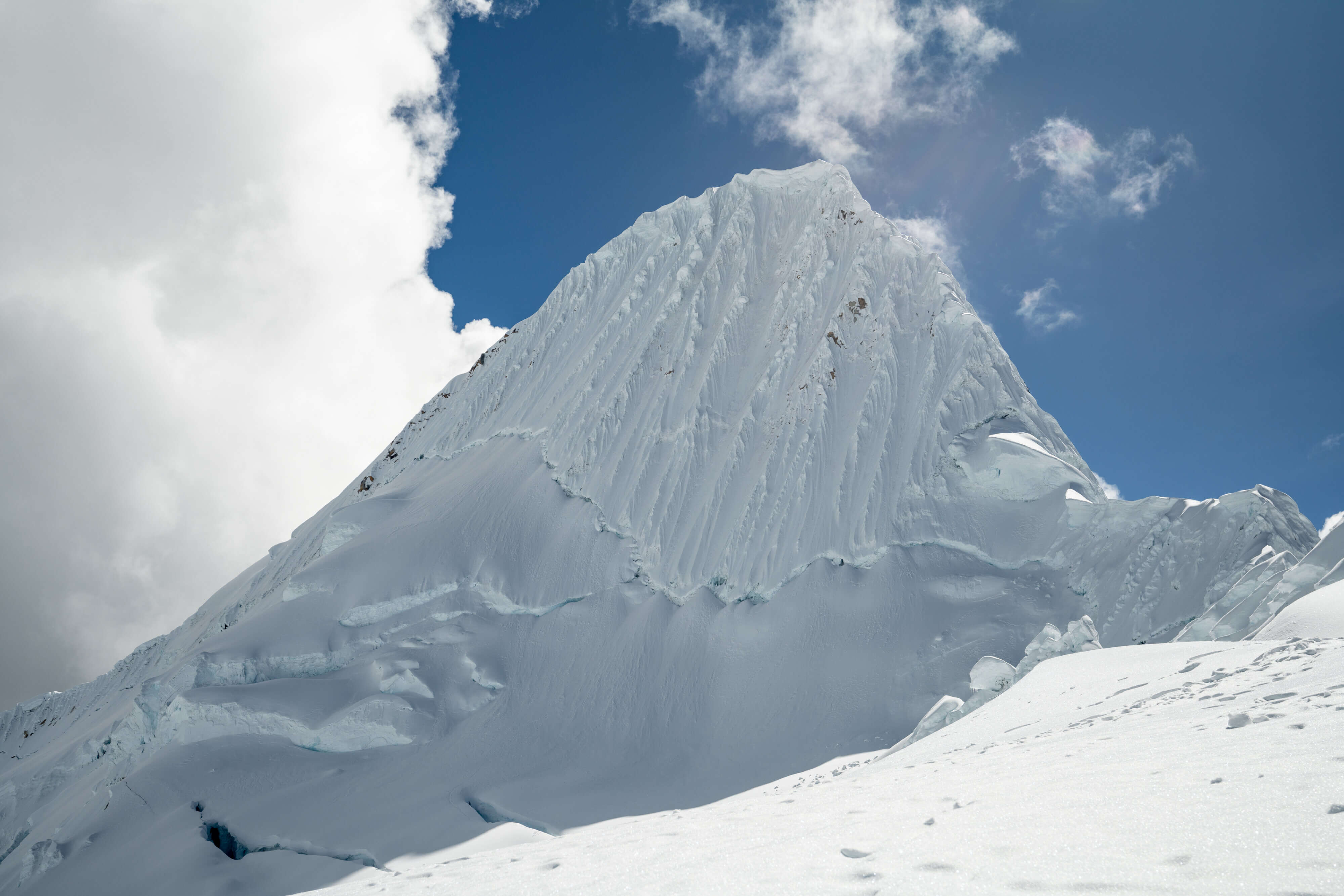
Alpamayo has been called the most beautiful mountain in the world more than once, and not by casual observers. In 1966, an international panel of climbers and photographers named its southwest pillar the most beautiful mountain on earth. That reputation has stuck for decades.
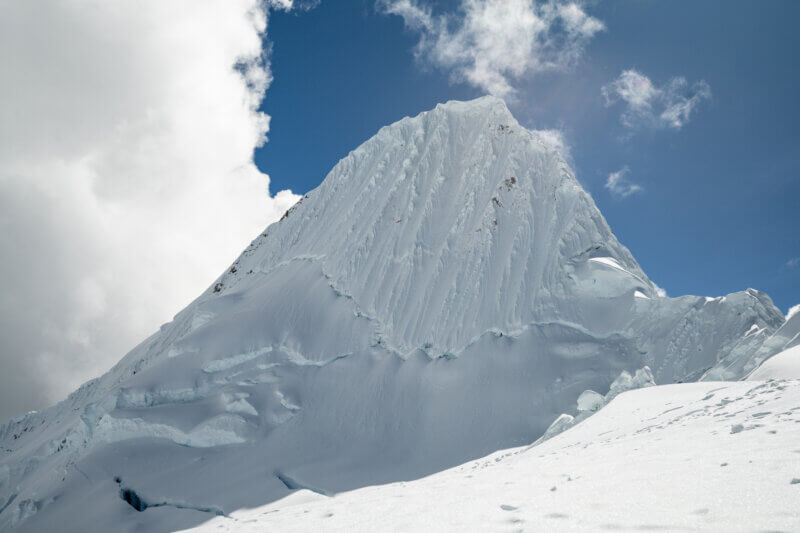
Whether or not you care about rankings, the mountain earns the attention. Standing at the base of the southwest pillar and looking up at those perfectly formed ice flutes disappearing into the sky is hard to describe. It’s one of those things you understand immediately when you see it.
What does translate clearly is this: Alpamayo is a technical climb, and showing up prepared makes a big difference in how the experience goes. Here’s what to know before committing.
The Approach and the Cordillera Blanca Context
The Cordillera Blanca sits in the Ancash region of Peru, with Huaraz as the hub at about 3,050 meters. Most expeditions start here. It works well for that role, with gear shops, pharmacies, and easy access to acclimatization hikes up to 4,000 meters. There’s a long history of guiding in the region, and the infrastructure reflects that.
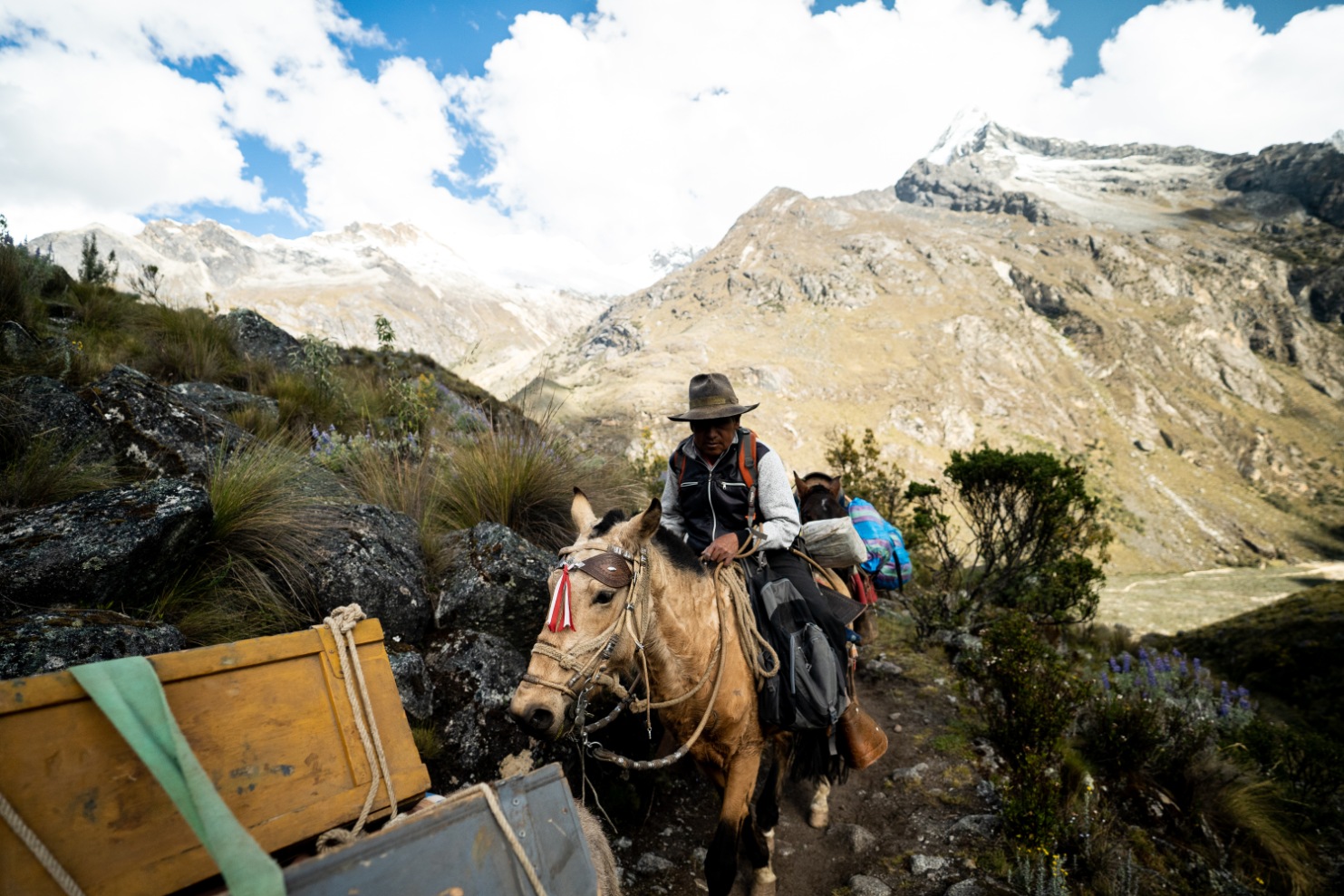
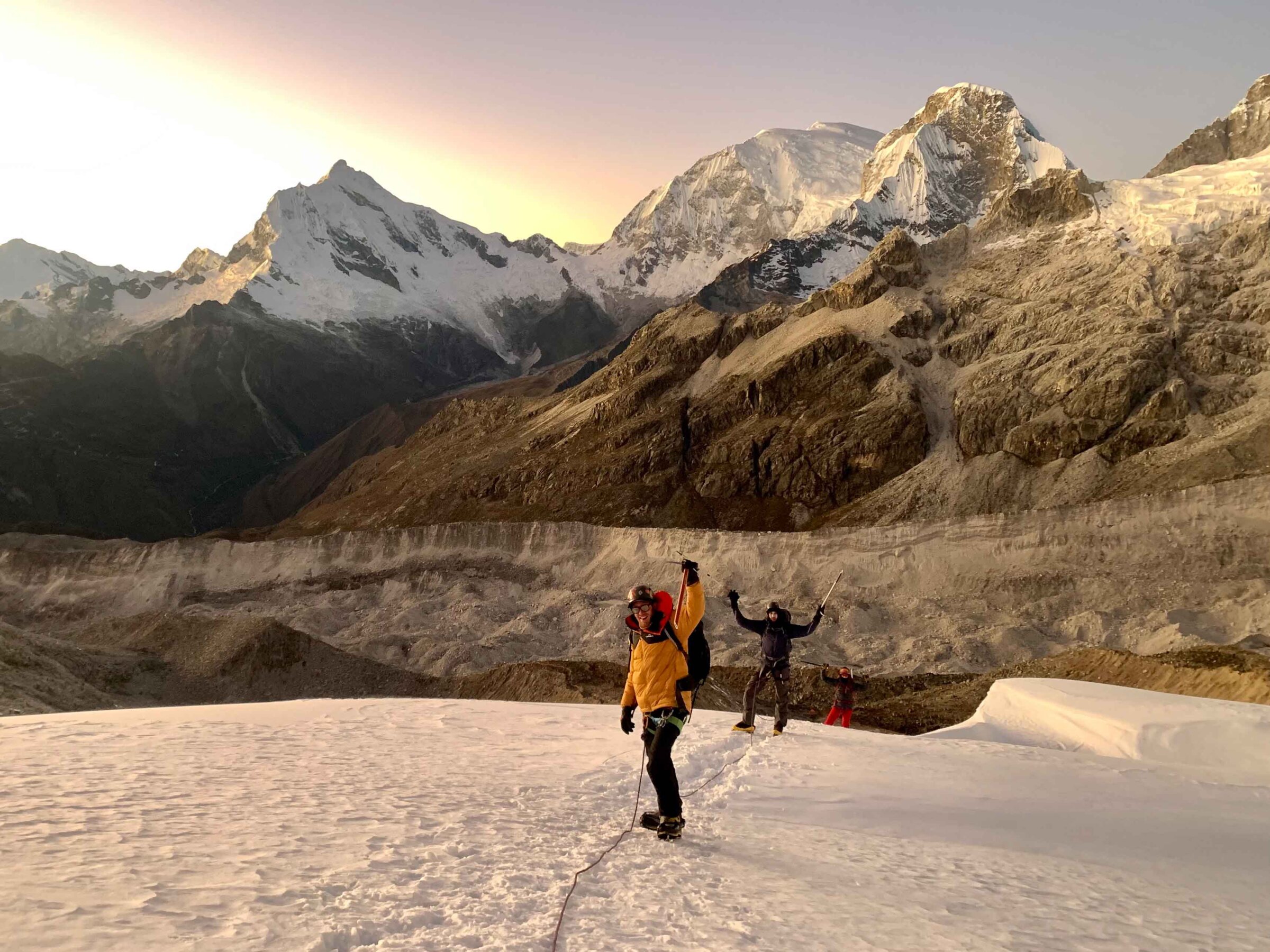
From Huaraz, the approach to Alpamayo follows the Santa Cruz Valley. It’s one of the most scenic approaches in the Andes and shares much of the route with the classic Santa Cruz Trek. Over several days, you move through glaciated terrain, cross high passes, and eventually reach base camp near Artesoncocha at around 4,300 meters.
That approach is part of the process. You’re gradually gaining altitude the entire time, which sets you up well before you ever step into crampons.
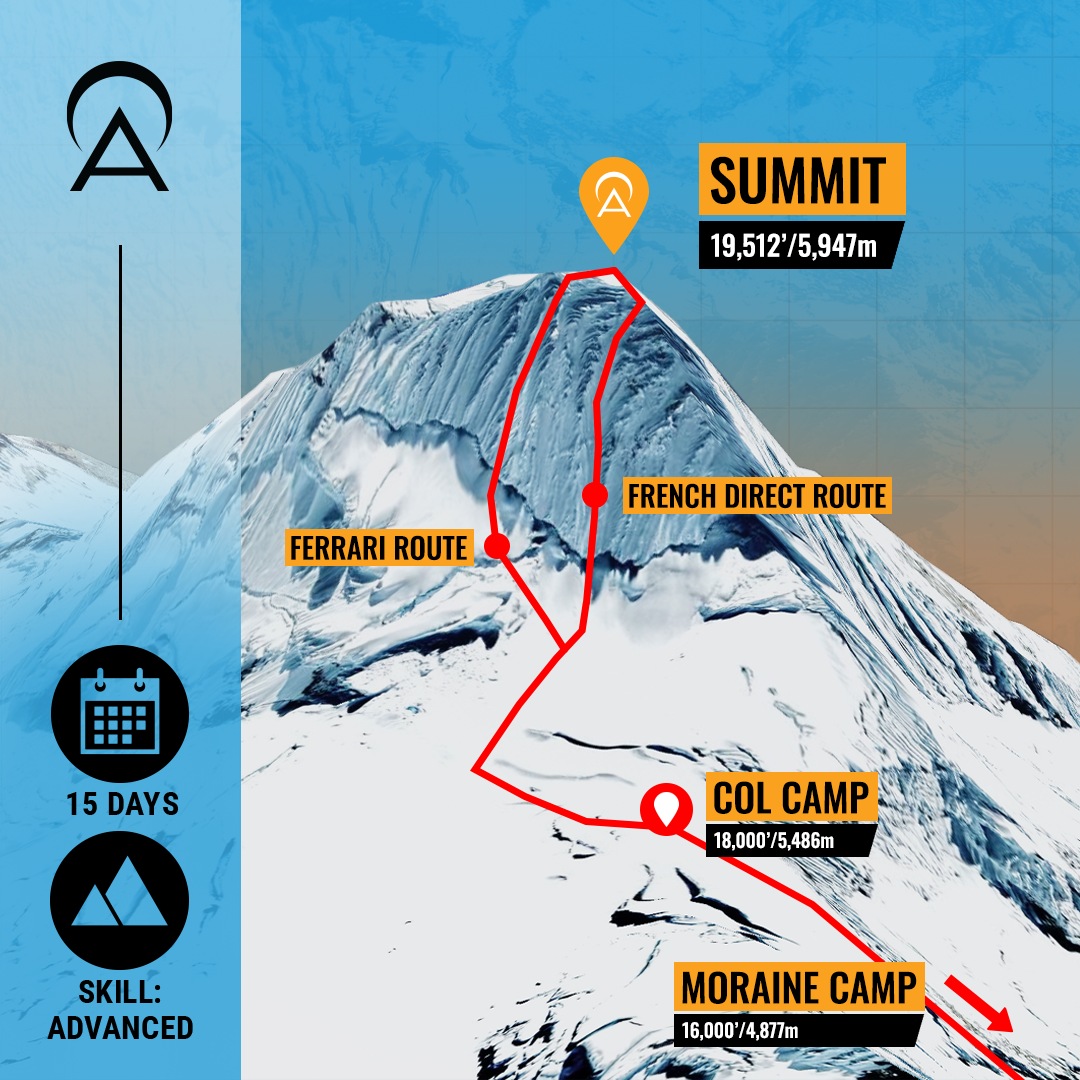
Route Options: The French Direct or the Ferrari
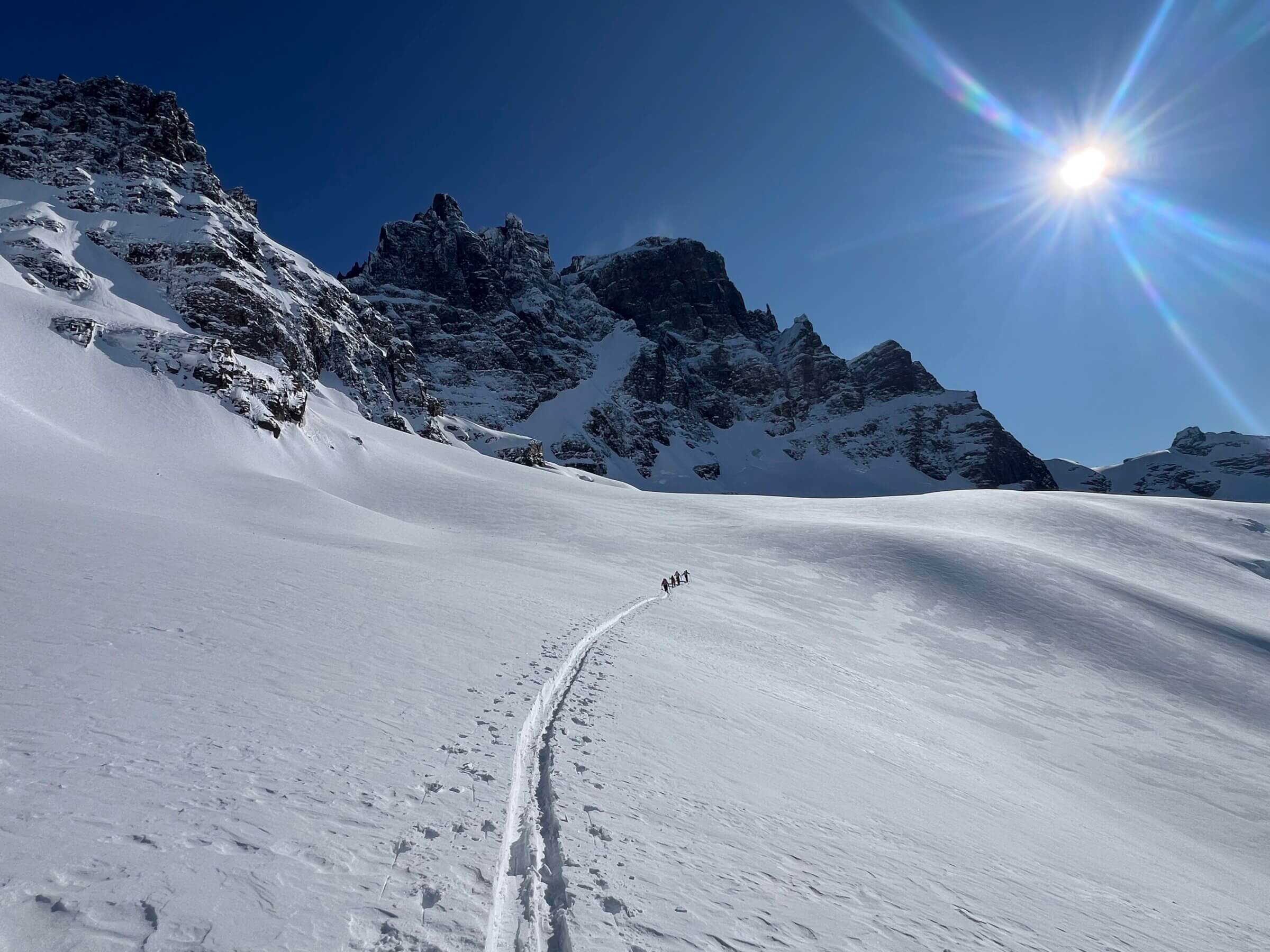
We will choose the route during the expedition depending on conditions. Either way, from the bergschrund to the summit ridge, you’re looking at about 400 vertical meters of climbing. The angle averages around 60 degrees, with steeper sections through the crux. Early in the morning, the ice is typically firm blue ice, set up from the previous day’s warmth.
This climb demands real technical ability. You’ll be front-pointing on sustained steep terrain, using precise crampon and ice tool technique, and moving efficiently on fixed lines. This is not the place to learn those skills. You want them dialed before you arrive.
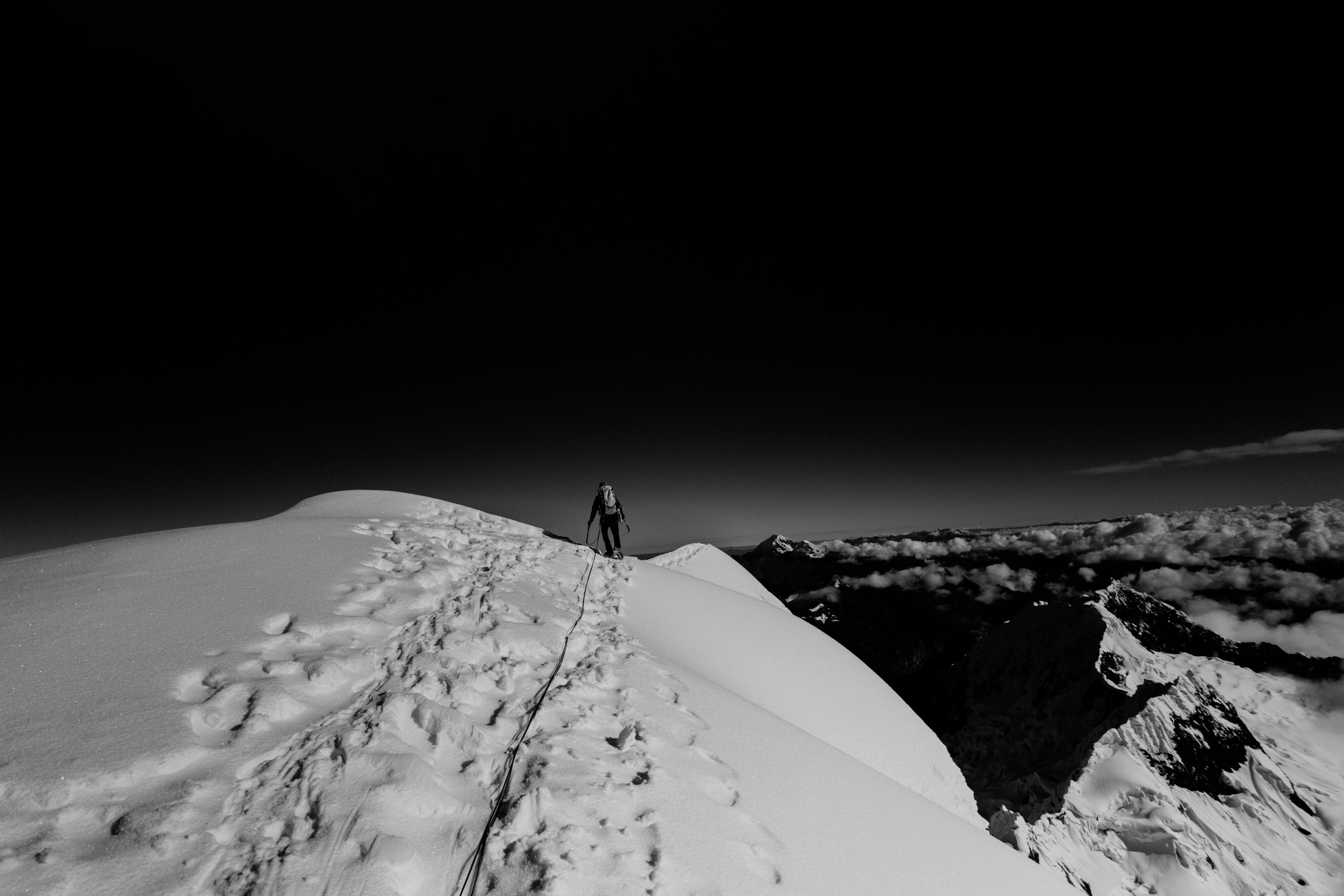
Summit day usually starts around midnight. You climb through the dark and reach the upper face as the light comes in. That combination of altitude, cold, and sustained effort is where preparation shows.
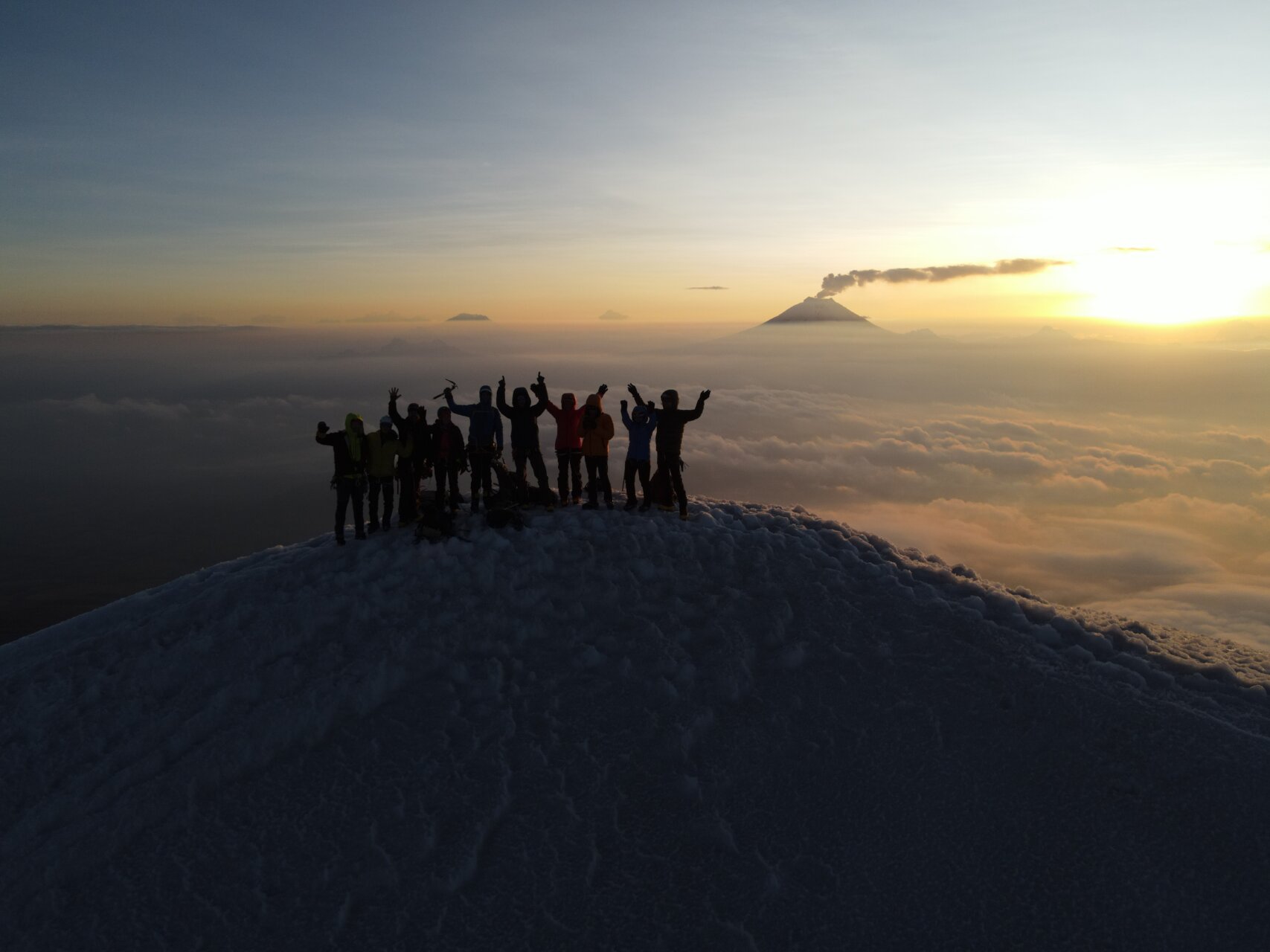
On a clear day, the summit delivers. You’re looking across the Cordillera Blanca with peaks like Artesonraju and the Santa Cruz range stretching out around you.
Is Alpamayo Right For You?
This is a good fit for climbers with experience on glaciers, comfort on 50-degree ice, and time spent above 5,000 meters. A background that includes Aconcagua, a climbing school, and/or similar experience in the Alps or Andes with significant technical objectives puts you in the right range.
Fitness matters. Alpamayo doesn’t smooth over gaps. You need a strong aerobic base, the ability to carry weight at altitude, and real mountain fitness.
If you’re unsure about your technical background, the better move is to build those skills first. The mountain isn’t going anywhere, and you’ll have a better experience when you’re ready.
Alpamayo sticks with people. The shape of the mountain, the quality of the climbing, and the setting in the Santa Cruz Valley all come together in a way that’s hard to replicate.
It rewards preparation. It gives back what you bring to it. For climbers with the right experience, it’s one of the best objectives in the western hemisphere.
If Alpamayo is on your radar, it’s worth taking the time to show up ready.
Questions About Alpamayo?
Schedule a call with our team HERE, or reach out directly to Griffin Mims, our International Client Manager via email at griffin@alpenglowexpeditions.com.
Read More from Peru
From Nebraska to Peru: Griffin Mims on Alpamayo
This week, I spoke with Griffin Mims, Alpenglow’s International Coordinator and one I am grateful to call friend. I’m excited to share a piece of Griffin’s journey with you from his June 2023 expedition to Alpamayo in Peru, where he climbed a dream line to the summit of a dream peak.Read the story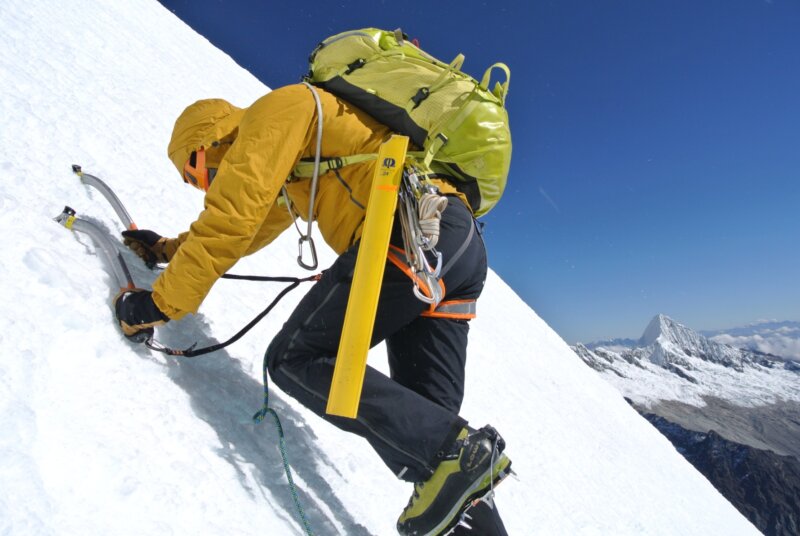
Discover the Heart of the Andes: Alpenglow Expeditions’ Peru Climbing School
The Peru Climbing School is Alpenglow’s most immersive introductory expedition—anyone can join us to climb Yanapaccha (17,913’/5,460m) and Pisco (18,871’/5,752m). We chose the Cordillera Blanca because its allure lies in its diversity, from gentle slopes offering stunning vistas to challenging, unforgiving climbs that test the limits of even the most seasoned adventurers.Read the story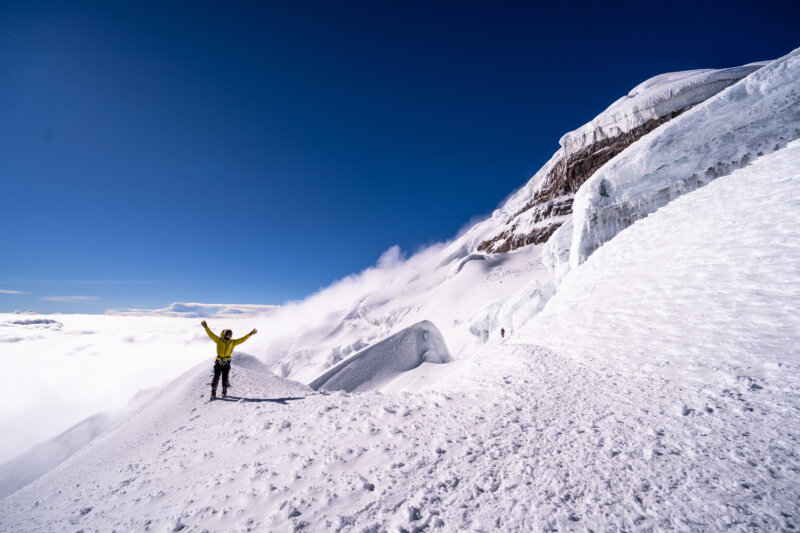
Ecuador vs. Peru Climbing School
Read about the differences between our climbing schools in Ecuador and Peru.Read the story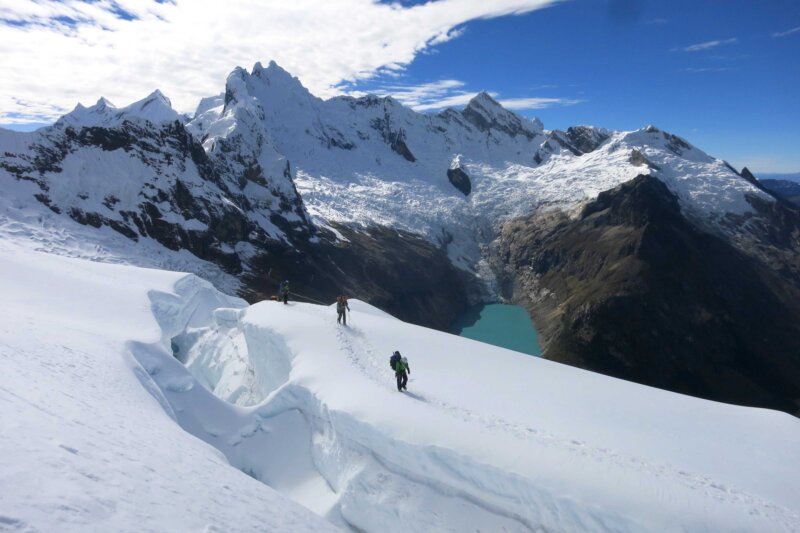
Five Essential Skills You’ll Master at the Peru Climbing School
If you’re looking to build real alpine climbing skills in a high-altitude environment, Peru Climbing School is one of the best options out there.Read the story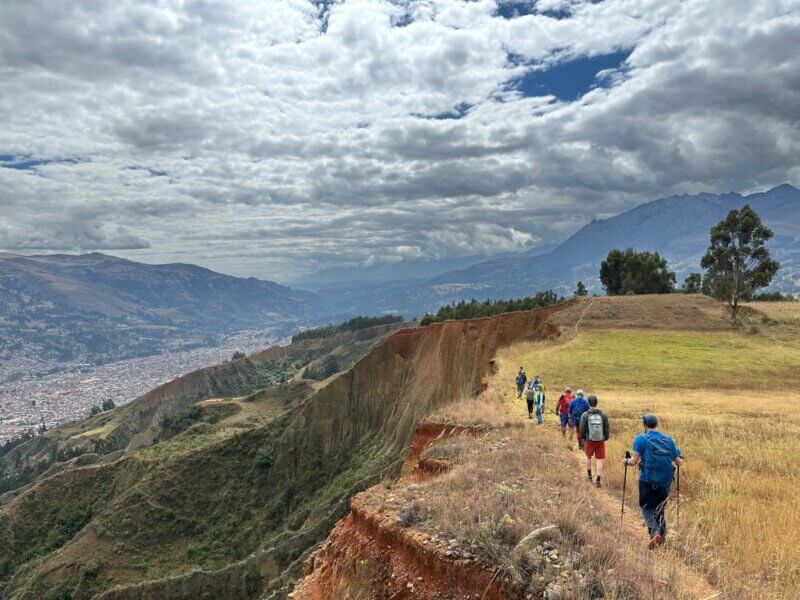
How Alpenglow’s Peru Climbing School Prepares You for Aconcagua and Everest
If you have dreams of climbing Aconcagua, Everest, or other high-altitude giants, proper training is essential. Alpenglow Expeditions’ Peru Climbing School is designed to build the technical skills, acclimatization strategies, and expedition mindset needed for success on the world’s biggest mountains.Read the story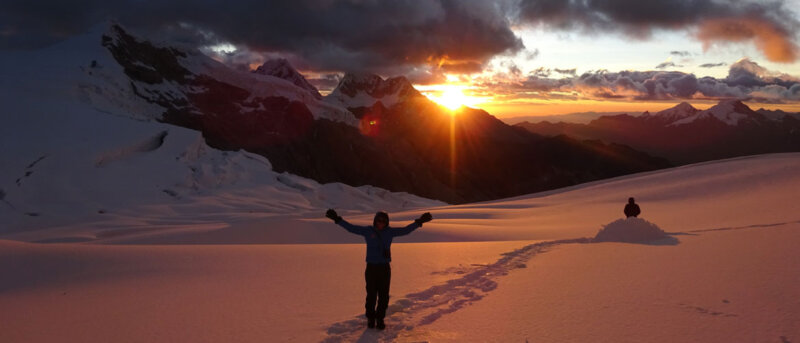
Learn Foundational Skills in Peru’s Cordillera Blanca
Situated amidst the rugged grandeur of the Peruvian Andes, the Cordillera Blanca is affectionately referred to in the climbing community as one of the most beautiful mountain ranges in the world. With a rich history dating back decades, the Blanca has been a focal point for climbers seeking to test themselves and grow as much as it has been a training ground for burgeoning mountaineers.Read the story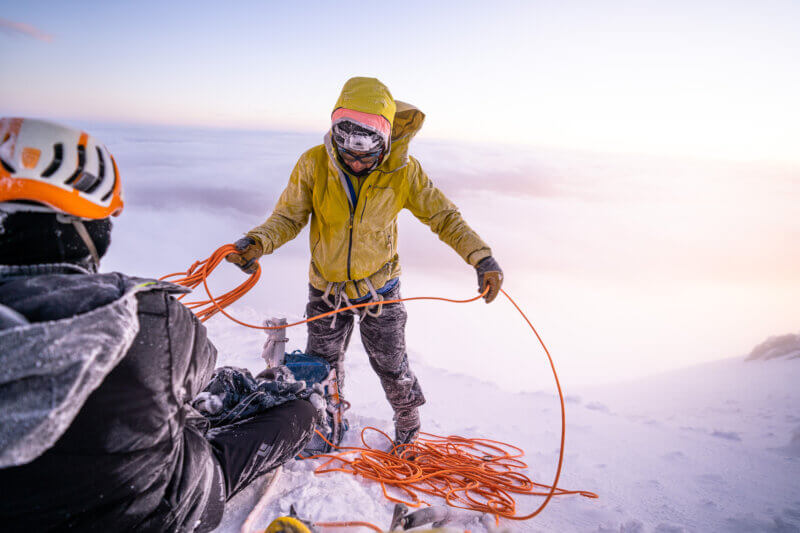
“Give Yourself the Time”: Graduating from Trekking to Climbing with Topo Mena
While ‘walking’ may sound trivial, a number of big mountains involve a lot of walking, albeit in extreme places. To talk about the journey, we connected with IFMGA-certified Alpenglow guide Esteban ‘Topo’ Mena about graduating from trekking to climbing. For beginners, he had this advice to offer: “At first, it’s important to give yourself the time to walk in the mountains and appreciate the land and the opportunity to just be there.”Read the story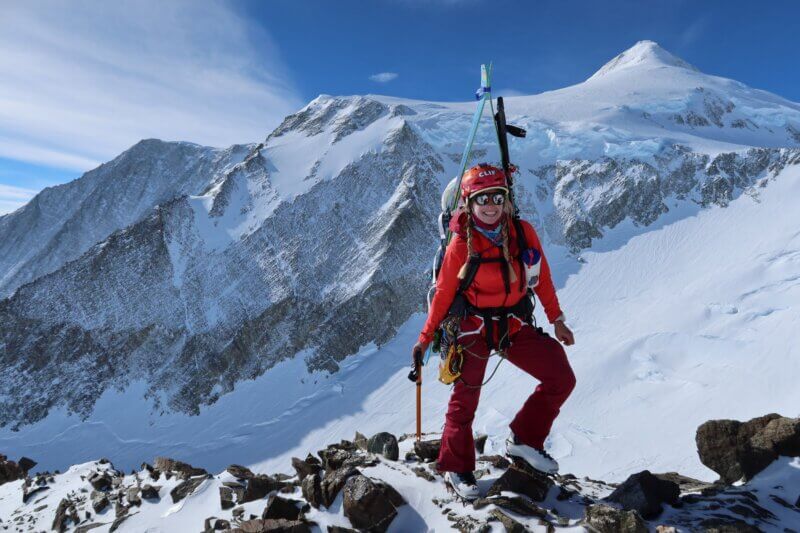
Episode 03: Caroline Gleich – From Skis To The US Senate
In Episode 3 of The Duffel Shuffle, Adrian and Sam sit down with ski mountaineer Caroline Gleich. The start off talking about one of Caroline’s most notable accomplishments, becoming the fourth person and first woman to ski all lines in Andrew McLean’s book, The Chuting Gallery. Following this accomplishment, Caroline set her sights on the greater ranges. With Everest as a goal, Caroline gained experience at altitude in places like Ecuador and Peru, before ultimately finding success on the tallest mountain in the world.Read the story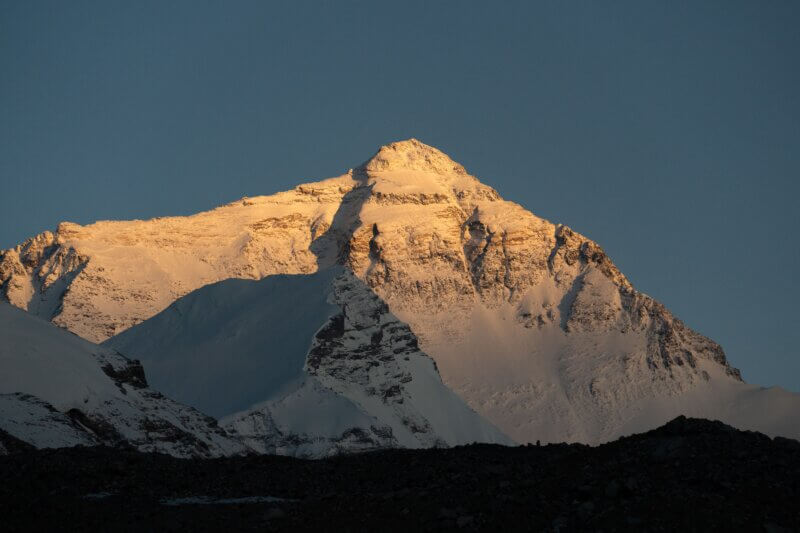
Everest North Side 2025: A Season of Patience, Precision, and Perfect Timing
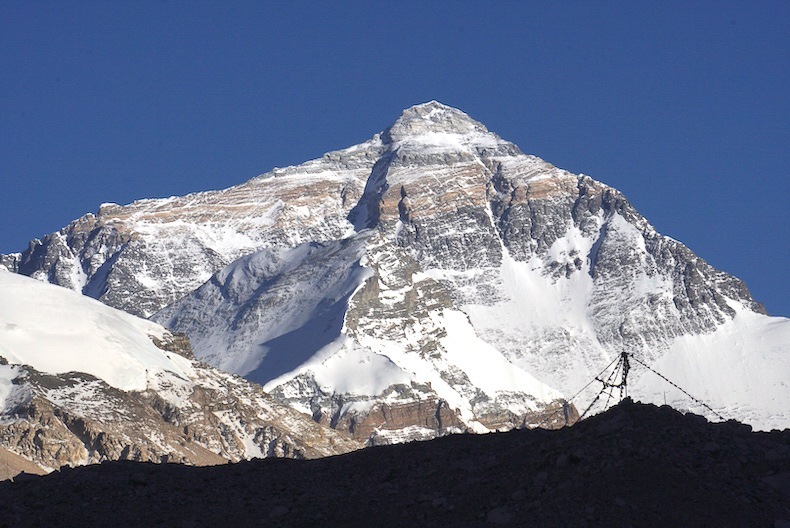
This spring, our Alpenglow Expeditions team returned to the North Side of Mount Everest with a small crew and a big plan. After months of preparation, pre-acclimatization, and weather watching, our Everest expedition 2025 culminated in an incredibly rare summit day—blue skies, no wind, and a quiet mountain.Read the story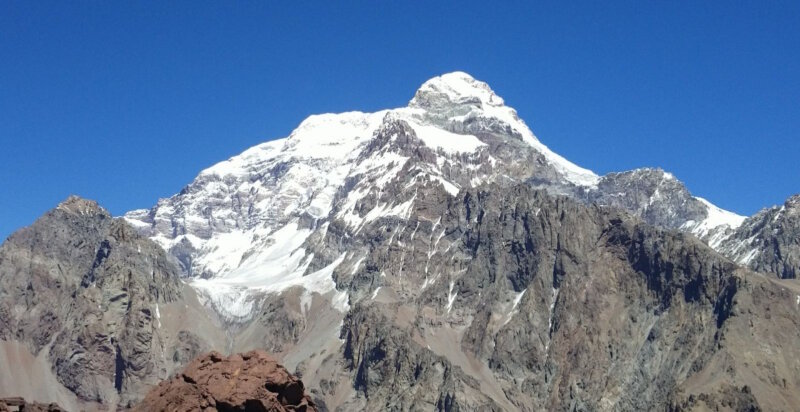
From Climbing Schools to the Seven Summits: Why Aconcagua is the Next Step for Intermediate Climbers
Aconcagua, standing at 22,837 feet, is an excellent progression for climbers who have completed one or more of Alpenglow’s climbing schools in Ecuador, Peru, or Mexico. Here’s why the Aconcagua Rapid Ascent Expedition makes sense:Read the story