Why The Summit Isn’t The Whole Story
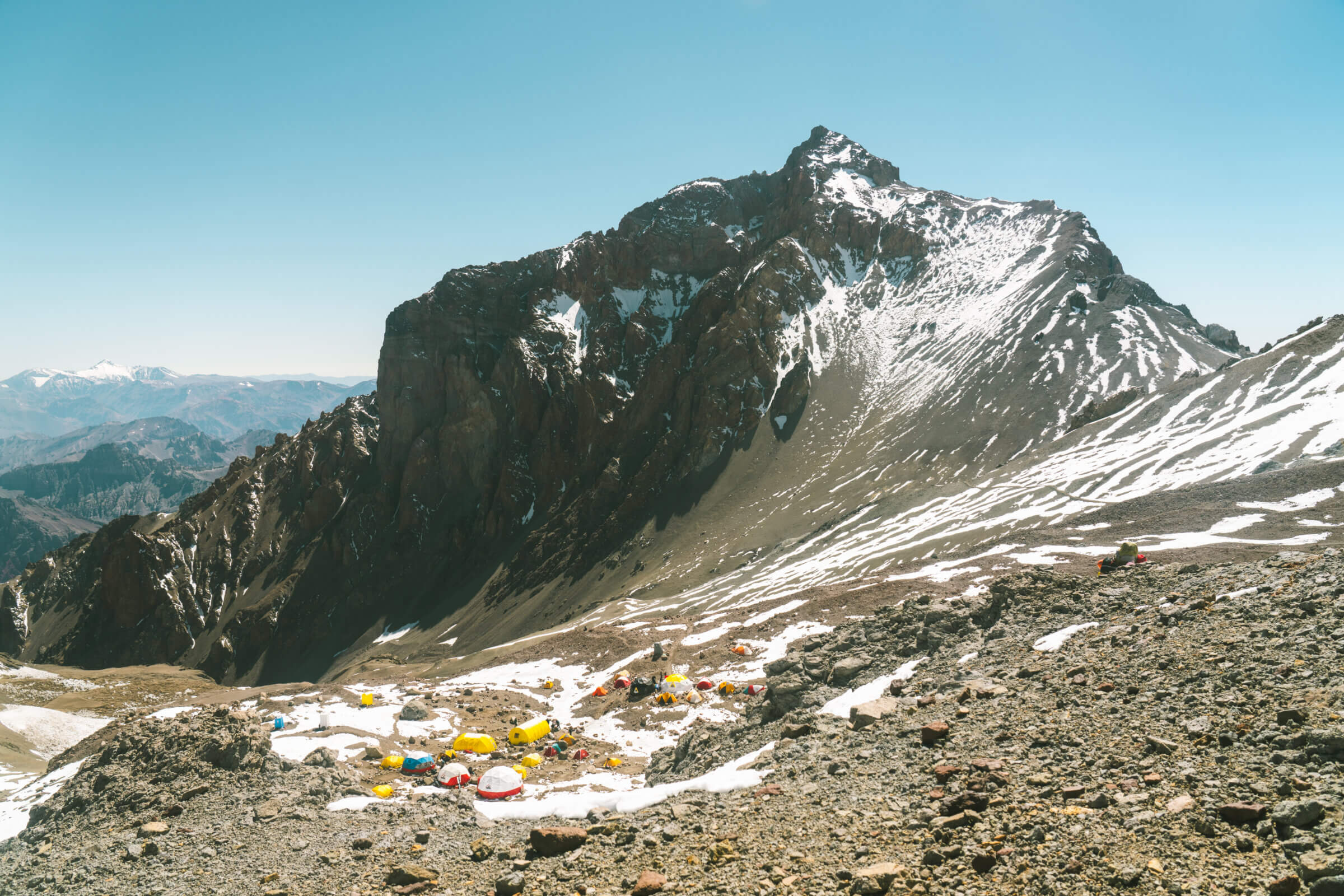
Ask most people what they want from an Aconcagua expedition, or any mountain, and the summit is inevitably a part of the discussion. At 22,841 feet, the highest point in the Western Hemisphere, it’s hard to argue with that ambition. But spend 14 days on the mountain with us and you’ll come home knowing the summit was only part of what made it matter.
The Work Starts at Home
Before you ever board a flight to Argentina, you’ve already begun climbing Aconcagua.
Alpenglow’s Rapid Ascent™ program is built around a simple but powerful idea: if you show up pre-acclimatized, you spend less time suffering on the mountain and more time actually climbing it. That means sleeping in a Hypoxico tent every night for a full month before departure to simulate altitude and prime your body for the thin air ahead.
It sounds like a commitment because it is. But that month of discipline is where the expedition really begins. By the time your boots hit Argentine soil, your body has already started adapting. The mountain becomes a continuation of work you’ve already put in.
That quiet, unglamorous month at home? It’s part of the story.
The 360 Route Changes How You See the Mountain
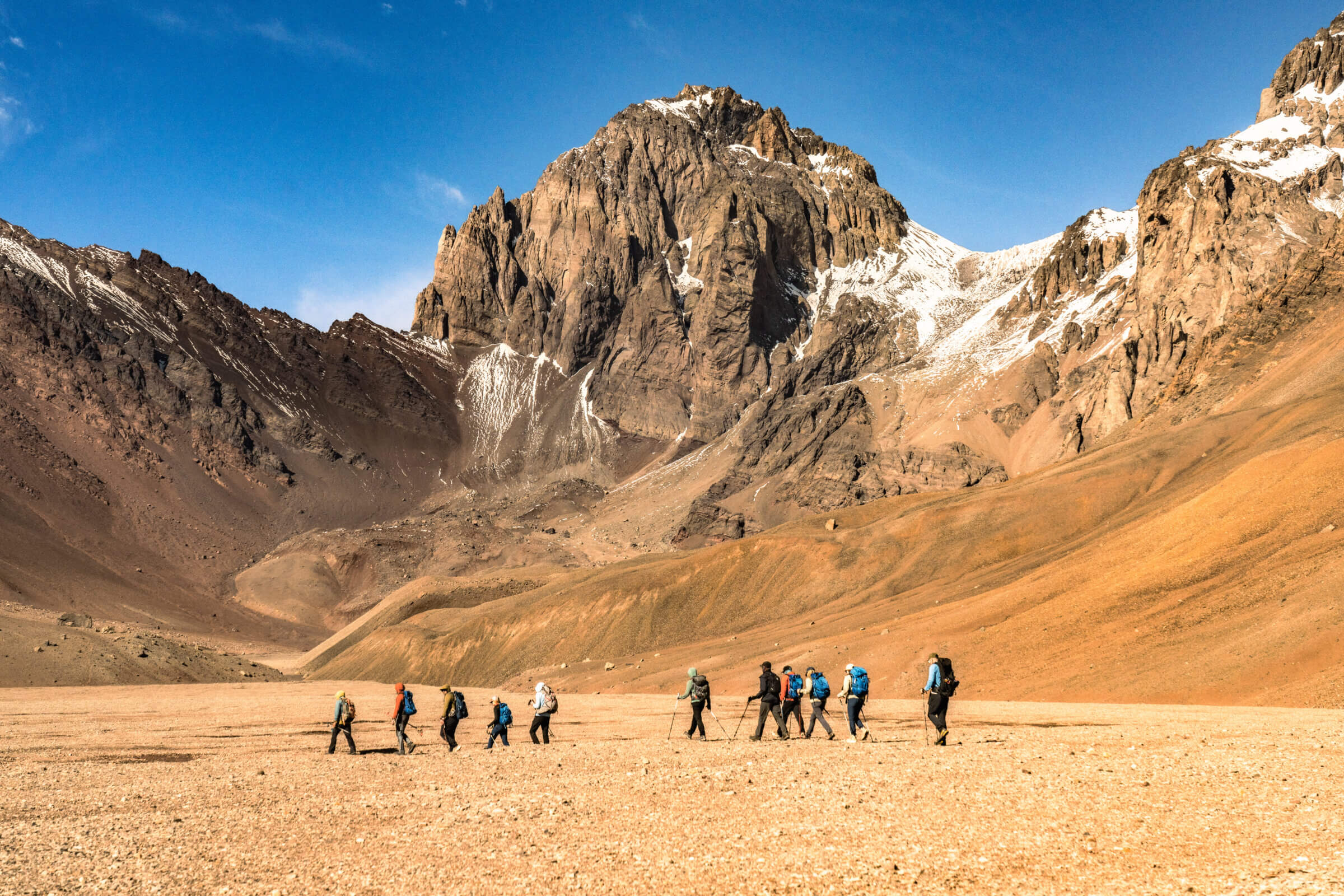
Most climbers take the Normal Route up Aconcagua. Alpenglow takes the 360 Route, a full circumnavigation of the mountain that winds through the Vacas Valley, across arid Mars-like plains, and up through glacial terrain before reaching the upper camps.
It’s longer in distance and richer in everything else. Fewer crowds in a more varied landscape, and a sense that you’re actually exploring a unique mountain environment rather than following a highway to the top.
The 360 Route is largely non-technical, which means the physical challenge is altitude and endurance rather than advanced climbing skill. That lets you keep your attention where it belongs: on how your body is responding, on the team around you, and on the raw, strange beauty of the place you’re moving through.
As our International Client Manager and Chief of Stoke Griffin Mims always says: the summit is the goal, the experience is the purpose.
Fourteen Days
That’s how long Alpenglow’s Rapid Ascent takes, roughly half the time of a traditional Aconcagua expedition. That efficiency doesn’t come from cutting corners, but from an obsessive commitment to logistics that we’ve been refining for over 20 years.
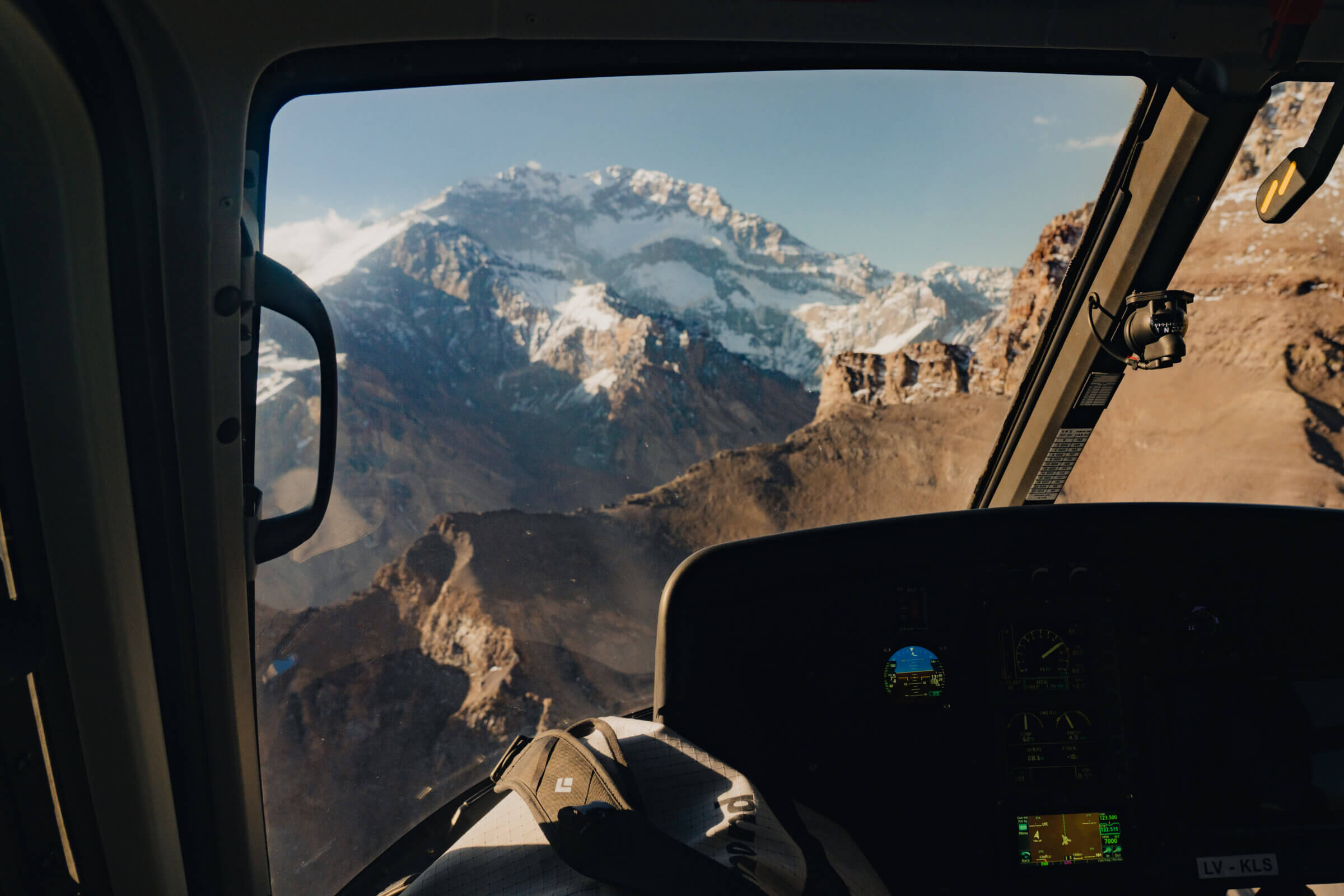
Helicopters fly teams directly to base camp at 13,800 feet, preserving the pre-acclimatization you worked so hard for at home. The climb is supported by an extensive porter team, letting climbers conserve energy for the climb itself. A dedicated cook team at every camp means real, nourishing meals. Twenty-four-hour logistical support means no one is winging it up high.
This level of support isn’t a just for the sake of luxury: it represents an adherence to Alpenglow’s philosophy. The goal is to remove every unnecessary obstacle between you and performing at your absolute best when it matters. When you’re not grinding through avoidable suffering, you can actually be present for the experience.
That level of care, thought, and execution? It’s part of the story too.
What Happens Above 19,000 Feet
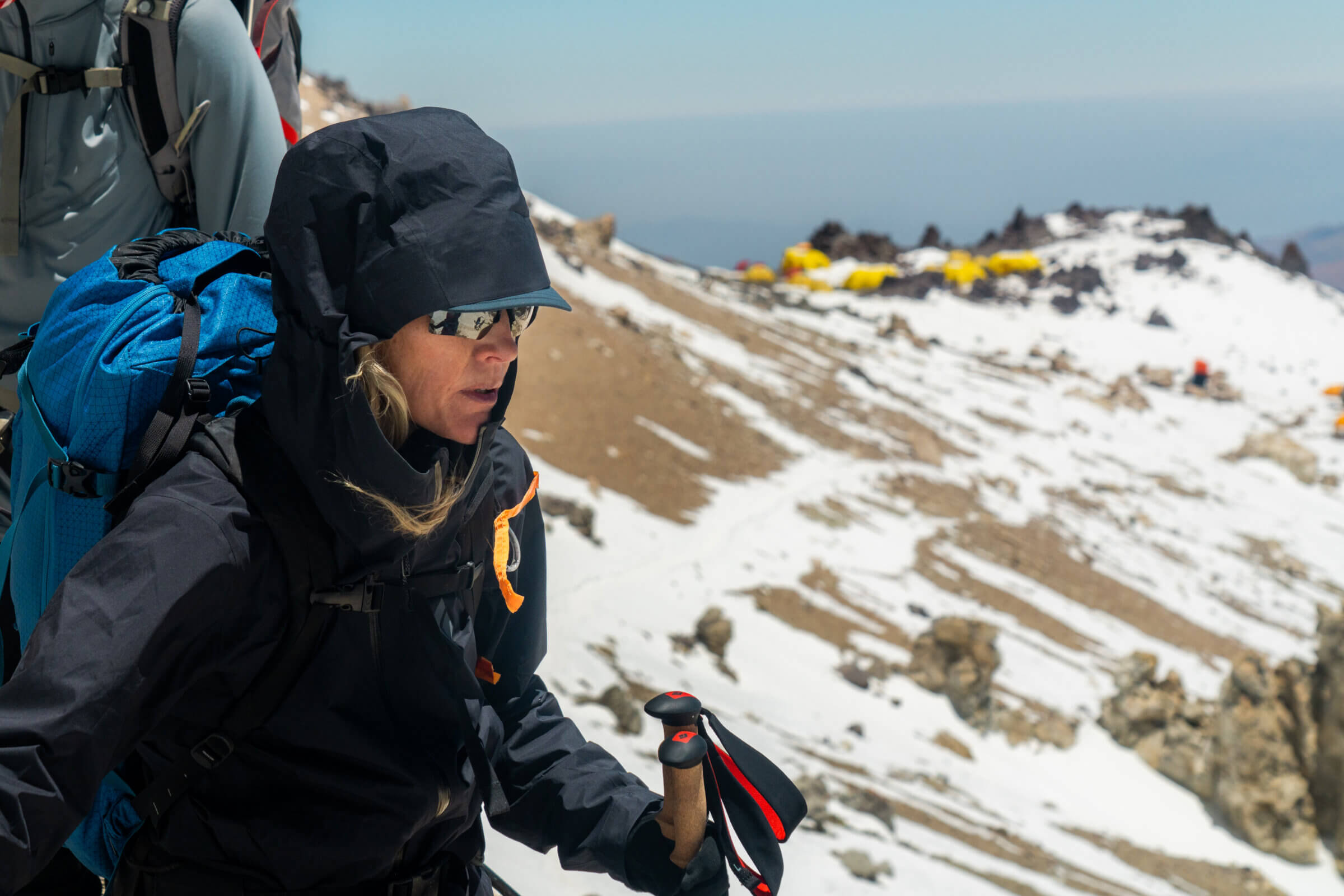
There’s a version of Aconcagua that only reveals itself above Camp 1, where the air starts to thin to a as little as a third of what you breathe at sea level. Up here, the body starts making decisions the mind hasn’t caught up to yet. Your pace slows to something you’d be embarrassed by on flat ground. Every step becomes deliberate. Simple tasks require real concentration.
This is where the Rapid Ascent system proves itself. Not because it makes altitude manageable, but because a well-acclimatized climber can actually process what’s happening to them rather than just endure it. IFMGA-certified guides, many with hundreds of high-altitude days across the world’s biggest mountains, are making real-time decisions alongside you: when to push, when to wait, when the weather window is real.
The summit bid is the culmination of everything. But it’s also just one morning among many that matter.
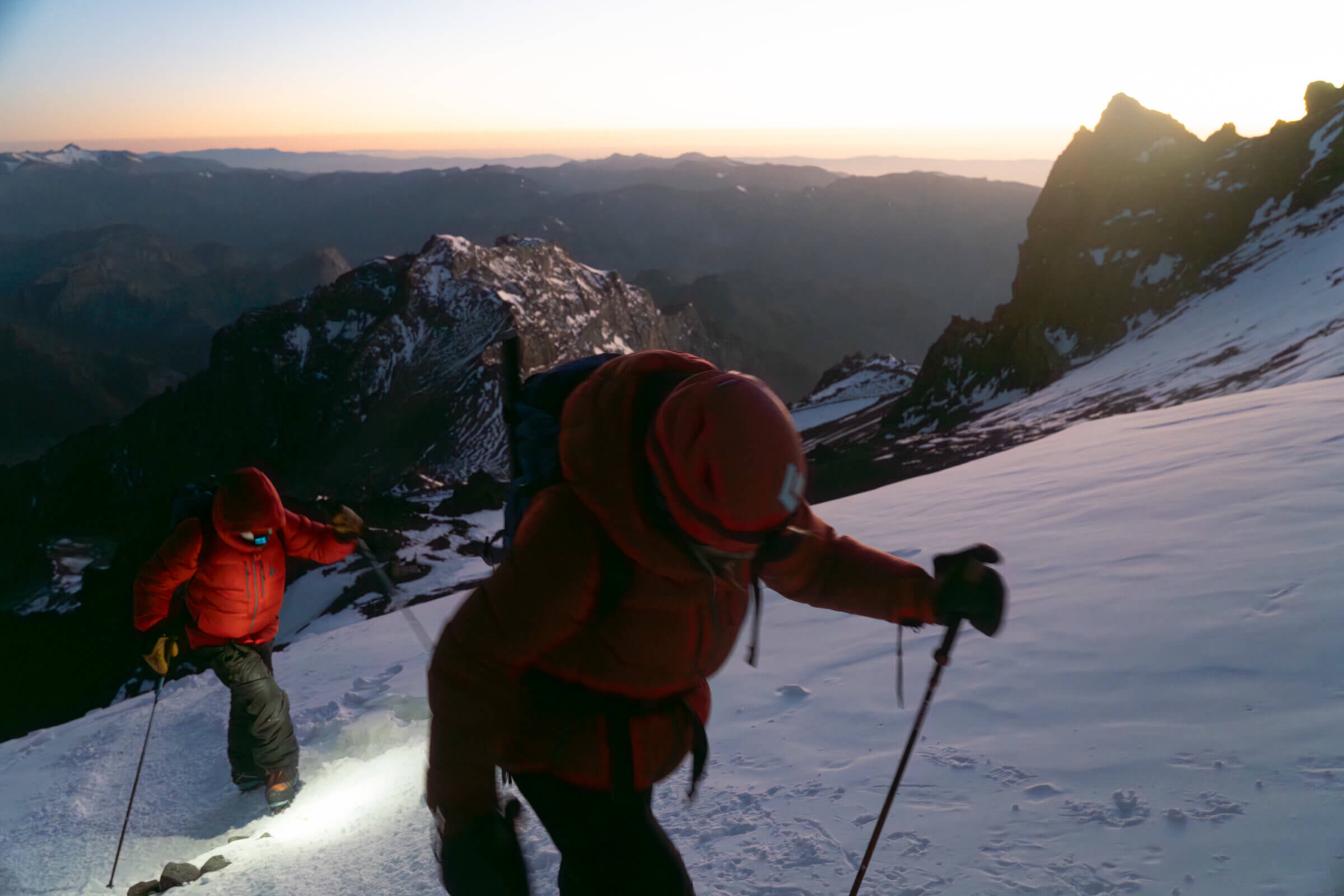
Summit Day
The alarm goes off somewhere around 2 am. Outside the tent it’s still dark, still brutally cold, and the wind hasn’t made up its mind yet whether today is possible. Maybe you haven’t either.
You’ve been at high camp for hours, trying to rest but mostly just lying there, breathing deliberately, conserving everything. Now it’s time to see if all of it was enough: the month in the tent at home, the careful acclimatization, the support system you’ve trusted for nearly two weeks.
The first hours are slow, methodical movement in the dark. Headlamps carving small circles of light across rock and scree. The grade is steady, but not technical. Just walking, but at an altitude where walking feels like something your body has to relearn. Your guides set the pace: steady, sustainable, maddeningly slower than you think you should be going until you realize this is exactly the pace that works.
As dawn breaks during the coldest part of the climb, the landscape opens up in ways that no amount of research, photos, or imagination prepared you for. The Andes stretch out in every direction, endless ridgelines catching first light. You’re high enough now that perspective itself feels different. The world is big, and you are very, very small. And it feels perfect.
The final push to the summit is where everything you thought you understood about effort gets rewritten. The Canaleta, a steep couloir of loose scree and volcanic rock, is the technical crux of the route. Not difficult climbing, but exhausting in the way that only altitude can make something exhausting. Two steps forward, half a step back. Unrelentingly steep, because the mountain saved the hardest part for last. Your guides are close, watching, reading your body language, making the calls that keep you moving safely.
And then, without ceremony, the angle relents. The ridge flattens. There’s a cross made of iron, weather-beaten and iconic, marking the highest point in the Western Hemisphere.
You made it.
There’s no script for what happens on a summit. It’s quiet, mostly. The silence is penetrating. Some people cry. Some people laugh. Some just stand there, too tired and too overwhelmed to do much of anything. The moment is yours and it’s also shared with everyone who got you there. The guides who’ve summited dozens of times still treat it with respect. The teammates who suffered alongside you. Even the version of yourself that started sleeping in a tent in your bedroom a month ago.
You don’t stay long. At this altitude, the summit is borrowed time. Photos, a moment to let it sink in, and then the work of getting down begins. The descent is faster, and it’s demanding in a new way. You’re using new muscles to get down and whatever energy you have left. But there’s a lightness now that wasn’t there on the way up. You did what you came to do. Breathe.
The Descent, the Dinner, and What You Carry Home
In true Rapid Ascent fashion, summit day usually takes you all the way down to the base camp on the opposite side of the mountain on the same day. Despite every part of you wanting to lie down and rest back at Camp 3, we’ll typically wolf down a cup of hot ramen, rehydrate, and begin breaking down camp. Six thousand feet below us, there a celebration dinner waiting, with a hot shower and a real bed to boot.
And then you go to sleep, and it’s over almost as quickly as it began.
What you carry home is harder to capture than any summit photo. It’s the proof that your body can operate at 22,841 feet. It’s the trust built with a team that moved through something hard together. It’s the knowledge that the preparation worked. The tent in your bedroom, the careful logistics, the guides who’ve done this hundreds of times: all of it added up to something real, and something that is uniquely yours.
Aconcagua is a proud achievement. The summit is its highest point. But the full story, the one worth telling, is everything it took to get there, and what it means to have done it right.
Want to capture your own experience? Chat with Griffin Mims, our International Coordinator by clicking HERE.
Rapid Ascent Climbs Around the World
- 32.653179° S, 70.010868° W
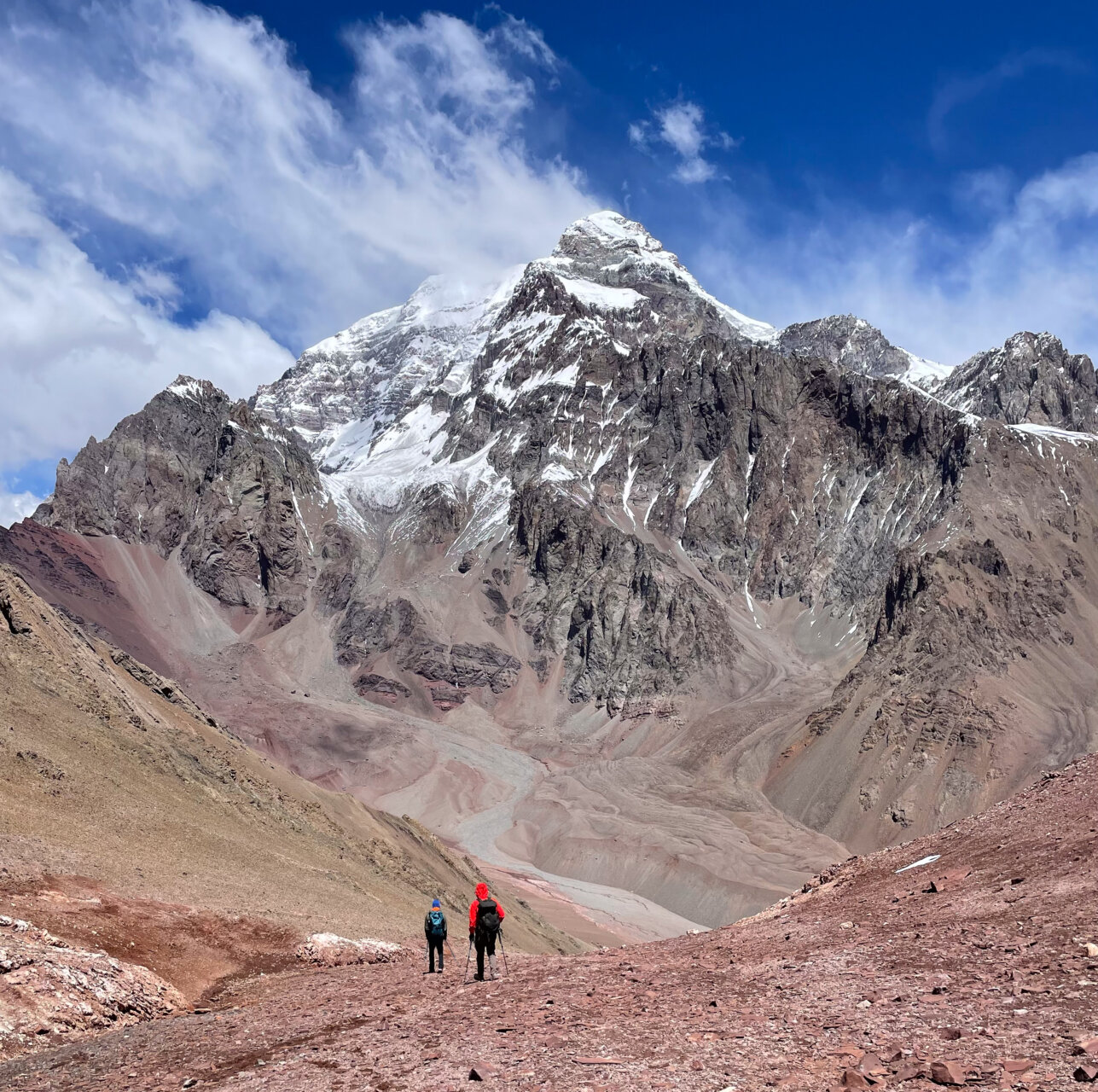
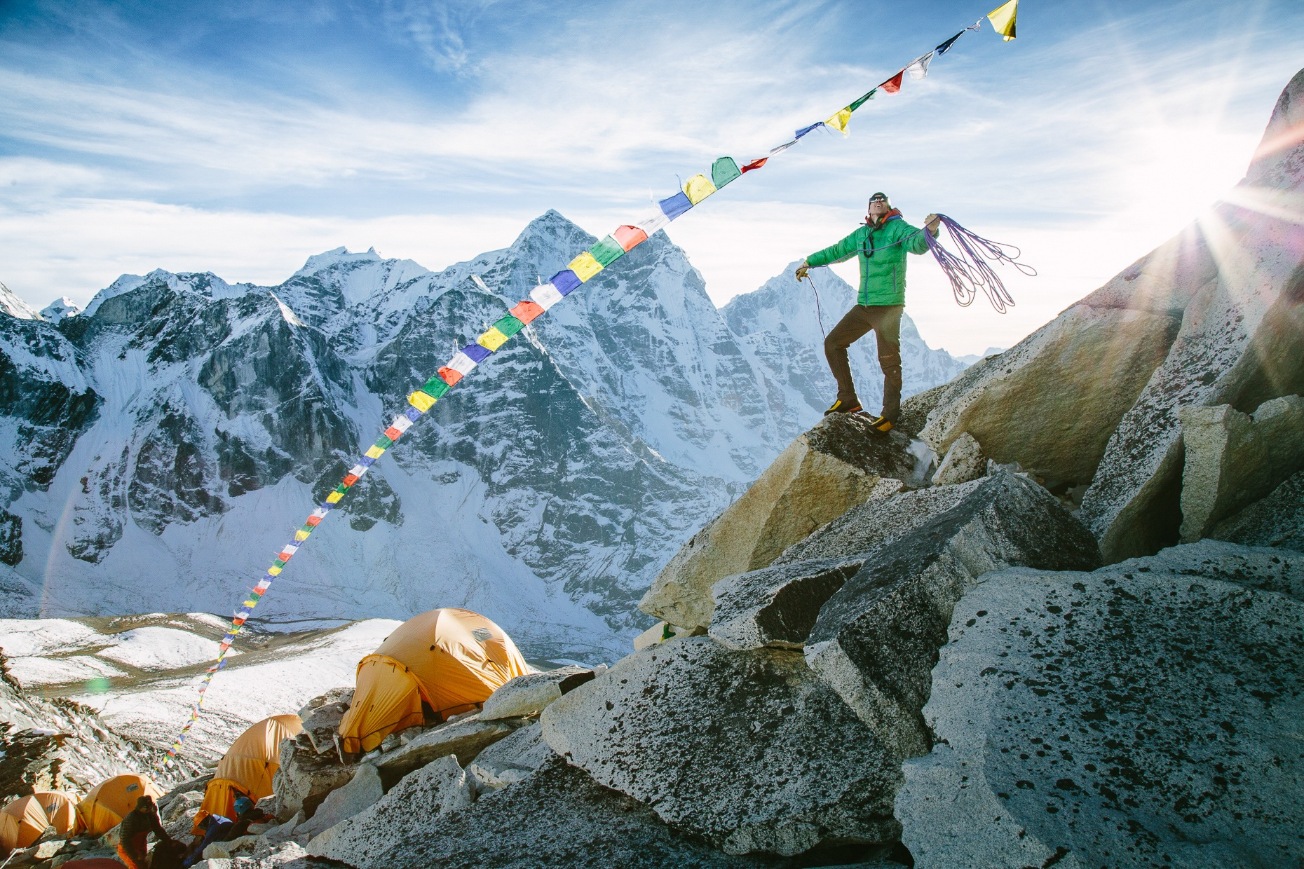
- 28.099722°N , 86.66°E
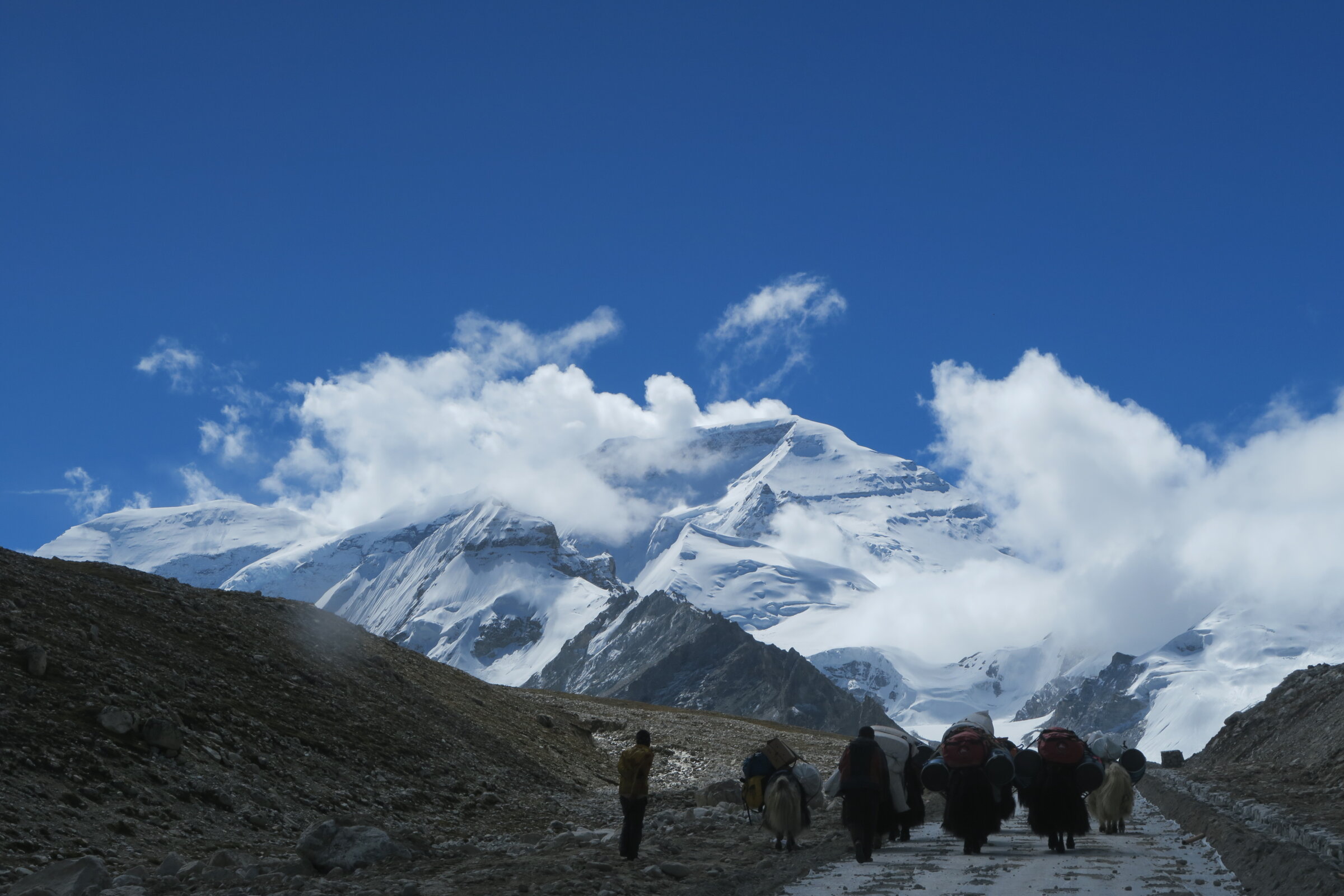
- 0.180653° S, 78.467834° W
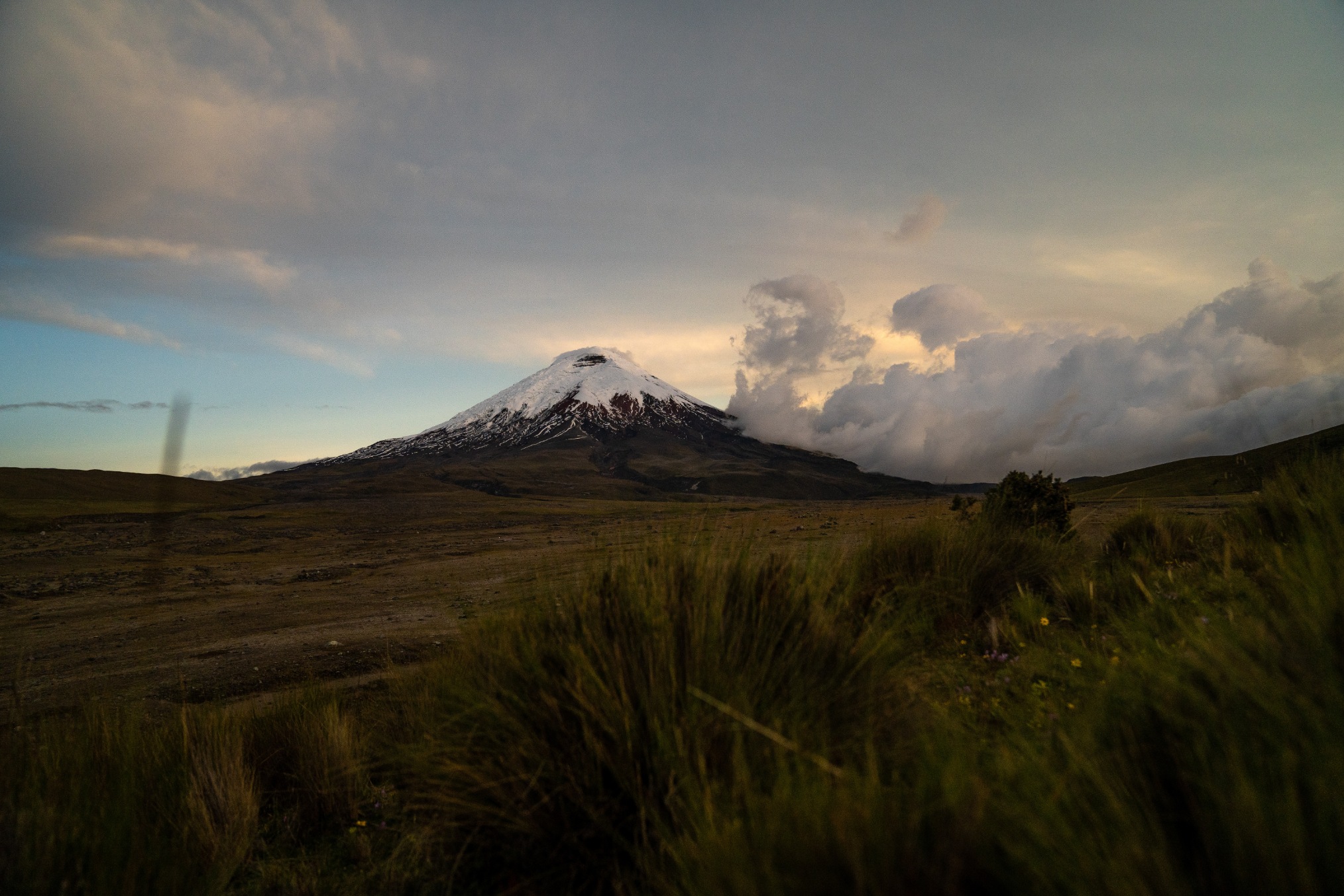
- 63.0692° N, 151.0070° W
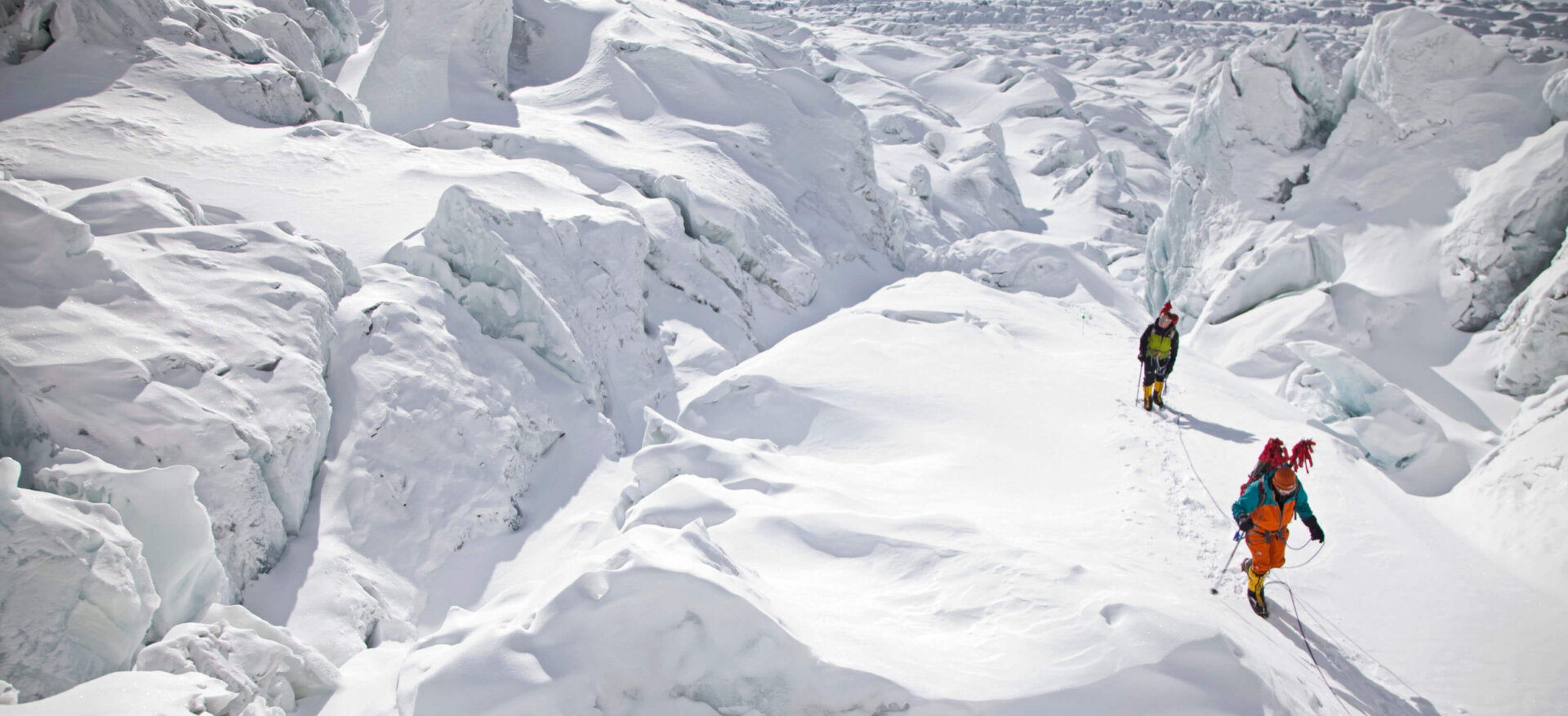
- 30.5723° N, 104.0665° E
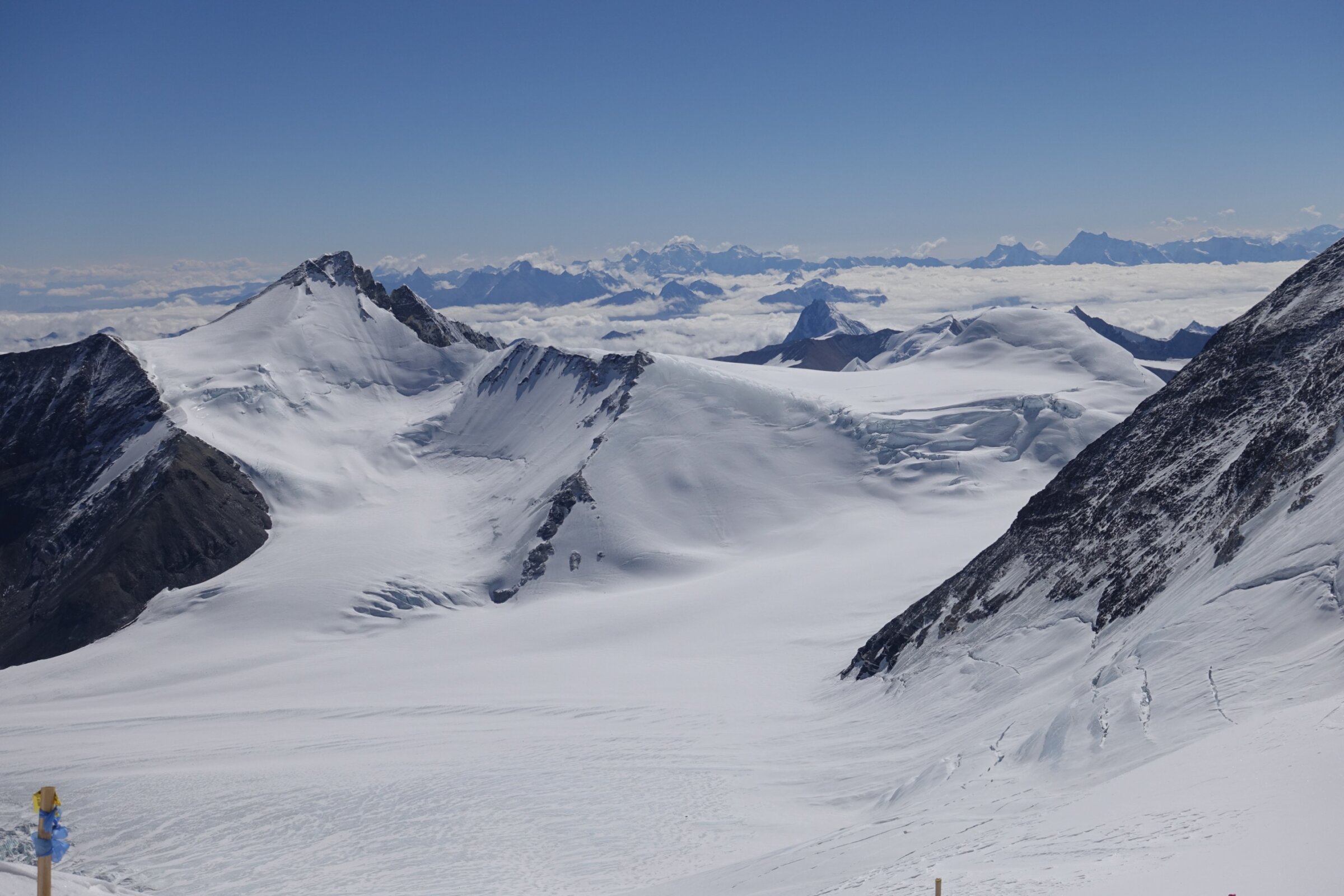
- 27.7172° N, 85.3240° E
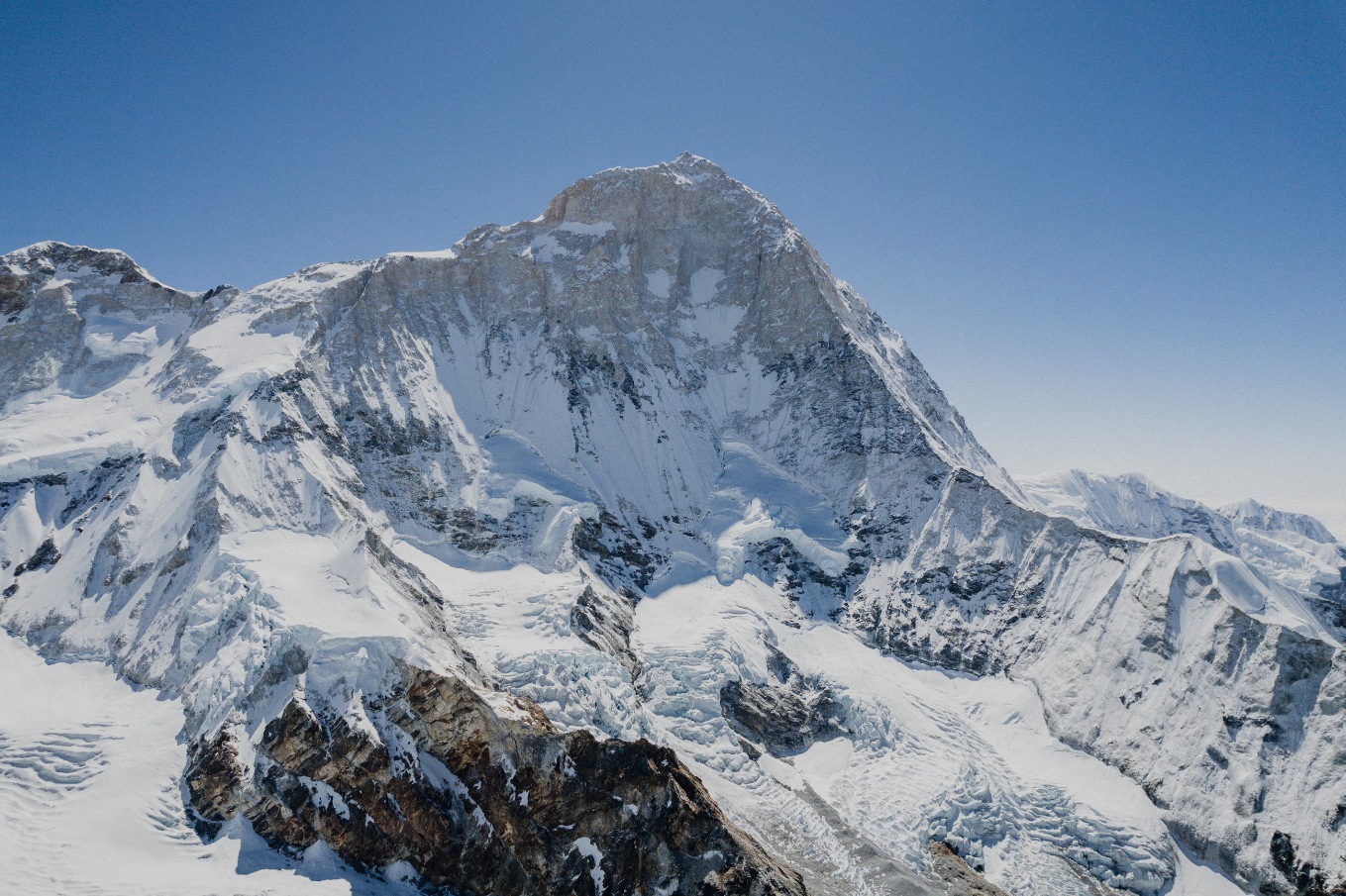
- 43.3499° N, 42.4453° E
- 33.4489° S, 70.6693° W
- 39.34° N, 72.88° E
Read more from Aconcagua
What Does Rapid Ascent on Aconcagua Feel Like?
How our Rapid Ascent system works on the tallest peak in the Americas.Read the story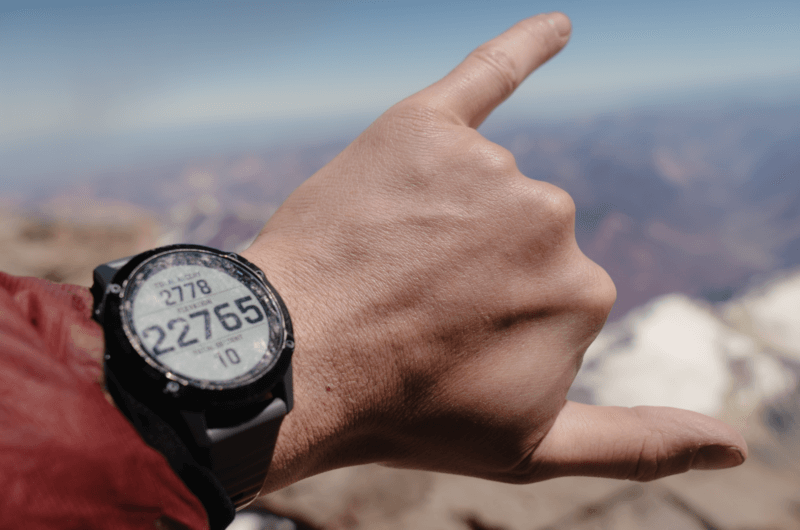
Training for the Mountains with a 9 to 5
What training for big mountains looks like with a full time job.Read the story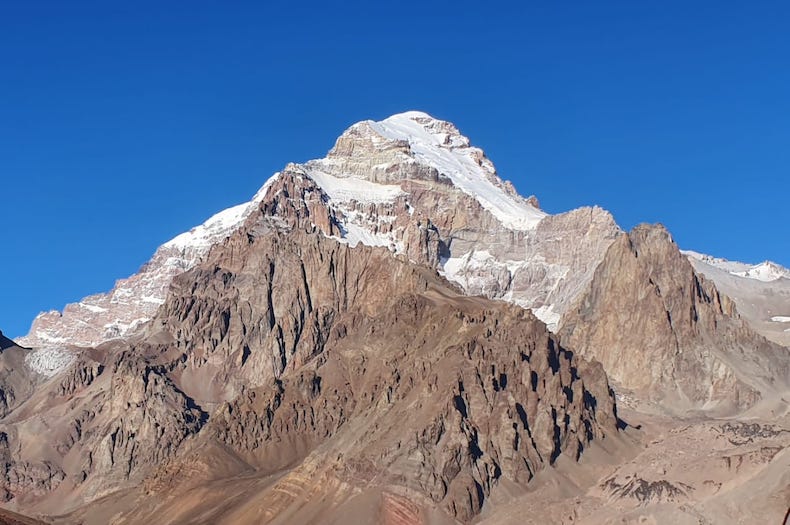
A Brief History of Aconcagua
Aconcagua, standing at 22,831’/6,959m, is the highest peak in the Americas and one of the Seven Summits. Its history is rich and multifaceted, beginning with the indigenous cultures that inhabited the region long before modern mountaineers arrived. Today, it’s a popular peak forintermediate climbers to break into 7,000m, and an excellent step on the way to preparing for Mt. Everest.Read the storyClimbing Aconcagua: Changes Adrian Ballinger Has Seen Over the Years
Alpenglow owner and founder Adrian Ballinger started guiding and climbing Aconcagua in the late 1990s, around the same time that high-altitude mountaineering saw a massive surge in popularity around the world. However, regulations, ethics, and best practices in the mountaineering world failed to keep pace with the growth of the sport.Read the story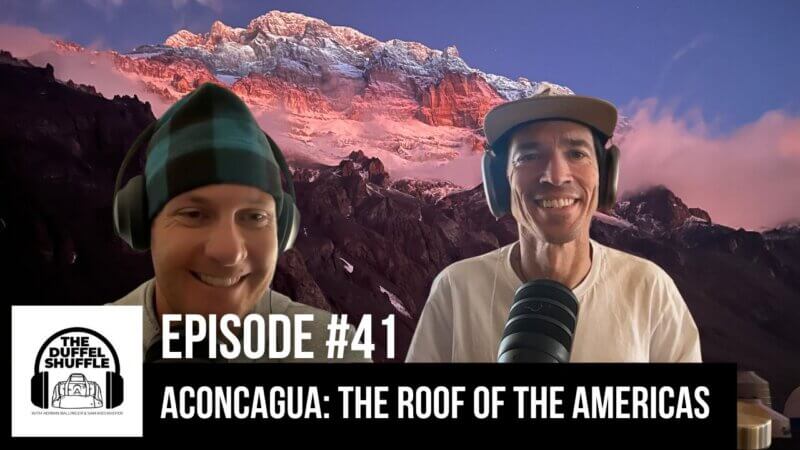
Episode 41: Aconcagua, The Roof of the Americas
The Duffel Shuffle podcast is kicking off a 7-Episode series, covering all things seven summits. Adrian and Sam start with Aconcagua, the tallest mountain outside of the Himalaya, and the tallest peak in South America. Aconcagua, which was first climbed in 1897, sees approximately, 3,000-4,000 attempts annually, with a success rate of roughly 30-40%.Read the story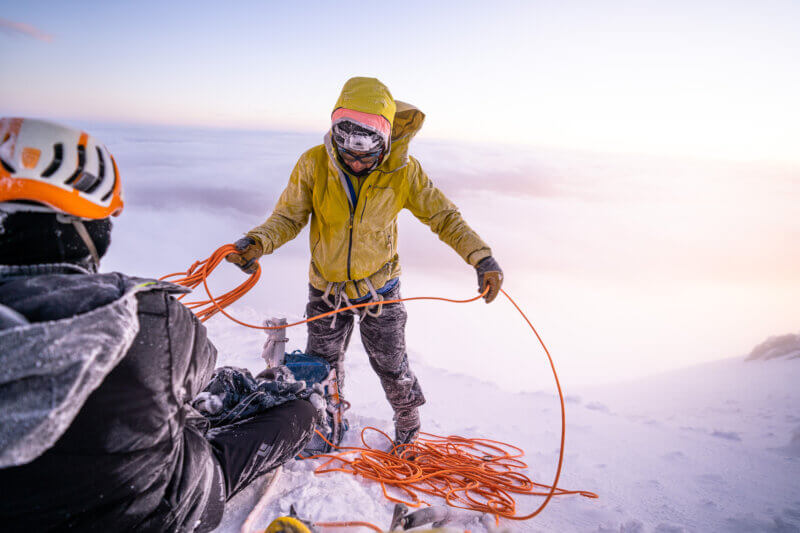
“Give Yourself the Time”: Graduating from Trekking to Climbing with Topo Mena
While ‘walking’ may sound trivial, a number of big mountains involve a lot of walking, albeit in extreme places. To talk about the journey, we connected with IFMGA-certified Alpenglow guide Esteban ‘Topo’ Mena about graduating from trekking to climbing. For beginners, he had this advice to offer: “At first, it’s important to give yourself the time to walk in the mountains and appreciate the land and the opportunity to just be there.”Read the story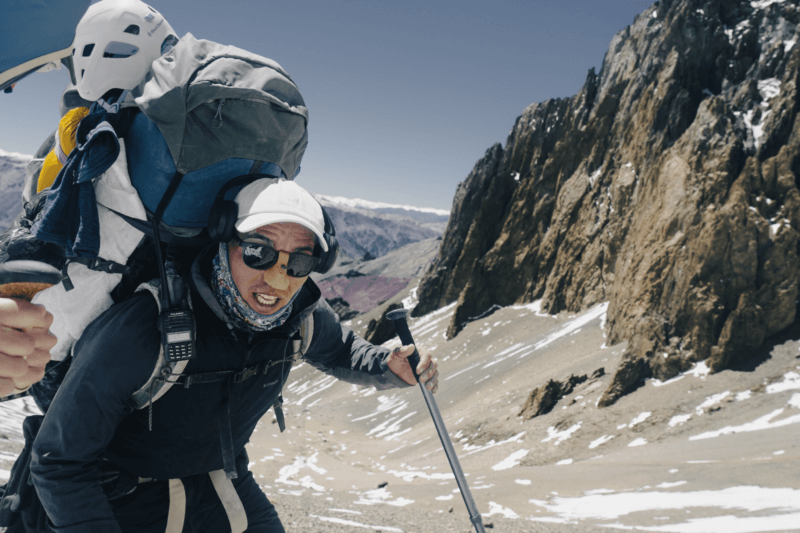
Five Truths About High Altitude (And How to Handle Them)
Five unavoidable challenges of high-altitude mountaineering, and how to deal with them.Read the story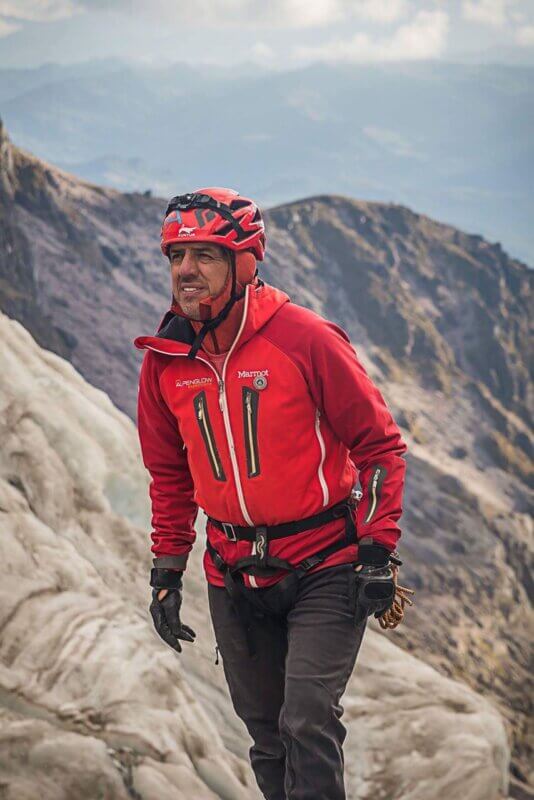
Full Circle with Jaime Avíla
Read the story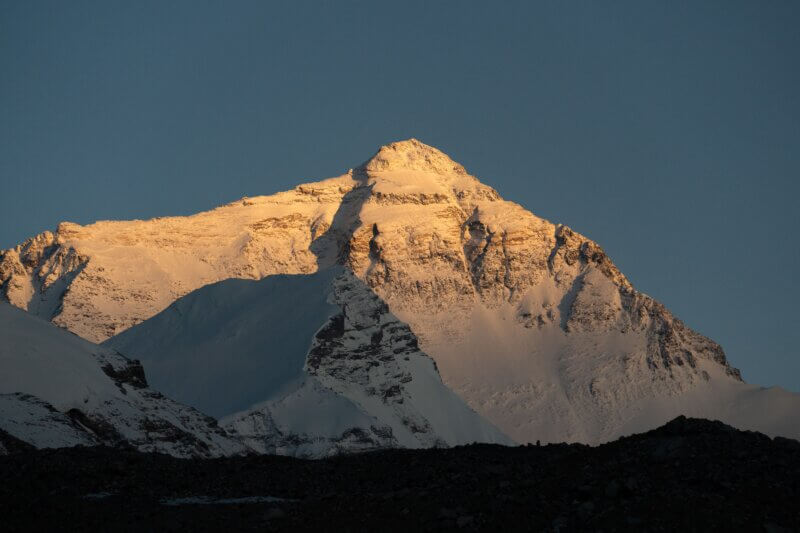
How to Climb Mt. Everest
Climbing Everest doesn’t start in the Himalaya. It starts with basic skills, local mountains, and building experience one step at a time. If you’re asking how to climb Everest the right way — safely, successfully, and confidently — this is the path we recommend.Read the story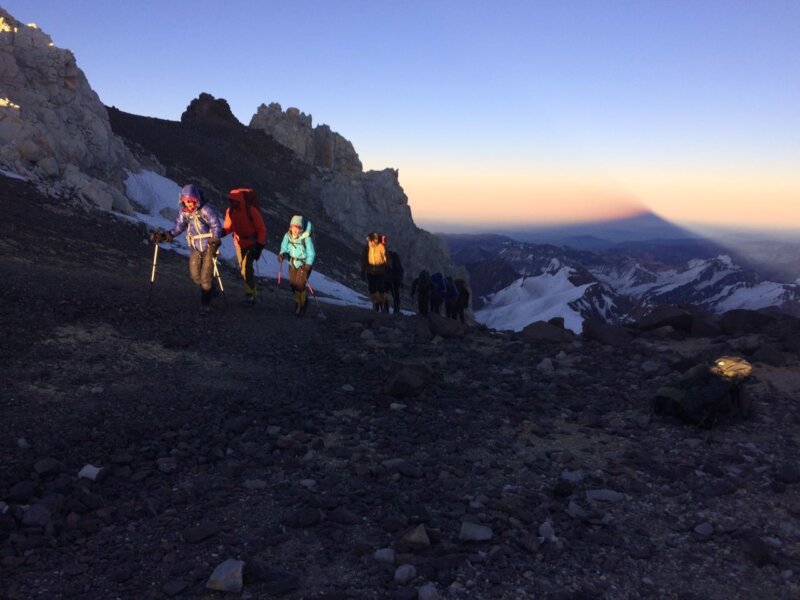
Climbing Aconcagua’s 360° Route
The 360° Route on Aconcagua is a less crowded, less technical route that combines the best parts of four other popular routes on the mountain.Read the story